REVIEW · WALKING TOURS
Harlem in Paris : the Birth of Jazz in France (Small Group Walking Tour)
Book on Viator →Operated by Visit the Hidden Paris · Bookable on Viator
Jazz has a second home in Paris.
This small-group walking tour maps the story of Black jazz in France onto today’s streets around Pigalle and Place Blanche, using photos, videos, and music to help you picture what stood there in the 1920s and 30s. You also get an English-speaking guide and a route that’s built to fit into a half-day window.
I especially like how the tour turns famous names into specific places you can actually point at, instead of vague “jazz happened around here” talk.
The second thing I like is the pacing: a sit-down intro helps the walk make sense, then you spend your energy outdoors looking at real facades and street corners. One possible drawback: some venues from the era are now closed or gone, so you’ll rely on your imagination in spots.
In This Review
- Key things that make this Harlem in Paris jazz tour worth it
- A jazz map you can read on foot in Pigalle
- The pre-walk sit-down: why the A/V intro is more than a warm-up
- Stop at Place Blanche: Josephine Baker’s Chez Josephine and instant stardom
- Rue Mansart and the Louis Armstrong trail: rehearsals, choucroute, and Django Reinhardt
- Zelli’s at Rue Pierre-Fontaine: Eugene Jacques Bullard from fighter pilot to club manager
- Jazz Ladies of Pigalle: Bricktop and Valaida Snow’s hard stories
- Rue Victor Massé and Alberta Hunter: when the club is gone, the voice isn’t
- Timing and route: what 2 hours 30 minutes feels like on the ground
- Price and value: how $107.84 can make sense for the time you save
- Best fit: who will enjoy this most (and who might not)
- Your booking checklist: what to know before you show up
- Should you book Harlem in Paris: the Birth of Jazz in France?
- FAQ
- How long is the Harlem in Paris walking tour?
- Where does the tour start and end?
- Is the tour offered in English?
- Do I need to pay for tickets at the stops?
- Is food included?
- How much walking should I expect?
- What if the weather is bad?
Key things that make this Harlem in Paris jazz tour worth it
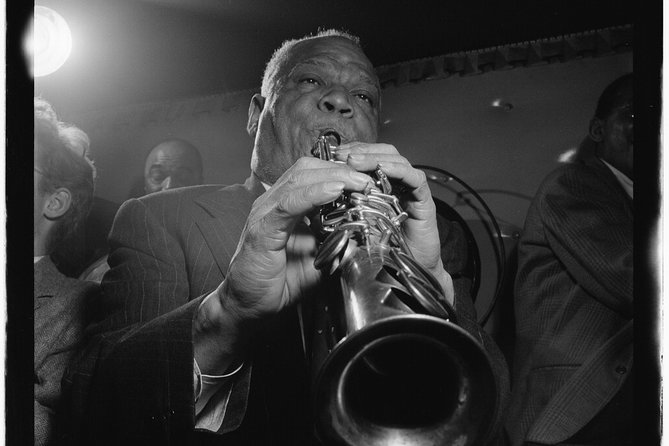
- Josephine Baker at Place Blanche (Chez Josephine) and the story of her instant stardom in France.
- Louis Armstrong’s Paris connections, including a bistro stop and the mention of Django Reinhardt nearby.
- Zelli’s and Eugene Jacques Bullard, a fighter pilot turned musician-manager, which connects jazz to wartime history.
- The Jazz Ladies of Pigalle, featuring Bricktop and Valaida Snow with very human, hard-won life stories.
- Alberta Hunter outside a closed club, where the emphasis shifts to how careers return after brutal disruptions.
A jazz map you can read on foot in Pigalle
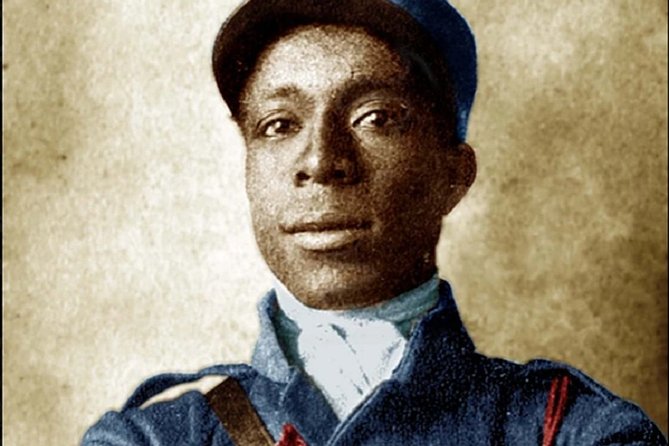
The vibe of this tour is simple: you start with context, then you walk a short stretch of Paris streets like you’re reading history from the sidewalk. The neighborhood around Pigalle has long carried performance culture, and this experience focuses on the Black artists who helped shape what Paris sounded like during the Jazz Age.
What makes it work is that it’s not just name-dropping. The guide uses visuals and audio—think old photos, recordings, and video clips on a tablet or smart device—so you’re not stuck with dry explanations. You get the sound and the images, then you see what the streets look like now. That order matters. It helps you connect past and present without squinting too hard.
Also, this is designed as a small-group activity and is offered in English, which keeps questions from turning into a distant shout in the back. The tour is listed at about 2 hours 30 minutes, and it’s usually booked months ahead (on average about 49 days), so it’s worth reserving early if you’re traveling in a busy window.
The pre-walk sit-down: why the A/V intro is more than a warm-up
A lot of street tours rush out the door. This one does not. You start with a seated introduction—often described as a narrative presentation with video/audio clips—before you start walking. On many departures, that intro happens in a hotel or cafe setting near the meeting point, so you get a chance to settle in, grab a drink if you want (food and beverages are not included), and let the guide set the stage.
Here’s why that matters for you: without the intro, you might see famous addresses and think, Nice—too bad the buildings don’t explain themselves. With the intro, you’re primed to recognize why each location matters: who played there, what era it belongs to, and what changed for the musicians afterward. When you then stand in front of Place Blanche or Rue Pierre-Fontaine, the tour doesn’t feel like trivia. It feels like a story with scenes.
One more practical note: the tour uses a mobile ticket. That makes it easy to show up and keep your phone free for maps and photos.
Stop at Place Blanche: Josephine Baker’s Chez Josephine and instant stardom
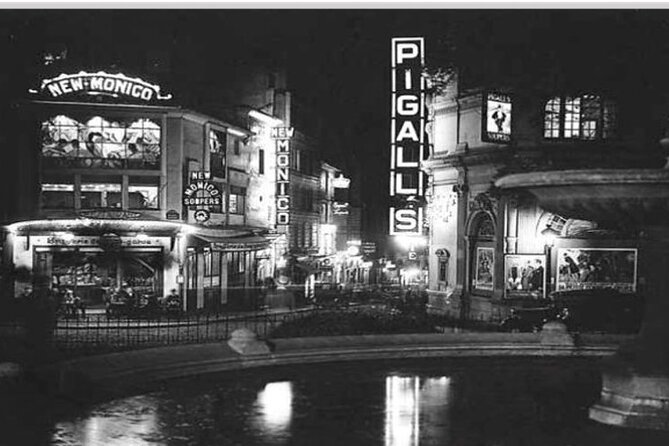
Your walk begins near Place Blanche, and the first major anchor is Josephine Baker. Just next door, the tour points to the location of her club, Chez Josephine. Baker is described as the Black Venus of Paris—she became a French national and lived here from 1925 until 1975.
This stop is where the tour’s main idea clicks: Black entertainers weren’t just visiting France. They built careers there, created stages, and became part of French public life. The guide connects Baker’s American start in vaudeville with her move to Paris in 1925 as a dancer for the NY Syncopated Orchestra, alongside a young clarinet player named Sidney Bechet.
The tour also brings in the “audacious” show that made her a household name in France: the Revue Negre at the Theatre des Champs Elysées. The guide notes it featured 13 dancers and 12 musicians, with Baker at age 18 in a costume described as feathers. If you only know Baker from pop-culture summaries, this kind of specificity helps you understand why she became an immediate icon.
Practical takeaway: when you stand there, don’t expect a neon sign or a preserved club interior. Instead, look at the street as a stage. The guide’s visuals do most of the heavy lifting.
Rue Mansart and the Louis Armstrong trail: rehearsals, choucroute, and Django Reinhardt
Next is Rue Mansart, a stop framed around Louis Armstrong. The tour’s storyline says Armstrong would dine after rehearsals in a recording studio nearby, and that’s where he discovered the delights of choucroute. It also places him meeting local Gypsy jazzman Django Reinhardt.
This stop is short (about 10 minutes), but it’s useful because it shows the texture of jazz life in Paris: it wasn’t just nightlife. There were rehearsals, recordings, meals, and social networks that connected different scenes.
The value for you is context. When you later hear about jazz in France, you’ll start thinking in terms of communities—who sat where, who played with whom, and how collaborations formed off the stage.
Zelli’s at Rue Pierre-Fontaine: Eugene Jacques Bullard from fighter pilot to club manager
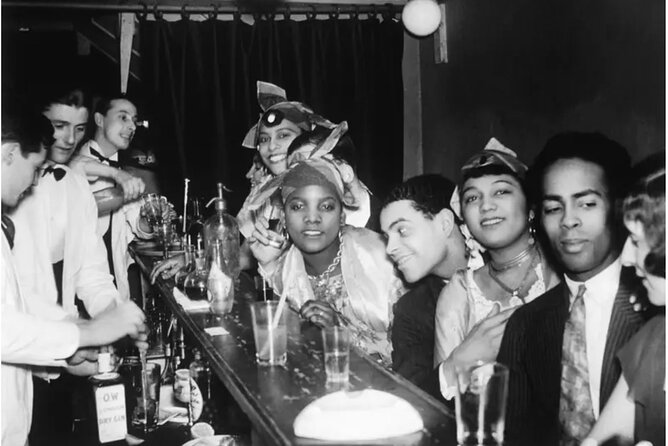
At Rue Pierre-Fontaine, the tour calls out Zelli’s, described as a mythical Paris cabaret from the 1920s. The guide frames it as a top club because of its avant-garde jazz programming.
Then comes one of the tour’s most eye-opening character stories: Eugene Jacques Bullard. The guide describes him as the son of a freed enslaved person from Martinique and as the first African American fighter pilot in history. The story goes further—Bullard reportedly flew 30 missions, downed 2 German planes, earned a promotion to corporal, and took the nickname Black Jacques.
After the war, the tour connects his life to music again: he learned to play drums and was hired as a musician at Zelli’s, eventually rising to manager. With backing from Joe Zelli, he opened his own night club, the Grand Duc, combining hot jazz and soul food.
Why you’ll likely remember this stop: it’s a strong reminder that jazz history here isn’t only about instruments and melodies. It also includes migration, war, survival, and reinvention.
And yes, the street is the only “museum” you get. The guide’s photos and recordings are what turn a sidewalk into a scene.
Jazz Ladies of Pigalle: Bricktop and Valaida Snow’s hard stories
Back at Place Blanche, the tour focuses on the women who shaped the sound and the stage personality of the era, beginning with Bricktop. She’s described as the Queen of Pigalle who arrived with $24 in her pocket. Once established, she rubbed shoulders with royalty and celebrities—so her influence wasn’t limited to club-goers.
Then the guide brings in Valaida Snow, described as the second-best trumpet player in the world according to Louis Armstrong. The tour credits her with playing 8 different instruments, plus singing and dancing. The story places her as a major European star in the 1930s.
The difficult part of her timeline is also included. In 1940, while playing in Denmark, she was arrested by the Nazis. The guide says she was saved through a prisoner exchange, returned to the U.S., and was broken—but eventually recovered and resumed her jazz career.
This section isn’t just inspirational. It’s structured like real history: talent first, then constraints, then survival. If you’re the type of traveler who wants the human story behind the music, this is a highlight.
Rue Victor Massé and Alberta Hunter: when the club is gone, the voice isn’t
The final major street stop is at Rue Victor Massé. Here, the tour notes that the club associated with this story is sadly closed, described as a victim of Covid. But the guide doesn’t skip the performer.
Instead, you hear the story of Alberta Hunter, a blues singer who lived the Jazz Age in both Harlem and Paris. The tour’s timeline says she abandoned music in the 1940s to become a nurse for 20 years. At age 83, she was persuaded to return, relaunching her singing career and becoming a star again.
For you, this stop changes the emotional temperature of the walk. When venues vanish, a lot of walking tours lose steam. This one shifts focus to what persists: voice, reputation, and the ability to come back after forced silence.
You might find this lesson lands especially well if you’ve been to Paris expecting perfectly preserved “old world” settings. This tour is about the people first, not the building.
Timing and route: what 2 hours 30 minutes feels like on the ground
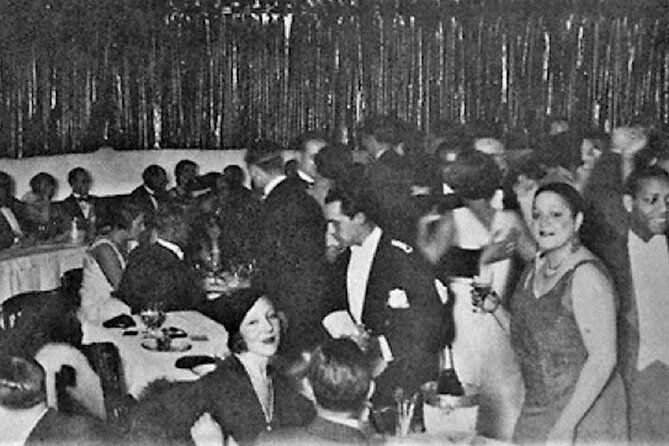
The tour is approximately 2 hours 30 minutes, and the stop times listed for the street segments are short. That’s normal here because the tour includes more than walking. The pacing makes sense: you get a seated introduction with videos/audio, then a compact walk that hits major landmarks connected to the musicians.
In one of the detailed guide responses included in the tour info, the provider mentions the tour covers about 2 km of walking, and most people find that sufficient. It also gives you a useful expectation: you won’t be doing a long slog across town, and you can pair it with other neighborhood plans.
If you’re traveling with a stroller, one review says the route was easy to walk with a stroller—so this is a decent fit for families who want a cultural stop without a grueling walk.
Price and value: how $107.84 can make sense for the time you save
At $107.84 per person for roughly 2.5 hours, this is not a “free stroll” kind of experience. So the question is: do you get your money’s worth?
I think you do, if you care about details that most guidebooks won’t give you:
- You’re paying for guided storytelling that connects specific addresses to named artists and life events (not just vague era talk).
- You’re paying for A/V support—photos, videos, recordings—so you hear the sound and see the context without doing homework at home.
- You’re paying for a tight format that makes a small neighborhood feel like a complete arc: Baker to Armstrong to Zelli’s to the Jazz Ladies to Hunter.
If you’re the type who wants maximum time wandering on your own, a drawback is that some of your time is indoors or seated before the walk. But that’s also why the experience tends to work better: it gives you the mental framework to notice things during the outdoor portion.
One more value point: this is a private tour/activity limited to your group, so you’re not forced into a big crowd dynamic.
Best fit: who will enjoy this most (and who might not)
This tour makes the most sense if you’re interested in:
- Jazz history tied to real Paris addresses
- Black performers and how they shaped French entertainment life
- A guided experience that uses audio/visual media rather than only spoken narration
- A walk that’s short enough to feel doable even with limited energy
It might not satisfy you if you’re expecting a strict “see every original building” route with fully intact venues. The guide’s own emphasis adapts to reality: some clubs are closed or altered, so you’ll rely on the presentation to recreate what you can’t see.
Your booking checklist: what to know before you show up
- Language: English
- Start time: 2:00 pm
- Meeting point: Artemisia Montmartre, 11 Rue Fromentin, 75009 Paris
- End point: Place Pigalle (Pl. Pigalle)
- Mobile ticket: yes
- Food and beverages: not included
- What you’ll get: music, photos, videos during the tour
- Weather: the experience requires good weather
Also, if you have mobility concerns, this is described as a route most travelers can participate in, and service animals are allowed. But the only distance detail given is the roughly 2 km walking expectation, so plan your own comfort level accordingly.
Should you book Harlem in Paris: the Birth of Jazz in France?
Book it if you want Paris jazz history with names, sounds, and street scenes tied to Josephine Baker, Louis Armstrong, Django Reinhardt, Eugene Jacques Bullard, Bricktop, Valaida Snow, and Alberta Hunter. I’d especially recommend it when you want more than surface-level sightseeing and you like learning through visuals and short stops rather than long lectures.
Skip it (or at least think twice) if your main goal is to spend the entire time outdoors, or if you need every venue to be open and intact. This tour is about the people and their imprint, even when the club doors are gone.
If you’re deciding on one neighborhood experience to add to a Paris day, this is a strong choice because it turns a compact walk into a full story arc—without stealing half your day.
FAQ
How long is the Harlem in Paris walking tour?
It runs about 2 hours 30 minutes (approximately).
Where does the tour start and end?
It starts at Artemisia Montmartre, 11 Rue Fromentin, 75009 Paris, and ends at Place Pigalle (Pl. Pigalle, Paris).
Is the tour offered in English?
Yes, the tour is offered in English.
Do I need to pay for tickets at the stops?
The tour information lists admission tickets for the stops as free.
Is food included?
No. Food and beverages are not included.
How much walking should I expect?
Expect a walk covering about 2 km, with several short stops along the way.
What if the weather is bad?
The experience requires good weather. If it’s canceled due to poor weather, you’ll be offered a different date or a full refund.