REVIEW · PARIS
Montmartre/Sacre-Coeur/Paris- Artistic & Bohemian Epicenter
Book on Viator →Bookable on Viator
Montmartre is art with cobblestones.
This 2-hour walk is built around the places where painters, performers, and filmmakers have hovered for generations. You’ll move from the creative square at Place de Tertre up to the Sacré-Cœur viewpoint, with a guide who keeps the story moving and ties it to real street scenes, street art, and everyday local life.
Two things I really like: the small group size (up to 15) means you get more back-and-forth than a big bus-style lecture, and the tour leans into what you can see right now—artists working in front of you and the neighborhood corners used in the French film Amélie. One thing to consider: Sacré-Cœur can draw lines, and because this is an outdoor walking experience, weather (wind, rain) can add to the experience, not just the photos.
In This Review
- Key Highlights Worth Your Time
- Montmartre’s Real Superpower: Art Happens Here
- Price and Value: What $48.37 Buys You (and Why It’s Not Just a Stroll)
- Getting Started at 22 Rue des Abbesses (and Avoiding Early Confusion)
- Sacré-Cœur and the View: The Climb Is Part of the Point
- Rue Lepic: Where Impressionist Footsteps Meet Pop-Culture References
- Place du Tertre: Instant Sketch Energy in a Real Artist Square
- Dalida’s Montmartre Stop: A Star With Egypt Roots
- Le Bateau-Lavoir: The Early-20th-Century Creative Meeting Place
- Place des Abbesses: Art Nouveau Details and Village-Style Street Life
- Windmills of Montmartre: Working-Class Roots Under the Photos
- What You’ll Actually Learn (Beyond Names)
- Practical Tips: Shoes, Weather, and How to Get the Best Photos
- Who Should Book This Montmartre Walking Tour?
- Should You Book? My Take
- FAQ
- FAQ
- Where does the tour start?
- How long is the walk?
- Is it offered in English?
- What size is the group?
- Is there a ticket cost for Sacré-Cœur?
- Does the price include coffee or tea?
- Can I get a full refund if plans change?
Key Highlights Worth Your Time
- Place du Tertre sketches on demand: Watch local artists create instant drawings as you’re there.
- Amélie film locations: You’ll walk past spots tied to the movie, plus other Montmartre references.
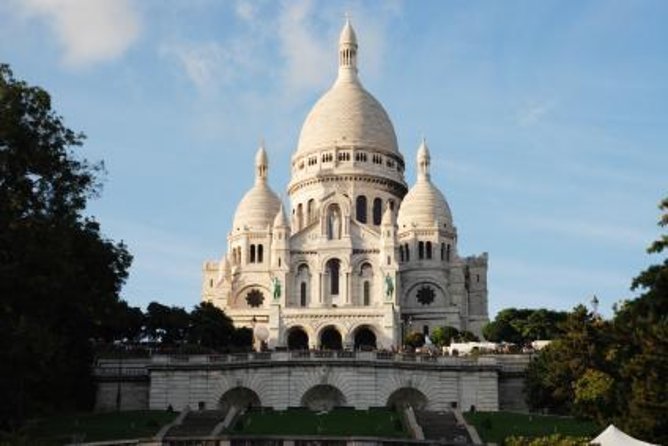
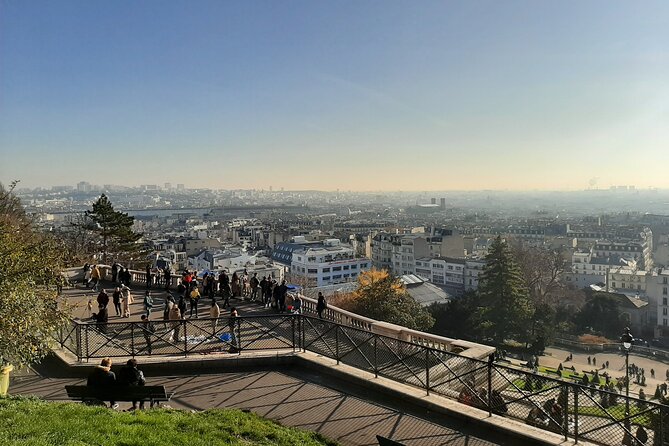
- Sacré-Cœur panorama: The basilica area is paired with the uphill streets and the big city view.
- Dalida’s Montmartre residence: A stop tied to the French/Italian star who was Miss Egypt in the mid-1950s.
- Le Bateau-Lavoir and early-20th-century artists: Picasso connections and the creative meeting-place vibe.
- Rue Lepic and painter footsteps: A route that connects Impressionist-era inspiration to the streets you’re standing on.
Montmartre’s Real Superpower: Art Happens Here
Montmartre has a special kind of credibility. It’s not just a place where art is remembered—it’s a place where art is still made in public. That’s what makes a walking tour like this feel different from museum-only days in Paris.
This route mixes three things you’ll actually notice while walking:
First, the street-level art scenes (including artists working right in the open). Second, famous names tied to Montmartre’s creative past. Third, the neighborhood’s everyday details—shops, street views, and the slow climb through older streets.
And because the group is limited to 15 people, the guide can adjust the pace. In practice, that means you’ll have time to ask questions and get answers without the guide feeling rushed.
Price and Value: What $48.37 Buys You (and Why It’s Not Just a Stroll)
At about $48.37 per person for around 2 hours, you’re paying for a focused route and a local guide who knows how to connect the dots between buildings, art, and stories. The value is strongest if you want more than a checklist.
A few details make the pricing feel more reasonable:
- The tour covers multiple major Montmartre stops in a logical sequence, rather than you bouncing around on your own.
- It includes a local Paris guide who lives in (and loves) the neighborhood.
- Some stops are designed to be low-friction because the Sacré-Cœur admission ticket is listed as free for the stop.
Also, you’re not locked into a long day. Two hours is short enough to fit neatly between other Paris plans—yet long enough to get a real sense of the hill, the squares, and the creative streets.
One small note: coffee or tea is not included, so if you like a warm drink break, you’ll want to plan your own stop nearby.
Getting Started at 22 Rue des Abbesses (and Avoiding Early Confusion)
The meeting point is 22 Rue des Abbesses, 75018 Paris. It’s a smart place to start because Place des Abbesses sits right where the neighborhood feels like a village inside the city.
If you’re the type who hates stress, do this: arrive a little early and make sure you’re at the exact address. One issue that can happen at the start is simply finding the guide when you’re joining a small group in a lively area. A few minutes of patience here saves time later.
You’ll also end near the Sacré-Cœur area at 35 Rue du Chevalier de la Barre, 75018. That matters because you’re building in time to finish close to where you’ll likely want photos.
Sacré-Cœur and the View: The Climb Is Part of the Point
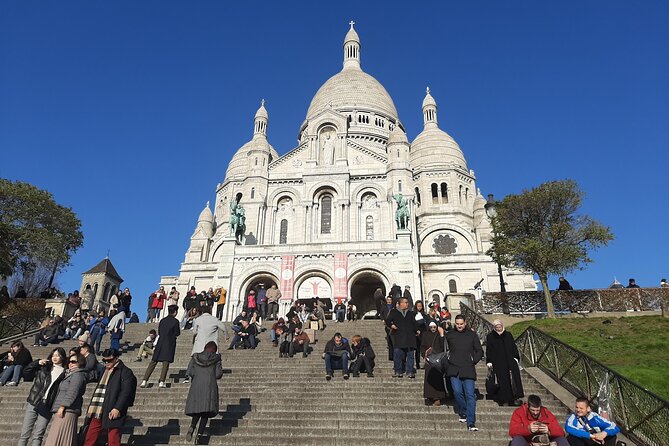
The tour begins with the Basilique du Sacré-Cœur de Montmartre area and focuses on more than the postcard. You’ll get architecture and story details, plus time walking the calmer, older streets as the climb shifts the feel of the neighborhood.
What I’d expect you to enjoy most here is the pacing: you’re not dropped onto a single viewpoint and told to look around. Instead, the route builds toward the basilica and the panorama. That makes the view feel earned.
Also, because Sacré-Cœur is a magnet for visitors, be realistic about timing. There can be a queue to enter. Even if you hit waiting time, the exterior area and the neighborhood views still give you plenty to work with—just don’t assume everything will be perfectly frictionless.
Bring comfortable walking shoes. The route includes uphill cobbled streets, and your feet will appreciate the early decision.
Rue Lepic: Where Impressionist Footsteps Meet Pop-Culture References
Next comes Rue Lepic, and this is where the tour’s storytelling style becomes obvious. The guide connects the street to artists who were inspired by local scenes—then ties it to film locations tied to Amélie.
What makes this stop satisfying is that it blends two kinds of curiosity:
- the art-historical side (who looked at Montmartre and what they saw)
- the modern pop-culture side (places you recognize from the movie)
So even if you’re not a serious art student, you’ll still have that fun moment of thinking, I know this angle. And even if you are an art nerd, you’ll enjoy how the guide keeps it tied to the actual street.
Place du Tertre: Instant Sketch Energy in a Real Artist Square
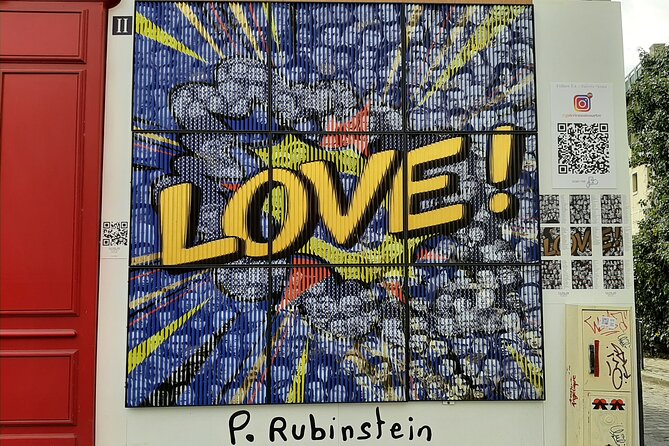
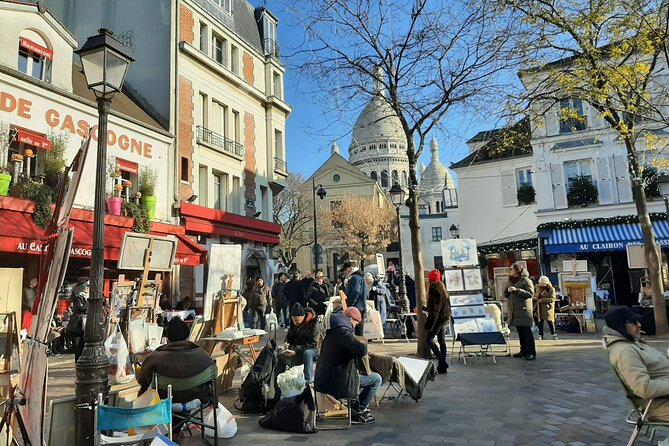
Place du Tertre is one of the most recognizable Montmartre squares, and this tour doesn’t just point it out. It gives you time there, specifically for the main attraction: local artists at work.
You can watch an artist create a sketch on demand while you’re standing right in the middle of it. That’s the kind of souvenir that feels more like an experience than a transaction, because you’re watching the process—not just buying an object and walking away.
A practical tip: if you think you might want a sketch, don’t wait until the last second. Artists work at their own pace, and if you’re torn between sizes or styles, time helps.
Dalida’s Montmartre Stop: A Star With Egypt Roots
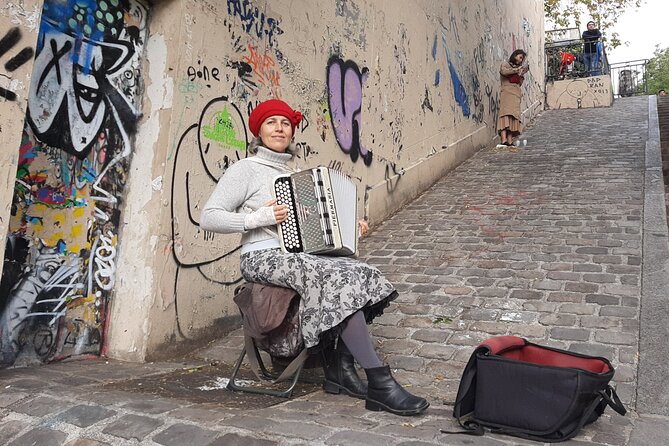
The tour then moves to La Maison de Dalida. It’s brief, but it’s the kind of detour that makes Montmartre feel layered. Dalida is described here as a French/Italian star born in Egypt, with Miss Egypt status in the mid-1950s.
This stop helps you understand why Montmartre’s creative history isn’t only painters and poets. It’s also performers—people who turned the neighborhood’s artistic mood into a brand.
Le Bateau-Lavoir: The Early-20th-Century Creative Meeting Place
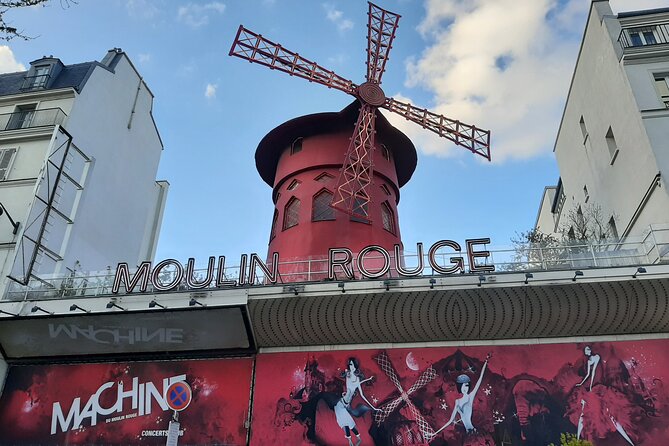
Le Bateau-Lavoir is a key stop because it turns Montmartre’s artistic reputation into something you can picture. This area is described as a popular meeting place for famous early-20th-century artists.
The guide also connects the dots to Picasso—specifically noting that Picasso first came to Paris in 1900 and fell in love with the city and its vibes. You’ll also pass by Picasso’s studio in Montmartre.
This stop works best if you like the feeling of stepping into a timeline. You’re not just hearing big names. You’re standing in a neighborhood that helped generate the kind of art where bold ideas mattered.
Place des Abbesses: Art Nouveau Details and Village-Style Street Life
The meeting point includes Place des Abbesses, and the tour treats it like more than a landmark. The area is described as having Art Nouveau attractions and a strong sense of village life.
Even if you only get a short moment here during the flow, it sets the tone for the rest of the day. Montmartre isn’t only about famous squares; it’s about the character of the streets around them.
Windmills of Montmartre: Working-Class Roots Under the Photos
The last part of the walk points you toward the windmills of Montmartre. The tour notes that the first windmill dates back to the 17th century, and that Montmartre was once a working-class village north of Paris.
This is a good moment to shift your mental lens. The hill is now famous for art and nightlife, but it used to be more grounded in everyday work. That contrast makes the area feel more honest—and it helps you look at the scenery without assuming it was always glamorous.
What You’ll Actually Learn (Beyond Names)
The guides on this tour seem to have a clear teaching style: enough context to make the sights meaningful, without turning the walk into a slog.
From what you’re likely to experience in the group, you’ll get:
- quick, usable context for why places matter
- explanations tied directly to what you’re seeing at street level
- time for conversation, especially because the group stays small
Also, there’s evidence that guides customize the walk when possible. For example, one group experience included extra composer stories such as Satie when the group had an emerging opera singer. That’s a sign this isn’t a one-size script.
Practical Tips: Shoes, Weather, and How to Get the Best Photos
Shoes: Wear something you trust on cobblestones and uphill sections. If your footwear grips poorly, you’ll feel it by the halfway point.
Weather: This is an outdoor walking experience, and wind and storms are a real possibility in Paris. Bring a light rain layer if the forecast looks iffy.
Bring cash for sketches if you want one: Since coffee isn’t included and artists at Place du Tertre are offering on-demand work, you’ll want flexibility.
Time your expectations for Sacré-Cœur: If there’s a line, you’ll still get the neighborhood feel. Just don’t plan a tight schedule right after.
Who Should Book This Montmartre Walking Tour?
This is a strong fit if you:
- want a short, focused Montmartre experience (about 2 hours)
- prefer small-group guiding over big crowds and loud headsets
- care about art connections, from early-20th-century names to film Amélie
- like walking routes that include viewpoints, squares, and street-level creative scenes
It’s also a decent choice if you’re doing a first-time Paris visit and want a neighborhood that feels different from the big monuments.
If you only want museum interiors or you dislike hills and walking, you might find the uphill sections less fun.
Should You Book? My Take
Yes—this one is worth booking if you want Montmartre to feel alive, not staged. The big selling point is the mix of artists at work, major Montmartre landmarks like Sacré-Cœur and Place du Tertre, and the extra connections (Amélie, Dalida, Picasso) that turn sightseeing into story.
I’d book it sooner rather than later, too. With a maximum of 15 people and an average booking window of about 29 days in advance, it’s clear this is one of those experiences that sells out when people plan ahead.
FAQ
FAQ
Where does the tour start?
It starts at 22 Rue des Abbesses, 75018 Paris, France.
How long is the walk?
The tour lasts about 2 hours.
Is it offered in English?
Yes, it is offered in English.
What size is the group?
The tour has a maximum of 15 travelers, so you’ll get a more personal pace than large group tours.
Is there a ticket cost for Sacré-Cœur?
The stop at Sacré-Cœur is listed as admission ticket free.
Does the price include coffee or tea?
No. Coffee and/or tea are not included.
Can I get a full refund if plans change?
Yes. Free cancellation is available up to 24 hours before the experience starts for a full refund.