REVIEW · WALKING TOURS
Paris 1920: Lost Generation Writers of the Left Bank (Small Group Walking Tour)
Book on Viator →Operated by Visit the Hidden Paris · Bookable on Viator
Want Paris with footnotes? This small-group Left Bank walk tracks the Lost Generation writers as Paris shifts from post–World War I shock into the roaring 1920s. I love how the tour stays personal (max 8 people) and how Ellen uses a tablet with photos and video so the authors don’t feel like dusty names. One watch-out: you mostly see exteriors and short stop-ins, so if you want one writer treated like a thesis chapter, this isn’t that kind of tour.
The rhythm is relaxed and very “street-level.” You begin with a quick intro over coffee, then you’re walking between key neighborhoods and bookish hangouts, ending in Montparnasse with time to talk about the writers’ lives—over a drink you’ll likely want to purchase on your own.
Ellen is the kind of guide who can connect places to stories fast, with enough humor to keep it from turning into a lecture. And yes, there’s even a dachshund named Axel—so if you’re lucky, you might get a moment with her while you wait for the group to gather.
In This Review
- Key highlights you will feel right away
- First steps at Place de la Contrescarpe: coffee and the post-WWI setup
- Hemingway’s early Paris in Rue Mouffetard
- Odeon and Shakespeare & Company: where Ulysses found a home
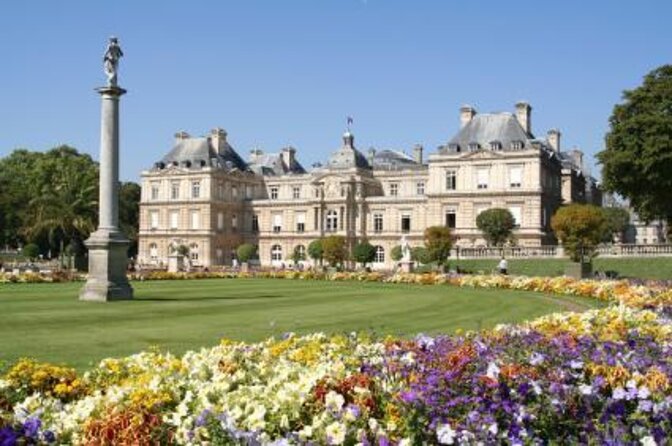
- Rue Servandoni and the Luxembourg Gardens orbit
- Montparnasse cafés: where the 1920s turned into a party story
- Why the tablet storytelling makes a difference
- Timing, walking style, and what to wear
- Price and value: what you’re paying for at about $120
- Who will love this most (and who might want to skip)
- Should you book Paris 1920 Lost Generation Writers on the Left Bank?
- FAQ
- FAQ
- How long is the Lost Generation walking tour?
- What size is the group?
- Is the tour in English?
- Where does the tour start and where does it end?
- Do I need to buy tickets for the stops?
- Are food and drinks included?
- Is free cancellation available?
- Is the tour accessible for people who need to bring a service animal?
Key highlights you will feel right away
- Small group (up to 8) means more real Q&A, not just listening from a distance
- Tablet visuals (photo/video plus short excerpts) make famous scenes easier to picture
- Left Bank focus ties Hemingway, Joyce, Stein, and friends to specific neighborhoods
- Bookshop history in the mix at the original Shakespeare & Company
- Montparnasse ending where the nightlife stories land with the best context
First steps at Place de la Contrescarpe: coffee and the post-WWI setup
The tour kicks off around Place de la Contrescarpe, in a café setting that helps you get oriented quickly. You start with a short introduction to the Lost Generation authors and their involvement with World War I, which matters because it changes how you read the 1920s on the streets. These writers weren’t just “style icons.” Many were shaped by the war’s aftermath—by what it broke, and by what it pushed them to question.
You’re asked to enjoy a cup of coffee while Ellen begins the story. Coffee isn’t included, so plan on buying your own. The good part is that you get to settle in before you start walking, and you don’t feel like you’re sprinting to the next photo moment.
A practical tip: if you’re picky about where you sit, arrive a few minutes early. This start is meant to get conversations going, and being comfortable helps you catch the details Ellen points out right away.
Hemingway’s early Paris in Rue Mouffetard
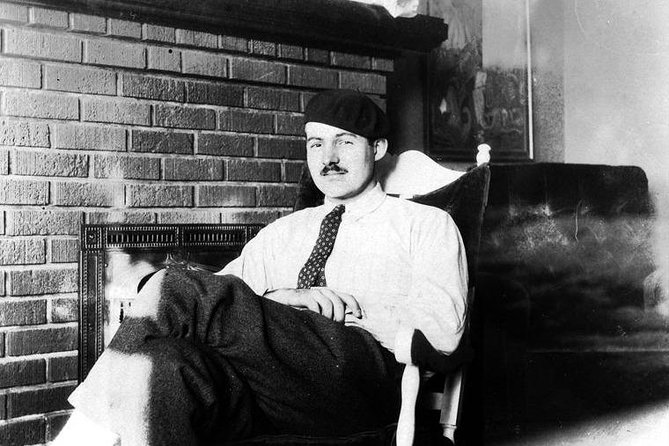
One of the tour’s best strengths is how it anchors big names to actual streets. In Rue Mouffetard, Ellen brings Ernest Hemingway into focus by pointing out the first flat where he lived in Paris. This is the kind of stop that clicks for you even if you didn’t grow up reading Hemingway. It’s not just, here’s the address. Ellen gives you early-year context—how an American writer found footing on the Left Bank and why those first neighborhoods mattered.
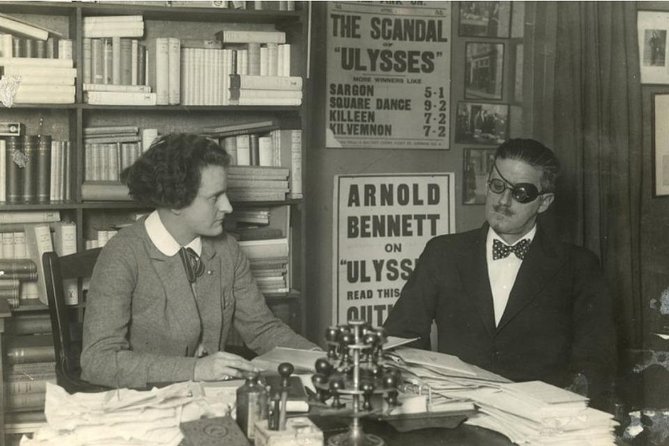
Then the area also ties into James Joyce’s work. Ellen discusses the place where Joyce finished his masterpiece Ulysses and the opposition he faced around it. That pairing—Hemingway’s early settling-in versus Joyce’s “this will offend people” moment—shows two different ways writers challenged culture while living near each other.
Time here is short, so don’t expect a long stop-and-go chat at every corner. But the upside is that you get a concentrated hit of story, and then you move on while the details are still fresh.
Odeon and Shakespeare & Company: where Ulysses found a home
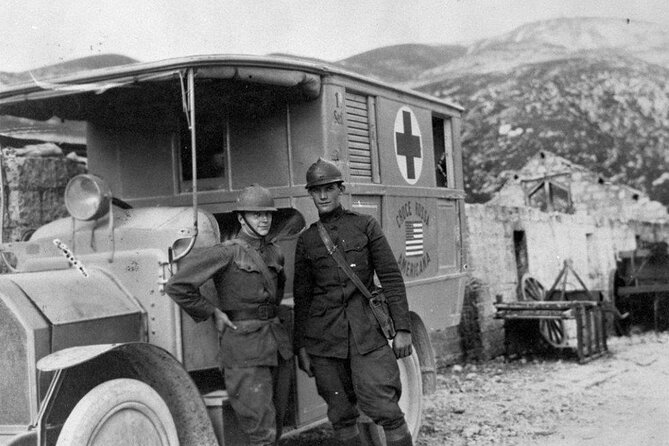
From there, the tour shifts into pure literary Paris at Odeon, where you visit the original location of Shakespeare & Company. This stop lands especially well because it’s about more than a bookstore façade. Ellen connects the shop to its role as a second home for Lost Generation writers—Hemingway, Pound, Stein, and, most importantly, Joyce.
A key name you’ll hear here is Sylvia Beach, the bookseller/publisher tied to the publication story of Ulysses. Even if you think you know Ulysses already, the way the tour frames the bookstore’s role helps you understand why the Left Bank became a magnet for writing. It wasn’t just cafes. It was print, publishing, risk-taking, and community.
This is also one of the stops where Ellen’s tablet helps a lot. You’ll see photos and video documentation that make the shop feel less like a landmark and more like a scene you could walk into.
Rue Servandoni and the Luxembourg Gardens orbit
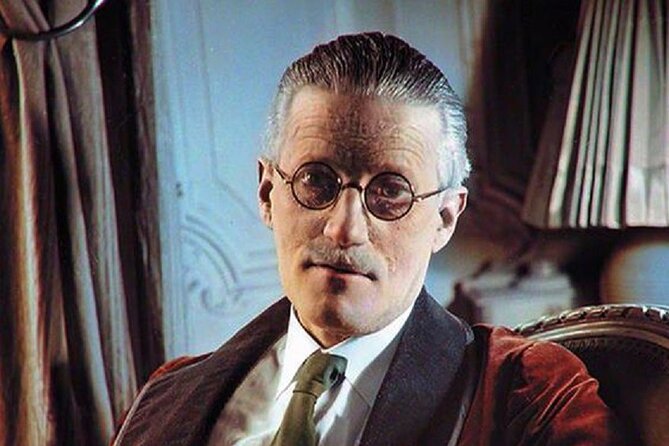
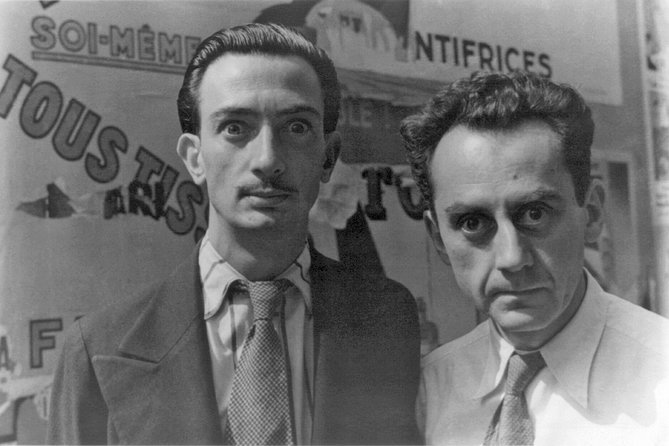
Next comes Rue Servandoni, in the area around Luxembourg Gardens. This part of the walk is designed to show you the “author circuit” that formed near greenery, libraries-by-proximity, and the daily life of the city. Ellen points out homes of Lost Generation writers around this area, including Man Ray, William Faulkner, and Hemingway again.
One of the strongest reasons this stop is worth it: it shows you how creative life clusters. These writers weren’t living in separate movie sets. The tour treats the Left Bank like a network—people crossing paths, absorbing each other’s ideas, and competing for attention in the same cultural ecosystem.
Ellen also recites Ezra Pound’s A Girl in the course of this walking stretch. It’s brief, but it’s memorable because it turns a street corner into a moment you can picture while you’re moving. That’s a big advantage of this tour’s format: you aren’t stuck listening indoors; the words ride along with the streets.
The stop itself is longer than some others, giving you a chance to ask questions and reset before the final push toward Montparnasse.
Montparnasse cafés: where the 1920s turned into a party story
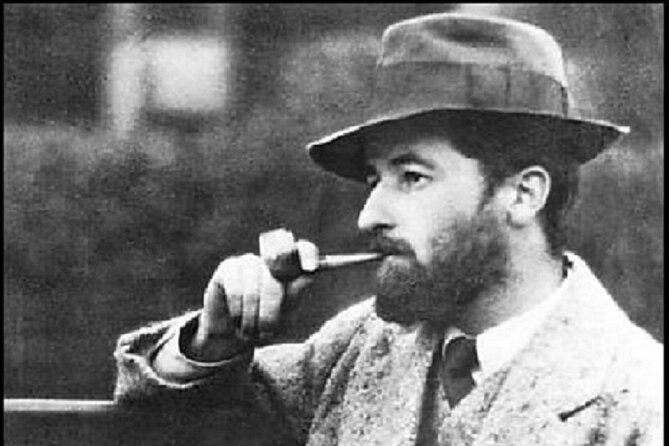
The tour ends in Montparnasse at one of the area’s famous cafés—often Le Select, La Rotonde, or Le Dome. Depending on the group, the ending may also be Harry’s NY Bar near the Opera. Either way, the goal is the same: bring the stories to a place where the Lost Generation writers gathered to socialize and celebrate in the 1920s.
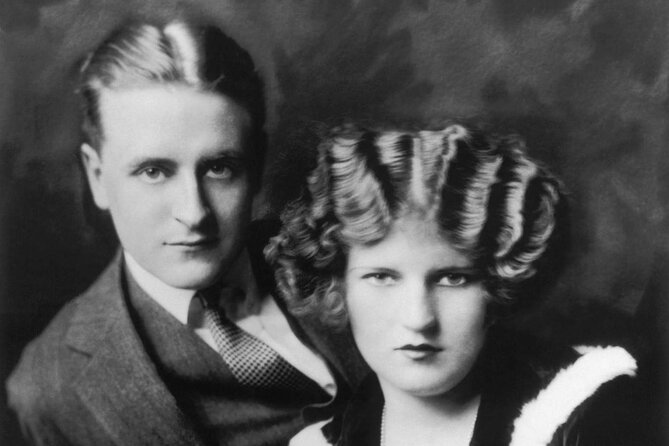
This is where the discussion gets more emotional and more complicated. Ellen talks about the Fitzgeralds and their tragic end, and she addresses Ezra Pound’s outstanding talent alongside his political views. She also covers the controversial side of Gertrude Stein, and the way the tour handles Stein is part of why many people rate this tour so highly. It doesn’t treat Stein as a simple hero or villain. It frames the debate as part of what made the literary scene so intense.
One smart thing Ellen does here is adjust focus depending on the group’s interests. If your group prefers lesser-known writers, you might get a different ending emphasis than someone who comes in only chasing the headlines.
And yes—you’re invited to enjoy a drink at the end. Drinks aren’t included, so consider this your optional literary toast, not a free meal ticket.
Why the tablet storytelling makes a difference

A lot of walking tours lean on “look at that building” and a long paragraph from the guide. This one uses a tablet presentation to mix in photos, video documentation, and short excerpts from works. That matters because the writers’ world can feel far away if you don’t know the pages they were working on.
The tablet also helps the tour keep its pace without feeling like it’s rushing. When you stop at an exterior, Ellen can quickly show an image that matches what she’s explaining, then offer an excerpt so you can link the author’s writing to the author’s surroundings.
From the reviews, you can also tell the presentation has personality. People mention humor, the guide’s sense of context, and a sense that the tablet isn’t just decoration—it’s part of how the story is taught. You’re also given time to ask questions, which is a big deal in a topic like this, because everyone’s “favorite writer” often comes with strong opinions.
Timing, walking style, and what to wear
This is about a three-hour walking tour, starting at 2:00 pm. It’s built with several short stops—some around 10 minutes, some around 15, and a couple closer to 30—so you get movement plus frequent story beats. It’s not a stop-every-10-feet scavenger hunt, but it also isn’t a long march with one speech at the start.
The physical level is described as moderate. That usually translates to: comfortable shoes, a steady pace, and some standing time at corners and façades. You should plan to walk in a way that won’t punish your feet.
The “food and beverage not included” note is important. Coffee is expected at the start, and a drink is invited at the end, but you’ll be the one paying those café tabs. If you’re the type who likes to stay fueled, bring a snack plan for yourself—especially on warmer afternoons.
Also, the tour is near public transportation, so if you need to take a quick break or adjust around your day, you’re not trapped in the middle of nowhere.
Price and value: what you’re paying for at about $120
At about $120.14 per person for roughly three hours, the price isn’t “cheap,” but it also isn’t paying-for-nothing. Here’s what you’re getting for that money:
- A local guide with a strong focus on Left Bank literary links
- A small group size (max 8), which supports more questions and a smoother conversation
- A tablet presentation with photo/video and reading excerpts, which adds real learning value without needing museum entry fees
- Multiple targeted locations tied to specific writers and moments, instead of one broad “literary walk”
What you should not expect is that the tour covers transport or includes food and drinks. Transportation to and from the meeting point is on you, and café items are optional purchases.
So I’d frame this as a “pay for guidance and interpretation” tour, not a “pay for access” tour. If you want someone to connect places to stories clearly and quickly, the cost can make sense. If you’re hoping for lots of museum interiors or heavy time inside each author’s world, you may feel the time is spread across many names.
Who will love this most (and who might want to skip)
You’ll likely enjoy this if you’re:
- A literature fan who wants the Left Bank tied to specific writers and moments
- Traveling with a friend or book group and you want a shared storyline
- Interested in how writers found communities—publishers, bookstores, and cafés—not just writers’ retreats
You might feel less satisfied if you:
- Only care about one author and want hours of depth
- Prefer fully indoors tours with lots of seated time
- Expect a museum-style route with paid entries and interior exhibits
The tour seems built for curiosity more than for hardcore specialization. Ellen covers many authors, and even with strong detail, it’s still a three-hour walking format.
Should you book Paris 1920 Lost Generation Writers on the Left Bank?
If your goal is to see real Left Bank places linked to Hemingway, Joyce, and the writers around them—while learning the social story behind the 1920s—then yes, this is a smart booking. The small group size and tablet-based storytelling are the big reasons: you’re not just reading plaques, and you’re not getting stuck with only generic facts.
I’d especially recommend it if you like walking tours that also feel like a guided conversation. The café start and café finish help the pacing, and the end in Montparnasse turns the whole thing into a proper sense of time and place.
If you want deep, book-by-book analysis of just a couple of writers, you might pair this with a separate longer literary-focused stop elsewhere in Paris. But as a compact way to get your bearings in Paris’s Lost Generation world, this one holds up well.
FAQ
FAQ
How long is the Lost Generation walking tour?
It runs for about 3 hours.
What size is the group?
The tour has a maximum of 8 travelers.
Is the tour in English?
Yes, it’s offered in English.
Where does the tour start and where does it end?
It starts at 57 Rue Lacépède, 75005 Paris, France. It ends at Le Select (99 Bd du Montparnasse, 75006 Paris) or possibly Harry’s NY Bar near the Opera, depending on the ending option.
Do I need to buy tickets for the stops?
Admission tickets are not included. Some stops are listed as free, and the tour includes guided viewing/explanation rather than paid museum entry.
Are food and drinks included?
No. Coffee at the start and a drink at the end are mentioned as part of the experience flow, but food and beverage are not included.
Is free cancellation available?
Yes, free cancellation is available up to 24 hours in advance for a full refund. If it’s canceled because a minimum number of travelers isn’t met, you’ll be offered another date/experience or a full refund.
Is the tour accessible for people who need to bring a service animal?
Service animals are allowed.