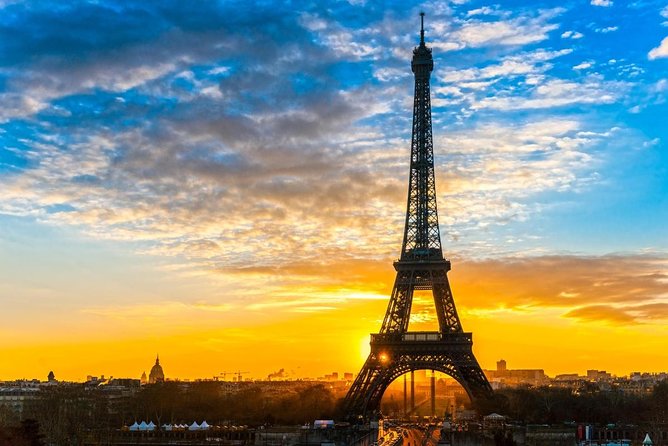
That steel lattice has a pull all its own. This Eiffel Tower Summit experience pairs a pre-booked timed entry with a live English intro so you get context while you’re heading to the elevators. You also ride up by elevator to the summit, which is the main event.
I especially like two things: the small-group size (max 20) and the fact that your ticket is already slotted to reduce the main bottleneck. The possible drawback is that you still must go through security, and summit access can be limited on bad-weather or elevator-operations days—so plan for the real Eiffel Tower mood swings.
In This Review
- Key things to know before you go
- Eiffel Tower Summit Access: What You’re Really Buying
- Meeting at 41 Av. de la Bourdonnais: The Office Is Not the Eiffel Tower
- The Timed Ticket Advantage: What It Helps With (and What It Doesn’t)
- The 90-Minute Flow: From Elevators to the Summit Views
- Weather and Operations: Why the Summit Can Be the Only Part You Get
- Live English Commentary: Helpful Context, Not a Lecture
- What to Pack (and What to Leave Behind)
- Small Group Size: Less Chaos, More Control
- Price and Value: Is $84.03 a Smart Move?
- Who This Tour Is Best For
- Should You Book This Eiffel Tower Summit Tour?
- FAQ
- How long is the Eiffel Tower Summit Access tour?
- What language is the tour commentary in?
- What does the pre-booked timed ticket include?
- Where do I meet the guide?
- Can I arrive late and still join the group?
- Are luggage and prohibited items allowed?
- Is the tour suitable for people with walking disabilities?
Key things to know before you go
- Timed entry is reserved for a specific time slot, and it can’t be changed or swapped.
- Your timed access starts at the 2nd floor by elevator, then you continue to the summit.
- You get a live English intro commentary, often helpful during the pre-elevator wait.
- The meeting point is an office near the Tower, not the Tower gates themselves.
- Latecomers don’t get in, so buffer time matters more than you think.
- Luggage can’t be kept at the office; arriving with luggage can mean denied entry.
Eiffel Tower Summit Access: What You’re Really Buying
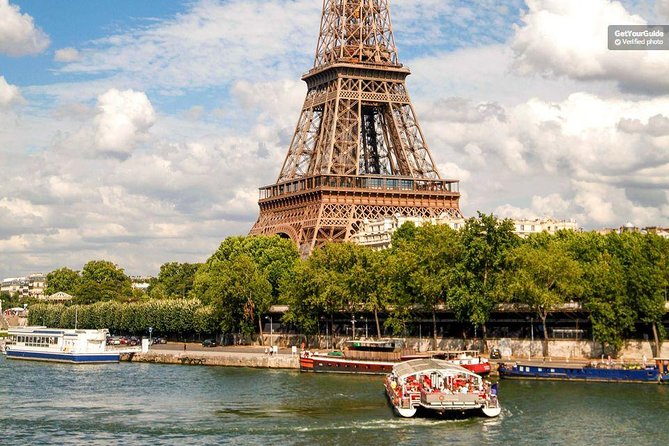
You’re buying three core things: a pre-booked timed ticket, a live guide intro, and elevator access up to the Eiffel Tower summit level. The “summit” part matters because it’s the level most people picture in their head. The elevator part matters because it removes a lot of the guesswork and stamina math.
The guided portion is designed to add meaning while you’re moving toward the Tower. Names of guides you may encounter include Emmanuel, Maud, Louise, Ekkaete/Ekaette, and Marcela. The style varies by guide, but the common theme is that you’ll hear the story behind what you’re seeing before the main ascent.
One small note that can surprise people: the guide is most focused on getting your group set up for the elevator flow. That means you may not get a long, museum-style narration once you reach the summit. Some people love this pace. Others want more talking time, so set your expectations accordingly.
Meeting at 41 Av. de la Bourdonnais: The Office Is Not the Eiffel Tower
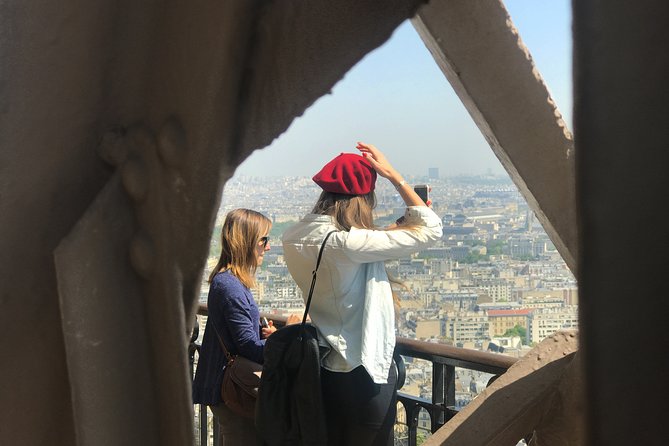
Your tour meets at 41 Av. de la Bourdonnais, 75007 Paris. This is a travel office location; the meeting point is not at the Eiffel Tower entrance. That detail is the difference between a smooth start and a frantic sprint.
Arrive 15 minutes early. Tickets are timed. If you miss your slot, entry isn’t granted and there’s no refund. That’s not meant to be mean—it’s how the Tower manages crowd control. With something this famous, being a few minutes late can put you out of the system.
The office is near public transportation, and it’s a short walk to the Tower area. If you show up early, you may find there’s a place to sit while you wait for your group to be called. One traveler even highlighted how helpful staff were at the office when it came to finding the right spot.
Also note the age pricing: adult pricing applies to everyone ages 0–99. So you won’t find a child discount hiding in the fine print.
The Timed Ticket Advantage: What It Helps With (and What It Doesn’t)
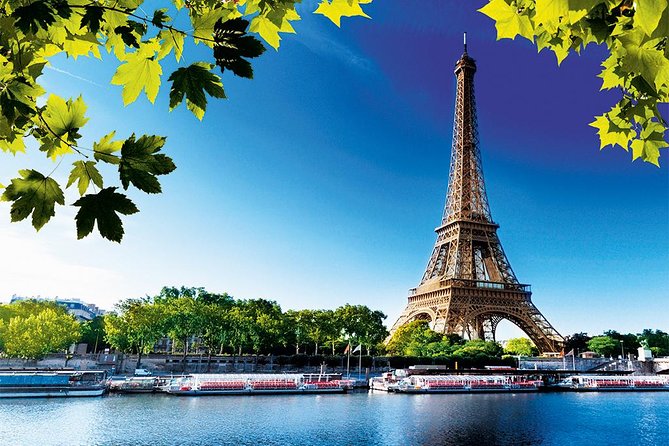
Here’s the honest value angle. A timed ticket helps most with the biggest time-sink: getting organized access so you’re not stuck drifting in the general crowd line. In your case, the reserved entry is for the 2nd floor by elevator. From there, you continue on with standard access to the summit by elevator.
But it does not eliminate everything. You will still run into security screening. And depending on conditions, you can also hit elevator queue lines. Think of it as buying better positioning, not buying a magical skip of all lines.
The best-case outcome is simple: you spend less time waiting and more time enjoying the Tower. One traveler said the “skip the line” part saved enough time to do other activities that evening. Another described it as the easiest way to handle the Tower that day.
The not-so-great outcome usually happens when operations change. Weather and elevator staffing can affect flow, and a strict timed entry system can’t fully absorb disruptions. So yes, this tour is a strong tool for efficiency, but you still need to be flexible.
The 90-Minute Flow: From Elevators to the Summit Views
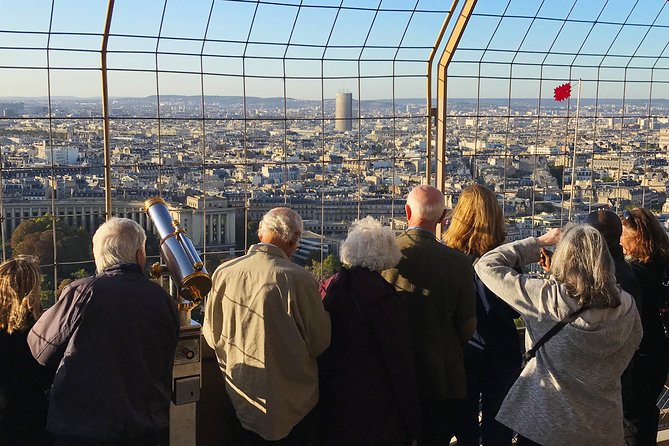
Your experience is about 1 hour 30 minutes. That’s the typical total window from meeting time to the end of the guided portion. In practice, your time is split between walking, security/holding, and the elevator rides plus the summit viewing window.
Stop 1 is the Eiffel Tower itself, and the tour centers on the elevator ascent. You begin with your pre-booked slot that allows entry through the Tower process toward the 2nd floor elevator access. From there, the summit happens via elevator as well, with standard access granted for your ticket type.
Where does the guide fit in? Often right where it counts: explaining what you’re about to do, setting expectations for what you’ll see, and sometimes pointing out photo timing. Several travelers mentioned that their guide used the wait time to add history and key facts, so you’re not standing around with nothing but your phone camera.
What can be disappointing is when the guide’s narration feels shorter than you hoped or when the group pacing doesn’t match mobility needs. One traveler noted they needed accommodations for slow walking and the pace didn’t work for everyone. Another noted an accent and volume issue that made it harder to catch every word, especially without a microphone.
So if you’re sensitive to pacing or hearing clarity, it’s smart to mentally prepare that this is an “intro + logistics” style tour, not a full guided walkthrough of every platform.
Weather and Operations: Why the Summit Can Be the Only Part You Get
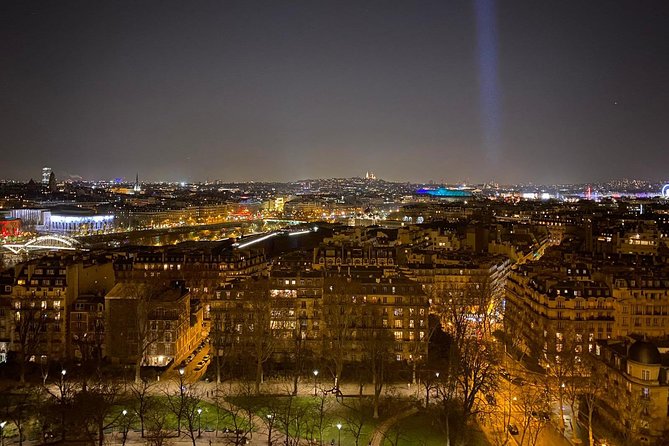
This is the tricky reality with the Eiffel Tower. When wind is strong, cold is intense, or elevator operations get limited, your plan can shift. Some people arrive expecting the full summit experience and end up with less access than hoped because the Tower closed areas or restricted movement upward.
For example, one traveler described extreme wind and cold, and their tour only reached partway rather than completing the full ascent. Another was disappointed because the top area closed on their visit day due to elevator-related issues. A separate note mentioned a long waiting period due to an elevator situation between levels.
None of this is the tour operator’s fault in the moment—it’s the Tower running safety and crowd control. Still, it matters for value. You’re paying specifically for summit access, so you should expect that weather can be a factor.
My practical advice: aim for a time when conditions are most likely to cooperate (often earlier evenings are a good balance). And pack for the possibility you’ll be exposed on open platforms.
Live English Commentary: Helpful Context, Not a Lecture
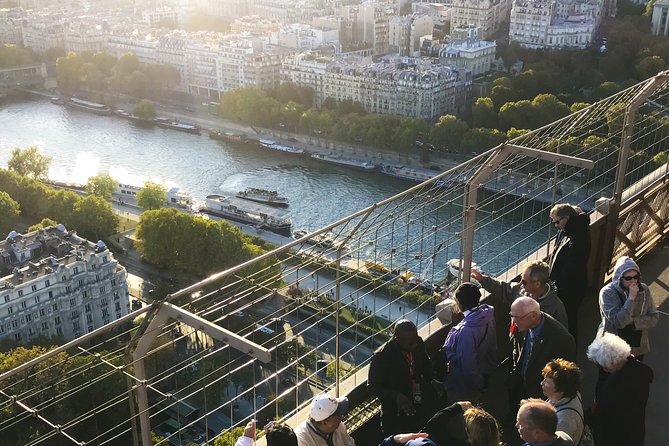
The “live introductory commentary” is one of the most appealing parts of this ticket type. You’re not just chasing elevators; you’re hearing why the Eiffel Tower looks the way it does, and what to notice during your climb and view time.
Guides like Emmanuel and Maud were praised for being engaging and for explaining history in an understandable way. Others, like Louise and Marcela, were singled out for covering what mattered without turning it into a lecture. Ekaette/Ekkaete was highlighted for making the wait for elevators more meaningful and for helping with photo spots.
At the same time, the commentary isn’t guaranteed to match every preference. A few negative comments flagged that the talk was brief, that hearing it was difficult, or that some information felt scripted and not very interactive. That usually comes down to guide communication style and the day’s crowd management.
My take: treat the guide as bonus context. If you want an in-depth, deep-dive history lesson, you’ll likely need to read or watch a separate guide resource too. But for a 90-minute ticket-driven experience, the intro component is a real plus.
What to Pack (and What to Leave Behind)
This is where you can save yourself a headache. The Tower security rules are strict. Your tour info includes key “don’ts,” and you should treat them as non-negotiable.
Important items that are not allowed include:
- Drinks and knives (security may ask you to dispose of them)
- Oversized luggage or bags
- Climbing or jumping gear (including bungee jumping and parachutes)
- Publicity materials of any kind
- Non-foldable strollers or child buggies
- Animals, except those required by disabled visitors
- Glass bottles and drink cans
- Excessive food or drink
One more big logistics point: luggage can’t be kept at the office. If you arrive with luggage and you get denied entry, the situation can end with a refund that won’t happen. That’s the kind of rule that turns a trip into a stressful mess. So travel light.
Also remember: latecomers are not granted entry at all, and tickets can’t be modified, exchanged, or refunded. This is one of those tours where being organized isn’t “nice.” It’s the whole game.
Small Group Size: Less Chaos, More Control
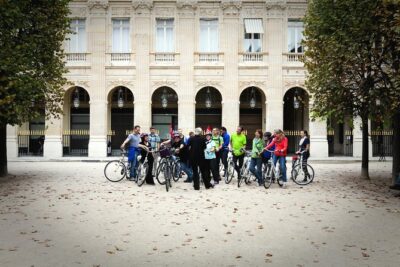
This tour runs with a maximum of 20 travelers. That’s a sweet spot. Big enough to feel social, small enough that you can actually hear the guide and move without getting swallowed by the crowd.
The “small group” factor shows up in how smoothly people describe the experience. Several praised how easy it was to find the office, how the walk to the entrance felt managed, and how the guide kept the flow moving. When operations are busy, small groups tend to adapt better.
Still, if your group includes mobility challenges, this may not be the best fit. The tour is not recommended for persons with walking disabilities. That aligns with the reality of elevators, crowds, and strict timing.
If you need flexibility, you might find it’s safer to buy tickets directly and choose a time that gives you more independence. But if you’re okay with the pace and want the guided intro, this format can work very well.
Price and Value: Is $84.03 a Smart Move?
At $84.03 per person, you’re paying for several things at once:
- A timed summit-access structure
- Tour staffing and guide time
- Handling of your entry sequence through the Tower’s system
- Elevator access coverage consistent with the summit ticket type
The big value question is whether it saves enough time to be worth it. For many people, the answer is yes—especially on peak days when security and elevator queues can eat hours. One traveler felt the “skip” part saved major time to do other Paris activities.
On the other hand, a couple of people felt it wasn’t worth the price because they still encountered security lines and long elevator waits. That’s the risk side of buying “time savings” rather than buying “no lines.” This tour can improve your chances, but it can’t control crowd levels and Tower operations.
So I’d price this as: if you want a guided, structured route to the top with summit access, it’s a reasonable spend for peace of mind. If you’re traveling with very flexible time and you like DIY, you could compare options and decide based on the day’s conditions.
Who This Tour Is Best For
This is a strong fit if you:
- Want summit access and don’t want to spend your morning wrestling tickets
- Appreciate a short, practical guide intro rather than a long narrative
- Can arrive 15 minutes early and follow timing rules
- Are fine with elevators and standard crowd flow
It’s not ideal if you:
- Have walking limitations and need extra slack
- Carry large bags or any luggage you can’t store (the Tower won’t be flexible)
- Are easily frustrated by weather-related restrictions
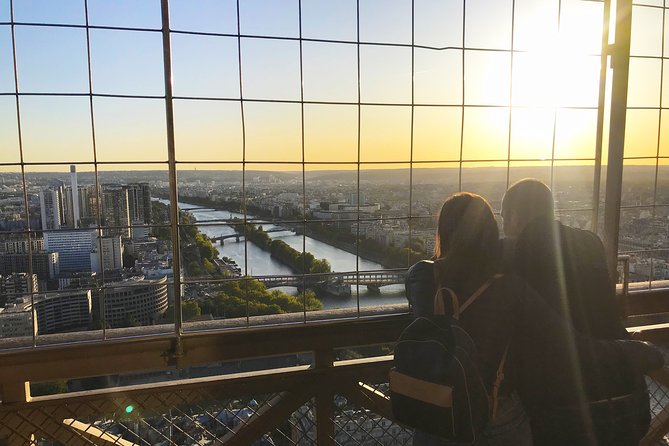
If you’re going in the evening, you might find the view experience especially rewarding when conditions cooperate. Several travelers called out the magic of the Tower sparkle at night and the beauty of sunset timing, though weather can still affect access.
Should You Book This Eiffel Tower Summit Tour?
Book it if you want a guided, timed plan that takes you to the summit with elevator access and a live English intro. The small group size and the organized entry flow are real advantages, and the guide layer can make the wait more productive.
Think twice if you’re relying on perfect weather, if you’re carrying luggage, or if you need a slower, more flexible pace. The Eiffel Tower can be strict, and the tour is strict back. That’s not a flaw—it’s the deal with summit tickets.
If you’re the type who likes clear instructions, arrives early, and wants the summit without stress, this is one of the more sensible ways to do it.
FAQ
How long is the Eiffel Tower Summit Access tour?
It’s approximately 1 hour 30 minutes.
What language is the tour commentary in?
The experience is offered in English.
What does the pre-booked timed ticket include?
Your timed entrance ticket covers entry for the 2nd floor by elevator, and your summit access is included by elevator as well.
Where do I meet the guide?
You meet at 41 Av. de la Bourdonnais, 75007 Paris at the Paris TRIP office (the meeting point is not the Eiffel Tower itself).
Can I arrive late and still join the group?
No. Latecomers are not granted entry to the Tower, and there is no refund.
Are luggage and prohibited items allowed?
Luggage cannot be kept at the office, and arriving with luggage can lead to denied entry. Drinks and knives are not allowed, and there are also restrictions on items like oversized bags, certain gear, glass bottles, and drink cans.
Is the tour suitable for people with walking disabilities?
It is not recommended for persons with walking disabilities.