Chocolate in Paris has a rhythm.
This Saint-Germain tour turns that rhythm into a guided walk: you start near the Church of Saint-Germain-des-Prés, then bounce between top local chocolatiers and pastry shops while you learn why France treats chocolate like serious business. I especially like the small group size (max 8) because you can ask questions and actually talk with the guide, and I also like that you leave with a mix of classic sweets like macarons, truffles, and chocolate éclairs rather than just one type of dessert. One drawback to keep in mind: it’s a walking-focused outing, and some runs can start with a longer intro before the first tastings.
You’ll spend about three hours in Saint-Germain, sampling your way through Paris candy culture with guides such as Catherine, Émeline, Lolla, Margot, Arthur, and Hugo mentioned in recent tours. The good news is the tour is built for people who want both flavor and context, not a rushed grab-and-go. If you’re very sensitive to waiting or you hate walking in crowds, go in with realistic expectations for how the afternoon flows.
In This Review
- Key highlights worth planning for
- Where Saint-Germain’s chocolate culture starts
- Meeting point, timing, and how the walk is paced
- Stop 1: Saint-Germain-des-Prés quarter and the “why Paris loves chocolate” lesson
- What to expect as you listen and walk
- The tasting flow: macarons, truffles, pastries, and the “real portions” feeling
- Why this variety matters (not just sugar for sugar’s sake)
- How the guide changes the experience (and why small groups help)
- Shopping stops: what you’re really doing inside each chocolatier
- Caramels, tea-style breaks, and the bigger point of the “sugar circuit”
- Price and value: is $119.77 a good deal?
- Who this tour fits best (and who should skip it)
- Should you book the Saint-Germain chocolate tasting tour?
- FAQ
- FAQ
- How long is the Saint-Germain chocolate tasting tour?
- Where does the tour start and end?
- Is the tour in English?
- How big is the group?
- What kinds of items are included?
- Does the price include transportation?
- Does it run in bad weather?
- When do I get confirmation after booking?
- What is the cancellation window for a full refund?
Key highlights worth planning for
- Small group format (up to 8, with a max of 10) that keeps the experience personal
- Multiple tasting stops, including macarons, pastries, caramels, and truffles
- A history-and-place approach, focused on why Saint-Germain became a chocolate destination
- A smart pacing strategy, where the tour introduces the neighborhood first, then does more tasting later
- English-led by a local guide, sometimes with additional languages depending on the run
- You return to the meeting point, so the wrap-up is simple
Where Saint-Germain’s chocolate culture starts
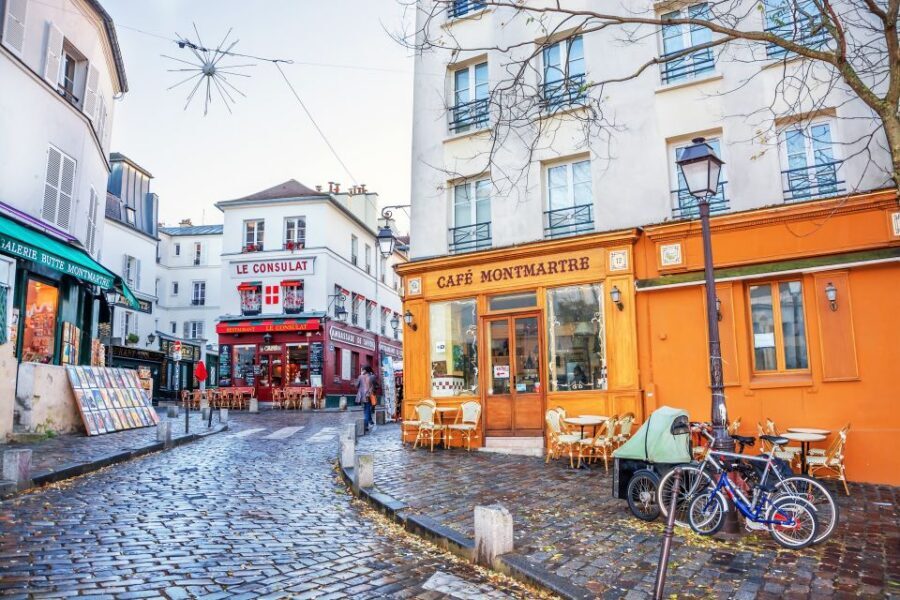
Saint-Germain-des-Prés is one of those Paris neighborhoods where the streets feel like they’ve been waiting for you. This tour uses that setting on purpose. You kick off at 6 Pl. Saint-Germain des Prés (75006), and the guide meets you across the street from the Church of Saint-Germain-des-Prés. From there, you move through the quarter on foot, with commentary built around how Parisians developed their chocolate obsession.
The tour’s pitch isn’t only about eating. It’s also about learning how chocolate became part of the culture: the neighborhood is tied to generations of chocolatiers, and the guide’s stories connect modern chocolate shopping habits with older courtly and lifestyle references (including Marie-Antoinette). If you like your sightseeing with a reason behind it, that context makes the tastings more satisfying, because you understand what you’re looking at.
Meeting point, timing, and how the walk is paced
This is roughly a 3-hour outing, and it runs in all weather, so plan like it’s a real afternoon stroll. You’ll want shoes that handle uneven sidewalks and quick turns from one shop entrance to the next.
One thing I’d watch for: the tour is structured so you get an introduction to the neighborhood’s chocolate story early, then more tasting happens later. That pacing is great if you enjoy facts while you walk. It can feel slow if you’re expecting food immediately in the first minutes. The upside is that when tastings start coming, you’re usually ready for it—by then you’ve got the setting and some background in your head.
The tour ends back at the same place you started, which makes it easier to plan dinner afterward. You’re not left figuring out transit from an unknown corner.
Stop 1: Saint-Germain-des-Prés quarter and the “why Paris loves chocolate” lesson
The core of the experience begins with a guided orientation to the Saint Germain des Pres quarter—and yes, this neighborhood name comes up for a reason. Saint-Germain is known for chocolatiers, and the tour leans into that reputation with a mix of neighborhood storytelling and practical chocolate culture.
Here’s what this part is doing for you:
- It helps you spot the type of shop you’re walking past (not every store is built the same).
- It explains why chocolate shopping in France isn’t treated like a casual hobby.
- It connects the present-day tradition of special chocolate purchases (think holidays and celebrations) to older references the guide mentions as part of the lore.
The tour also frames France’s appetite for chocolate with big numbers (for example, a figure of 405,000 tons mentioned in the tour’s background), which is an easy way to understand the seriousness behind French chocolatiers.
What to expect as you listen and walk
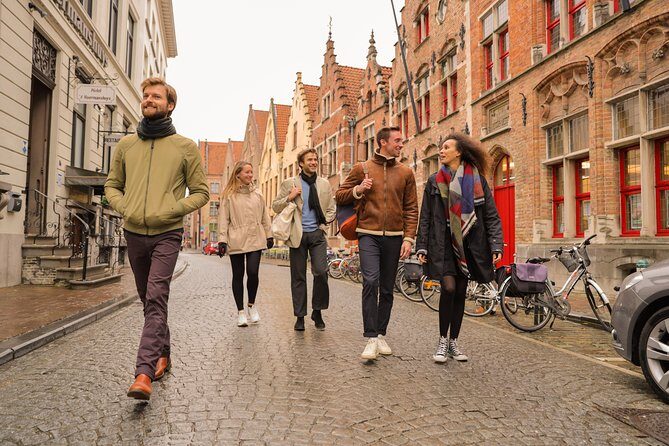
You’ll be hearing history and culture commentary while you move through picturesque streets. The experience is designed for a relaxed walking pace, not a sprint. Since the tour is capped at a small group size, you’re more likely to get your questions answered in real time.
The tasting flow: macarons, truffles, pastries, and the “real portions” feeling
The tastings are the headline, and the tour is built around variety. You’re sampling a spread that includes:
- Macarons
- Pastries
- Caramels
- Chocolate éclairs
- Truffles
- Chocolate more broadly (with different textures and styles)
You also get the sense that this is not meant to be a few decorative bites. Many people describe the amount as substantial—enough that you should plan to eat dinner later, not immediately.
Why this variety matters (not just sugar for sugar’s sake)
Chocolate can be one-note if all you taste is the same flavor form. This tour tries to make it educational through contrast:
- Macarons teach you texture (crisp shell, soft interior).
- Truffles often show you richness and cocoa depth.
- Éclairs let you experience pastry technique, not just chocolate bars.
- Caramels add a buttery, slow-melt flavor that changes how the chocolate feels on your tongue.
If you’re the kind of person who likes to notice differences—ganache vs. cocoa percentages, crunchy vs. creamy—this format fits you.
How the guide changes the experience (and why small groups help)
A big part of why people rate this tour highly is the guide. Names that appear in recent tours include Catherine, Émeline, Lolla, Margot, Arthur, Hugo, Kevan, and Stephane. Different guides bring different personalities, but the common thread is that they’re food lovers who connect flavors to the neighborhood.
Two practical benefits of the small group format:
- More questions, less waiting. With fewer people, you’re more likely to ask about what you’re tasting and get an actual answer.
- Better pace control. The guide can adjust how quickly you move based on how the group is doing.
If you have a food concern, it’s worth flagging it in advance. In at least one recent tour, a guide (Arthur) worked around a nut allergy by finding alternatives at each location. That doesn’t guarantee every run can match the exact same accommodations, but it’s a strong sign that the guides can adapt.
Shopping stops: what you’re really doing inside each chocolatier
This tour doesn’t feel like you’re watching chocolate production through a glass window. The idea is to interact with shop owners and learn from what you can see in the stores. You’ll visit chocolate shops, bakeries, and specialist stores as you walk.
One detail that matters: some people notice that shop proprietors may not always be fully prepared for a group. That’s not something you control, but it can affect how smooth the stop feels.
Still, when stops run well, you get something better than a lecture: you see how the neighborhood’s sweet culture operates day to day—what’s displayed, what looks like a signature item, and how different places style their treats. The tastings are the payoff, but the shop atmosphere is part of the education.
Caramels, tea-style breaks, and the bigger point of the “sugar circuit”
The tour includes more than straight chocolate tasting. It lists afternoon tea/chocolate as part of what you’ll sample, plus surprises along the way. You’ll also see references to extra items beyond the classic chocolate lineup—such as meringue in one account—and even the idea that some routes may add stops for food variety like spice and olive oil.
You don’t have to be a hardcore chocoholic to enjoy this. The tour’s structure works because it treats sweets like a progression:
1) flavor introduction
2) texture variety
3) rich finishes
And by the end, you understand that French chocolate culture is a mix of craft, packaging, and celebration. That’s why it’s not only about taste—it’s about how Paris uses food to mark moments.
Price and value: is $119.77 a good deal?
At $119.77 per person for about 3 hours, the value depends on what you expect.
Here’s the value logic that makes this tour work for many people:
- You’re not just paying for a guide. You’re paying for multiple tastings across different shops (not one store).
- The small group size reduces the “herding” feeling you get on larger food tours.
- You’re also paying for place-based context—learning why Saint-Germain became the chocolate name people associate with Paris.
Several comments emphasize that there’s plenty of food and that the group eats a lot. If you show up hungry and you like variety, that’s exactly what this tour is built to deliver.
If, on the other hand, you only want a single quick bite or you hate walking, the cost may feel steep. This is a proper tasting walk, not a light snack stop.
Who this tour fits best (and who should skip it)
This tour is a strong match if you:
- Want macarons plus chocolate plus pastries in one organized afternoon
- Enjoy neighborhood storytelling while you walk
- Like small-group formats and asking questions
- Plan to spend less time searching menus and more time tasting your way through Saint-Germain
It’s not the best fit if you:
- Need food immediately with no intro phase
- Don’t handle walking well (moderate physical fitness is mentioned)
- Have strict timing constraints for the rest of your day
If you’re visiting Paris and you want a structured “sweet day” that also teaches you something, this is a good choice.
Should you book the Saint-Germain chocolate tasting tour?
Book it if you want a small-group chocolate walk in one of Paris’s most famous dessert neighborhoods, with a guide who explains the why behind the sweets and a tasting list that goes beyond chocolate bars.
Skip it if you want a short, low-walking snack or you’re only interested in one specific type of dessert. Also, set your expectations about pacing: the tour typically starts with neighborhood context and ramps up tasting afterward.
FAQ
FAQ
How long is the Saint-Germain chocolate tasting tour?
It runs for about 3 hours.
Where does the tour start and end?
It starts at 6 Pl. Saint-Germain des Prés, 75006 Paris, and it ends back at the same meeting point.
Is the tour in English?
Yes. The tour is offered in English, though it may be operated by a multi-lingual guide.
How big is the group?
The tour is capped at a maximum of 8 people per booking (with a maximum of 10 travelers mentioned).
What kinds of items are included?
Included tastings list macarons, pastries, caramels, afternoon tea/chocolate, and some of France’s finest chocolate, plus a few surprises.
Does the price include transportation?
No. Transportation to and from the meeting point isn’t included.
Does it run in bad weather?
Yes. It operates in all weather conditions, so dress appropriately.
When do I get confirmation after booking?
You should receive confirmation within 48 hours of booking, subject to availability.
What is the cancellation window for a full refund?
You can cancel up to 2 days in advance for a full refund. If you cancel less than 2 full days before the start time, the amount paid is not refunded.