REVIEW · PARIS
Scandalous Paris-Belle Epoque Brothels & Courtesans
Book on Viator →Operated by Localers · Bookable on Viator
Paris has a flip-side, if you know where to look. This private walk through Belle Epoque streets turns famous addresses into real stories about prostitution and courtesans. You move through the 2nd and 9th arrondissements with a guide who points out the exact spots where the city’s scandal played out.
I love two things most: the story-first approach (not just facts), and the clever way the guide uses photos to help you picture how these places worked. One thing to consider is the walking. Even though it’s only about two hours on the calendar, expect a longer stroll where good shoes matter.
In This Review
- Key highlights you should know
- Belle Epoque Brothel History, Told Like a Walkable Story
- How the tour is paced: 2nd to 9th arrondissements on foot
- Start at Jardin du Palais Royal: arcades and a new twist on prostitution
- Galerie Vivienne: where a former brothel sits inside a beautiful indoor passage
- Passage des Panoramas and Zola’s Nana
- Outside Eglise Notre-Dame de Lorette: figuring out what a Lorette meant
- Place Saint-Georges and La Païva: private mansions and social rank
- The finish at Maison Souquet: cocktail in an old brothel-turned hotel
- Guides, photos, and why this tour helps you remember Paris
- Price and value: $571.95 per group up to 4
- What to wear and what to bring for this Belle Epoque stroll
- Is this tour worth booking? Here’s my straight answer
- FAQ
- How long is the tour?
- What does it cost and how many people can be in my group?
- Is the tour private?
- What language is the tour offered in?
- Where do we meet, and where does the tour end?
- Is a cocktail included?
- Is hotel pickup or drop-off provided?
- Are there admission tickets for the stops?
- Can I cancel for a full refund?
Key highlights you should know
- Private, small-group tour for up to 4 people, guided for 2 hours
- Palais Royal to Pigalle-area streets, with a focused route through the 2nd and 9th
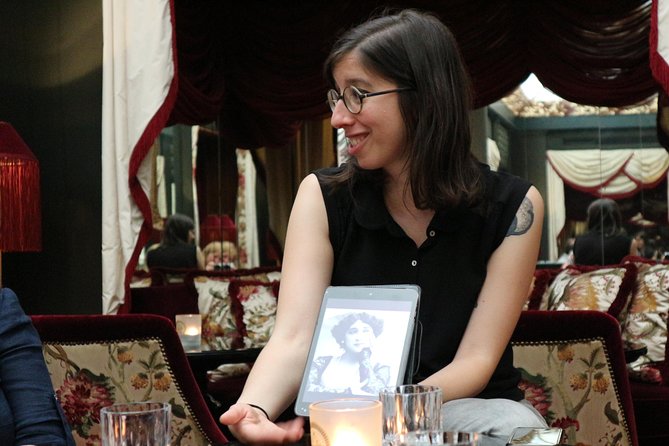
- Storytelling + photo support on a handheld device, so the history sticks
- Admission-free stops at each main viewpoint (no ticket lines)
- Complimentary cocktail at Maison Souquet, an old brothel turned hotel/bar
- A guide who keeps it historical and tasteful, even with a spicy subject
Belle Epoque Brothel History, Told Like a Walkable Story
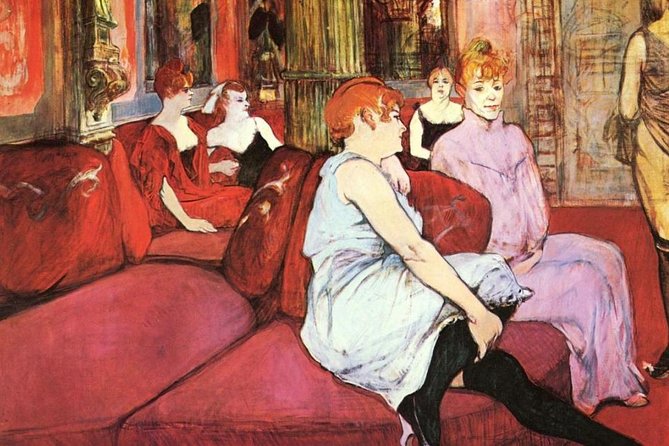
This tour is for you if you like Paris when it’s not polished postcard stuff. You’ll be learning how courtesans and prostitution shaped social life, fashion, money, and reputation in the late 1800s—then you’ll see the modern buildings still standing on top of those older lives.
The tone is important. This isn’t shock-hunting for its own sake. The best part is that the guide frames everything as historical context: what the neighborhoods were like, why certain places drew certain kinds of women and clients, and how society talked about it when people tried to pretend it didn’t exist.
Expect a mix of clever street-level details and character-driven storytelling. If you’ve wandered Paris for years, you’ll still find new meaning in addresses you thought you already knew.
How the tour is paced: 2nd to 9th arrondissements on foot
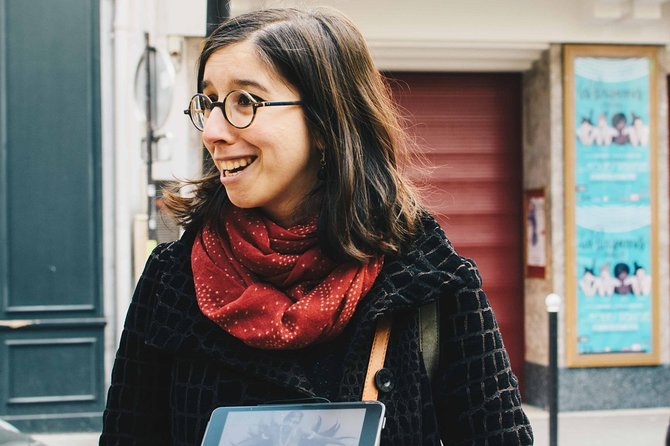
You’ll start in the 1st arrondissement area near Le Kiosque des noctambules (Pl. Colette). From there, the route stretches through the 2nd and into the 9th, with the tour ending at Maison Souquet on Rue de Bruxelles.
The schedule says about 2 hours, but I’d plan for a longer experience in real life. You’ll stop often, stand around looking up at facades, and take in the little “wait—what happened here?” moments. If you’re on moderate mobility, you’ll be fine with sensible pace and breaks. Just don’t count on it being a quick in-and-out stroll.
One practical win: you’re not stuck figuring out bus routes. It’s near public transportation, and it’s a guided route with clear endpoints.
Start at Jardin du Palais Royal: arcades and a new twist on prostitution
Your first viewpoint is the Arcades du Jardin du Palais Royal. This is one of those Paris locations where the setting does half the storytelling for you. Covered arcades, walking passages, and crowd movement all made it easier for the city’s private transactions to hide in plain sight.
Here’s what makes this stop work for your understanding: the guide explains how prostitution in Paris took on different forms, and why arcades mattered. It’s not just where it happened. It’s how the spaces helped it happen—light, foot traffic, privacy, and the “everyone’s here” vibe that makes discreet behavior easier to disguise.
This is a strong opener. You’ll get the theme of the night set fast, before the tour turns to more specific addresses.
Galerie Vivienne: where a former brothel sits inside a beautiful indoor passage
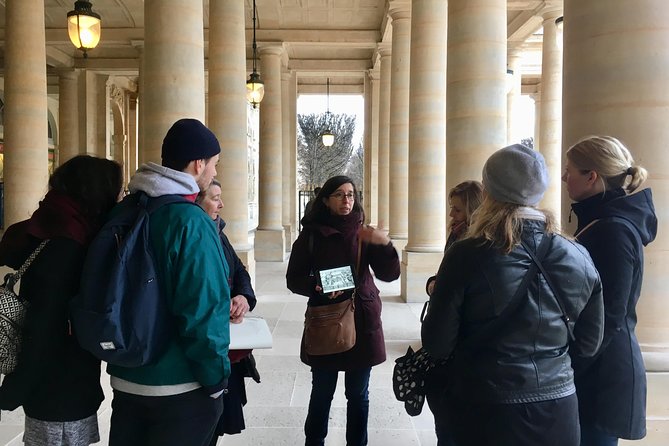
Next you’ll head to Galerie Vivienne, another Paris passage that looks like it belongs in a movie. That helps you do something useful as a traveler: it makes the past feel less like a textbook and more like a set of real rooms where people lived, worked, and made decisions.
Your guide will take you to where one of the more popular brothels in Paris used to be. The value of this stop is that it teaches you to read architecture like evidence. You’ll notice how indoor spaces offered cover and controlled movement compared with open streets.
Potential drawback here: if you’re the type who gets distracted by pretty spaces, you might want to slow down and listen carefully. The beauty is part of the point, but the guide will be connecting the look of Galerie Vivienne to how business operated.
Passage des Panoramas and Zola’s Nana
As you head near the Grands Boulevards, you’ll reach Passage des Panoramas. This location is especially fun if you like literature, because it’s tied to Emile Zola’s Nana.
What you’ll learn at this stop is how Parisian writers helped shape the public picture of prostitution and courtesans. The guide ties the setting to the cultural reputation around it—basically, how certain streets became symbols in the popular imagination.
Why I like this part for you: it gives the history a second lens. You’re not only learning about real life. You’re also seeing how that real life got turned into stories people talked about, repeated, and debated.
Outside Eglise Notre-Dame de Lorette: figuring out what a Lorette meant
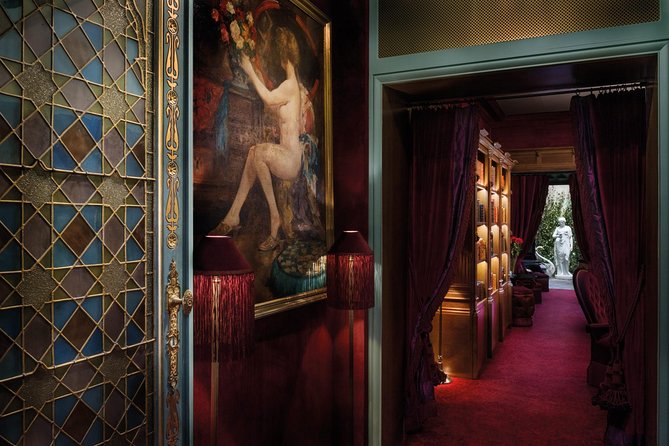
Then comes a stop right outside Eglise Notre-Dame de Lorette, where you’ll learn what a Lorette referred to in the 19th century.
This is one of those moments where language opens a door. The word itself tells you how society categorized women, reputations, and social status. The guide’s job is to show how labels worked—what people expected, what they feared, and how “respectability” could still be negotiated for profit and influence.
If you want your takeaways to last, this stop helps. It’s easy to remember names of streets and passages, but definitions like this are the stuff that makes later parts of the walk click.
Place Saint-Georges and La Païva: private mansions and social rank
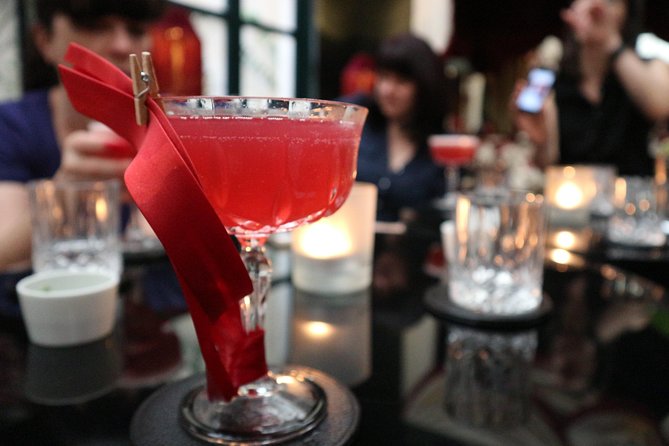
Your next viewpoint is the Fontaine de la Place Saint Georges. Nearby, the guide explains that several well-known prostitutes lived in private mansions, including la Païva.
This stop is less about dramatic street scenes and more about power. You’ll hear how some courtesans gained wealth and a certain kind of social standing, not just money earned by the hour. That changes how you think about the whole subject. It’s not only about survival or secrecy. It’s also about status, connections, and how influence worked in a strict society.
One smart tip: at this stage of the walk, slow down and look at the buildings. Don’t just take the fountain in. The guide will point out what to notice so you can connect addresses with stories.
The finish at Maison Souquet: cocktail in an old brothel-turned hotel
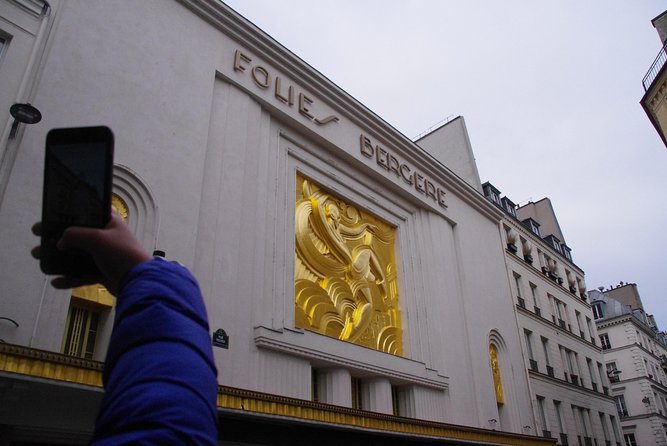
The tour ends at Maison Souquet, a building that used to be a brothel and is now a hotel and bar. This matters because it closes the loop between past and present in one place—no museum required.
You’ll walk through the more scandalous quarter of Paris nowadays before reaching the final stop. It’s the sort of ending that makes the earlier viewpoints feel less abstract.
Then you get a complimentary cocktail. In practice, that’s not just a drink. It’s a chance to decompress, ask a few last questions, and swap notes about which stories stuck the best. Based on the way guides pace the narrative, you’ll likely have built up curiosity during the walk—so the cocktail lands as a nice payoff instead of a random add-on.
Guides, photos, and why this tour helps you remember Paris
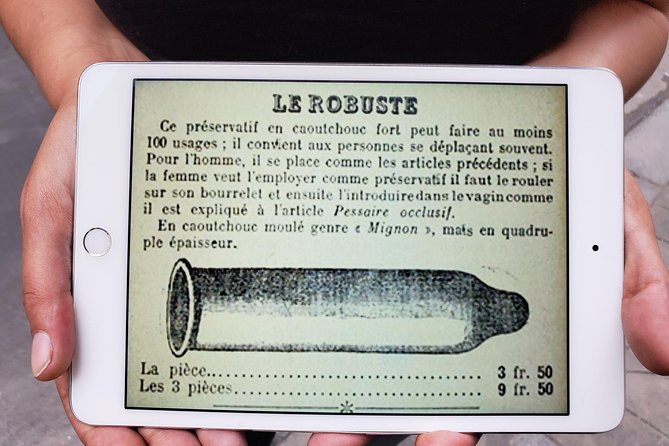
The biggest strength here is how the guide teaches. Multiple guides have used photo support on an iPad during the walk, so you can connect what you see on the street with what the area looked like in the past.
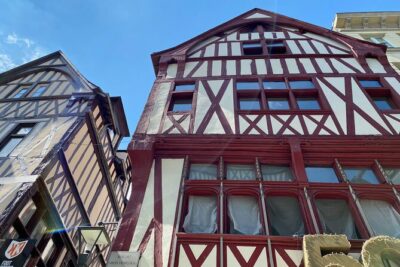
Even if you’ve visited Paris before, I think that’s what makes the tour memorable: it turns “I walked past that” into “I know what used to be there and why it mattered.” You’ll look up into windows and doorways in a way you probably never do on regular sightseeing days.
I’ve also found that this kind of topic goes better when the guide is personable and keeps the pacing moving. This tour leans that way, with plenty of conversation and short stops rather than long lectures.
Price and value: $571.95 per group up to 4
At $571.95 per group (up to 4), the cost isn’t cheap on paper. But it can be strong value in practice because it’s a private experience with a local guide for about two hours, and you’re not paying per person.
If you’re traveling as two friends, or a small family unit, you’re effectively buying time with a guide plus a structured route through places you’d otherwise only pass by. Add the complimentary cocktail at the end, and you’ve got at least one included “experience moment,” not just sightseeing.
If you’re traveling solo and you’re price-sensitive, you may want to compare against other walking tours in Paris. But if you want a guide who controls the pace and answers your questions directly, private is often worth it here.
What to wear and what to bring for this Belle Epoque stroll
Because the route is on foot across central Paris, you should dress like you’re doing a proper walking day. The guidance is moderate physical fitness, and the route includes multiple stops and looking around.
Bring:
- Comfortable walking shoes
- Water (not included, and the tour doesn’t promise food)
- A charged phone or a light layer if evenings are cool
You’ll be standing and looking up at facades. This is a tour where slowing down briefly is part of the fun.
Is this tour worth booking? Here’s my straight answer
Book it if you want Paris with an edge, but still grounded in real history and real places. It’s especially good for you if you like street-level storytelling, literature connections like Zola’s Nana, and understanding how reputation and social rank worked in 19th-century Paris.
Skip it if:
- You don’t want a subject involving prostitution and courtesans, even when handled in a tasteful, historical way.
- You hate walking-based tours and want something more museum-seated.
- You’re expecting a ticketed attraction with indoor exhibits. This is a guided street walk, then a drink.
If you match the vibe—curious, comfortable with adult themes, and ready to walk—you’ll likely come away feeling like Paris has new layers.
FAQ
How long is the tour?
The tour runs for about 2 hours.
What does it cost and how many people can be in my group?
It costs $571.95 per group, up to 4 people.
Is the tour private?
Yes. It’s a private tour/activity, and only your group participates.
What language is the tour offered in?
The tour is offered in English.
Where do we meet, and where does the tour end?
You meet at Le Kiosque des noctambules, 12 Pl. Colette, 75001 Paris, and the tour ends at Maison Souquet, 10 Rue de Bruxelles, 75009 Paris.
Is a cocktail included?
Yes. A complimentary cocktail is included.
Is hotel pickup or drop-off provided?
No, hotel pickup and drop-off are not included.
Are there admission tickets for the stops?
The stops listed are admission ticket free.
Can I cancel for a full refund?
Yes. You can cancel up to 24 hours in advance of the experience for a full refund.