REVIEW · GUIDED
Versailles Marie Antoinette Afternoon Guided Tour with Petit Trianon & Hamlet
Book on Viator →Operated by Memories France · Bookable on Viator
A quieter Versailles starts here. This tour takes you to Marie-Antoinette territory—places many people only rush past—so you can feel how the queen tried to escape the palace’s constant attention. You’ll see Petit Trianon and then continue to Le Hameau de la Reine, plus you’ll learn the human side of her life, not just the postcard parts.
Two things I really like: first, you get a real guided storytelling experience in a small group of up to 20, and guides such as Claire and Umberto are praised for keeping a steady pace while adding context that makes the buildings make sense. Second, the tour uses the Petit Train on the way back, so you spend less time marching across Versailles terrain.
One thing to plan for: you’ll need to buy a separate garden ticket to reach the area where the domain begins. That adds cost and can mean waiting in ticket lines, plus a short walk through the gardens.
In This Review
- Key highlights worth knowing before you go
- From the main palace to Marie-Antoinette’s pocket of calm
- Price and value: what $59.89 covers (and what it doesn’t)
- Meet point timing and the garden-ticket reality
- Stop 1: Petit Trianon and Marie-Antoinette’s private theatre
- The walk and what to watch for on the way toward the hamlet
- Stop 2: Le Hameau de la Reine and the Normandy-style fantasy
- Petit Train ride back: a small detail that saves your legs
- What the guides do well here: context, pace, and story
- Who this tour suits best (and who should consider a different plan)
- Practical tips so your afternoon feels easy
- Should you book this Versailles Marie Antoinette afternoon tour?
- FAQ
- How long is the Versailles Marie Antoinette afternoon guided tour?
- What’s included in the tour price of $59.89 per person?
- Do I need to buy a separate garden ticket?
- Where do I meet the guide, and where do we end?
- What time does the tour start?
- Is the tour in English?
- How much walking should I expect?
- What’s the group size?
- Can I cancel for a full refund?
Key highlights worth knowing before you go
- Crowd-reducing route to Marie-Antoinette’s private domain instead of spending all your time in the big palace lanes
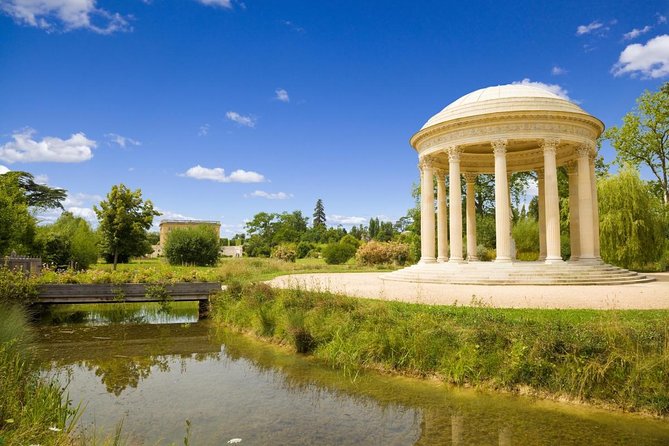
- Petit Trianon with its English garden setting and the queen’s theatrical world
- Le Hameau de la Reine: a Normandy-style fantasy village with thatched cottages and farm life vibes
- Petit Train ride to cut down the walking from the domain
- Guides that explain purpose, not just facts, with examples like Cecile, Marion, and Ivan mentioned in strong reviews
- Sometimes closed sights: the queen’s little theatre and the train can have occasional hiccups without much warning
From the main palace to Marie-Antoinette’s pocket of calm
Versailles can feel like an endurance test. Big mirrors. Big halls. Big crowds. This tour is a smart reset because it points you toward the queen’s world—smaller, more private, and designed for breathing room.
The big idea is contrast. You’re not trying to “see everything.” You’re seeing why Marie-Antoinette built an escape inside Versailles. The route also makes sense if you already visited the palace and gardens earlier in the day (or you already know them). By the time you reach Petit Trianon and the hamlet, the stories land differently. You’re primed to notice details, not just chase size.
Price and value: what $59.89 covers (and what it doesn’t)
At $59.89 per person, this is priced like a guided specialty tour, not a self-guided ticket scramble. The tour price includes admission for the Petit Trianon portion and then again for the Marie-Antoinette domain stop, plus it includes the Petit Train between key points so you’re not left alone with Versailles’ long distances.
The part that changes your real “all-in” cost is the garden access ticket you must buy separately to reach the meeting point area. The tour data lists €10 or €11 depending on the day. Plan on that extra expense, and treat it like part of your Versailles entry workflow, not an optional add-on.
If you’re trying to get value, the best mindset is this: you’re paying for a guide to make the queen’s choices understandable. Seeing Petit Trianon is one thing. Understanding why the setting was built the way it was is the upgrade.
Meet point timing and the garden-ticket reality
Your start is at 2:00 pm, near La Flottille, Parc du Chateau de. Your guide ends by dropping you back at the Palace of Versailles, Place d’Armes, so you’re set up to connect back toward Paris via the nearby RER.
Here’s the practical catch: the garden areas are what separate the “palace visit” experience from the “domain of Marie-Antoinette” experience. The tour requires you to cross the gardens to reach the gate area leading into the domain. That means you should:
- budget extra time for ticket lines at the gardens, since queues can be long
- wear shoes that handle gravel paths and steady walking
- assume you’ll walk about 15 minutes through the gardens to reach the gate, as stated in the tour info
This matters because some frustration comes from people arriving with the wrong access plan. If you treat the garden ticket as mandatory (which it is), the whole afternoon runs smoother.
Stop 1: Petit Trianon and Marie-Antoinette’s private theatre
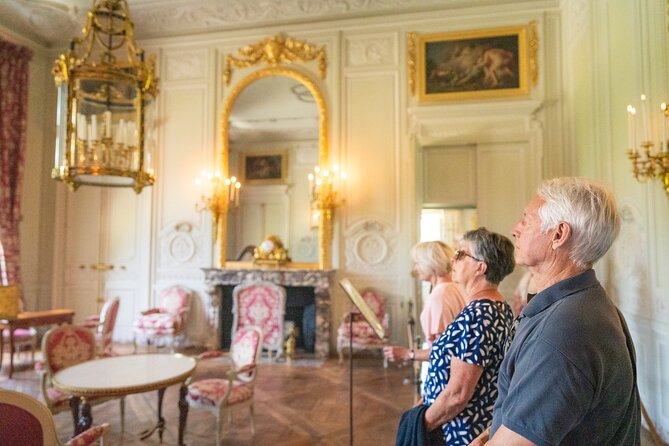
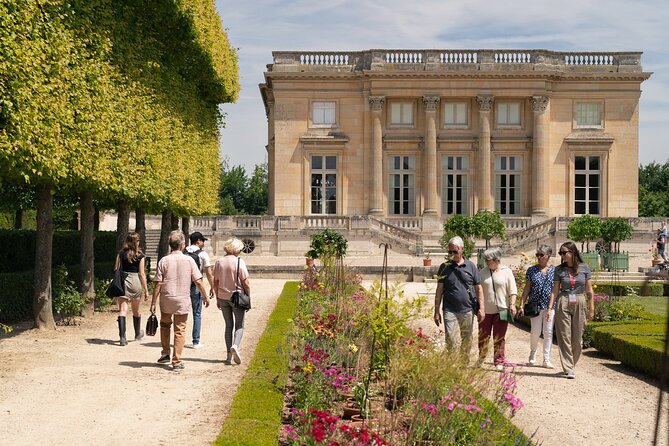
Petit Trianon is the “slow down” moment of Versailles. Many visitors hit Versailles like a checklist. This stop is different because it’s about a residence meant to feel away from the palace’s public pressure.
The story starts with the key. Louis XVI gave Marie-Antoinette a diamond-encrusted key—a symbol of a real escape from court life. The point isn’t just romance. It explains the architecture and the layout. Petit Trianon was a deliberate break from gossip, criticism, and daily ceremonial life.
Inside and around Petit Trianon, you’ll focus on:
- the queen’s taste as shown by the furniture and decorations associated with her preferences and preferred craftsmen
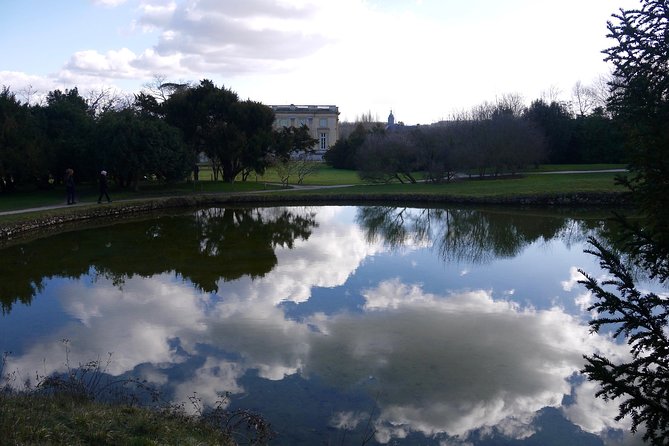
- the English gardens setting, where style and leisure blend together
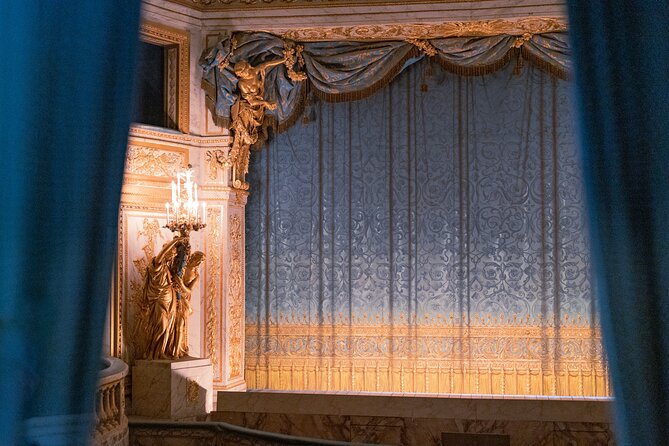
- the Queen’s Theatre, described as a hidden jewel where she could watch popular plays with her ladies-in-waiting
That theatre detail is worth treating as a must-see when it’s open. One review example mentioned disappointment because the guide’s plan couldn’t include peeking inside the theatre as listed. The response to that kind of situation notes that closures can happen with little warning. So, keep expectations flexible: if you love theatre, you’ll want to arrive in a curious mood rather than a strict “I must see every room” mood.
The walk and what to watch for on the way toward the hamlet
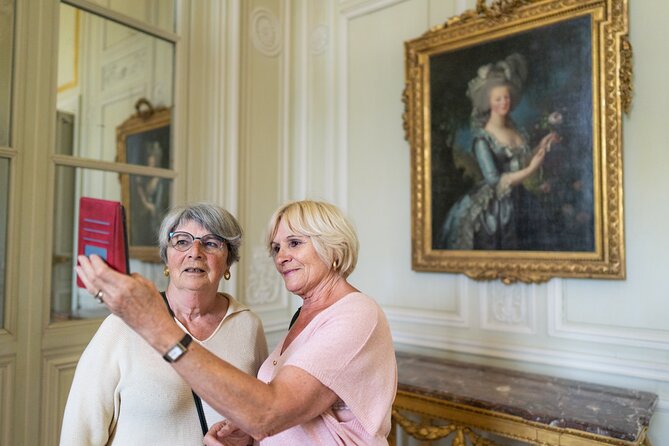
After Petit Trianon, you move through the gardens toward Le Hameau de la Reine. The tour keeps it comfortable by using the Petit Train for the return part from the domain, but you should still expect a reasonable amount of walking in the garden areas.
This leg is where you’ll get the “why pastoral?” payoff. The route highlights the queen’s decision to create a world that felt like the countryside—fresh air, informal life, and activities that didn’t match the stiff rhythms of palace society.
It’s also where your guide’s job gets harder (and more important). To make the transition work, they need to connect garden details to the bigger idea: Marie-Antoinette wasn’t just decorating. She was building a daily escape.
If you’re the type who likes asking questions, this is a good moment. One strong review response specifically encouraged guests to ask questions so the guide can tailor choices about what to explain.
Stop 2: Le Hameau de la Reine and the Normandy-style fantasy
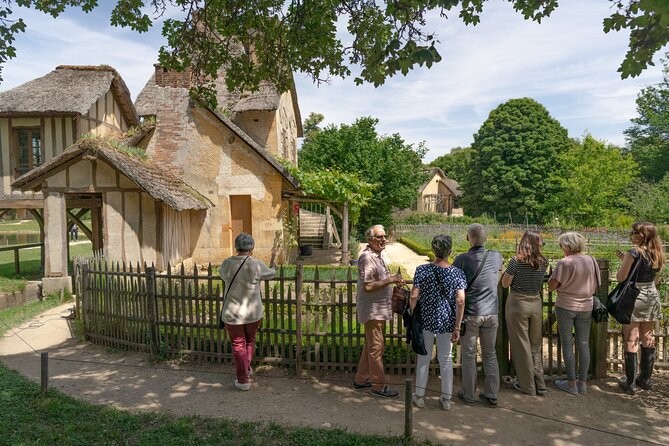
Le Hameau de la Reine is where the whole theme becomes visible. Marie-Antoinette commissioned a rustic village designed as a replica of country life, evoking Normandy with thatched cottages and a pastoral setup.
The hamlet isn’t meant to be taken like a documentary. It’s meant to be felt as a private retreat: informal atmosphere, healthier air, and the kind of “daily living” play-acting that let her be among trusted friends away from royal performance.
What to look for while you’re there:
- the thatched cottage look and the overall village layout designed to feel lived-in
- the pastoral farm atmosphere suggested by the setting, including the dairy herd element described in the tour info
- the garden design around the hamlet, especially since the tour frames this as a world away from the palace crowds nearby
Also note the hamlet connection to the queen’s larger personality. The palace side of Versailles can feel like rules. The hamlet side feels like choose-your-own-role play—dairy life, countryside amusements, and a softer pace.
Petit Train ride back: a small detail that saves your legs
The tour uses the Petit Train to help reduce walking during the return from the Petit Trianon side. For Versailles, that matters more than people think. Distances here don’t feel linear, and garden paths can turn into “wait, how far is that?” quickly.
One review specifically praised the train return as a better flow through the afternoon. That matches what the tour description promises: comfort first, less fatigue, more time for looking and listening.
Still, keep an eye on one reality: transport and access inside Versailles can have occasional interruptions. One review about Ivan noted the train wasn’t running at the time. The response explains that this can happen without warning. So if the train is delayed or stops, don’t treat it as a tour failure. The site can change the plan.
What the guides do well here: context, pace, and story
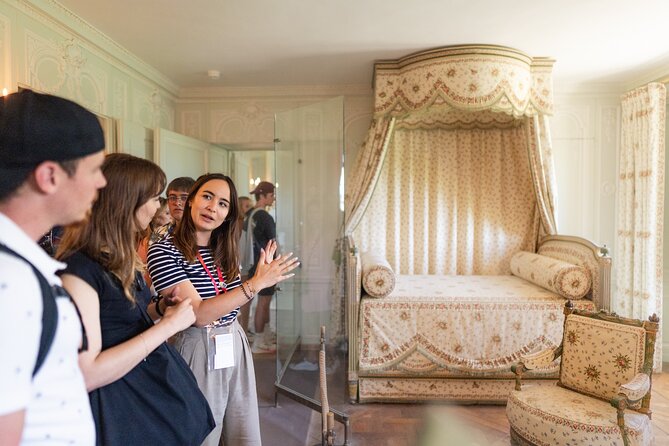
The most consistently praised part of this experience is the human layer. People mentioned guides like Umberto, Claire, Cecile, Marion, and Ivan for being engaging, friendly, and able to turn the queen’s life into a story with meaning.
Here’s what you should look for in a good guided approach on this route:
- purposeful pacing: not rushing so you miss details, but not stopping so long you lose the thread
- context that ties rooms to motives: why Petit Trianon looked and felt the way it did
- room for questions: a guide can help you read the place, not just repeat facts
One review response also mentions the operator’s guide style: lots of explanation plus active Q&A, rather than a skim-through audio experience. And that’s important because Versailles can overload your senses. A good guide helps you “triage” what matters most.
Who this tour suits best (and who should consider a different plan)
This is best for you if:
- you’re already doing the palace and gardens in the morning, or you’ve visited before and want the Marie-Antoinette side without starting from scratch
- you want a guided look at a quieter corner, not just another ticket line
- you like story-driven history that connects architecture to daily life
This may be less ideal if:
- you dislike walking through gardens and ticket-area queues
- you’re trying to fit Versailles into a super tight schedule with zero buffer time
- you expect every optional room (like the queen’s theatre) to be accessible every day, with no closures
If you’re traveling with teens, one review mentioned that the quirky facts kept them engaged. That’s often a sign the guide is translating history into something you can actually picture.
Practical tips so your afternoon feels easy
A few no-drama ideas that can save your day:
- Arrive with your garden ticket sorted. It’s required to reach the gate area. Waiting time can be real.
- Wear supportive shoes. Even when the Petit Train helps, you’re still moving through grounds.
- Plan around mobile dead zones. One review mentioned poor mobile network at the chateau area, which matters if you’re trying to rely on downloaded audio. If you use your phone for anything, consider having offline access ready.
- Go early to your meeting point area in spirit. One response suggested guests arrive about 15 minutes early, since Versailles can create small chaos.
- Stay flexible about the theatre and train. Occasional closures and service interruptions can happen without warning, according to the operator’s own responses.
Should you book this Versailles Marie Antoinette afternoon tour?
I’d book this if you want a calm, story-led Versailles afternoon focused on Marie-Antoinette’s private world rather than another sprint through the palace. The combination of Petit Trianon, the English garden setting, and Le Hameau de la Reine gives you a satisfying contrast that most one-day plans miss.
But don’t ignore the garden-ticket reality. If you hate waiting in lines or you don’t want to pay extra for access, you may feel surprised. The biggest value comes when you treat this as a full afternoon plan: get your garden access squared away, wear good shoes, and let the guide connect the details into one coherent picture.
If that sounds like your style, this tour is a strong way to see the Versailles side most visitors never slow down for.
FAQ
How long is the Versailles Marie Antoinette afternoon guided tour?
It runs for about 2 hours 30 minutes.
What’s included in the tour price of $59.89 per person?
The tour includes admission tickets for the Petit Trianon stop and the Domain of Marie-Antoinette stop, and it also includes use of the Petit Train as part of the experience.
Do I need to buy a separate garden ticket?
Yes. You need a Versailles garden ticket to access the meeting point area because you must cross the gardens to reach the gate that leads to the Marie-Antoinette domain. The cost is listed as €10 or €11 depending on the day.
Where do I meet the guide, and where do we end?
You start at La Flottille, Parc du Chateau de (78000 Versailles) and end at the Palace of Versailles, Place d’Armes (78000 Versailles). Your guide drops you back at the palace at the end.
What time does the tour start?
The start time is 2:00 pm.
Is the tour in English?
Yes, the tour is offered in English.
How much walking should I expect?
The tour involves a reasonable amount of walking, and travelers should have moderate physical fitness. Comfortable shoes are recommended, and there is also a stated ~15-minute walk through the gardens to reach the gate.
What’s the group size?
This tour has a maximum of 20 travelers.
Can I cancel for a full refund?
Yes. You can cancel up to 24 hours prior to departure for a full refund.
If you want, tell me what day/month you’re going and whether you plan to visit the palace earlier that same day. I can help you plan the timing around the garden access so you’re not stuck in long lines.