REVIEW · MAREUIL LE PORT
Champagne Vineyard Experience: Delve into the terroir
Book on GetYourGuide →Operated by Champagne Harlin Père & Fils · Bookable on GetYourGuide
Old vines have a way of teaching quietly.
This 90-minute Champagne vineyard experience at Champagne Harlin Père & Fils is built around terroir: you go from the garden where the family’s vines grow, down into the cool cellar, and end with a tasting that goes beyond just bubbles. You’ll learn how soils and sustainable choices shape what ends up in the glass.
I especially like two parts: the walk through the old vines (it makes the estate feel real, not staged) and the historic cellar tour, where the production story clicks into place. One possible drawback: if you prefer a strictly serious, no-theatrics visit, a small amount of performance-like behavior around the cellar area may not be your style.
In This Review
- Key things I think you’ll care about
- From 8 Rue de la Fontaine to old vines: the start of the story
- Walking through the vines without the marketing fog
- Down into the cool depths: why the cellar part matters
- The tasting: champagnes plus Ratafia Champenois
- Terroir across Mareuil-le-Port, Épernay, and Tours-sur-Marne
- Biodiversity and sustainable viticulture: how it shows up in the experience
- What the vibe is like with guides (Sarah and Chléo)
- Price and value: $28 for a guided tasting with terroir context
- Who should book this tour (and who might skip it)
- Visiting with kids: wine tour rules made simple
- Should you book Champagne Harlin’s terroir tour?
- FAQ
- How long is the Champagne Vineyard Experience?
- Where do I meet for the tour?
- What language is the tour offered in?
- What is included in the ticket price?
- What will I taste during the experience?
- Is there an age limit for this tour?
- How much does the tour cost?
Key things I think you’ll care about
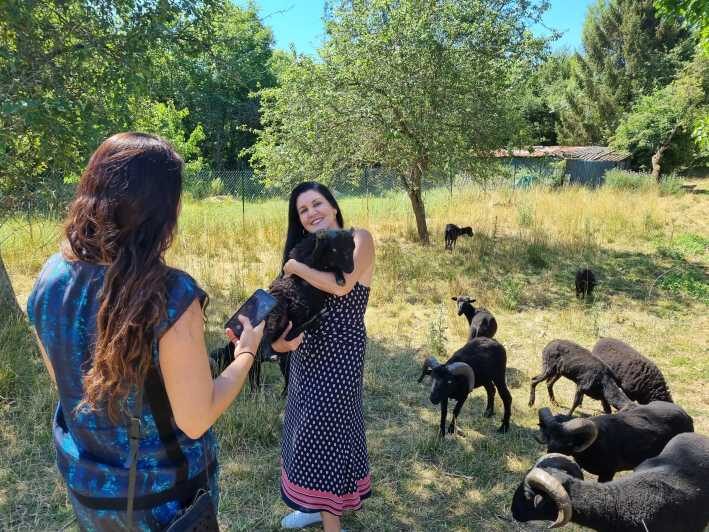
- Old vines and family plots: you’re shown the parts of the vineyard that matter most to the estate.
- Historic cellar storytelling: production steps are explained in plain language as you move through the cool space.
- Tasting variety: champagnes plus Ratafia Champenois, which most people rarely try.
- Terroir across specific places: you’ll connect what you taste to Mareuil-le-Port, Épernay, and Tours-sur-Marne.
- Biodiversity focus: you get a producer’s view on biodiversity preservation and sustainable viticulture.
- Plan for stairs: you should expect a few stairs on the way to the caves and the tasting room.
From 8 Rue de la Fontaine to old vines: the start of the story
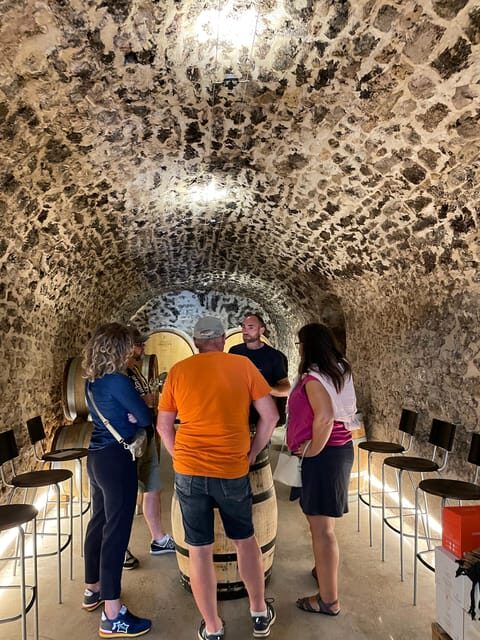
Your tour begins at the courtyard of Champagne Harlin Père & Fils, at 8 Rue de la Fontaine. That matters more than it sounds. Starting at the estate itself keeps the visit grounded in how Champagne houses work day-to-day, instead of having you meet far away and then transfer to somewhere else.
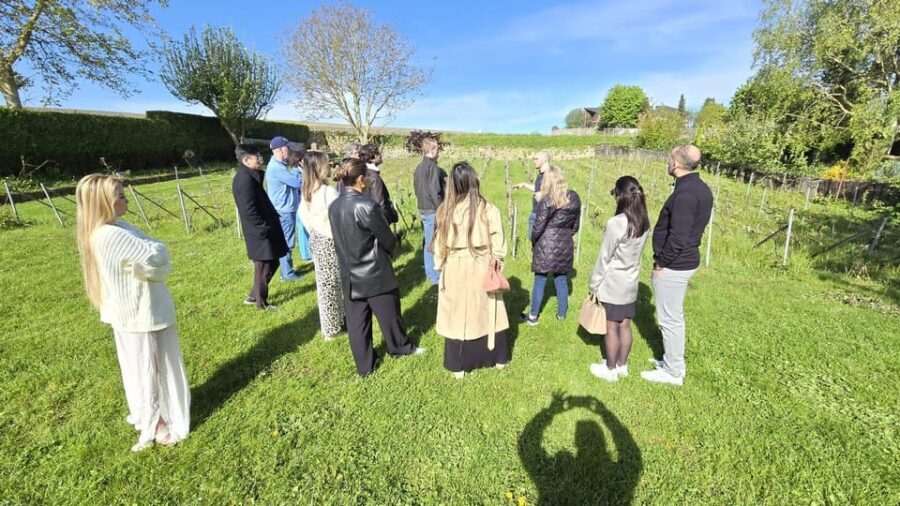
Once you meet your guide, you’re pulled into the property in a logical order. You start near the garden where the grandfather’s vines grow, which helps you understand the estate’s mindset: this isn’t just about selling bottles, it’s about caring for a living system. Then you move outward through the vineyards before heading down toward the cellar.
If your ideal wine tour is practical and paced—walk, learn, taste—this format fits. It’s also a nice change from tours that jump straight to a tasting room with almost no context.
You can also read our reviews of more tours and experiences in Mareuil Le Port.
Walking through the vines without the marketing fog
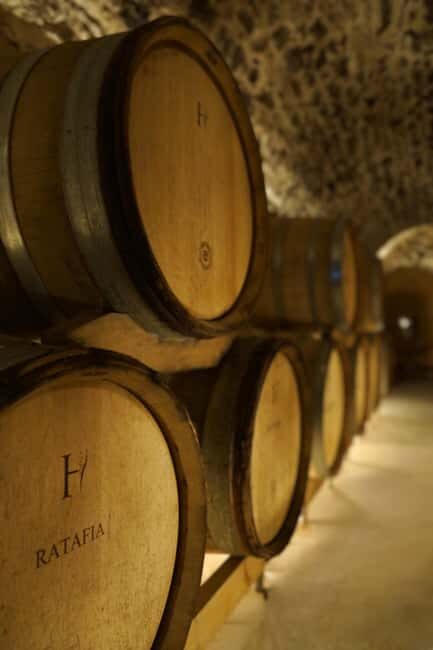
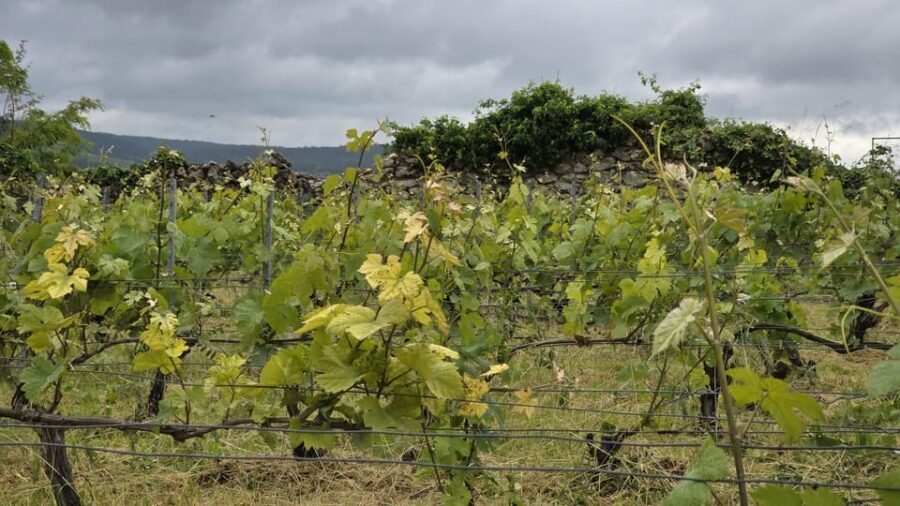
One of the best parts of this kind of vineyard tour is that you can actually see what people are talking about. Here, that starts with the estate gardens and continues into the vineyard blocks.
You’ll hear how the producer’s passion for organic and sustainable viticulture connects to what ends up in each cuvée. The practical point for you: different soils influence how grapes grow and ripen, which affects acidity, balance, and the overall style of the wine. It’s not just a romantic story. You’re getting the link between “place” and “taste,” using the estate’s own words and what’s visible around you.
You’ll also get a focus on biodiversity preservation. That isn’t just a feel-good slogan. In the real world, biodiversity can support healthier vineyard ecosystems, which can influence how grapes perform from season to season. You don’t need to be a wine nerd to appreciate that angle—you just need to care about why some producers farm differently.
One more thing: the tour includes a short stroll in the vines and some walking between areas. Expect a few steps on the way to the caves and also to reach the tasting room. If you have mobility concerns, you’ll want to keep that in mind before you go.
Down into the cool depths: why the cellar part matters
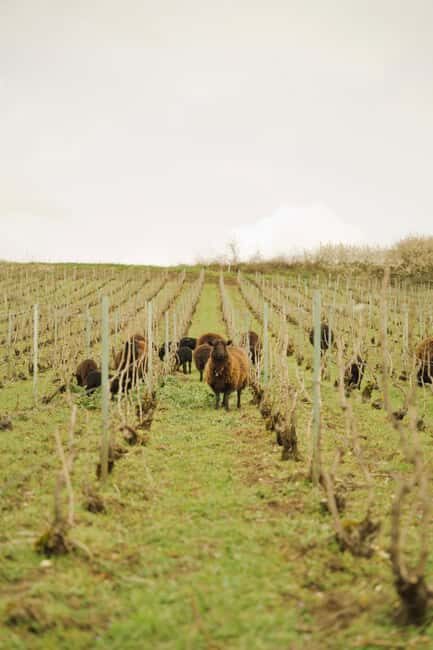
The cellar tour is where the visit goes from scenery to craft. You head into the cool depths of the estate and learn about Champagne production’s secrets in a way that stays tied to place. It’s guided, so you’re not stuck reading signage while time passes.
This is also where the tour’s “historic” angle shows up. You’re taken through a historic cellar, and that gives you a sense of continuity—how methods and routines have been passed down while still adapting to modern expectations. Even if you’re new to Champagne, this section helps you understand the logic behind what you’ll taste later.
In practical terms, the cellar stops are worth it because they explain the why behind the wine you’re about to drink. If the vineyard is about growing grapes, the cellar is about turning those grapes into something that can age and develop character.
The tasting: champagnes plus Ratafia Champenois
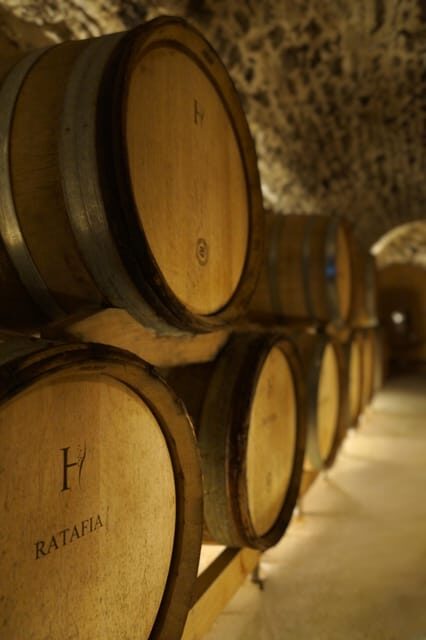
The tasting part lasts about 30 minutes, and it’s designed to be more than a sip-and-smile.
You’ll taste multiple champagnes, and then you’ll also try the estate’s emblematic Ratafia Champenois. That last one is a big deal for people who think they already know all the local wine options. Ratafia Champenois is not the same category as Champagne, and it carries a different flavor profile and history in the Champagne region. Trying it during the same visit is like getting the region’s full personality instead of only the headline act.
The tour also includes tasting guidance: you learn a basic art of tasting, so you know what to pay attention to rather than just chasing flavor names. You’ll likely find it easier to connect what you like to what you heard earlier, especially the discussion about soils and the way each cuvée is shaped.
If you’re the type who wants to order with confidence later, this is where you’ll get that. You’ll come away with a vocabulary for describing what you liked and why, even if you’re not aiming to write wine reviews.
Terroir across Mareuil-le-Port, Épernay, and Tours-sur-Marne
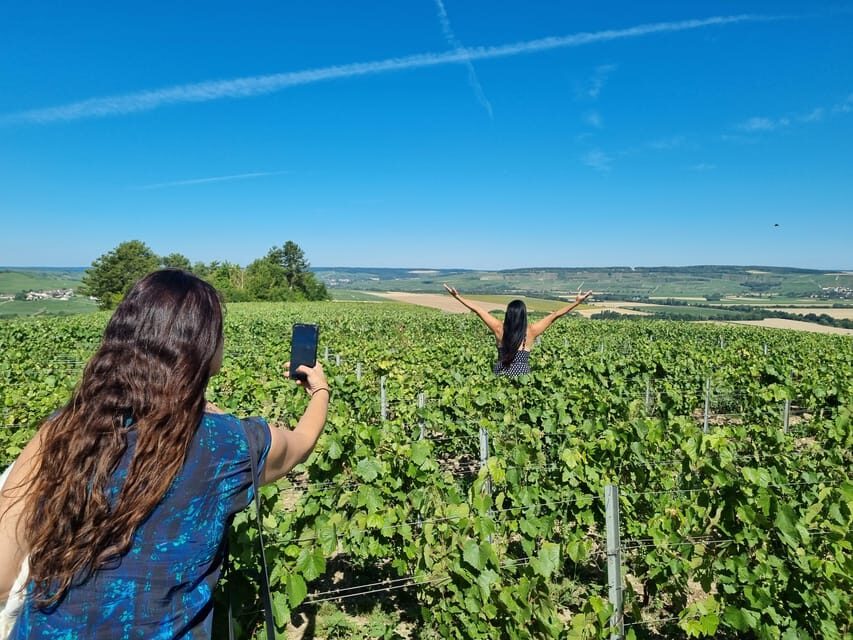
A strong part of the tour is that the tasting is anchored to real places. You’re taken through the estate and taught how soils shape each cuvée, and then the experience ties it to Mareuil-le-Port, Épernay, and Tours-sur-Marne.
Why that matters for you: Champagne can feel confusing because the region is so famous and the bottles can look similar on the shelf. When someone maps your glass to specific areas, the wines stop being random. You start tasting with a sense of geography, even if you never plan to visit those towns in person.
This also helps you understand that “terroir” isn’t just marketing. It’s a practical idea: the ground influences grape behavior, and the grape behavior shows up in the wine. The tour keeps that chain understandable.
Biodiversity and sustainable viticulture: how it shows up in the experience
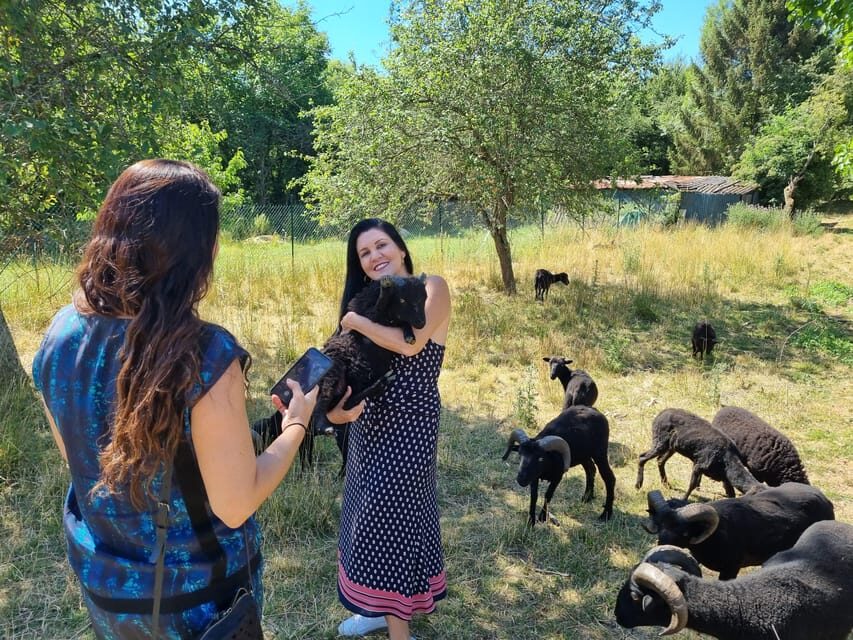
This estate’s biodiversity preservation focus is built into the tour rather than tacked on at the end. You’re guided through the vineyard areas and hear about organic and sustainable viticulture, so the message stays tied to actions, not just claims.
The useful takeaway is to listen for the link between sustainable choices and vineyard outcomes. Even when you don’t know the technical details, you can sense the intention: healthier ecosystems, careful farming, and a producer who isn’t treating the vineyard like a factory.
If you care about farming practices, this part will give you something to bring home. Instead of only remembering flavors, you’ll remember an approach.
What the vibe is like with guides (Sarah and Chléo)
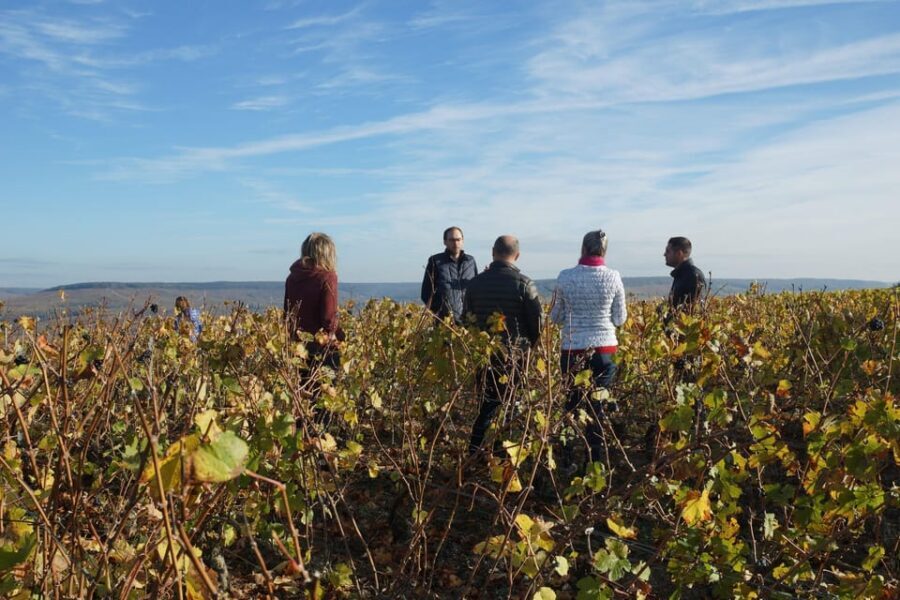
The experience is guided in English and French, and the tour is clearly built around enthusiastic teaching. In past visits, guides such as Sarah and Chléo have been mentioned as providing clear explanations and a warm, attentive approach.
That matters because a good wine tour isn’t only about what’s said—it’s also about pacing and clarity. If your goal is to understand Champagne production without getting overloaded, the guide-led format helps.
You should also plan for a guided flow that mixes walking with cellar time. Based on the structure of the visit, you can expect steps and a bit of movement, especially if you’ll be moving between vine areas and cellar rooms.
Price and value: $28 for a guided tasting with terroir context
At $28 per person, this tour sits in a pretty sensible spot for what you get: a guided tour, tasting, and context that connects vineyards, soils, production, and terroir areas.
Here’s the value math that matters:
- You’re not just buying a glass of wine. You’re paying for a guided walk through vineyards and into a historic cellar.
- The tasting includes champagnes plus Ratafia Champenois, which often isn’t included in basic tasting experiences.
- The total time is 90 minutes, which is long enough for real explanation but not so long that you feel trapped.
If your budget is tight, the main reason this feels like good value is the structure. Many Champagne visits either focus on the touring piece with little tasting, or they focus on tasting with minimal context. This one combines both.
One caution: a negative note from at least one visitor suggests the experience can feel a little too performative in parts. If you prefer quiet, sober, strictly informational visits, you may want to mentally adjust your expectations for the delivery style.
Who should book this tour (and who might skip it)
This is a strong match for you if:
- you want Champagne basics explained clearly, not in complicated wine-school jargon
- you like guided walks where you can connect what you taste to what you see
- you’re curious about Ratafia Champenois and not just Chardonnay-or-Champagne basics
- you care about biodiversity and sustainable viticulture rather than only the final product
You might consider skipping if:
- you dislike any hint of performance or staged energy during the visit
- you have limited mobility and don’t want to deal with stairs in the cellar area
If you’re a couple, a small group of friends, or even solo, this tends to work well. It’s also family-friendly in a specific way—see the next section.
Visiting with kids: wine tour rules made simple
Children under 18 can accompany you, which is great if you’re visiting as a family. The important part: under French law, they won’t be permitted to drink alcohol during the tasting.
What they can do instead: fruit juices can be provided for their enjoyment. Also, children under 18 don’t require a ticket for entry.
If you’re planning around it, this setup is useful because the adults get the tasting without you needing to split your day. Your kids still get the experience of the estate and the guided walk.
Should you book Champagne Harlin’s terroir tour?
I think you should book if your goal is a grounded Champagne experience that connects vineyards, soils, and a historic cellar to a tasting that includes both champagnes and Ratafia Champenois. The $28 price feels fair when you factor in the guided context and the extra specialty tasting.
I’d be cautious if you’re extremely sensitive to pacing or you only want dry, no-theatrics explanations. Also plan for steps in the cellar area, since the visit includes cave and tasting-room access that involves stairs.
Overall: this tour is best when you enjoy learning by walking—then tasting with a bit more understanding than you had at the start.
FAQ
How long is the Champagne Vineyard Experience?
The experience lasts 90 minutes.
Where do I meet for the tour?
Meet in the courtyard of Champagne Harlin Père & Fils at 8 Rue de la Fontaine.
What language is the tour offered in?
The guide offers the tour in English and French.
What is included in the ticket price?
The ticket includes the tour with a guide and the tasting.
What will I taste during the experience?
You’ll taste champagnes and the estate’s Ratafia Champenois.
Is there an age limit for this tour?
Children under 18 can accompany you, but they won’t be permitted to drink alcohol. Fruit juices can be provided for them, and they don’t require a ticket for entry.
How much does the tour cost?
It costs $28 per person.