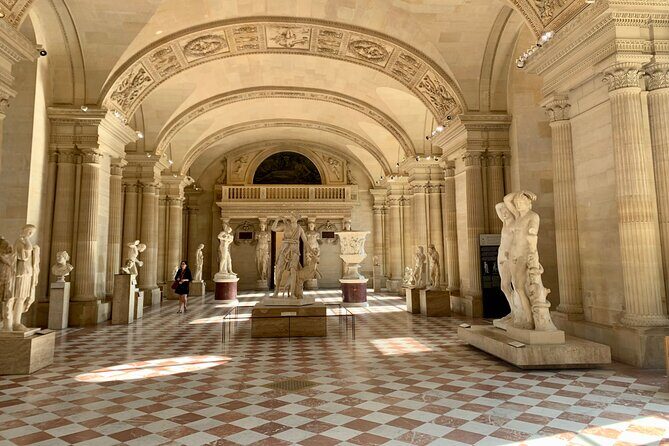
REVIEW · PARIS
Rodin Museum Guided Tour
Book on GetYourGuide →Operated by Babylon Tours LLC · Bookable on GetYourGuide
Rodin is best understood with a guide.
This tour turns a famous museum visit into a guided story of Rodin’s life and working methods, built around the works you already recognize. You’ll move through rooms filled with sculptures and selections of more than 200 paintings Rodin collected, then shift outdoors for the Garden of Sculptures.
I especially love two things: you get focused attention on signature pieces like The Gates of Hell and The Thinker, and you also get the less-obvious stuff—Rodin’s studies of hands and the life-sized The Walking Man. The one drawback to plan around is that there’s moderate walking, and it’s not framed as wheelchair-friendly for this specific experience.
Small-group pacing (max 8) for better questions
Skip-the-line entry keeps your time focused on art, not queues
Inside highlights: hands studies, The Walking Man, and Rodin’s collected paintings
Big moments explained: The Gates of Hell and The Thinker
Outdoor payoff: the Garden of Sculptures adds breathing room and more works to see
In This Review
- Rodin in Two Hours: What This Guided Tour Does Best
- Entering the Musée Rodin Without the Hassle
- Inside the Museum: Sculptures, 200 Paintings, and the Human Form
- A note on what varies by season
- Rodin’s Contemporaries: Balzac in Clay
- The Gates of Hell and The Thinker: The Story Behind the Shock
- The Garden of Sculptures: Where Rodin Feels Like Motion
- How to Get More Out of the Tour (Without Overthinking It)
- Price and Value: Is $128 Worth It?
- Who This Tour Suits (and Who Should Pass)
- Practical Tips Before You Go
- Should You Book This Rodin Museum Guided Tour?
- FAQ
- How long is the Rodin Museum guided tour?
- Where does the tour start and end?
- What is included in the price?
- Are tickets provided for both the museum and the garden?
- What famous artworks will we see?
- Is there a group size limit?
- What languages are the guides available in?
- Is the tour wheelchair-friendly?
- Is there moderate walking?
- What should I bring, and what can’t I bring?
- Is free cancellation available?
Rodin in Two Hours: What This Guided Tour Does Best

If Rodin feels overwhelming on your own, this format helps. In about two hours, you’re led through the museum in a way that connects the famous statues to the thought behind them. You’re not just seeing objects—you’re learning how Rodin treated the human body as something to study, test, and rework.
The tour also gives you a clear sequence. You start indoors, where the museum’s sculptures and Rodin’s collected paintings set the tone. Then you move into the garden, where the sculpture experience turns from “gallery viewing” into a more open, slower kind of looking. That inside-to-outside rhythm makes the time feel fuller than it might on paper.
Finally, you’ll hear context about Rodin’s place in the art world in the 20th century. That matters because Rodin isn’t only a “great artist you’ve heard of.” He’s part of the bridge to modern sculpture—sometimes even in ways people didn’t realize at the time.
Entering the Musée Rodin Without the Hassle
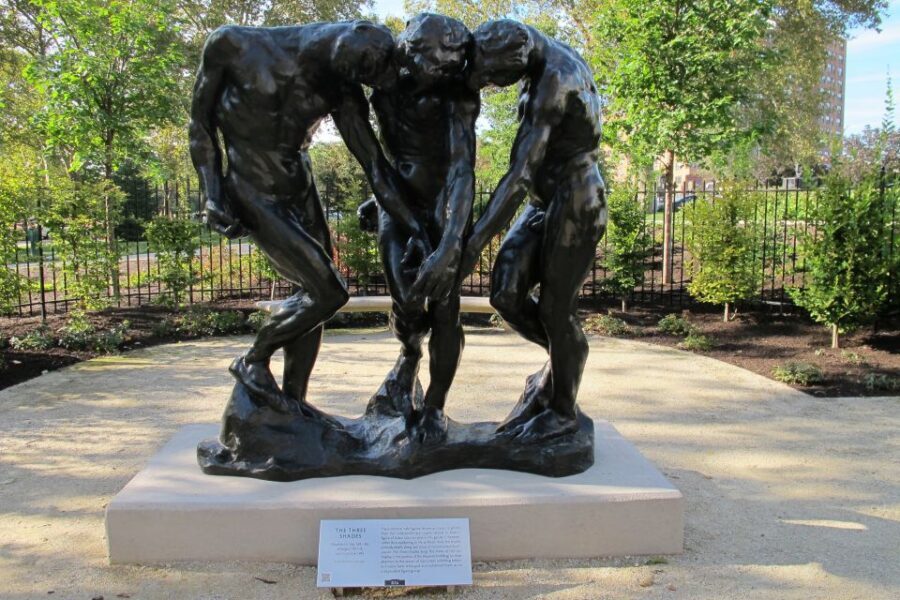
One practical win: your ticket includes skip-the-line access. When you’re paying for a guided experience, you want your money to buy time and focus. Skipping the ticket line helps you get moving toward the important rooms quickly.
This is also a small-group tour—up to 8 guests per guide. That size is big enough to meet fellow travelers, but small enough that the guide can actually answer questions and adjust to what you want to see. It’s the difference between “watch the guide walk away” and actually hearing the story behind the works.
The tour lasts about 2 hours, with starting times that vary by availability. Since the museum can sometimes have occasional closures without advance warning, you may be offered an alternative if the museum opening is delayed by more than an hour. It’s worth keeping a flexible mindset when you schedule the rest of your day.
You can also read our reviews of more guided tours in Paris



Inside the Museum: Sculptures, 200 Paintings, and the Human Form
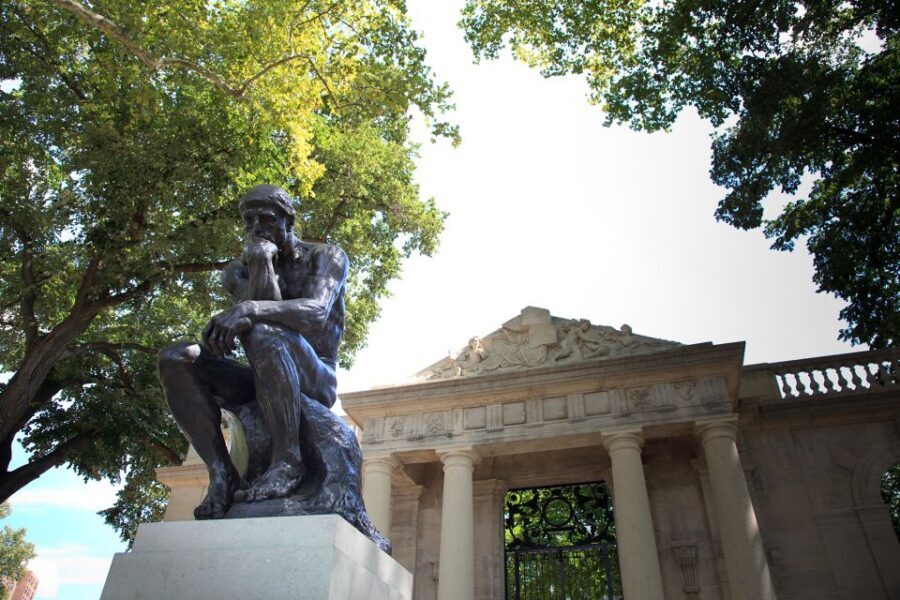
The indoor portion is where the guide makes Rodin feel less like a name and more like a working artist. You’ll see rooms full of sculptures set throughout the museum, and you’ll also be shown selections of more than 200 paintings Rodin accumulated over his life. That detail is easy to overlook if you only chase the biggest statues, but it changes how you read the museum.
You’ll also focus on Rodin’s recurring studies of the body. Expect attention to things you might not think to hunt for on your own, like his repeated work on hands and other life-form details. Those body parts are not random. They’re part of his obsession with gesture, expression, and the almost invisible moment when motion becomes meaning.
A key point of the tour is The Walking Man—a life-sized study that helps you understand how Rodin tested form in real scale. The walking figure is a great “bridge object.” It connects the academic discipline behind sculpture with the more modern idea that movement and weight can be expressed through form alone.
A note on what varies by season
Some rooms and collections can change during the year. If you’re a super-structured planner and need specific rooms, don’t assume every stop stays identical across seasons. The core masterpieces you’re targeting are consistent, though.
Rodin’s Contemporaries: Balzac in Clay

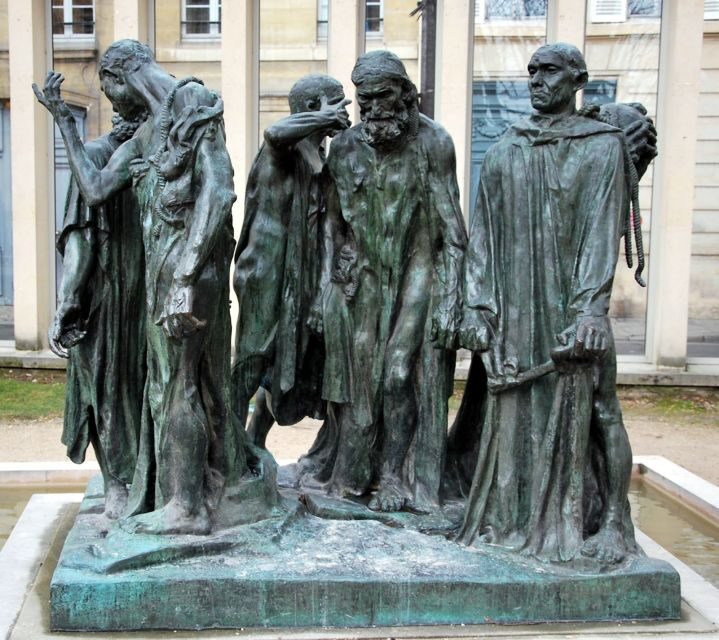
Rodin didn’t sculpt in a vacuum. As you move through the museum, you’ll learn how he depicted people close to his world, including contemporaries portrayed in clay, such as the French writer Balzac. This is one of those details that makes Rodin feel surprisingly human.
When you understand that he treated clay as a way to test likeness, texture, and character, you stop viewing the museum as a static lineup of finished masterpieces. Instead, you see the process. You start noticing how faces and bodies convey personality through surface, not only through accuracy.
For you, the payoff is interpretation. You’ll get help translating what you’re seeing into the way Rodin worked: he wasn’t just copying a body. He was shaping a presence.
The Gates of Hell and The Thinker: The Story Behind the Shock
Now for the big two. The tour highlights The Gates of Hell and The Thinker, which are often mentioned as “must-see” pieces for a reason. But the key is what you learn about them.
The Thinker is recognizable, but it’s easy to treat it like a generic icon. With the guide, you’ll learn how it connects to the wider concept of The Gates of Hell and how Rodin built a world of emotion and physical drama. You’ll also understand why The Gates of Hell became such a landmark in his career, even beyond the literal imagery.
What I like about having this explained is that it keeps your eye moving. Instead of standing still and guessing what you’re supposed to feel, you’re guided to look for relationships: the way bodies interact, the sense of tension, and how Rodin turns anatomy into narrative.
This is also where the guide’s communication style matters. One highlighted guide, Marcel, is described as brilliant, with the tour feeling like you can look over Rodin’s shoulder. That’s the kind of framing that helps the masterpieces make sense fast—without turning the museum into a lecture hall.
You can also read our reviews of more museum experiences in Paris






The Garden of Sculptures: Where Rodin Feels Like Motion
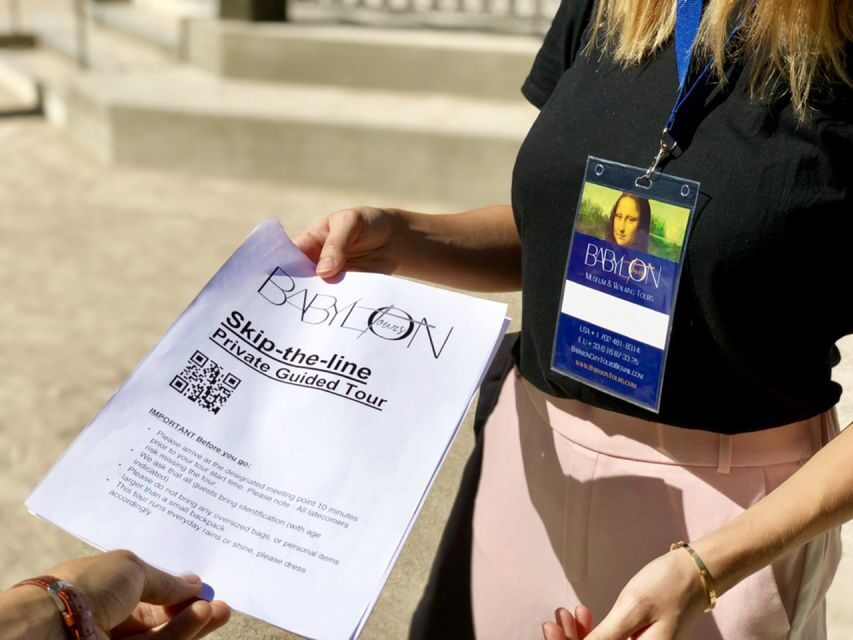
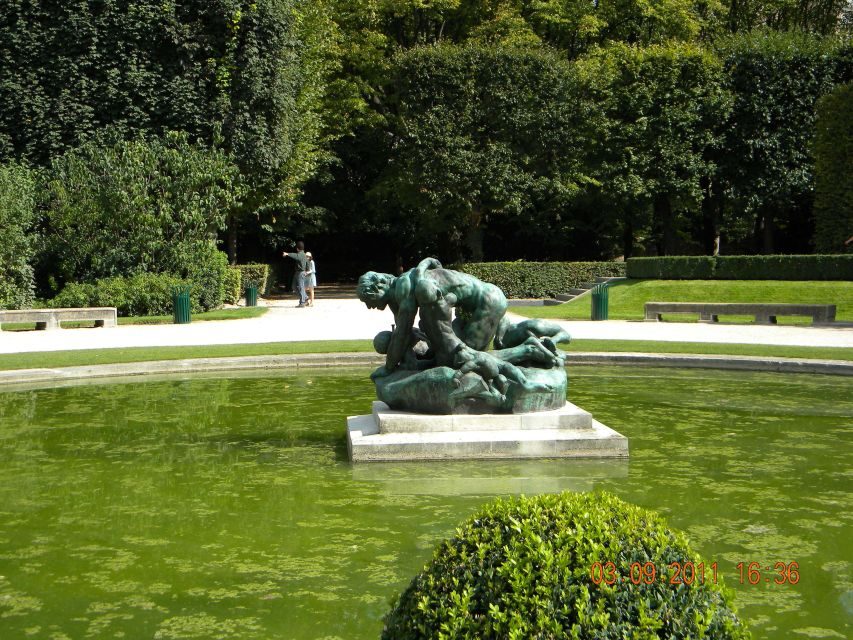
After the indoor portion, you stroll the Garden of Sculptures, where you’ll see more works displayed outdoors. This change of setting matters. Sculpture in a museum can feel compressed—everything is framed, lit, and contained. Outdoors, you start sensing scale and pacing in a different way.
The garden also gives you a breather between “big moments.” It’s where the guide’s storytelling can slow down. You’re not just ticking off names; you’re learning how Rodin’s forms live in space, how they catch light, and how they look when your viewing angle changes.
If you’re the kind of person who likes to compare impressions—how something shifts as you walk past it—this part is worth savoring. The garden is where you can feel Rodin’s thinking about human form as something continuous, not fixed.
And yes, it’s still part of the guided experience. The guide doesn’t just point at statues. You’ll be shown how all the works connect back to Rodin’s role as a father of modern sculpture, even if people didn’t always realize it at the time.
How to Get More Out of the Tour (Without Overthinking It)
To make the most of two hours, go in with a tiny plan. Here’s what helps:
- Decide which masterpiece matters most to you: The Gates of Hell or The Thinker (you’ll see both, but your focus can guide your questions).
- Look for evidence of process: hands, posture, and recurring body studies.
- Ask one question about materials or method if you can. The guides focus heavily on how Rodin worked, not only what he made.
Also, keep an eye out for the guide’s personality. Another highlighted guide, Sunday, is noted for being welcoming and for adjusting to what guests wanted to see. That kind of flexibility can turn a “standard” highlights tour into a more personal route through the museum.
That’s the real value of a small group: you’re not stuck with a one-size-fits-all pace.
Price and Value: Is $128 Worth It?
Let’s talk value, because $128 per person is not a cheap impulse buy. You’re paying for three main things:
- Skip-the-line entry and museum access
- A professional art historian guide
- A small group experience (max 8)
If you were to visit on your own, you’d still need to figure out the “how to look” part. A museum like Rodin’s can reward deep looking, but it can also cost you time. This tour saves you that planning time and replaces it with guided interpretation, including details about Rodin’s collected paintings and his clay studies of contemporaries like Balzac.
Two hours is also a sweet spot. You won’t feel trapped for half a day, and you’ll still come away with enough context to understand why The Gates of Hell and The Thinker matter.
So, I’d call this good value if you want understanding, not just photos. If you prefer to wander without structure, you might not get your money’s worth.
Who This Tour Suits (and Who Should Pass)
This tour is a strong fit if you:
- Want a clear, time-efficient route through the museum and garden
- Appreciate art history with practical visuals (hands, posture, process)
- Like small groups and the chance to ask questions
- Are drawn to major works but also want the thinking behind them
It’s less ideal if:
- You need a very low-walking experience. The tour involves moderate walking
- You’re a wheelchair user. The guidance here is mixed: wheelchair tours are mentioned as available only on request, but the experience notes it’s not suitable for wheelchair users and also not available for those with walking disabilities
If accessibility is a concern, I’d treat it as a “confirm before you book” situation. Don’t assume the tour will work the way you need just because wheelchair options are referenced.
Practical Tips Before You Go
A few small things make your visit smoother:
- Bring a passport or ID card
- Avoid luggage or large bags, since they aren’t allowed
- Wear shoes that handle museum walking and garden paths
- Plan around the possibility of occasional museum closures that can delay openings
Also, note the tour languages. It runs with live guides in English, French, Spanish, German, Italian, and Russian, depending on your departure. If language nuance matters to you, double-check the option you book.
Should You Book This Rodin Museum Guided Tour?
Yes, if you want Rodin to click. This is the kind of tour that gives you the short path to understanding: the human-form studies, the clay portraits like Balzac, and the “why” behind The Thinker and The Gates of Hell. The small-group size and historian guide are the real engine here.
I’d skip it only if you prefer total freedom over interpretation, or if your mobility needs don’t match a tour with moderate walking. Otherwise, at $128 for an art historian-led, skip-the-line highlights visit covering both museum and garden, it’s a solid way to spend your time in Ile-de-France.
FAQ
How long is the Rodin Museum guided tour?
The tour duration is listed as 2 hours.
Where does the tour start and end?
It starts at a meeting point that may vary depending on the option booked and ends back at the meeting point.
What is included in the price?
Entrance fees and skip-the-line access to the museums are included, along with a professional art historian guide. Private or small group tour options and a walking tour are included.
Are tickets provided for both the museum and the garden?
The tour includes exploring the Rodin Museum and then strolling through the Garden of Sculptures.
What famous artworks will we see?
You’ll see The Gates of Hell and The Thinker, plus other sculpture displays inside and in the garden.
Is there a group size limit?
Yes. The maximum is 8 guests per guide for a more intimate experience.
What languages are the guides available in?
The tour offers live guides in Spanish, German, Italian, French, Russian, and English.
Is the tour wheelchair-friendly?
Wheelchair tours are available only on request, but the activity notes it is not suitable for wheelchair users. If accessibility is important, you’ll want to confirm the fit before booking.
Is there moderate walking?
Yes. The tour involves a moderate amount of walking, and it’s not available for those with walking disabilities or wheelchair users.
What should I bring, and what can’t I bring?
Bring a passport or ID card. Luggage or large bags are not allowed.
Is free cancellation available?
Free cancellation is available up to 24 hours in advance for a full refund.