REVIEW · PARIS
Croissants and pains au chocolat with a pastry chef in Paris
Book on Viator →Operated by Un croissant à Paris · Bookable on Viator
Butter, dough, and serious Paris charm. In this small, home-kitchen class with chef Joannie, you learn the full croissant and pain au chocolat process, step by step, from dough work to lamination and baking. I love the hands-on pacing (you’re not just watching), and I also love that you leave with both pastries to eat and a recipe you can use later. One possible drawback: this is not for gluten-free or lactose-free diets, and there’s a cat in the home.
You also get a proper break from big-ticket tourist stops. The class runs about 2 hours 30 minutes, keeps groups to a maximum of 6 people, and includes a hot beverage plus a surprise French pastry from the chef—along with Paris recommendations for patisseries and restaurants.
In This Review
- Key things that make this croissant class work
- Finding the class: 115 Bd Voltaire, and why the address matters
- What you learn: croissants and pain au chocolat, from dough to baking
- The hands-on part: you don’t just watch the butter
- Lamination and fermentation: the two skills that change everything
- Your tasting moment: hot drink, pastries, and a surprise from the chef
- After class: recipe sent to you, so it’s not a one-day stunt
- Paris trip talk: patisserie and restaurant recommendations from your chef
- What it costs (and why it can still be good value)
- Who should book this croissant and pain au chocolat class
- Who might want to skip or double-check
- Should you book this croissant making class?
- FAQ
- Is this class in English?
- How long is the croissant and pain au chocolat class?
- Where do we meet in Paris?
- What’s included in the class?
- Do I get food to take home?
- Do I receive a recipe after the class?
- Is this class suitable for kids?
- Is it okay for gluten-free or lactose-free diets?
- Is there a cat in the home?
- What’s the cancellation rule if I need to change plans?
Key things that make this croissant class work
- Small group size (max 6) so you can actually touch the dough and get coaching
- Step-by-step croissant lamination and fermentation taught clearly in multiple languages
- You eat what you make, plus a surprise French pastry and a hot drink
- Recipe sent after class so you can reproduce it at home
- Paris tips included so your time doesn’t end at the cutting board
- A real-home setting with a relaxed, intimate feel, plus one very visible cat
Finding the class: 115 Bd Voltaire, and why the address matters
The meeting point is 115 Bd Voltaire, 75011 Paris, in the 11th arrondissement. That location is useful because it keeps the experience anchored in everyday Paris, not a tourist bubble. It’s also close to public transportation, which matters in a city where every shortcut saves time and energy.
What you’re walking into is more like a chef’s home kitchen than a factory-style workshop. Several people really loved the intimate setting in an older Paris building, and it shows in the vibe: you can hear yourself think while you’re learning timing-sensitive dough work.
If you like your Paris days to mix skills and scenery, this is a nice contrast to the classic museum sprint. You’ll spend your time on something practical, hands-on, and delicious—and you’ll still get to talk about where to eat around the city.
You can also read our reviews of more tours and experiences in Paris.



What you learn: croissants and pain au chocolat, from dough to baking
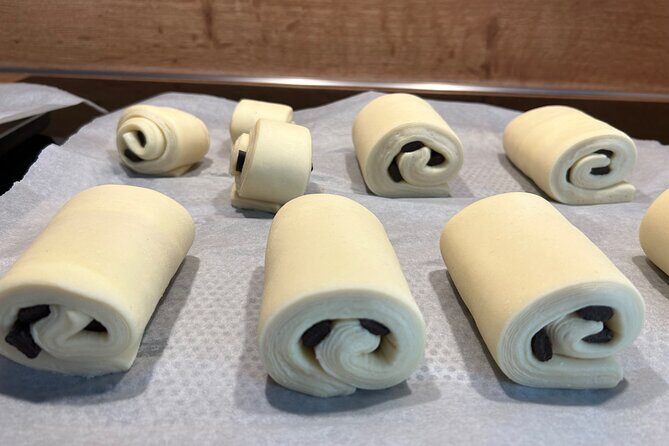
This class focuses on the real mechanics behind two iconic French pastries: croissants and pain au chocolat. The goal is not just to produce pastries for one day. It’s to help you understand the method so you can reproduce results at home.
Here’s the big picture of what you’ll practice:
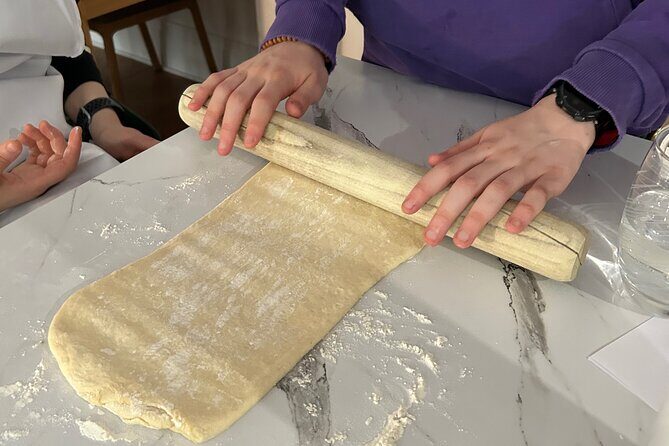
- Making and handling the dough
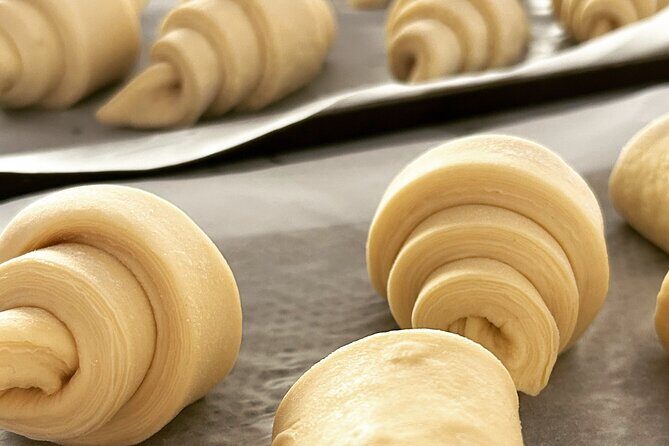
- Working with lamination (layering butter into dough)
- Managing fermentation (time + conditions that affect flavor and texture)
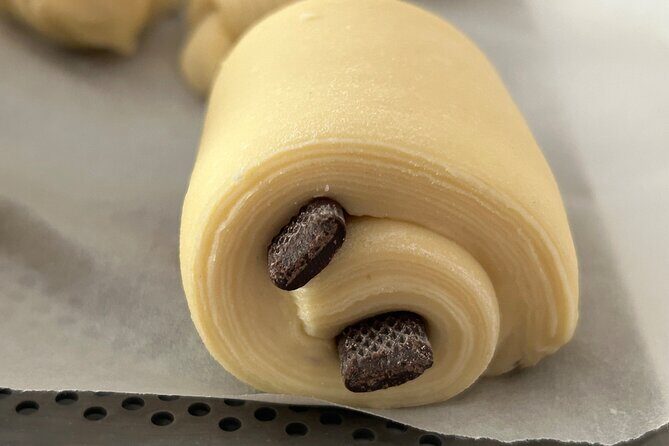
- Shaping the pastries
- Baking them so you get that classic flaky structure
The instruction is described as step by step guidance from the chef, with technique explained while you work. That’s a big deal for croissants because small mistakes can snowball—especially with lamination. If you’ve ever tried croissants at home and felt like the process is half science experiment, this is the kind of structure that turns confusion into something you can repeat.
The hands-on part: you don’t just watch the butter
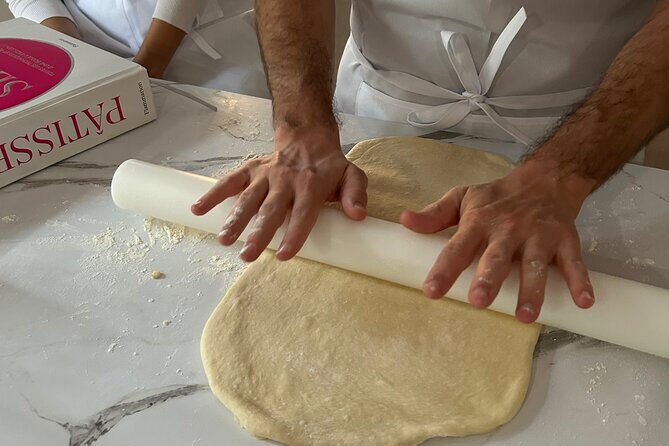
Croissants aren’t a pastry you can fully learn by staring. In this class, you’re expected to participate. With a maximum of 6 people, it’s easier for the chef to correct your technique, not just give a general speech.
In plain terms, you’re practicing how to:
- Handle dough so it stays workable (not too warm, not too stiff)
- Keep lamination consistent so layers form
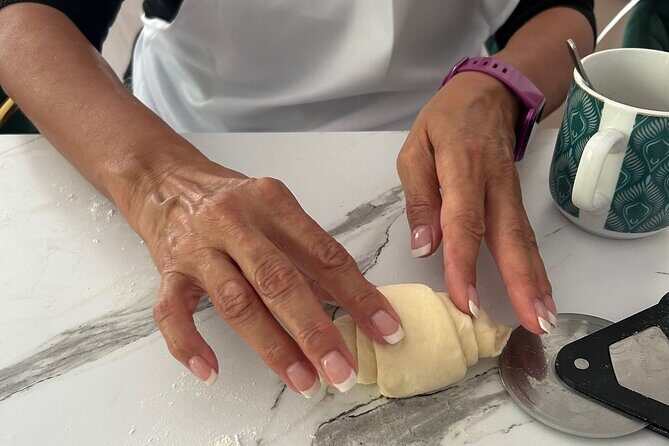
- Shape cleanly so the pastries bake evenly
- Understand what the dough is doing while it ferments
Small-group formats make a difference here. With fewer people, you get more attention during the moments that matter most. That’s when you’ll hear quick fixes—like what to look for in texture, or how to avoid turning the butter layers into a melting mess.
And yes, you’ll taste as you go. The class includes enjoying croissants and pain au chocolat with a hot beverage, so you’re not waiting until the end to feel the payoff.
Lamination and fermentation: the two skills that change everything

If you only remember one thing from a croissant class, make it this: lamination and fermentation control the final texture.
Lamination is about layers. When done right, the butter creates steam during baking and separates the dough into flaky sheets. When it’s rushed or uneven, you can end up with bread-like density instead of that airy, shattery bite.
Fermentation is where flavor develops and where structure forms. You’re not just waiting for dough to “rise.” Fermentation affects the dough’s behavior later—how it stretches, how it holds shape, and how it bakes.
This experience explicitly calls out both lamination and fermentation as part of the secrets you’ll learn. That means the chef’s teaching isn’t limited to shaping tricks. You’re building a base understanding of what each stage is doing.
Your tasting moment: hot drink, pastries, and a surprise from the chef
The class isn’t just technical. It’s also a very practical food break.
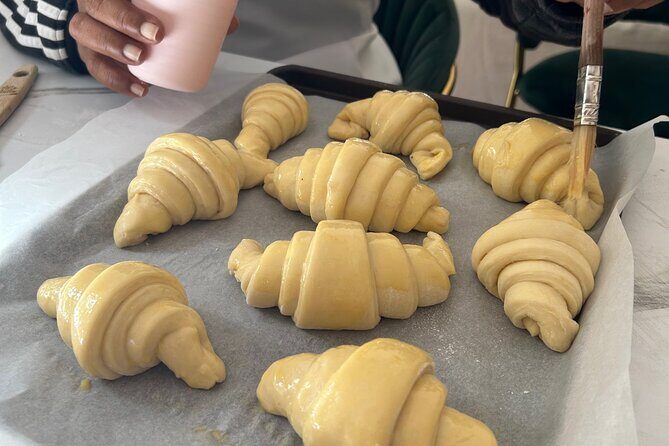
During the session, you’ll enjoy croissants and pains au chocolat with a hot beverage. You’ll also get a surprise French pastry made by the chef. In a home-kitchen format, that “surprise” often lands like a small bonus—something extra that makes the class feel like more than just a ticket to dough.
You’ll also likely leave with multiple pastries made during class. Many people highlight the generous end result, and a lot of the appeal is that you can snack your way through Paris after the workshop rather than relying on one quick bite.
If you’re planning your trip, this is a smart activity to schedule earlier rather than at the very end. You’ll be able to eat immediately and keep the recipe-driven motivation going for the rest of your stay.



After class: recipe sent to you, so it’s not a one-day stunt
One of the best parts of this class is that you’re set up to keep going at home. The recipe and tips are sent after your class, so you can actually reproduce what you learned rather than relying on memory.
This matters because croissants are multi-stage by nature. Even if you nail technique during the class, you’ll still benefit from having the steps written out clearly when you’re planning your next bake day at home.
Think of it like this: the class gives you the “feel” for the dough. The recipe helps you turn that feel into a repeatable routine.
If you’re the type of traveler who wants a real souvenir (not just photos), this is a high-value kind of memory. It becomes something you can share, especially if you’re cooking for family later.
Paris trip talk: patisserie and restaurant recommendations from your chef
You’re not only learning pastries. During your time with the chef, you’ll also discuss your Paris trip and get recommendations for local patisseries and restaurants.
This is valuable because a pastry chef’s suggestions tend to be grounded in craft, not just in what’s easy to find. Even if you already have a shortlist, you’ll probably pick up a couple of ideas that weren’t on your radar—especially for places where croissants and chocolate pastries are treated with care.
And because the conversation happens during a relaxed home-kitchen session, you’re more likely to get helpful guidance on what to prioritize based on your schedule and cravings.
What it costs (and why it can still be good value)
Price is $126.98 per person for about 2 hours 30 minutes. That’s not cheap, especially compared with a museum entry. But it’s also not a generic food tour.
You’re paying for:
- Real chef instruction with step-by-step guidance
- Hands-on practice with dough work that takes time and materials
- A small group setting (max 6 people)
- Food included during the class (croissants/pain au chocolat, hot beverage, plus a surprise pastry)
- A recipe and tips sent to you after the class
In many cities, cooking classes are priced high because ingredients and time are expensive. Here, you’re also learning a skill that’s notoriously hard to master from videos alone. The value shows up if you’ll actually bake again at home.
If you’re the kind of traveler who wants to taste one pastry in one place, this may not feel worth it. If you want a practical skill and a delicious payoff that lasts beyond the day, it’s easier to justify.
Who should book this croissant and pain au chocolat class
This experience is a great fit if you:
- Want hands-on learning and not just a tasting
- Love French baking and want to understand the why behind flaky layers
- Plan to bake at home and want a recipe plus tips afterward
- Enjoy small-group activities where you can ask questions
It’s also a good fit for a family day when the ages work. The class is not recommended for children under 10 years old, but people have mentioned taking kids in the 10+ range with success (with some adult help when needed).
Who might want to skip or double-check
You should reconsider if you:
- Need gluten-free or lactose-free options (not recommended for those diets)
- Have allergies or strong concerns related to cats—there is a cat in the home
- Prefer highly structured, classroom-only environments with no home setting
If you’re traveling with a sensitive palate or dietary restrictions, you’ll want to check carefully before booking. Since the class is centered on classic butter-and-flour pastry work, substitutions aren’t mentioned in the provided details.
Should you book this croissant making class?
I’d book it if you want one of your Paris days to produce something real: flaky croissants, pain au chocolat, and a skill you can repeat. The combination of small group size, step-by-step coaching from chef Joannie, and take-home recipe support makes it feel like value, not just a novelty.
Skip it if your priority is a quick, low-effort food stop, or if dietary needs (gluten/lactose) or cat-related concerns would make the experience stressful.
If you can meet those basics, this is a standout kind of Paris souvenir: the kind you can taste tomorrow and make again later.
FAQ
Is this class in English?
Yes. The experience is offered in English, and it is also available in French and Italian.
How long is the croissant and pain au chocolat class?
It runs for about 2 hours 30 minutes.
Where do we meet in Paris?
The meeting point is 115 Bd Voltaire, 75011 Paris, France. The class ends back at the same meeting point.
What’s included in the class?
You’ll enjoy croissants and pains au chocolat with a hot beverage, plus a surprise French pastry made by the chef.
Do I get food to take home?
You make croissants and pain au chocolat during the class, and the experience includes taking home what you produce.
Do I receive a recipe after the class?
Yes. The recipe and tips are sent after the class so you can reproduce the pastries at home.
Is this class suitable for kids?
It is not available for children under 10 years old.
Is it okay for gluten-free or lactose-free diets?
No. It is not recommended for gluten free and/or lactose free diets.
Is there a cat in the home?
Yes, there is a cat in the home. It is not recommended for people allergic to cats or afraid of them.
What’s the cancellation rule if I need to change plans?
You can cancel for a full refund up to 24 hours before the experience starts. If you cancel less than 24 hours before, the amount paid is not refunded.