REVIEW · GUIDED
From Louvre to Street Art – original museum guided tour (skip the line!)
Book on Viator →Operated by Street Art Tour Paris · Bookable on Viator
Street art turns Louvre icons into something current. This tour takes the museum’s biggest names and reintroduces them through contemporary street-art interpretations, linking art history to what people are making today—without turning your day into a lecture. You get skip-the-line entry, which matters at the Louvre.
What I like most is the guide’s approach—Kasia brings stories of the classic works and then connects them to street artists around the world. It also works well for mixed groups, including teens, because the themes are easier to grab when you can see how the same image gets remixed again and again. The other big win is that it’s a private tour, so the pacing and focus can suit your group.
One consideration: the Louvre is huge, and even with a focused highlights route, this is not a cover-every-room marathon. If your group wants a strict, traditional deep dive into every school and technique, the street-art angle may feel like a different kind of priority.
In This Review
- Key highlights you’ll care about
- Why a Louvre-to-street-art tour works so well
- Skip-the-line entry and where to meet by the Pyramid
- What you’ll do inside the Louvre (and what you might miss)
- Iconic works you’ll anchor to: Mona Lisa energy and more
- Kasia’s connection style: history that makes sense today
- The rhythm of the tour: focused stops, not a nonstop sprint
- Why the street-art interpretation angle adds real value
- Price and value: what $297.03 per person buys you
- Mobile ticket, timing, and the practical day plan
- Who should book this Louvre-to-street-art tour?
- Should you book it?
- FAQ
- How long is the Louvre to Street Art guided tour?
- What’s included in the tour price?
- Where do we meet for the tour?
- Is this a private tour?
- When will I receive confirmation after booking?
- Is it refundable if plans change?
Key highlights you’ll care about
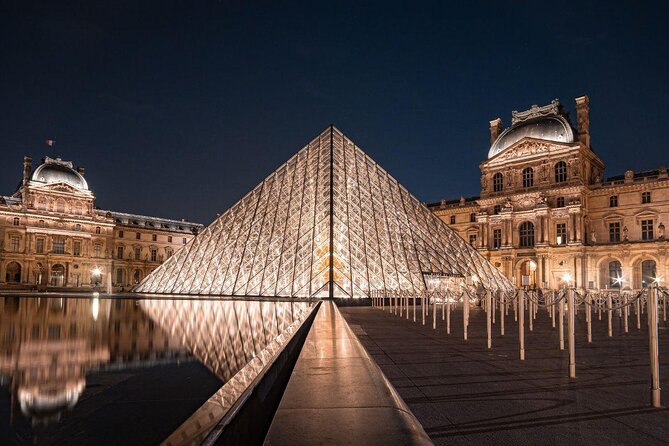
- Meet in the Cour Napoléon area: Your start point is Louis XIV sous les traits de Marcus Curtius (copie), near the Louvre’s Napoleon Court and Pyramid
- Skip-the-line entry is included: You buy time back for the things you actually want to see
- Street art meets museum classics: You’ll learn how famous works show up in contemporary street-art takes
- Kasia’s guiding style fits teens: The way she ties history to today’s artists keeps younger visitors engaged
- Private group format: It’s only your group, not a big mixed crowd
Why a Louvre-to-street-art tour works so well
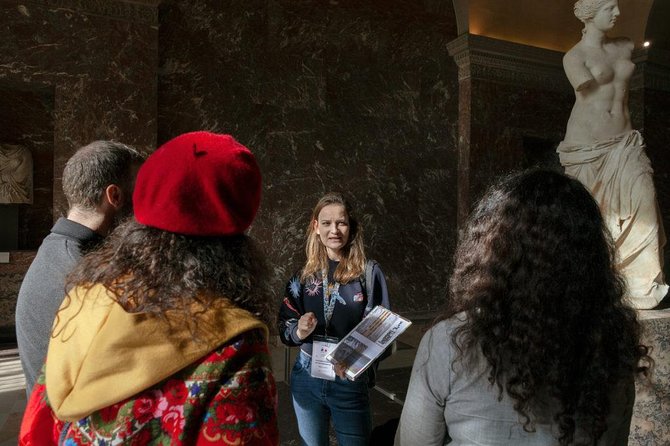
The Louvre can feel like a test: huge rooms, famous names, and a lot of silence. This kind of tour changes the job. Instead of asking you to memorize what you’re looking at, it asks you to notice how the same images keep getting re-used and re-interpreted.
That street-art lens is smart because it meets your brain where it already is. Even if you do not care about street art as a hobby, you’ve seen the basic idea—artists borrow recognizable faces and icons and remix them for new messages. Inside the Louvre, that means the museum’s most famous works start to feel like living material, not just museum labels.
And because it’s a skip-the-line guided tour, you start with momentum. At the Louvre, momentum is a big deal. Waiting and wandering can eat your day before the art even reaches you.
Skip-the-line entry and where to meet by the Pyramid
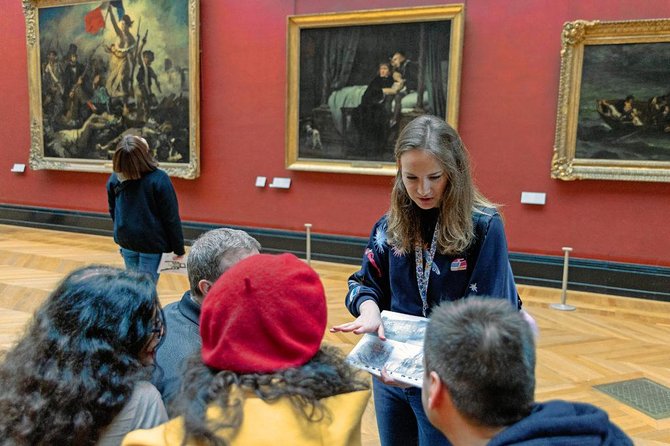
You’ll start at Louis XIV sous les traits de Marcus Curtius (copie) in Cour Napoléon et Pyramide du Louvre, 75001 Paris. It’s a specific meeting point, and that’s good news. At the Louvre, being precise saves time and frustration.
The tour is about 2 hours 30 minutes total (approx.), and the museum time is listed as 2 hours with the admission ticket included. So plan for a short, focused visit rather than an all-day experience. If you want a calmer pace or want extra stops beyond the highlights, you may need to build that into your day separately.
You’re also told this is near public transportation, which helps. Paris transit to the Louvre is straightforward, but the station-to-entrance walk can still vary depending on which line you use, so give yourself a little cushion.
What you’ll do inside the Louvre (and what you might miss)
The whole tour centers on one main stop: the Louvre Museum. You’ll spend that time rediscovering and refreshing the museum highlights while learning how they appear in iconic contemporary street artworks.
That sounds broad, so here’s the practical takeaway: you’re not just walking from one famous room to another. You’re pairing museum scenes with outside-the-museum visual storytelling. The goal is to help you see why certain images become cultural shorthand—why someone paints a new version of it on a wall instead of creating something entirely new from scratch.
That also leads to the tradeoff. You’re likely to miss some of the Louvre’s quieter corners. This is a curated highlights approach. It’s designed for understanding and enjoyment, not for checking off every major department.
Iconic works you’ll anchor to: Mona Lisa energy and more
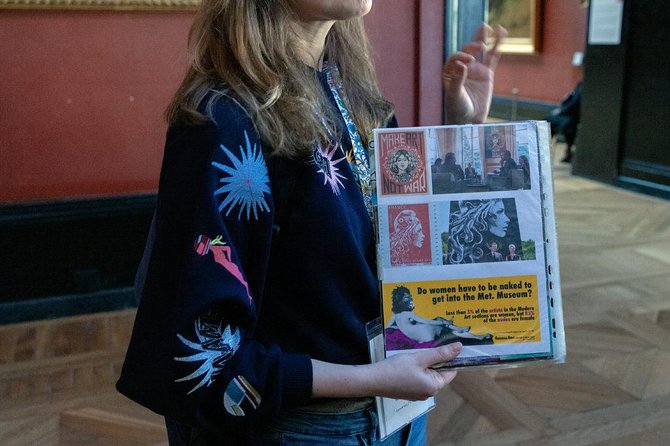
As you move through the Louvre, you’ll stop for key paintings and iconic works—most notably the Mona Lisa and La Grande Odalisque—along with other famous paintings. The street-art angle is what turns these into more than just photo stops.
Here’s why that matters. The Mona Lisa is often treated like an object of celebrity. With this format, you’re encouraged to see the work as an image that artists keep referencing, revising, and transforming. Instead of asking only what it looks like, you’ll start noticing what people choose to borrow from it.
For La Grande Odalisque, the street-art framing gives you a different kind of entry point. It invites you to think about how an image travels across time—how the same subject can be used for very different messages when it shows up in later visual culture.
If you’re bringing a group with mixed interests, these recognizable anchors are huge. It’s easier to agree on what matters when the tour starts with names everyone can point to.
Kasia’s connection style: history that makes sense today
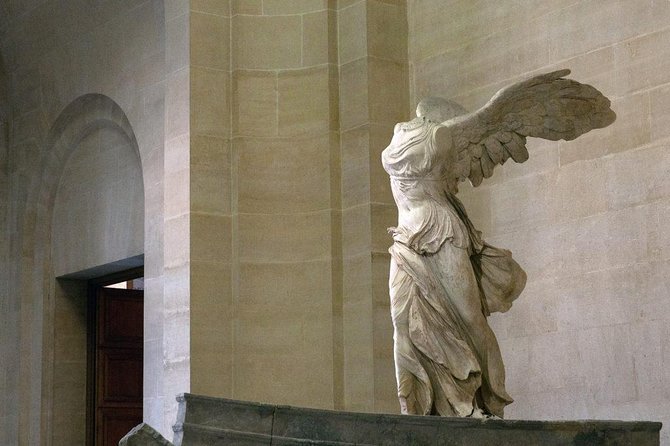
The standout from the experience is the guide’s storytelling method. Kasia is specifically praised for blending historic art stories with connections to street art, and for doing it in a way that keeps the group moving.
What I like about this kind of guiding is that it reduces the “stand here, listen, forget” problem. When you link the past to what’s happening now—street artists interpreting old masters—you get a reason to pay attention beyond the moment.
The other big practical value is navigation. The Louvre can overwhelm even confident adults. A guide who can move you through the museum efficiently, while still letting you actually look, changes the whole experience. In a tour like this, your time goes into seeing and understanding, not into constantly re-orienting.
And yes, it’s also a strong pick if you’re traveling with teenagers. The street-art lens creates a common language. Teens don’t need permission to care; they need relevance. This approach gives them both.
The rhythm of the tour: focused stops, not a nonstop sprint
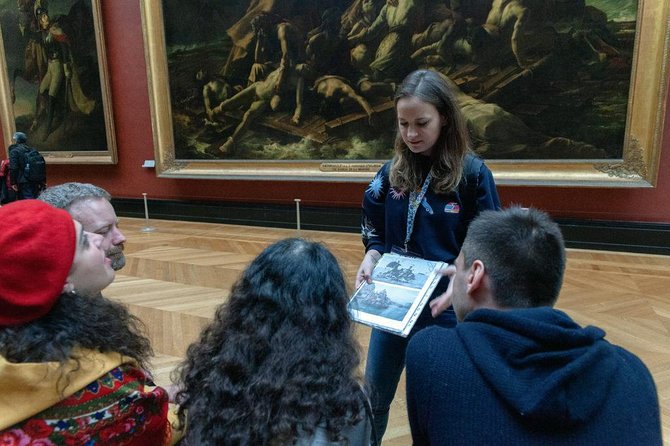
A 2-hour museum block is long enough for real stops, but short enough that you won’t feel trapped in an endless loop. The structure is built for highlights, with guided pauses so you can take in what you’re seeing.
In practice, that means:
- You’re likely to spend less time in the museum’s least-familiar zones.
- You’ll get fewer “I guess we’re here” moments because the street-art connection gives each stop a clear purpose.
- You’ll leave with a better sense of how museum icons function in modern culture.
One caution: the Louvre involves a lot of walking and indoor moving around. The tour says most travelers can participate, but if your group has mobility limits or fatigue issues, you’ll want to plan the day with breaks outside the museum too.
Why the street-art interpretation angle adds real value
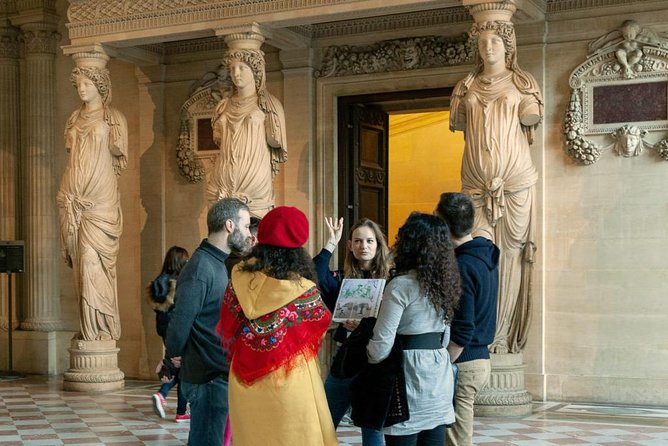
It’s easy to think street art is just a fun add-on. In this case, it’s also a learning shortcut.
Street art often works through recognizable imagery and cultural references. When your guide shows you how famous Louvre works get turned into new street versions, you start learning how art becomes part of everyday conversation. That’s valuable even if you never plan to paint a wall yourself.
It also changes how you experience the museum emotionally. The Louvre can feel distant—like you have to earn access to it. When you see the same faces and scenes re-used in contemporary art, the museum shifts from remote to relevant.
And for friends traveling together with different tastes? This format gives everyone something to grab. One person might love the original painting. Another might love the street-art message. You still meet at the same stop.
Price and value: what $297.03 per person buys you
At $297.03 per person, this is not a budget tour. You’re paying for a few specific things that matter at the Louvre: skip-the-line admission and a private guided experience designed around a distinct theme (street-art interpretations of museum highlights).
Here’s the value logic I’d use as a traveler:
- If you know you’ll want guidance to make the Louvre feel manageable, the private format saves you from DIY confusion.
- Skip-the-line time can be the difference between a pleasant visit and a cranky one, because the Louvre’s lines and crowds can steal your energy.
- The street-art framing is not just entertainment; it’s a way to learn quickly and remember what you saw.
If you’re traveling solo or on a tight schedule and you simply want the lowest-cost way to see famous works, you might prefer a self-guided option. But if you care about how to experience the art well—especially with teens, mixed groups, or anyone who wants the Louvre to feel current—this price starts to make sense.
Mobile ticket, timing, and the practical day plan
You’ll get mobile ticket access, which is convenient once you’re in the city. It also helps on a day when you might be toggling between transit apps and museum logistics.
You should expect confirmation within 48 hours of booking, subject to availability. Because the tour is private, availability can matter, so try not to wait until the last minute if your dates are fixed.
Also note one operational detail: the experience ends back at the meeting point. That can be handy because you can plan your next stop without guessing where you’ll be after the museum.
One last practical reality: the tour is non-refundable and cannot be changed for any reason. If your schedule is flexible or you’re worried about last-minute disruptions, factor that in before you pay.
Who should book this Louvre-to-street-art tour?
This tour is especially suited for:
- Families who want museum time that feels interactive and relatable
- Teenagers who need modern context to stay engaged
- Friend groups where opinions differ on what counts as art
- Anyone who wants a private, guided Louvre experience without the stress of planning every room
If you love street art and want the bridge to classic art, you’ll enjoy how your brain keeps connecting dots. If you mostly care about old masters, you’ll still come away with better context for why these icons matter in today’s visual culture.
Should you book it?
I’d book this Louvre-to-street-art tour if you want a guided visit that feels relevant, not just prestigious. The combination of skip-the-line entry, a private group setup, and Kasia’s focus on linking historic works to modern street interpretations is a strong formula—especially for mixed-age groups.
I would think twice if your goal is to spend the day slowly absorbing everything the Louvre offers, room by room. This is a smart highlights experience. It’s built for understanding fast and enjoying what you see, not for covering every square inch.
If that matches your travel style, this tour is a very good way to make the Louvre feel alive.
FAQ
How long is the Louvre to Street Art guided tour?
It’s approximately 2 hours 30 minutes total, with 2 hours listed at the Louvre Museum.
What’s included in the tour price?
The tour includes a skip-the-line ticket for admission.
Where do we meet for the tour?
The start meeting point is Louis XIV sous les traits de Marcus Curtius (copie), Cour Napoléon et Pyramide du Louvre, 75001 Paris, France. The tour ends back at the meeting point.
Is this a private tour?
Yes. It’s a private tour/activity, and only your group participates.
When will I receive confirmation after booking?
You’ll receive confirmation within 48 hours of booking, subject to availability.
Is it refundable if plans change?
No. The experience is non-refundable and cannot be changed for any reason.