REVIEW · REIMS
From Reims Champagne Day Trip Veuve Clicquot Local Domain & Lunch
Book on Viator →Operated by FRANCE INTENSE · Bookable on Viator
First thing I look for in Champagne tours is balance. This one pairs the big-name experience at Veuve Clicquot with the quieter feel of a family grower, then throws in Reims Cathedral so your day isn’t only bubbles.
I especially like the built-in structure: guided visits, tastings that are actually part of the program, and a small group cap that keeps the questions coming. My other favorite is the mix of Champagne styles and “how it’s made” context, from cellar life to the idea of terroir. One drawback to weigh: a long day with driving time means you’ll want good train timing, and you may feel pacing differently depending on your tolerance for sitting and moving.
In This Review
- Key points that make this day work
- Getting started at Reims Gare: small-group pace, big-day comfort
- Notre-Dame de Reims: why this stop makes the day feel like France
- Veuve Clicquot’s chalk cellars: the big-house tour that actually teaches
- Montagne de Reims vineyard drive: terroir talk on the move
- Lunch in a local restaurant: included fuel, not just a break
- The family grower in Rilly-la-Montagne: where the day turns personal
- How much Champagne you really get—and how to pace it
- Price and value: why $399.09 can feel fair, or not
- Guides make the day: Pierre, Radames, Raphael, and the difference it shows
- Should you book this Reims Champagne day trip?
- FAQ
- How many people are in the group?
- What’s included in the price?
- How many Champagne tastings do I get?
- What time does the tour start and where does it meet?
- Is this tour in English?
- Do I need to be staying in Reims?
- Does the tour offer pickup from Paris?
Key points that make this day work
- Small group (max 8) keeps the guide’s attention on you, not on a crowd.
- Veuve Clicquot includes the visit and tasting fees, so you’re not guessing what’s priced in.
- UNESCO Notre-Dame de Reims visit gives you the historic anchor of the day.
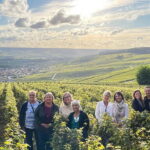
- Montagne de Reims vineyard drive passes Verzy, Verzenay, and Bouzy with terroir talk along the way.
- Lunch is included at a local restaurant to keep the schedule smooth.
- Two different Champagne houses lets you compare a major house with a family grower feel.
Getting started at Reims Gare: small-group pace, big-day comfort
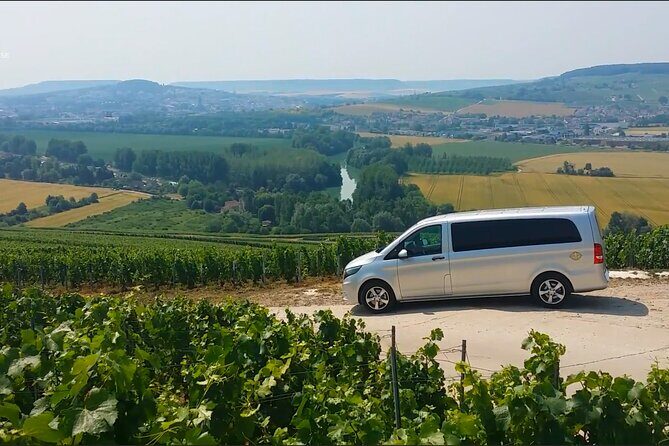
This trip starts at the Office de Tourisme du Grand Reims (Site Gare) near the train station, with a 9:20 am departure. You’ll meet your English-speaking driver-guide and then head out in an air-conditioned minivan with a group of up to eight. That small size matters on a day like this. You’re not just watching; you’re asking questions, hearing details, and getting help staying on time.
The duration is about 8 hours, and the tour ends back at the same meeting point. That’s a relief if you’re trying to plan dinner afterward in Reims—or catch a later train home. It also keeps the day from turning into a maze of transfers.
Practical note: this is not a Paris pickup tour. If you’re coming from Paris, you’ll need to get yourself to Reims. The tour provider gives clear TGV timing suggestions: Mon–Sat you can take TGV 2709 (arrive Reims 9:14), and Sunday you can use TGV 2407 (arrive Champagne-Ardenne 8:38), then you’ll meet the guide based on the Sunday rules. In July and August, they note there are no trains on Sunday mornings, so planning one night in Reims ahead is usually the smart move.
You can also read our reviews of more wine tours in Reims


Notre-Dame de Reims: why this stop makes the day feel like France
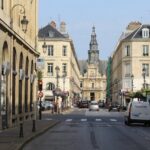
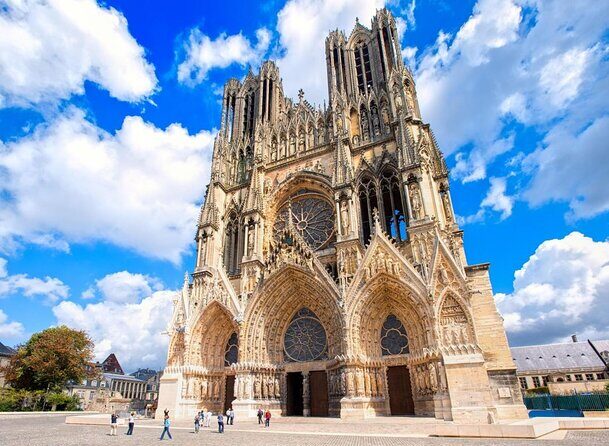
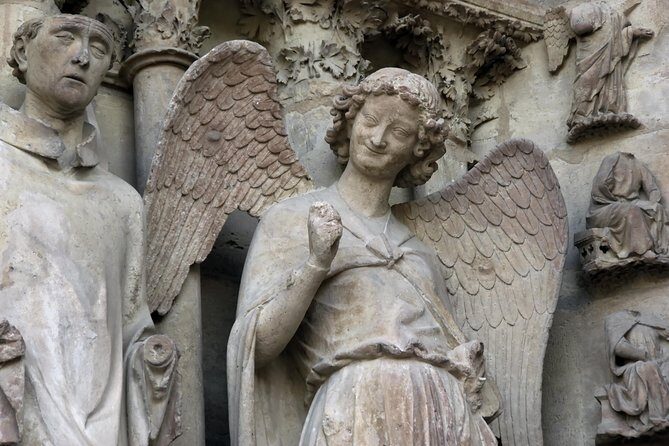
After you leave the station, the first “wow” is Notre-Dame de Reims Cathedral. It’s UNESCO-listed, and the tour includes a guided visit inside. This matters because Reims Cathedral isn’t just pretty from the outside. Inside, you get the Gothic architecture and stained glass that define why this place is famous.
Reims earned its nickname as the city of Coronations, and this is the kind of stop that keeps you from feeling like you spent a whole day only in wine cellars. It also gives you a cultural storyline to connect to Champagne. The guide shares Reims context as you go, so the cathedral visit doesn’t feel random—it slots naturally into the day’s theme: history, craft, and place.
Downside: if your train timing is tight on departure day, you could feel rushed. One person in the feedback had to miss the cathedral because of needing to be on an earlier train. So if you’re planning your return, don’t assume the day ends the moment the last glass is poured. Build in margin.
Veuve Clicquot’s chalk cellars: the big-house tour that actually teaches
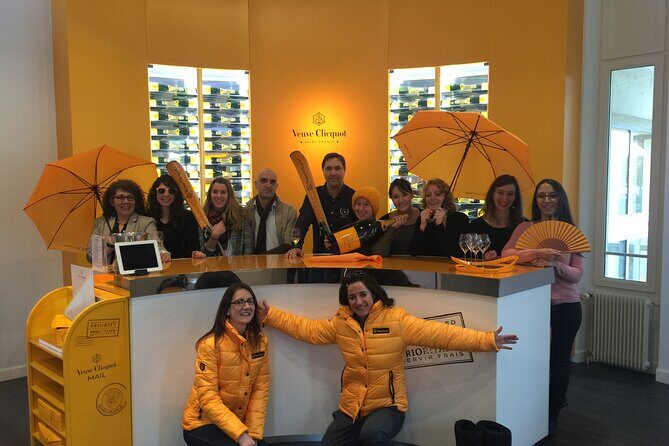
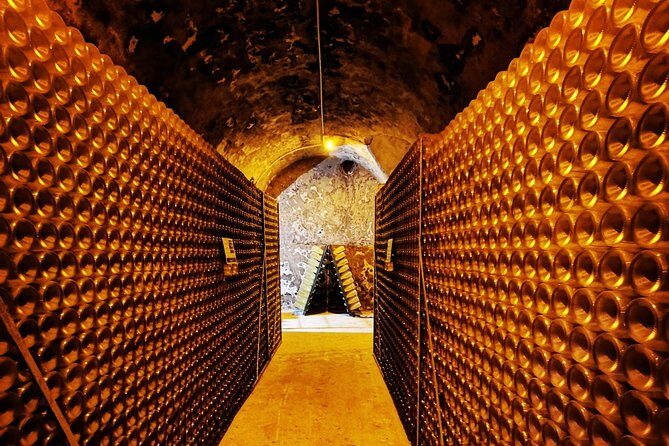
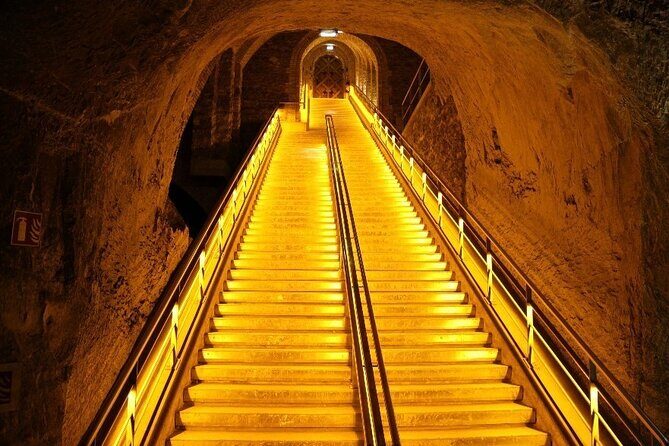
The headline stop is Veuve Clicquot, and this part is built for first-timers. You get chalk cellars (underground and very much part of the Champagne “world”), plus a guided estate visit and then a tasting.
The tasting is clearly defined: four Champagne glasses. That’s a good amount for learning without turning your palate into mush. You’re also not stuck guessing which cuvées to taste; the guide drives the sequence, explains what you’re seeing, and ties it back to how Champagne is made.
Time-wise, this section is about 1 hour 30 minutes, which is long enough to feel like you got the real experience rather than a drive-by. Since the entrance and tasting fees are included, you also avoid the common headache of figuring out what you’re paying for on-site.
What to keep in mind: underground spaces can feel cooler. If you’re visiting in shoulder season or after a warm day outside, you might want a light layer for comfort during the cellar time.
Montagne de Reims vineyard drive: terroir talk on the move
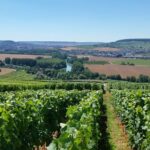
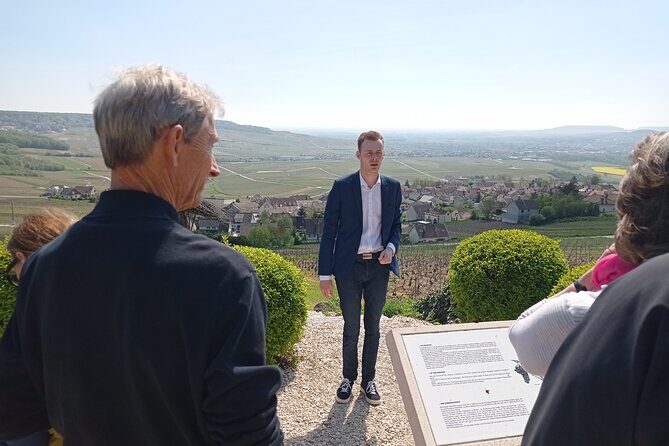
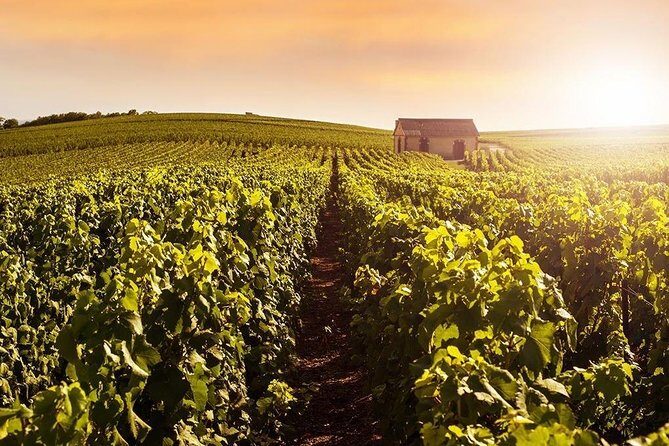
After Veuve, you’re not immediately thrown back into another cellar. Instead, you get a scenic drive through the Montagne de Reims vineyards. Your guide points out key areas and village names tied to the Grand Cru landscape—specifically Verzy, Verzenay, and Bouzy.
This section is valuable because it answers the question most people have after their first big Champagne tasting: Why does Champagne taste different even when it’s all Champagne? You’ll hear about terroir, and how the character of the grapes comes from where they grow. Driving through the region helps the explanation feel grounded. You can look at the hills, the vineyards, and the scale of the farming without needing a map app.
Potential drawback: part of this day is sitting in a vehicle. If you’re the type who gets antsy with car time, make your lunch and water strategy match that. A longer drive also means you’ll want comfortable shoes and breathable layers, especially if the weather is hot. One feedback note mentioned extreme heat, and the day still needs to be “workable” on your body.
Lunch in a local restaurant: included fuel, not just a break
Lunch is included at a local restaurant in Reims. It’s timed so you can digest, reset your focus, and keep energy up for the second half of the day—especially the family grower stop where the tasting often feels more intimate.
I like that lunch is built into the program rather than being “free time.” You’re not hunting for a place after a schedule already includes cellar time, cathedral time, and a vineyard drive. Also, eating locally tends to be better value than scrambling last-minute close to major tourist sites.
Still, pacing matters. Some people felt the back half could have been better organized, with extra time spent around the lunch break and then more transit before the final house. That doesn’t mean the food is bad—it just means you should go into the day knowing that Champagne touring is not a sprint. It’s a full day that trades speed for access.
You can also read our reviews of more tours and experiences in Reims




The family grower in Rilly-la-Montagne: where the day turns personal
The second Champagne house is a family-owned grower experience, in the Rilly-la-Montagne area, with a cellar tour and Champagne tasting. This is where the day gets its contrast.
A major house like Veuve Clicquot gives you scale and brand history. A family grower gives you the “hands and hearts” side of Champagne: smaller production, more personal attention, and usually a more direct explanation of how decisions are made in the vineyard and cellar.
On some days, the tour at the family house can feel extra personal—one account described meeting multiple generations involved in winemaking (father and son, plus the current winemaker). Even if your day doesn’t include a family-style chat, you’ll still be shown a cellar workflow and tasting approach that feels different from a big production.
One more thing: you’ll taste again after this segment as part of the day’s wrap-up. So you end with a “compare and reflect” moment rather than being finished right after the big-house tasting.
How much Champagne you really get—and how to pace it
This isn’t a drinking contest tour. It’s a structured tasting day. The clearest number is the four-glass tasting at Veuve Clicquot. Then you have tastings at the family grower, plus another tasting later in the program.
Your best strategy is to pace like a smart diner, not like a marathon runner. Sip slowly, take small breaks between tastings, and hydrate. If you’re the type who forgets water when you’re excited, this is the day to not do that. One comment included a playful reminder to save water, and honestly, it’s practical advice. Champagne is easier to overdo when you’re excited and the day is full.
Also, keep your food in mind. Lunch is included, and that helps with the second half. Still, if you’re sensitive to alcohol or you want to enjoy the cathedral and vineyard drive without feeling foggy, go gently on the later tastings.
Price and value: why $399.09 can feel fair, or not
At $399.09 per person for about 8 hours, the value comes from what’s bundled:
- Transport in an air-conditioned minivan
- English-speaking guide/driver
- Veuve Clicquot visit + tasting fees included
- Family grower visit + tasting included
- Lunch at a local restaurant
That bundling is the key. If you priced out “big house tour + tasting, another house tour, guide, and lunch” separately, you’d likely spend time coordinating and money chasing confirmations. Here, the schedule is managed for you and the entrance fees are handled.
Where the value can feel questionable is time and pacing. If you hate sitting in transit or you want more freedom to skip stops, the schedule may feel heavy. One low rating complained the second half felt slower and involved extra waiting, including time spent at a cafe before reaching the next house. That’s a reminder: this is a guided day with fixed stops, not an option for maximum spontaneity.
So I’d frame it like this: this price buys you access and structure, not just a tasting. If you want to learn and compare, it’s a strong deal. If you mainly want to drink and wander, you might prefer a more self-directed plan.
Guides make the day: Pierre, Radames, Raphael, and the difference it shows
In Champagne touring, the guide is the gasoline. The feedback shows that the experience often tracks with who’s driving and hosting your group.
Pierre is repeatedly praised for being from Reims and for mixing history with a distinctly local sense of humor. People also highlighted how well he keeps everyone entertained while still teaching the Champagne story. If Pierre is assigned on your day, you’re likely to get strong local context for both the cathedral and the vineyards.
Radames Pera also comes up with a specific description: an American living in France for over eight years, friendly, and big on Champagne origins and regional storytelling. That kind of background often translates into clear explanations and smoother pacing.
There’s also mention of Raphael who could adapt to what people wanted on a repeat day. That suggests the guide team is paying attention to the group in front of them, not just running a robot script.
Bottom line: when the guide is firing on all cylinders, this tour feels like a curated day. When the guide isn’t a fit, the content still exists—but the “fun factor” drops.
Should you book this Reims Champagne day trip?
I’d book it if you want a classic Reims-and-Champagne combo in one day: cathedral + major house + family grower, all in English, with a small group and lunch included. It’s especially suited for first-timers who want to understand what terroir means, not just check a box.
I’d think twice if:
- You’re very sensitive to car time and a full-day schedule.
- Your return train is strict. Plan buffer time so you don’t end up sacrificing the cathedral or final moments.
- You prefer to pick and choose houses yourself instead of following a fixed flow.
One smart move either way: if you’re traveling from Paris, book your train with the tour’s recommended timing in mind, and consider an overnight in Reims if you’re doing a Sunday during July or August when Sunday-morning train options are limited.
If you come in with the right expectations—learn, compare, sip slowly—this is the kind of day that makes Champagne feel like a real place, not just a drink.
FAQ
How many people are in the group?
The group is limited to a maximum of eight people per booking.
What’s included in the price?
The tour includes transport in an air-conditioned minivan, an English-speaking driver-guide, entrance fees and tastings at Veuve Clicquot, entrance fees and tasting at a family grower, and lunch at a local restaurant.
How many Champagne tastings do I get?
You’ll taste four Champagne glasses at Veuve Clicquot, and you’ll also have tastings at the family-owned Champagne house later in the day, plus an additional tasting near the end of the program.
What time does the tour start and where does it meet?
It starts at 9:20 am and meets at the Office de Tourisme du Grand Reims – Site Gare by the train station in Reims.
Is this tour in English?
Yes. The driver-guide is English-speaking, and the tastings and tours at both houses are done in English.
Do I need to be staying in Reims?
The tour departs from Reims. If you are not staying in Reims, you’ll need to arrange your own transport to reach the meeting point.
Does the tour offer pickup from Paris?
Pickup and drop-off in Paris are not available. On Sundays during certain months, the guide can pick you up at the Champagne-Ardenne station at 9:00 am if you arrive by train that morning.