
REVIEW · GIVERNY
Giverny: Monet’s House and Gardens Guided Tour
Book on GetYourGuide →Operated by guide-giverny · Bookable on GetYourGuide
Monet’s garden feels like a painting you can walk through. The water lilies, the Japanese bridge, and the color-first planting all connect to Monet’s art, and a licensed local guide helps you see the place with purpose. You also get an efficient, queue-free entry so your time stays on the lawns and paths, not in lines.
I particularly like two things: the skip-the-ticket-line access that gets you into the site fast, and the small, interactive group where the guide can answer questions as you go. One heads-up: a few guests reported there were no headphones, so your ability to hear the guide can depend on where you stand in the group.
In This Review
- Key things to know before you go
- Giverny’s Monet house and gardens: what makes it so special
- Meeting outside Les Nymphéas: the fastest way to start
- Skip-the-line entry: why it’s worth paying for
- The Water Garden: water lilies, the bridge, and Monet’s light
- Clos Normand: where the garden becomes color strategy
- Inside Monet’s house: life details that make the art feel real
- Brigitte’s guided approach: interactive, paced, and human
- Tour length and logistics: how the 2 hours really feel
- When to visit for fewer people and better photos
- What you’ll miss if you skip the guide
- Price and value: is $69 for 2 hours fair?
- Practical planning: what to bring and how to stay comfortable
- Who this tour suits best
- Should you book this Monet’s house and gardens guided tour?
- FAQ
- How long is the Monet’s House and Gardens guided tour?
- Where do I meet the guide?
- Is skip-the-line entry included?
- What’s included in the tour price?
- What language is the tour offered in?
- Is the tour wheelchair accessible?
Key things to know before you go
- Skip-the-ticket-line entry through a separate entrance helps you avoid the worst of the queue pressure.
- Up to 10 people means it stays conversational, not a lecture you can barely follow.
- Brigitte’s style shows up in the most positive comments: she ties Monet’s life to what you’re looking at.
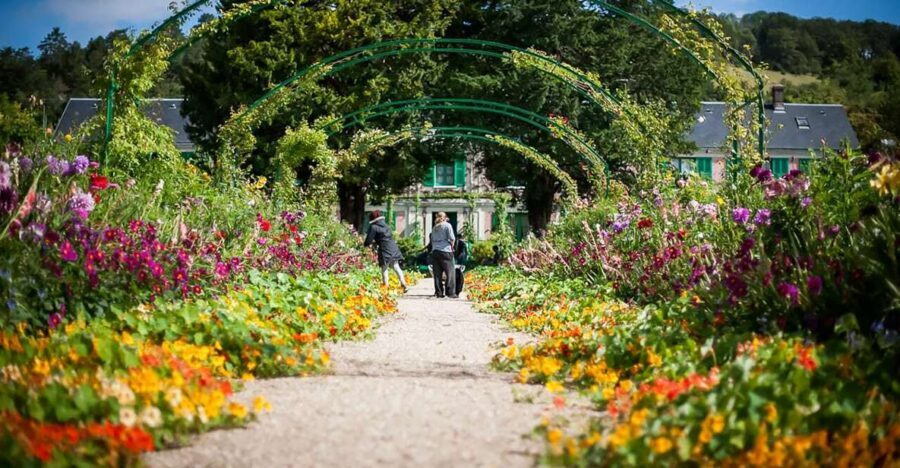
- Water Garden first: water lilies and the Japanese bridge set the tone for why Monet painted the way he did.
- Clos Normand second: flower species and garden design get explained as part of Monet’s color choices.
- You can linger after the tour for extra wandering and a stop at the big gift shop.
Giverny’s Monet house and gardens: what makes it so special
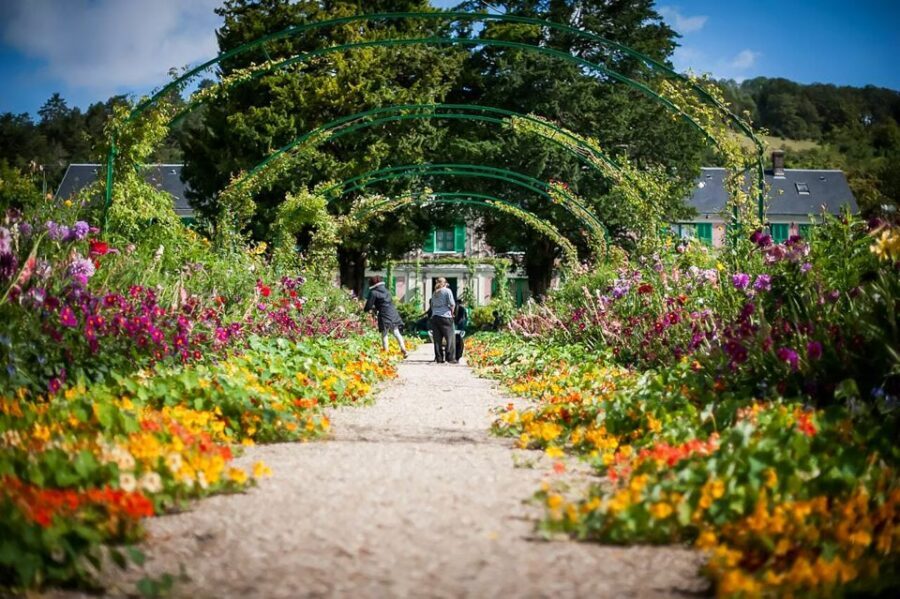
Giverny isn’t just a pretty stop. It’s one of the rare places where you can connect art directly to daily life—the same light, the same water, the same garden decisions that fed Monet’s paintings.
The tour is built around that idea. You don’t just stroll past flowers; you learn why those plants and that layout mattered, including how the garden shaped the look of his work. And because you’re on a small guided group, you can ask practical questions as you’re standing in front of the exact view.
You can also read our reviews of more guided tours in Giverny



Meeting outside Les Nymphéas: the fastest way to start
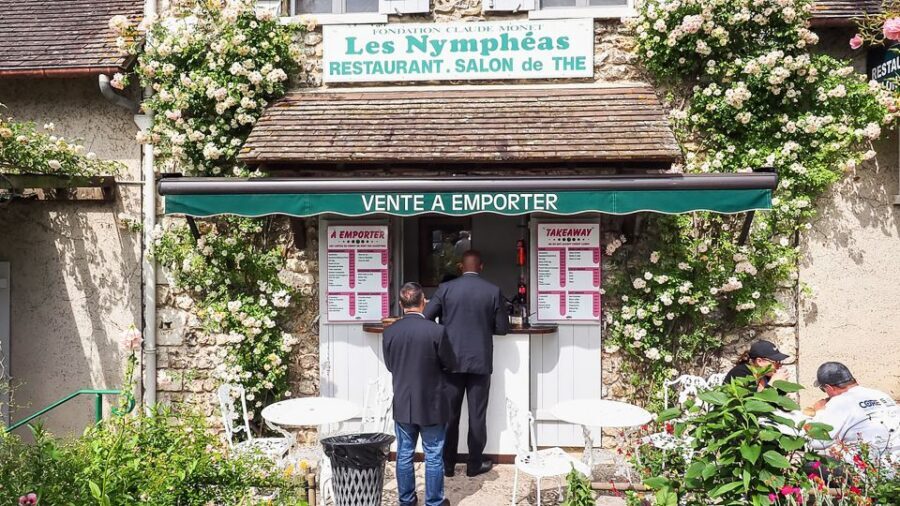
The tour starts at Restaurant Les Nymphéas, meeting your guide outside the café/restaurant. This is the key practical detail: don’t waste time wandering around the grounds trying to “figure it out.” Your guide will be easy to spot with a blue badge and a green folder labeled as a guided tour, and they’ll take care of the tickets for you.
That ticket handling matters more than it sounds. At Giverny, timing and line chaos can drain the day from you. Having a guide who’s ready at the meeting point keeps the morning (or afternoon) on schedule.
Skip-the-line entry: why it’s worth paying for
This tour includes skip-the-ticket-line entry via a separate entrance. For many people, that’s the difference between enjoying the gardens and feeling like you’re constantly catching up.
At a place as popular as Monet’s home and gardens, you’re likely to see big crowds outside the site. With the guided entrance, you’re not stuck in that slow-moving churn. Instead, you can spend your energy where it counts—on the water garden paths, the house rooms, and the Clos Normand flower beds.
The Water Garden: water lilies, the bridge, and Monet’s light
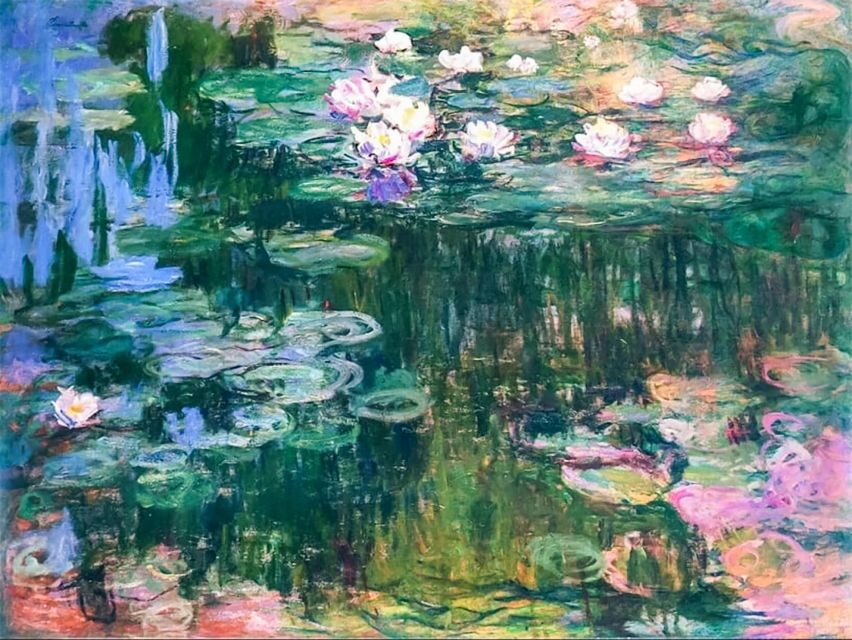
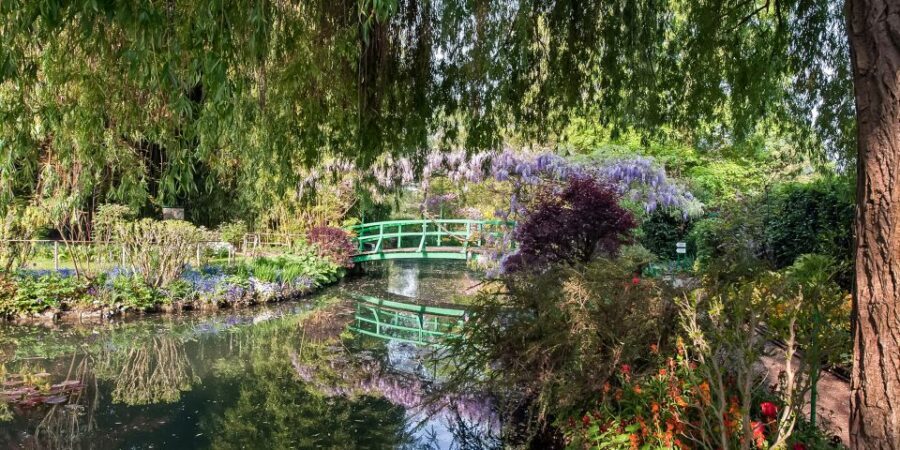
The first major garden stop is the water garden, known for the water lilies and the Japanese bridge that inspired many of Monet’s paintings. The guide points out features in front of you, but the real magic is how the talk links to what Monet was trying to capture: changing light, reflected color, and that slightly unreal feeling you get from water at a certain angle.
Here’s what I’d pay attention to while you’re there. Look at how the bridge frames the view, then compare it to the water lily areas around it. Even in a short 2-hour visit, you’ll start to understand why Monet kept returning to similar compositions—he wasn’t repeating himself. He was chasing a visual effect that shifted with time.
You’ll also get botanical context as you walk. The guide will talk about different plant species and how the garden’s structure supports the look you associate with Monet’s works.
Clos Normand: where the garden becomes color strategy
After the water garden, you’ll move to the Clos Normand. If the water garden is about reflection and atmosphere, the Clos Normand is about planting as design—flowers as a planned experience, not random decoration.
This is where the guide’s explanations can really change your visit. Instead of just noticing pretty colors, you learn why certain kinds of blooms and garden features matter. The tour includes pointing out plants and features as you wander, with a focus on how the garden ties into the paintings Monet created from this specific setting.
If you like art and gardens, you’ll enjoy how this section makes the connection between the physical garden and Monet’s choices as an artist. And since the group is small, you can ask questions about what you’re seeing instead of trying to read signs while everyone crowds around you.





Inside Monet’s house: life details that make the art feel real
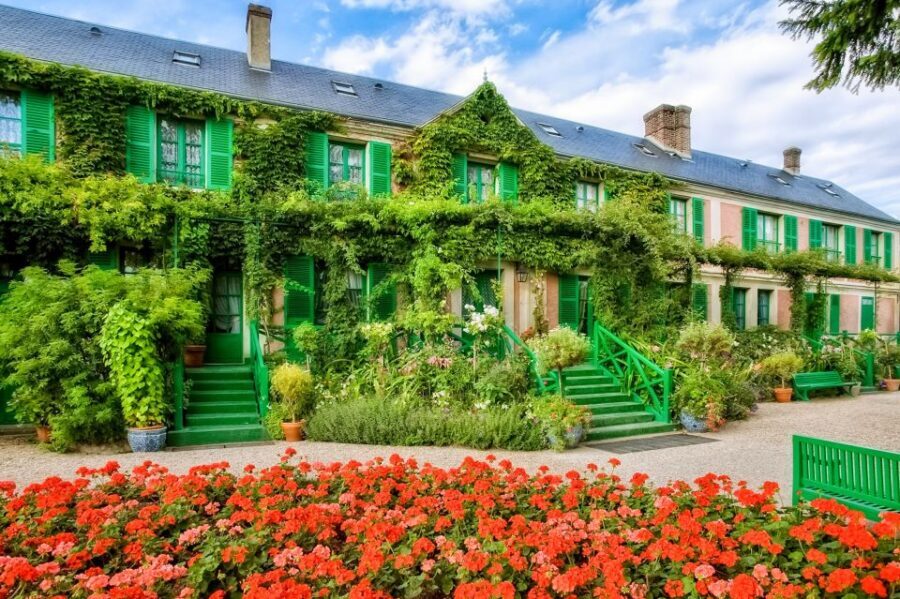
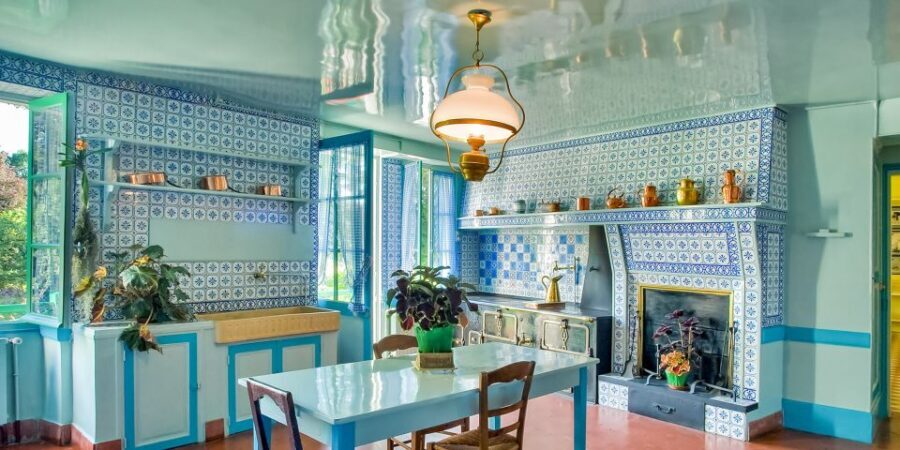
You also visit Monet’s house as part of the tour. The point isn’t to sprint through rooms; it’s to connect the home to the work happening just outside the windows.
What you can expect here is guided storytelling about Claude Monet’s life and the role his home and gardens played in his development as the master of Impressionism. One of the most praised aspects is how the guide keeps the history grounded in what’s actually in front of you—rooms, routines, and the relationship between family life and artistic focus.
In practice, this part gives your visit balance. You get a breather from walking and heat, and you also get context for why Monet’s garden looked the way it did. It’s easier to appreciate the place as a whole when you see how the house fits the landscape.
Brigitte’s guided approach: interactive, paced, and human
Many guests specifically mention Brigitte as the guide, and the pattern in the feedback is clear. She doesn’t just talk; she keeps the pace right for a 2-hour experience, answers questions, and makes the tour feel like a conversation.
A few standout details from the tour vibe:
- She’s described as learning names and tailoring explanations to the group’s interests.
- She often links Monet’s story to garden design and painting style, not just dates and facts.
- Several comments mention examples comparing Monet’s work across different contexts, plus explanation of color ideas that help you see why the garden reads as “Monet” when you look at it.
That’s the difference between seeing Monet’s house and getting it. If art feels abstract to you, a good guide can turn it concrete by showing you what the garden was doing—color, light, and composition—then helping you connect that to the paintings you’ve seen in museums.
Tour length and logistics: how the 2 hours really feel
The tour runs for 2 hours, and it’s designed for a small group of up to 10 participants. That time window is long enough to cover the water garden, Clos Normand, and the house, but short enough that you’re unlikely to feel stranded in “museum mode.”
The pacing is a big deal at Giverny. Crowds can bottleneck you, and the weather can shift quickly. The best part of a tight guided route is that your guide helps you move with intent—stopping where it’s worth stopping, then keeping the group flowing.
One note I’d consider: a few guests reported there were no headphones. If you’re sensitive to sound or you’re toward the back of the group, you may catch only part of the guide’s explanation. Choose your spot early—right near the front—so you don’t miss the plant and art connections that make the tour special.
When to visit for fewer people and better photos
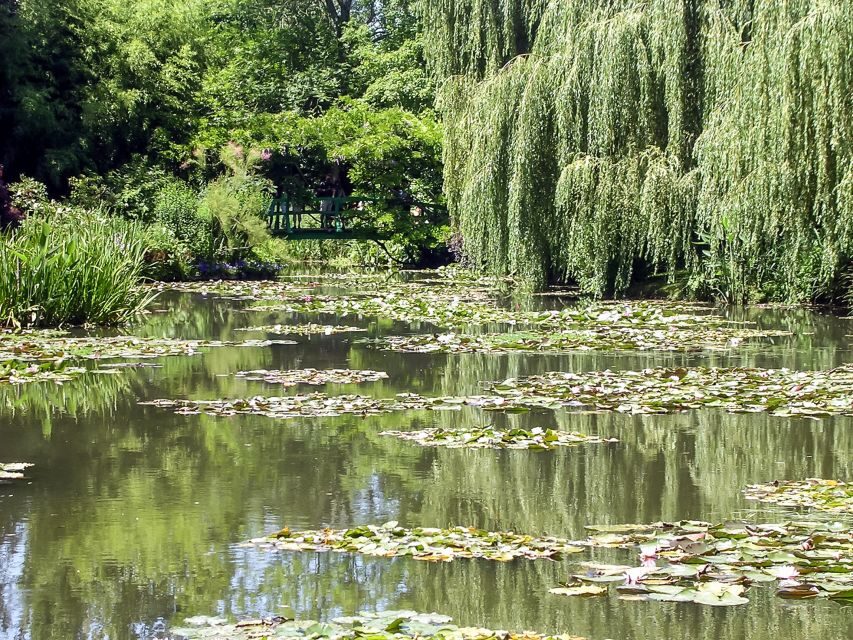
You’ll feel the impact of season at Giverny. Monet’s gardens are at their most alive from early spring through the first days of November, when you get that strong mix of color and fragrance.
Timing can also affect how relaxed your walk feels. One practical tip shared by a past visitor: arriving early can mean fewer people, and another suggested timing is entering around 10am or 12:30 (when the site may calm as others shift to lunch breaks). If you have flexibility, these are smart ways to get more space for photos and slower looking.
For photography, the tour gives you repeated opportunities: the water garden views, the bridge framing, then the flower beds and house details. You won’t be photographing alone in silence, but the guide’s stops are timed in a way that keeps you from constantly feeling like you’re late to the next viewpoint.
What you’ll miss if you skip the guide
You can certainly walk through Monet’s house and gardens on your own. But the value of this guided format is the way it turns a visually stunning site into a story you can follow.
Without a guide, you might enjoy the flowers and the scenery, but you’ll likely miss the “why” behind the garden design choices and the relationship between garden planting and Monet’s painting habits. The tour is built to explain those connections while you’re still surrounded by the evidence.
That’s also why the small-group setup matters. A guide can answer your questions in real time, and the pacing avoids the all-day wandering where you end up taking photos without really absorbing what you’re seeing.
Price and value: is $69 for 2 hours fair?
At $69 per person for a 2-hour guided visit, you’re paying for three main things: your skip-the-ticket-line entry, a licensed local guide, and the small-group structure that makes questions possible.
If you were spending the same amount of time exploring alone, you’d still pay for entry tickets. Here, the cost also covers interpretation—Monet’s life, why the gardens were important to his paintings, and plant and design explanations delivered on-site.
For me, the best value signal is not just the guide. It’s that the tour is designed to protect your time. When you cut down queue stress, you can actually enjoy the gardens instead of spending the day reacting to lines and crowds.
Practical planning: what to bring and how to stay comfortable
This isn’t an included-meal tour. Food and drinks are not included, so plan accordingly. If you’ll be there in warmer weather, consider bringing a small water bottle and something light for sun protection.
Footwear matters too. You’ll be walking between the water garden, Clos Normand, and the house. Wear comfortable shoes you can stand and move in for the full 2 hours.
Also, because one of the most praised experiences includes quick care when a guest felt unwell in the heat, it’s worth taking comfort seriously. If you’re prone to heat stress, plan to pace yourself and don’t be shy about asking for a shaded resting spot if you need one.
Who this tour suits best
This is a smart choice if you want more than a quick sightseeing checklist.
Book it if:
- You love art but struggle to connect it to real places.
- You enjoy gardens and want plant- and design-focused context.
- You want a guided experience that stays interactive in a small group.
- You’d like efficient entry so you can focus on the gardens instead of lines.
It’s also a good fit if you’re traveling with someone who thinks Monet is famous but doesn’t know why. The guide’s job is to translate the site into understandable ideas—light, color, and how the garden became part of the paintings.
Should you book this Monet’s house and gardens guided tour?
If you’re coming to Giverny and you care about understanding what you’re seeing, I think booking this tour is a very solid move. The skip-the-line entry saves stress, the group size keeps it interactive, and Brigitte-style guiding (in the strongest feedback) makes the art and garden feel connected instead of separate.
I’d only hesitate if you strongly prefer self-guided pacing and you hate being in a group. Also, if hearing the guide is crucial for you, position yourself early—since some reports say headphones weren’t provided.
In short: if you want Monet to make sense in the very place where he created, this is the easiest way to do it without wasting precious time.
FAQ
How long is the Monet’s House and Gardens guided tour?
The tour lasts 2 hours.
Where do I meet the guide?
Meet your guide outside Les Nymphéas café/restaurant, which is the nearest spot to Monet’s House. The guide will have a blue badge and a green folder labeled written guided tour.
Is skip-the-line entry included?
Yes. The tour includes skip-the-ticket-line entry tickets and uses a separate entrance.
What’s included in the tour price?
You get skip-the-ticket-line entry tickets and a licensed local guide.
What language is the tour offered in?
The tour is available in French or English, and the tour operates in one language only per group.
Is the tour wheelchair accessible?
Yes, the tour is listed as wheelchair accessible.