Picasso, minus the museum scramble.
This private tour is built to maximize your time inside Musée National Picasso-Paris with guaranteed skip-the-line entry and an art historian guide in English. In just about two hours, you get a guided path through Picasso’s world, including major works like The Barefoot Girl and the Bull’s Head, plus time to ask questions and steer the visit toward what you care about most.
You’ll also appreciate how the guide approach changes everything: names like Barbara, Mila, Bruno, and Boris show up as top guides, and the common thread is clear, human explanations that connect the art to Picasso’s life and the early 1900s. One caution: sometimes a museum experience can feel lighter than expected if a big share of works are on loan for an event, so check your priorities and go in ready for the collection you see that day.
In This Review
- Key points to know before you go
- Skip-the-line at Musée National Picasso-Paris: why this tour starts strong
- Private, art-historian-led: what you actually gain in 2 hours
- The building itself matters: a museum housed in a former grand hotel
- The itinerary in practice: how the 2-hour visit plays out
- The Picasso highlights you’ll spend time with: The Barefoot Girl and the Bull’s Head
- Guides make or break it: why certain names keep showing up
- When the museum collection feels different: plan around temporary loans
- English comfort matters: a smoother visit if your French is rusty
- Price and value: what $360.46 per person buys you (and when it’s worth it)
- Practical logistics that keep the day calm
- Who should book this tour, and who might skip it
- Should you book the Picasso Museum private tour?
- FAQ
- How long is the Picasso Museum private guided tour?
- What is the price per person?
- Is admission included?
- Is this tour private?
- What language is the tour offered in?
- Do I get skip-the-line entrance?
- Where does the tour meet?
- Does the tour include food and drinks?
- Is a mobile ticket provided?
- What is the cancellation policy?
Key points to know before you go
- Skip-the-line access saves real time at Musée National Picasso-Paris
- Art historian guides help you connect style changes to Picasso’s life
- Focused highlights include The Barefoot Girl and the Bull’s Head
- Private customization means you can ask for what interests you most
- Two hours is just right for a first-time or comeback visit without museum fatigue
- Collection timing can vary when works are temporarily on loan
Skip-the-line at Musée National Picasso-Paris: why this tour starts strong
If you hate standing in lines, this is the cleanest way to handle Picasso in Paris. You meet at Musée National Picasso-Paris, 5 Rue de Thorigny (75003), and the experience is designed to get you past the waiting so the clock starts in the galleries, not outside them.
The second smart piece is the format: private and guided for about two hours. That matters because the museum can be easy to rush on your own, especially if you’re trying to cover “the highlights” while also reading enough to understand what you’re looking at.
Also, this tour tends to get booked. The average booking window is about 33 days in advance, which is a hint that popular dates can fill up. If you’re traveling in peak seasons or you’re on a tight schedule, planning ahead helps.
Private, art-historian-led: what you actually gain in 2 hours
Two hours sounds short until you see how it’s used. A private guide can steer you to the most meaningful stops and explain what you’re seeing in plain language, not museum-math. You’re not stuck with a random walk-through; you’re getting someone who can answer the questions that pop up while you look.
Here’s what I think is the real value: you come away with a framework. Picasso’s style can feel jumpy at first—new shapes, new angles, new logic every time you blink—so it helps when a guide ties the visual choices to the time period and Picasso’s changing goals. One reason people rave about guides like Barbara, Mila, Bruno, and Boris is that they make the connections feel logical instead of overwhelming.
And because the tour is customized, you can shape the experience around your group. Want more on the early 1900s? More on how Cubism works? More on the specific works you’ve heard about? You should be able to ask for that focus and get the guide to adjust.
One more practical point: the tour ends back at the meeting point. That’s useful in Paris, where it’s easy to lose track of time and energy while bouncing between neighborhoods.
The building itself matters: a museum housed in a former grand hotel
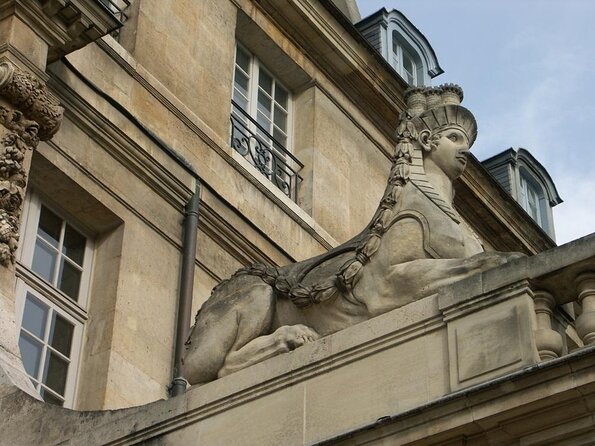
This isn’t just a place where Picasso is displayed. The museum sits in an impressively well-kept historic building with the feel of a former “hotel,” once connected to a salt tax collector. That old-world setting changes your mood before you even reach the art.
Why you should care: Picasso’s late-life museum experience sits in a house-like environment, and that can make the works feel less like isolated masterpieces and more like a lived-in creative world. When you’re with a guide, you’re more likely to notice those “small” cues—like the architecture and room flow—that affect how you experience the art.
If you’ve visited museums before where everything feels like a checklist, this building can make it easier to slow down. You still get a plan, but the setting naturally nudges you to look longer.
The itinerary in practice: how the 2-hour visit plays out
This experience focuses on one main stop: Musée National Picasso-Paris. The whole tour is built around using that time efficiently, and admission is included.
In a real-world sense, you can expect the guide to do a few things in that window:
- Get you oriented quickly so you know what you’re looking at
- Choose a handful of works (not dozens) and explain what makes them important
- Connect those works to the bigger story of Picasso’s career and life
- Leave room for questions so the explanations land instead of flying over your head
The time limit is also a benefit. You’re less likely to end up staring at labels for an hour with no clear understanding. Instead, you get a sequence that keeps the meaning moving forward.
As for physical pace, the tour calls for moderate physical fitness. That likely means some walking and time spent standing, which is normal for a museum. If you know you get tired standing, plan on taking your breaks seriously and let your guide know your pace.
The Picasso highlights you’ll spend time with: The Barefoot Girl and the Bull’s Head
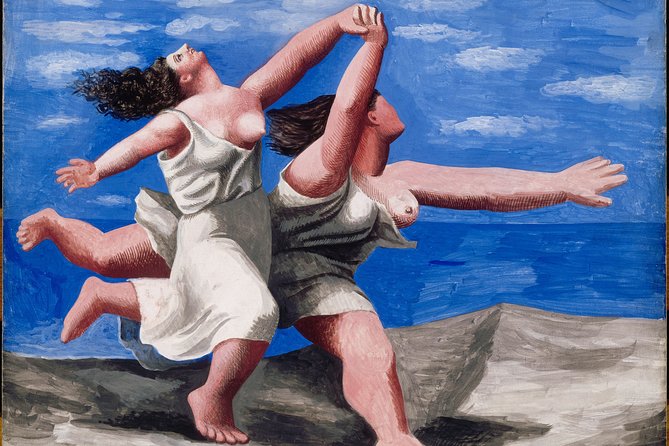
Two works are specifically called out for your visit: The Barefoot Girl and the Bull’s Head. That’s a useful clue because it signals the guide’s approach—show you major pieces that can anchor your understanding of Picasso.
Here’s the kind of payoff you’re aiming for:
- The Barefoot Girl gives you a human point of entry into Picasso’s artistic world, where expression and form matter more than it might seem at first glance.
- The Bull’s Head is a great example of how Picasso’s ideas can turn everyday materials and shapes into something new, linked to experimentation rather than realism alone.
With an art historian at your side, you shouldn’t just see these as famous titles. You’ll get the sense of how they relate to Picasso’s broader shifts—especially how the language of Cubism connects to the person making the choices.
And if you’re the kind of person who likes to connect art to biography, this kind of tour is designed for you. People often leave saying they understood Picasso better because the guide explained how the pieces sit within his journey, not just why they’re famous.
Guides make or break it: why certain names keep showing up
A private tour is only as strong as the guide, and the strongest signals here are the guide names that repeatedly match high ratings. When Barbara leads, the experience is described as deep, patient, and able to handle questions one by one. With Mila, people highlight how engaging the explanations are and how discussion helps you really process what you’re seeing.
Other guides—Bruno and Boris—come through with a similar strength: they connect the art to the larger early 1900s context and make the museum feel more like a story than a slideshow.
The practical lesson for you: if your group likes conversation, ask questions early. A good guide will steer the tour based on what you want to understand, and you’ll get more out of the time you paid for.
When the museum collection feels different: plan around temporary loans
One real caution comes from a bad day scenario: a booking once ran into a situation where most of the expected works were on loan for a Picasso-related birthday celebration, so the visit felt short on what people hoped to see.
This doesn’t mean your tour will be like that. It does mean you should manage expectations. Museums can adjust collections for special events, conservation, and loans.
If you have “must-see” works in your head, do a quick check before you go, and be ready to adjust if the day’s selection differs. The good news is that a strong guide can still make the visit work by framing what’s available and explaining the context that makes each work matter—even when the lineup isn’t what you pictured.
English comfort matters: a smoother visit if your French is rusty
This tour is offered in English. If you’re not comfortable reading everything in French, that’s a major quality-of-life upgrade. Instead of spending your time translating labels, you can focus on what the guide is explaining and spend your mental energy on seeing.
One of the common reasons people get more out of guided museum time is that the guide can interpret what you’re looking at in the moment. That’s hard to do when you’re alone with a label.
And because you’re on a private plan, you can ask follow-up questions without feeling rushed or self-conscious. That’s especially helpful in an art setting where one question can change how you see everything that follows.
Price and value: what $360.46 per person buys you (and when it’s worth it)
At $360.46 per person for a private, two-hour guided tour, you’re paying for three things:
- Your time saved with guaranteed skip-the-line entry
- An art historian guiding you through key works with explanations and discussion
- A private experience you can customize to your preferences
So the “value math” depends on how you travel. If you’re going solo, the cost per person can feel steep, and you might compare it against a self-guided visit plus a printed guidebook. If you’re traveling as a couple or small group and you value understanding as much as seeing, the private guide can feel worth it quickly.
Also, a good guide isn’t just talk. In a museum like this, understanding is what turns a stop from entertainment into something you remember. The guide’s ability to connect Picasso’s style choices to the time period and his life is what people consistently point to when they say they came away “smarter” and looking differently at the art.
If you want efficiency with meaning, this price can make sense. If you just want a casual wander and you’re comfortable reading labels on your own, you may prefer a cheaper approach.
Practical logistics that keep the day calm
This is a mobile ticket experience, which is handy in Paris when paper tickets get lost at the bottom of your bag. It’s also near public transportation, so you’re not relying on a long transit slog before you even start.
The tour is moderate in physical demands. That’s not a problem for most people, but it’s still a museum, so plan for standing and walking.
Timing is also your friend here. The experience runs about two hours, and it ends back where it starts. That rhythm makes it easier to place on a day that includes other sights nearby.
One last practical note: while the tour is scheduled, guides may sometimes adjust a few minutes. Be ready to start close to the listed time, not ten minutes late.
Who should book this tour, and who might skip it
This tour is a strong match if:
- You want a private Picasso experience with an expert guide
- You care about understanding Cubism and Picasso’s style changes
- You’re short on time and want to see meaningful works without rushing
- Your group will enjoy asking questions and getting answers in the moment
You might consider another approach if:
- You only want a quick look and don’t care about context
- You’re traveling with patience for waiting and you enjoy self-guided reading
- You’re very price-sensitive and would rather spend money elsewhere in Paris
Should you book the Picasso Museum private tour?
If you’re aiming for a museum visit that feels like a story instead of a scan-and-skip, I think this is a smart bet. The combination of guaranteed skip-the-line, a private format, and an art historian guide in English is exactly what turns “I saw Picasso” into “I understood Picasso.”
The only reason I’d hesitate is if your group has a very narrow list of must-see works and you’re worried about temporary loans. In that case, plan a little flexibility: accept that the lineup can shift, and lean on the guide to help you connect what’s on view to the bigger Picasso picture.
If your goal is clarity, time saved, and meaningful stops like The Barefoot Girl and the Bull’s Head, this tour is built for that.
FAQ
How long is the Picasso Museum private guided tour?
The tour lasts about 2 hours.
What is the price per person?
The price is $360.46 per person.
Is admission included?
Yes. Admission to the museum is included.
Is this tour private?
Yes. It’s a private tour, and only your group participates.
What language is the tour offered in?
The tour is offered in English.
Do I get skip-the-line entrance?
Yes. Skip-the-line entrance is guaranteed.
Where does the tour meet?
The start point is Musée National Picasso-Paris, 5 Rue de Thorigny, 75003 Paris, France.
Does the tour include food and drinks?
No. Food and drinks are not included.
Is a mobile ticket provided?
Yes. The tour includes a mobile ticket.
What is the cancellation policy?
You can cancel for a full refund up to 24 hours in advance of the experience start time.