REVIEW · PARIS
Architectural Bourgeois Paris 19th Century
Book on Viator →Operated by Paris Promenade · Bookable on Viator
Paris’s 19th-century glow hides in plain sight. This two-hour walk led by historian François takes you through Parc Monceau and the Haussmann redesign of the city, with lots of photo stops that feel like you’re flipping through old postcards. I love how he connects what you see to what was happening in 1800s Paris, so buildings stop being scenery and start acting like clues.
I also love that you get both architecture and small, specific bourgeois surprises—tree-lined park drama, church-scale details, and department-store grandeur—without spending extra time on tickets. The best “save your energy” part is the built-in access to places like Galerie Lafayette during opening hours.
One thing to plan for: it’s a moderate walking experience for around two hours, so wear comfortable shoes and don’t expect lots of long sit-down breaks.
In This Review
- Key highlights you’ll remember
- Meet the historian: why this walk feels personal
- Parc Monceau: colonnades, a pyramid, and the bourgeois art of strolling
- Baron Haussmann’s statue and the street-level meaning of redesign
- Saint-Augustin Church: 1860 grandeur with a Proust detour option
- Gare Saint-Lazare: the rail story behind 1800s money
- Printemps to Galerie Lafayette: grand magasins as 19th-century theater
- Price and timing: is $68.65 good value?
- Who will enjoy this most?
- Quick practical tips before you go
- Should you book? My take
- FAQ
- How long is the tour?
- What does the price include?
- Is this tour a walking experience?
- Where does the tour start and end?
- How many people are in the group?
- Does the guide speak English?
- What if I want a Proust-related stop?
- Are service animals allowed?
Key highlights you’ll remember
- Small group (up to 10) keeps the questions flowing and makes it easier to hear François.
- Included entries cover Parc Monceau, Saint-Augustin, and Galerie Lafayette (when open).
- Bourgeois details you’d miss on your own: Hotel Menier, the Pagoda of Mr. Loo, and the hôtel particulier of Camondo.
- Haussmann’s impact on street life: you see the apartment-block logic and the wide boulevards up close.
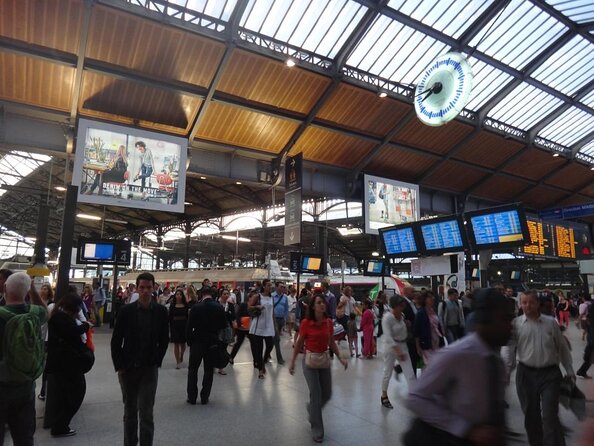
- Gare Saint-Lazare with context: industrial wealth, the rail story, and Le Roi de la Bière.
- A strong finish indoors at classic 19th-century grand magasins (department stores).
Meet the historian: why this walk feels personal
François is a historian focused on the 19th century in Paris. You can tell he’s not just repeating dates—he explains how people lived, what new money changed, and how city design followed those shifts. And he’s comfortable speaking in French and English, which matters if you want the story to land clearly.
The group size is capped at ten, which is the sweet spot for a city walk. You’ll get more back-and-forth as you pause at key spots, and you won’t spend the whole time trying to hear over other people’s shoes on the sidewalk.
This tour also has a practical modern touch: you get a mobile ticket. That means less time hunting for confirmations and more time looking up at façades where the good details are.
You can also read our reviews of more tours and experiences in Paris.

Parc Monceau: colonnades, a pyramid, and the bourgeois art of strolling
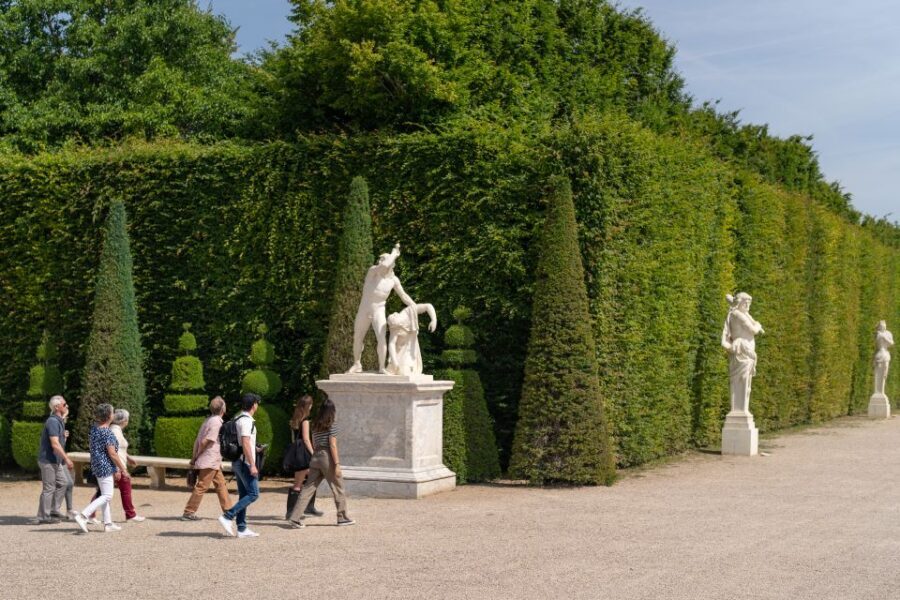
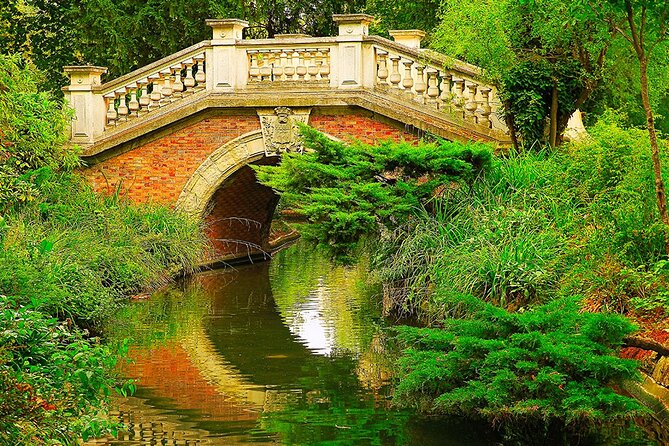
Parc Monceau is where the tour turns from city walking into “how did they think of this?” territory. You’ll walk through the park while François points out the signature visual tricks: an ancient colonnade, a bridge, and even a pyramid. The point isn’t that Paris became fantasy-land—it’s that 19th-century wealthy life loved curated scenery.
What I like most here is the mix of nature and architecture in one breathing space. You get trees and paths, yes, but you also get designed shapes that signal status and taste. In other words: it’s not just a park break. It’s a living example of how the bourgeois wanted beauty to feel intentional.
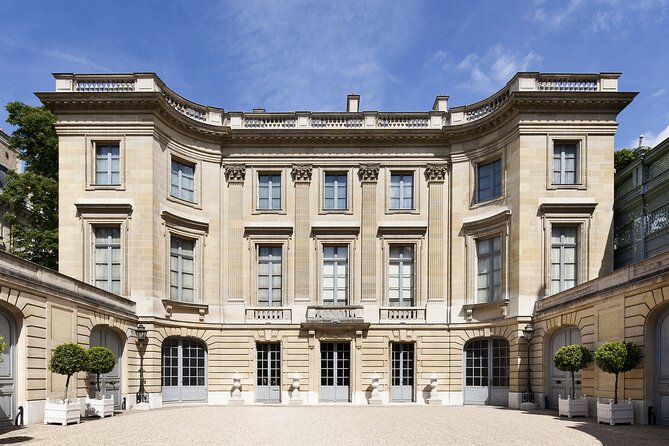
As you move around, you’ll pass recognizable landmarks that help you place the park in its larger neighborhood story, including Hotel Menier, the Pagoda of Mr. Loo, and the hôtel particulier of Camondo. If you’ve ever walked past fancy Paris buildings and wondered what connects them, this is the part that gives you the connecting thread.
The main trade-off: Parc Monceau is active and photogenic, so the walk can feel a bit “camera-first.” If you hate taking photos or you get slow when there’s a lot to look at, keep your pace steady so the rest of the story doesn’t blur.
Baron Haussmann’s statue and the street-level meaning of redesign
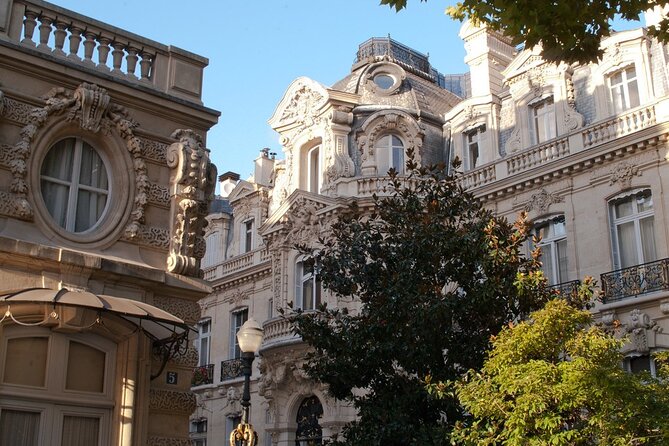
From Parc Monceau, the walk shifts toward the person who changed Paris’s layout forever: Baron Haussmann. You’ll stop at the Statue d’Haussmann and then move through the heart of Haussmannian Paris, where wide boulevards and typical apartment blocks tell the 1800s story in plain sight.
This stop is valuable because it reframes what you might think you already know about Paris. Instead of treating Haussmann as a name on a plaque, you’ll read the streets like a system: bigger roads, taller-looking city blocks, and a style that changed both movement and everyday life. It’s one thing to see a boulevard. It’s another to understand why it looks the way it does.
François’s focus helps you notice what most people speed past: street geometry, building rhythm, and the way the design guides where your eyes go. You’ll come away thinking less about a “pretty view” and more about a city engineered for the modern age.
One consideration here: you’re outside, so this is weather-dependent. If it’s raining or brutally hot, plan for quick decisions on layers and hydration, because the route relies on walking between viewpoints.
Saint-Augustin Church: 1860 grandeur with a Proust detour option
Saint-Augustin Church is a strong mid-tour pivot. You’ll enter and see a church built in the era of the tour—around 1860—and you’ll feel how monumental architecture reads differently once you’re inside it. François uses the building to talk about the period mindset and the kind of cultural confidence that shows up when cities put money into stone and scale.
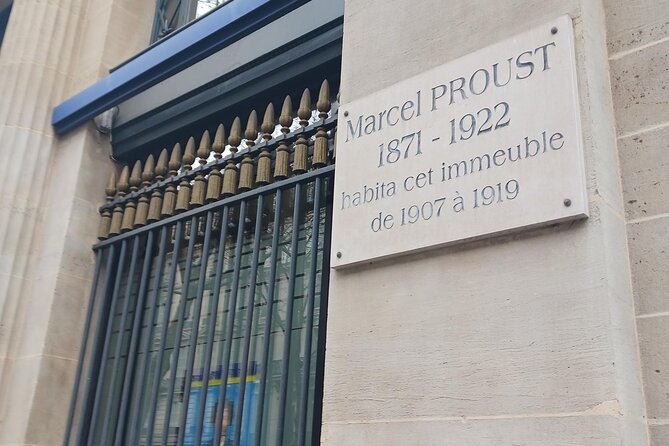
What makes this stop extra interesting is the optional literary link. By request, you can make a detour to pass the location where writer Marcel Proust lived and wrote A la Recherche du Temps Perdu. It’s not a guaranteed add-on, but if literature is your thing, it’s a neat way to connect 19th-century Paris to the way later writers shaped memory.
The potential drawback is timing. The church visit is set and designed to keep the flow of the whole walk, so if you want long, quiet time to admire every detail, you may not get that here.
Still, it’s a smart stop. It breaks the outdoor rhythm, gives you a sense of scale, and turns the “bourgeois” theme from lifestyle into culture.
Gare Saint-Lazare: the rail story behind 1800s money
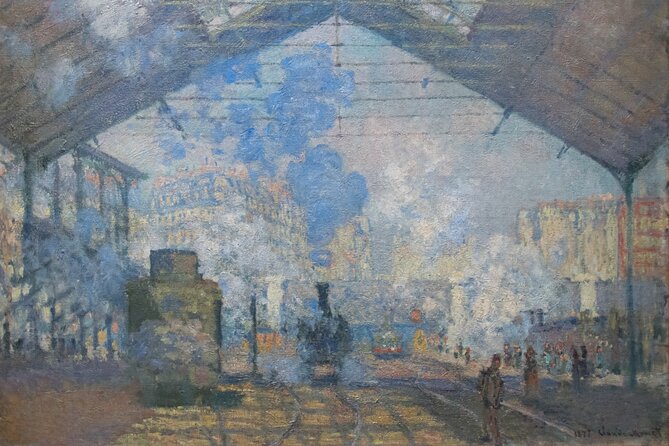
Next comes Gare Saint-Lazare, and the tone changes. You’ll pass the back side of the station, which is a good choice because it shifts your attention from postcard fronts to the practical machine of the city. François connects the railroad era to wealth: industrialization made many entrepreneurs rich, and many of them lived near this kind of transport hub.
The neighborhood logic matters. This isn’t just “a train station.” It’s a time capsule for how fast travel and business growth reshaped where money gathered. You’ll start seeing the station as part of a larger system—work, movement, and social position all tied together.
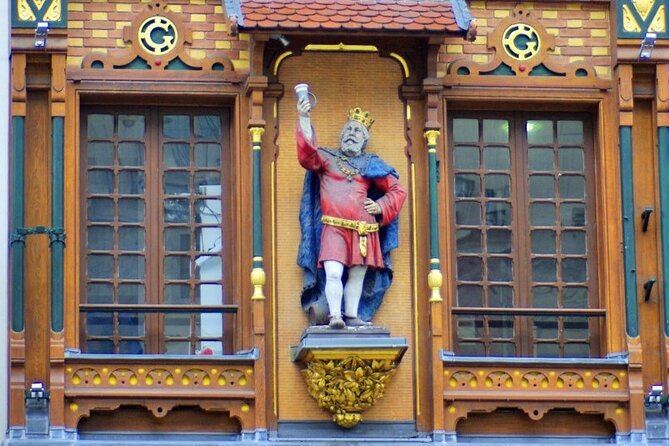
One of the more surprising sights is what you’ll see near the station: a remarkable house associated with Le Roi de la Bière, with a McDonald’s restaurant in front. It’s a reminder that Paris layers eras on top of each other. If you like contrast shots, this is one of your best chances: history beside modern convenience.
The consideration: stations are busy by nature. Even with a small group, it helps to keep an eye on your surroundings and stay close when crossing around flows of people.

Printemps to Galerie Lafayette: grand magasins as 19th-century theater
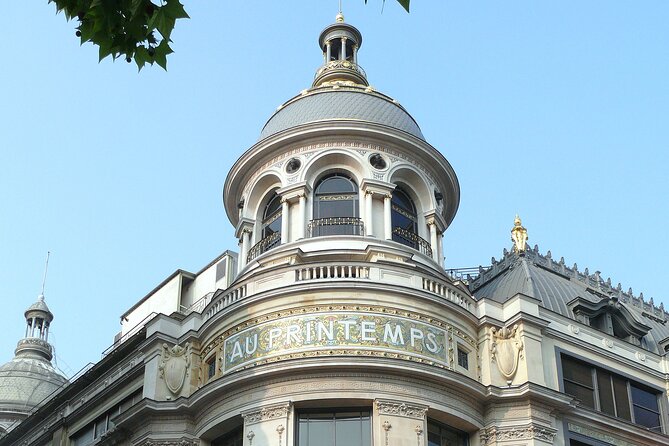
The ending is designed for pure visual payoff. You’ll pass Printemps and then finish with an invitation inside Galerie Lafayette, described as a climax—and honestly, you’ll understand why once you see the department store style up close.
Great department stores in the 19th century weren’t just shops. They were public spaces for display: goods, light, design, and the social ritual of shopping. Ending here turns the tour theme into something tangible. You started with curated park beauty, moved through engineered streets, stepped into monumental church architecture, and now you see the bourgeois world translated into shopping culture.
François brings you in during opening hours, and that’s key. The mood inside can change a lot depending on whether it’s open and active, so plan to arrive ready to walk right in when it’s time.
Practical note: if you’re sensitive to crowds, the indoor department store end can feel lively. But the payoff is that you get a close look at a classic 19th-century idea—shopping as an event.
Also, it’s a convenient finish. You end at 40 Bd Haussmann in the 9th arrondissement, right by Galerie Lafayette, so you can keep exploring nearby streets without needing extra transport right away.
Price and timing: is $68.65 good value?
At $68.65 per person, this tour isn’t a “pocket change” activity, so the value comes down to what’s included and how much you get in two hours. Here’s the good news: key entries are included, including Parc Monceau, entry into Saint-Augustin, and access at Galerie Lafayette during opening hours. You’re also getting a specialist guide, François, focused on 19th-century Paris, not a general overview.
Two hours is the right length for this kind of route. It’s long enough to move through distinct eras—park, Haussmann redesign, church, rail industry, and grand magasins—without turning into an all-day grind. It’s also short enough that you can pair it with other plans the same day.
Start time is 10:30 am, and the experience is booked on average about 32 days in advance. That timing suggests it’s popular but not so booked out that you’ll be stuck waiting forever. If you want the best chance of your preferred date and time, don’t procrastinate.
One more practical detail: the tour is near public transportation, which matters in Paris. You can usually stitch together the rest of your day without a complicated transit plan.
Who will enjoy this most?
This works especially well if you like architectural reading: you want to look at buildings and know what you’re seeing. The tour is also great if you enjoy connections—how street design links to wealth, how bourgeois culture shows up in both parks and department stores, and how industrial history sits beside modern storefronts.
It’s also a good fit if you want a calm, structured walk. The pace supports photo stops, and the small group size helps the guide keep everyone together.
On the other hand, if you dislike walking for around two hours or you need frequent rest breaks, you might find the schedule tight. You might also prefer a more flexible museum day if you want slow, extended time in one place.
Quick practical tips before you go
- Wear shoes you can walk in confidently. This is a continuous city-style walk.
- Bring a light layer. Paris weather can shift fast, and you’re outdoors for big chunks.
- Have your camera or phone ready. The route is set up for photo opportunities, especially in Parc Monceau and around the station area.
- If you care about literature, ask François about the Proust detour request early, since it’s not presented as automatic.
Should you book? My take
Yes, I think you should book this if your idea of a good Paris day is structure plus story. For the price, the included entries and the focused 19th-century lens are what make it feel worth it. Ending at Galerie Lafayette seals the deal, because it turns the theme into something you can actually experience rather than just hear about.
I’d skip it only if you want a long, slow pace or you don’t like walking between major stops. Otherwise, it’s a smart way to see Paris in a single arc: bourgeois taste in the park, Haussmann’s blueprint in the streets, church-scale culture, rail-era money, and grand magasins as the final flourish.
FAQ
How long is the tour?
It lasts about 2 hours.
What does the price include?
It includes admission tied to the stops, including Parc Monceau and the entrance to Galerie Lafayette during opening hours, plus entry related to Saint-Augustin.
Is this tour a walking experience?
Yes. It’s a walking tour with stops along the way, and it’s suitable for people with moderate physical fitness.
Where does the tour start and end?
It starts at Monceau (75017 Paris) at 10:30 am and ends at 40 Bd Haussmann (75009 Paris), which is at Galerie Lafayette.
How many people are in the group?
The tour has a maximum of 10 travelers.
Does the guide speak English?
Based on the guide’s comfort level, he can speak in both French and English.
What if I want a Proust-related stop?
By request, you can make a detour to pass the location where Marcel Proust lived and wrote A la Recherche du Temps Perdu.
Are service animals allowed?
Yes, service animals are allowed.