REVIEW · PARIS
Private Paris WWII History Tour: Occupation & Resistance
Book on GetYourGuide →Operated by TourUpinEurope · Bookable on GetYourGuide
Paris doesn’t feel the same after this walk.
This 3-hour private tour connects the dots between Resistance street-level courage and the grim pressure of occupation, using real locations you can still stand on. I especially like the focus on Jean Moulin’s role in unifying the Resistance, and how the route brings you close to the people and places tied to the Gestapo and the underground press.
You should also plan for significant walking and a serious tone at memorial stops. Comfortable shoes and weather-appropriate layers matter, because this isn’t a “sit and watch” tour.
In This Review
- Key Highlights at a Glance
- Paris Occupation and Resistance: What This 3-Hour Tour Covers
- Meeting at Saint-Michel and Finding Your Guide (Mister Llama Included)
- Resistance Streets Near the Gestapo: How Underground Work Survived
- Jean Moulin and the Resistance’s Unification Problem
- Vel d’Hiv Raid Remembrance and the Mémorial des Martyrs de la Déportation
- Samuel Beckett’s Refuge from the Gestapo (Literature Meets WWII)
- Jardin du Luxembourg: Luftwaffe Headquarters vs Peaceful Present
- Saint-Michel District Riots in 1942 and the Road to Liberation
- Price and Value: Is $294 Fair for 3 Hours?
- Who This Tour Suits Best (And Who Might Want to Skip It)
- Should You Book This Private Paris WWII Tour?
- FAQ
- How long is the Private Paris WWII History Tour?
- Where is the meeting point?
- Is the tour private?
- What languages are available for the live guide?
- Is the tour wheelchair accessible?
- Is hotel pickup included?
- What’s included in the price?
- What should I wear for this tour?
- What if I need to cancel?
- Can I reserve without paying now?
Key Highlights at a Glance
- Saint-Michel’s resistance streets where defiance sparked riots in 1942
- Jean Moulin’s path and how clandestine resistance was coordinated
- Vel d’Hiv remembrance and the gravity of deportation memorials
- Samuel Beckett’s refuge spot from Gestapo attention
- Jardin du Luxembourg contrast: peaceful gardens above a Nazi past
- A clear arc to liberation from Nazi control to Paris celebrating freedom
Paris Occupation and Resistance: What This 3-Hour Tour Covers
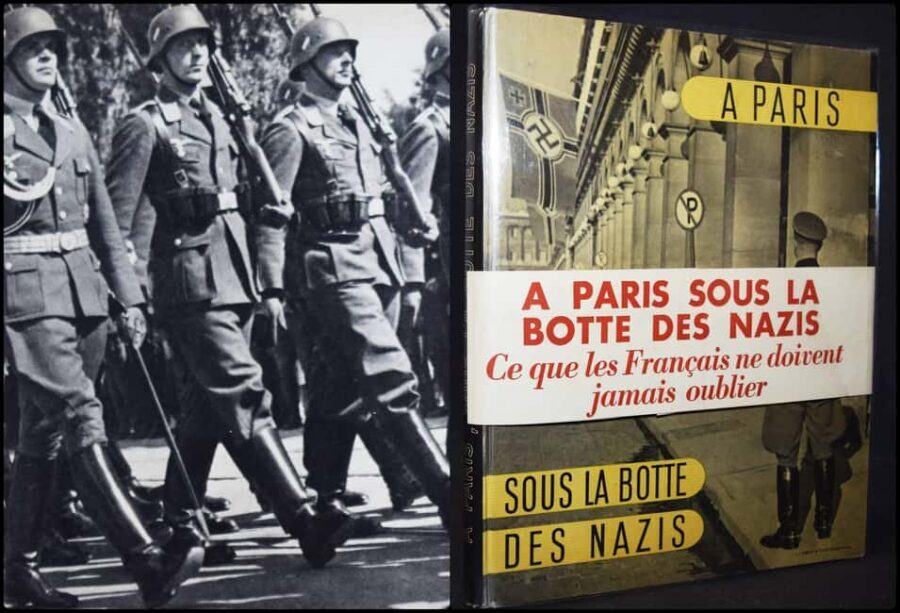
This tour is built around a simple goal: help you see WWII Paris as a living geography, not a textbook chapter. You move through neighborhoods where the French Resistance operated while Nazi forces kept watch nearby. Then you finish with the city’s final days of occupation and the shift from fear to public relief.
The best part is the way the story keeps changing scale. You start with street-level movement and underground logistics. Then the tour zooms toward key figures like Jean Moulin, who helped bring organization to scattered resistance efforts. From there, the route turns solemn—especially around the Vel d’Hiv raid and its aftermath. Finally, you come back to the “how did Paris get free” question, including the messy reality of rebuilding after the war.
Because it’s a private group, you can usually ask what you care about most. And since the tour is guided in multiple languages (English, Spanish, Russian, German, Korean, Chinese, Japanese, Italian, French), it’s easier to stay connected to the details without fighting the language barrier.
You can also read our reviews of more private tours in Paris



Meeting at Saint-Michel and Finding Your Guide (Mister Llama Included)
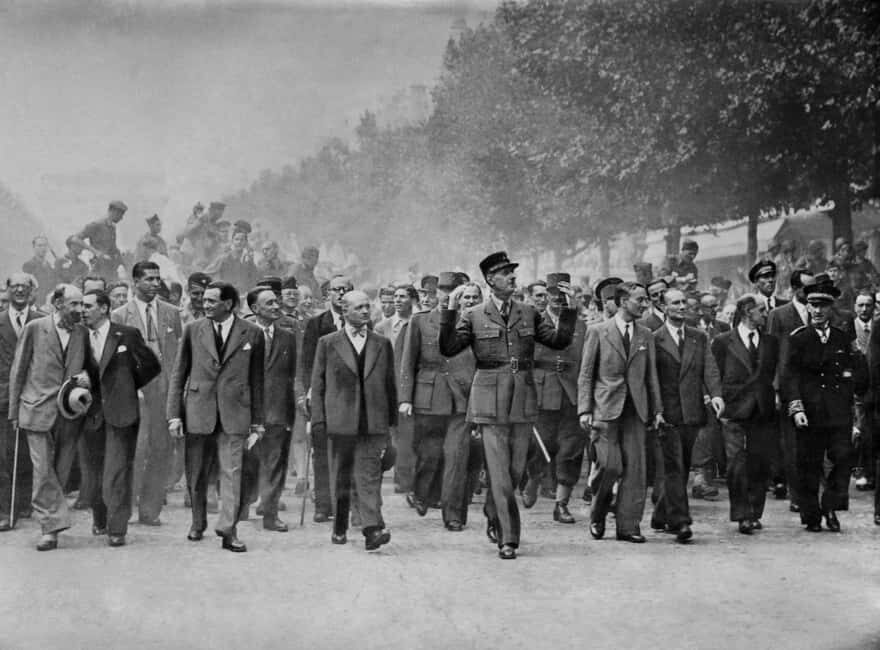
You meet next to the Saint Michael Monument, and your guide is holding the Mister Llama mascot. It’s a small detail, but it matters in a city where meeting points can get confusing fast.
Also note what this means for your logistics: this isn’t a hotel pickup-and-drop tour. You’ll plan to arrive on your own, and you may have the option to start closer to your hotel if it lines up conveniently with the route. In practice, that can save time if you’re already staying around the route’s neighborhoods.
From there, the tour is designed for walking between tightly related wartime locations. So if you’re someone who hates rushing or hates “weather happens,” don’t ignore that. This is 3 hours of movement, and the route includes stops where you’ll want a bit of time to stand and take things in.
Resistance Streets Near the Gestapo: How Underground Work Survived
One of the most compelling parts of this tour is how it frames Resistance activity as a daily, risky job. You walk historic streets tied to clandestine work, and the guide sets the scene with the reality that the Gestapo was close by.
You’ll hear about how underground publications helped the Resistance spread information. A key example mentioned on the tour is Defense de France, a name that gives you a way to picture resistance as more than sabotage. It was also messaging, reporting, and trying to keep people from living only inside Nazi propaganda.
What I like about this approach is that it helps you understand why these streets mattered. You’re not just seeing buildings. You’re connecting locations to actions: where people could meet, where information might be passed, and where the risk was always present.
The drawback to keep in mind is tone and pacing. In one booking, the tour felt more informational than emotional, with a neutral delivery. That doesn’t mean it’s “bad.” It just means you’ll get more out of it if you actively engage—ask questions, and tell your guide what you want emphasized.
Jean Moulin and the Resistance’s Unification Problem
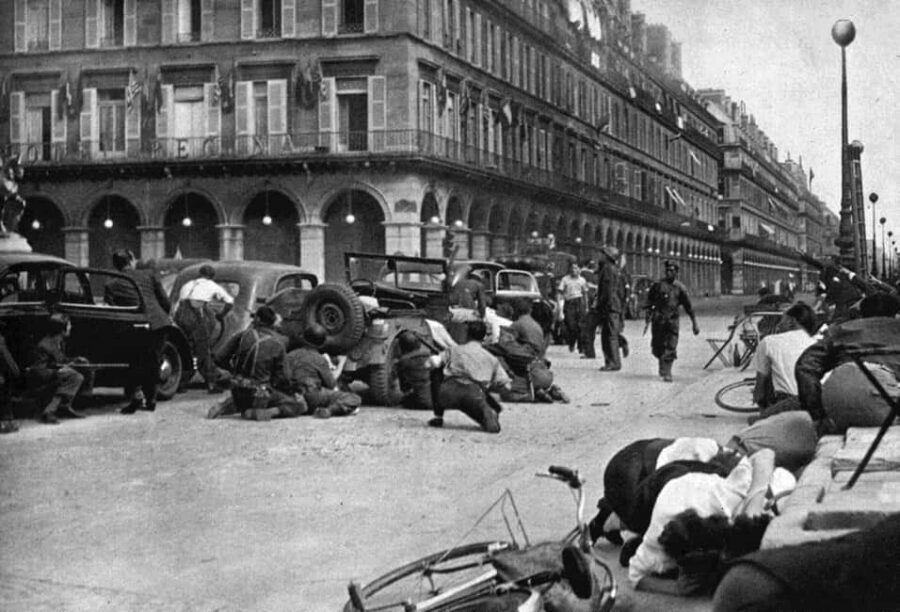
Jean Moulin shows up as a central thread, and for good reason. The tour follows his path and explains how he became a hero tied to the effort of unifying the Resistance.
This matters because resistance wasn’t one single organization with one playbook. It was networks—different groups, different priorities, and often different ways of operating. Unification wasn’t just symbolic. It helped make actions more coordinated and harder for occupiers to dismantle completely.
As you move through the route, you’ll likely find yourself thinking about two kinds of bravery. There’s the visible bravery—defying power in public or near it. Then there’s the quieter bravery of coordination: meetings held in secret, decisions made under pressure, and the constant effort to keep people connected when communication is dangerous.
If you’re the type of traveler who likes “who mattered and why,” this part is a strong payoff. It turns the Resistance story from a vague idea into specific human work.
Vel d’Hiv Raid Remembrance and the Mémorial des Martyrs de la Déportation
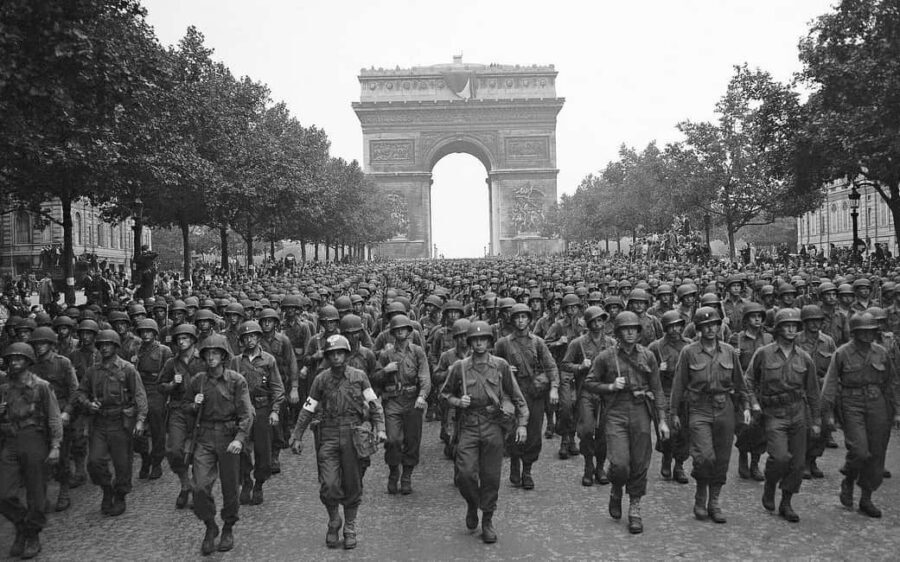
Some parts of a WWII tour don’t want you to treat history like a scenic stop. This is one of those tours.
You’ll reflect on the tragic roundup of Jewish families during the Vel d’Hiv raid, and then visit the Mémorial des Martyrs de la Déportation, which honors those sent to concentration camps. The guide’s job here is to keep the focus on remembrance and meaning, not spectacle.
For me, the value of including both the Vel d’Hiv focus and the deportation memorial is that it gives you a clearer sense of the chain of events. It’s not just one atrocity. It’s the system of persecution and deportation that followed, and the way France and Europe were changed irreversibly.
Practical note: you should bring a slower mindset for these stops. The “fast walking” pace of the earlier parts gives way to moments where you’ll want to pause. Respect the solemnity here. It’s not a photo stop, even if you’ll see plenty of visitors taking pictures.
You can also read our reviews of more historical tours in Paris


Samuel Beckett’s Refuge from the Gestapo (Literature Meets WWII)
This tour also goes beyond the usual military landmarks by including a bookstore tied to Samuel Beckett. The specific point: it’s a place where he found refuge from the Gestapo.
That detail adds a different kind of insight. It reminds you that occupation affected artists, writers, and everyday intellectual life. It also suggests how culture and survival could overlap in narrow spaces—someone trying to keep working, keep safe, and keep their head above danger.
You don’t need to be a Beckett superfan to appreciate this stop. What matters is the perspective it brings. It helps you see the occupation as something that reached into the mind and the routine, not only into battlefields.
If you enjoy human-scale history—people making choices to keep living—this is one of the most memorable moments of the tour’s arc.
Jardin du Luxembourg: Luftwaffe Headquarters vs Peaceful Present
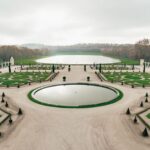
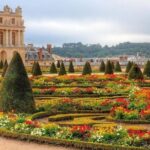
Another standout is the contrast you’re asked to imagine at Jardin du Luxembourg. The gardens are famously pleasant, but the tour points out that it was once headquarters for the Luftwaffe.
Standing in a peaceful place while thinking about its occupation past is a specific kind of disorientation—in a good way. It forces you to connect the city’s beauty with its wartime reality. You realize how quickly a space can “move on” in appearance, while the past stays imprinted beneath the surface.
This stop also supports the tour’s larger theme: Paris didn’t stop being Paris during the occupation. Life continued in altered form, under control, fear, and surveillance. The garden may look calm now, but the guided story makes it feel layered.
If you’re short on imagination, ask yourself a simple question as you walk: who had reason to relax here, and who didn’t? That mental exercise helps the site click.
Saint-Michel District Riots in 1942 and the Road to Liberation
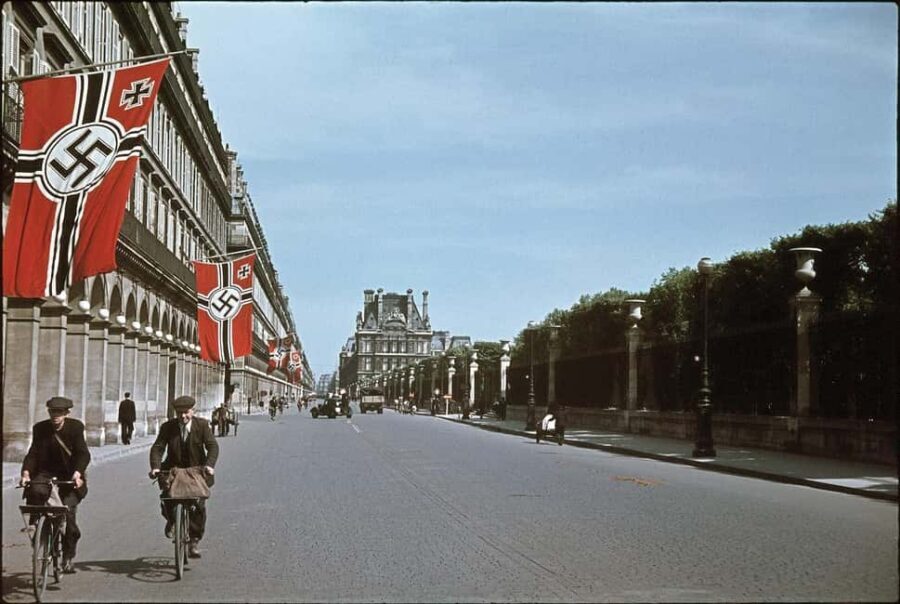
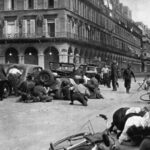
The Saint-Michel District is presented as a powerful symbol of resistance, including defiant riots against Nazi rule in 1942. It’s one thing to talk about resistance. It’s another to link it to public confrontation in a specific neighborhood and year.
This part of the route helps you understand resistance as both underground work and visible resistance. Riots don’t erase the clandestine effort—but they show the pressure reaching a tipping point where people were willing to risk immediate consequences.
Then the tour rounds out the story by looking at Paris’s final days of occupation. You’ll hear how control tightened under Nazi pressure and then how the city shifted into celebrations of freedom. The tour also touches on what came after—handling the aftermath of war, including the complexities of collaboration and rebuilding.
That ending matters for travel. It stops the story at liberation and then asks what freedom meant in real life: repairing communities, facing difficult questions, and rebuilding under strain.
Price and Value: Is $294 Fair for 3 Hours?
Let’s talk money, because $294 per person is not a small number for a 3-hour walking tour.
The value case is the private format and the focus. In a private group, you’re not stuck listening to a scripted path while your questions get lost. You also get guided context for sensitive stops—especially where the story becomes emotional and serious. The route is not only “famous sights.” It’s tied to specific wartime threads: Jean Moulin’s unification, Defense de France’s underground role, Samuel Beckett’s refuge, Vel d’Hiv remembrance, and the deportation memorial.
But there’s a second value case and a warning. In one booking, the tour ended about 30 minutes earlier than expected. In another, the experience felt expensive relative to the overall quality, with a neutral delivery style and less personal connection. That suggests your enjoyment might depend on the guide’s manner and how you prefer to learn.
My practical advice: if you want a more conversational, story-driven style, don’t be shy about asking for it. If your priority is strong facts and a calm approach, you’ll likely be happier with this format.
Who This Tour Suits Best (And Who Might Want to Skip It)
This tour is best for you if you want WWII history tied to real Paris streets, and if you like the intersection of big events and human stories. It works well for travelers who enjoy:
- Resistance networks and the mechanics of underground life
- Key figures like Jean Moulin and what unification changed
- Memorial-focused history where you slow down and pay attention
- A different angle through Samuel Beckett’s refuge from the Gestapo
You might want to choose differently if you dislike walking, hate somber topics, or expect a more “feel-it” emotional experience rather than a fact-and-context guided walk. Also remember that delivery style can vary, including tone and how the tour time plays out.
In short: if you’re here to understand, this tour is a strong match.
Should You Book This Private Paris WWII Tour?
I’d book it if you want a focused 3-hour route that connects Resistance, Jean Moulin, the Vel d’Hiv tragedy, Samuel Beckett, and the city’s path from occupation to celebration of freedom. The meeting point is clear, the tour is private, and it includes multiple language options, which makes it easier to stay engaged.
Skip it or reconsider if you’re price-sensitive and you strongly need a guide who delivers in a highly personal, expressive style. One booking highlighted that the experience felt neutral, and another noted the tour ran shorter than expected. If that mismatch would bother you, you may want to compare alternatives before committing.
FAQ
How long is the Private Paris WWII History Tour?
It lasts 3 hours.
Where is the meeting point?
You meet next to the Saint Michael Monument, and the guide will be holding the Mister Llama mascot.
Is the tour private?
Yes. It’s a private group.
What languages are available for the live guide?
The tour is available in English, Spanish, Russian, German, Korean, Chinese, Japanese, Italian, and French.
Is the tour wheelchair accessible?
Yes, it’s wheelchair accessible.
Is hotel pickup included?
No. Hotel pickup and drop-off are not included, though the tour can sometimes start closer to your hotel if it’s conveniently located along the route.
What’s included in the price?
The guided tour of Paris WWII sites is included.
What should I wear for this tour?
Wear comfortable shoes, since there is significant walking. Dress for the weather, since you’ll be outdoors.
What if I need to cancel?
You can cancel up to 24 hours in advance for a full refund.
Can I reserve without paying now?
Yes. You can reserve now and pay later.