REVIEW · EPERNAY
Bubble Champagne Tour from Epernay (Small group half day tour)
Book on Viator →Operated by Aÿ-Champagne Experience · Bookable on Viator
Champagne is best when it’s personal. This half-day small-group tour connects you to the people and places that make the bubbles click.
I like how the route mixes iconic names (Hautvillers and Épernay’s famous avenue) with quieter, family-run stops you won’t stumble on alone. I also like the tastings: three 100% Grand Cru champagnes plus extra pour-ins of regional champagne alcohols like Ratafia Champenois, Fine de la Marne, and Marc de Champagne. One thing to consider: you’ll pack a lot into 3 hours 30, so if you’re chasing long photo breaks or a slow pace, this may feel a bit full.
In This Review
- Key highlights (what makes this tour worth your time)
- From Hautvillers to Épernay: what this tour is really about
- Starting in Épernay: why the location matters
- Stop 1: Abbaye Saint-Pierre d’Hautvillers and the Dom Pérignon story
- Stop 2: Hautvillers village and the UNESCO hillside viewpoint
- Côte des Blancs drive-by: Cramant, Avize, and the Grand Cru Chardonnay kingdom
- Stop 3: Oger and the family producer since 1864
- Stop 4: Cramant and the Goyard distillery tastings from Aÿ
- Épernay’s Avenue de Champagne: mansions, cellars, and the production machine
- Tasting tips you can use right away
- Group size and vibe: why “small” feels better here
- Guides and communication: what to expect from the hosting style
- Price value: is $187.06 a good deal?
- Who should book this tour—and who might prefer something else
- Should you book the Bubble Champagne Tour from Épernay?
- FAQ
- How long is the Bubble Champagne Tour from Épernay?
- How many people are in the group?
- What tastings are included?
- Is the tour conducted in English?
- Where do I meet the tour?
- What’s the cancellation policy?
Key highlights (what makes this tour worth your time)
- Hautvillers + Dom Pérignon: a private church visit tied to the spiritual father of Champagne
- Grand Cru Côte des Blancs focus: Chardonnay country through villages like Cramant and Avize
- Family estate since 1864 in Oger: tour + cellar visit with tasting advice
- Three Grand Cru champagnes + style comparisons: natural without dosage, brut, vintage, and oak-aged options
- Aÿ Goyard distillery tastings: Ratafia (since the 13th century), plus Fine de la Marne and Marc de Champagne
- Épernay’s Avenue de Champagne walkthrough: mansions, historic cellars, and major Champagne-house production sites
From Hautvillers to Épernay: what this tour is really about
This isn’t just a drive-by Champagne postcard. The big idea is simple: you’ll learn why the region tastes the way it does, then you’ll taste your way through those differences.
The timing helps. At roughly 3 hours 30 minutes, you get enough time to see the key villages around Épernay (Hautvillers, Côte des Blancs villages, Oger, Cramant) without losing your whole afternoon. And the small group cap—2 to 8 people—makes questions easier and keeps the day from feeling like a cattle call.
Bubble Tour value: the price is $187.06 per person, and you’re not paying only for a “transport + a sip.” You’re paying for multiple structured stops, access inside producers, and the tasting set (three Grand Cru champagnes plus regional alcohol tastings). If you’ve ever done a Champagne tour that feels like you paid for the view, this format is more hands-on.
You can also read our reviews of more wine tours in Epernay
Starting in Épernay: why the location matters
You meet at the Office de Tourisme d’Épernay (7 Av. de Champagne). That’s a smart start point because it puts you near the Champagne heart of the town. Then the tour builds from there: first story and village roots in Hautvillers, then the Chardonnay-driven Côte des Blancs area, and finally Épernay’s signature avenue.
If you’re traveling from Paris, Épernay is an easy rail hop, and meeting at the tourism office keeps logistics tidy. Just remember: the tour doesn’t include hotel transfers, and luggage is not allowed—so pack light if you’re doing this alongside other sightseeing.
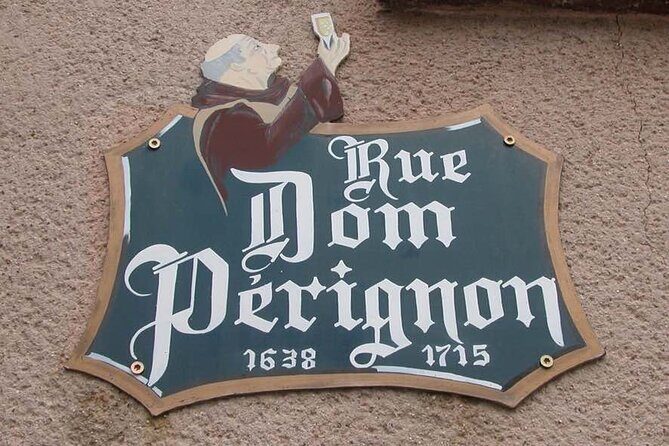
Stop 1: Abbaye Saint-Pierre d’Hautvillers and the Dom Pérignon story
Hautvillers is a must in Champagne. It’s often called the cradle of Champagne, and the tour leans into that with a private church visit at Abbaye Saint-Pierre d’Hautvillers.
Inside the church, you’ll see the grave of Dom Pérignon, described here as the spiritual father of Champagne. More importantly, the visit isn’t only “look and move.” You get his story, plus context for how Champagne became Champagne—so when you later taste different styles, the history doesn’t sit in your brain like random facts. It connects.
Why I like this stop: it gives you a clear origin point. Dom Pérignon is mentioned again and again in Champagne marketing, but having the physical place in front of you makes the name feel real. Admission is free for this part, which keeps the day feeling well-balanced.
Possible drawback: this early stop is about history and meaning, not about scenery. If you’re hoping for lots of vineyard time right away, you’ll get it next.
Stop 2: Hautvillers village and the UNESCO hillside viewpoint
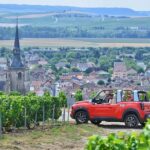
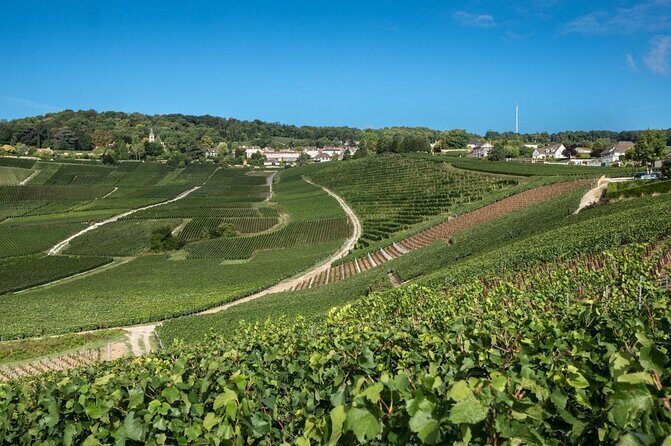
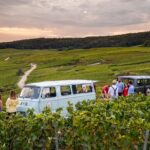
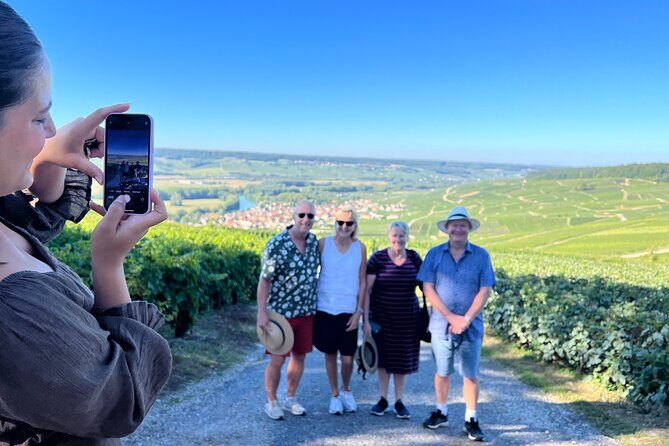
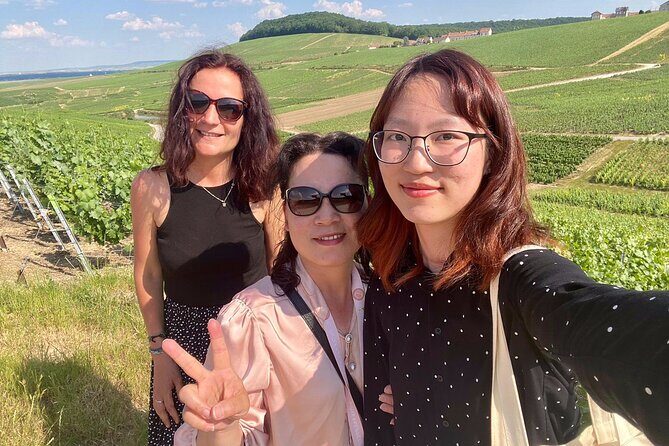
Next you’re back in Hautvillers for the kind of view that explains why people photograph this region nonstop. You’ll stop in the historical hillsides of Champagne, part of the UNESCO World Heritage listing, with a panorama over the Marne Valley.
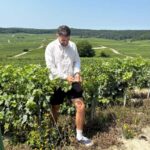
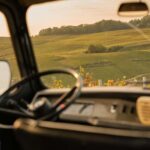
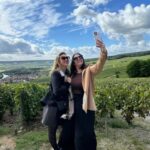
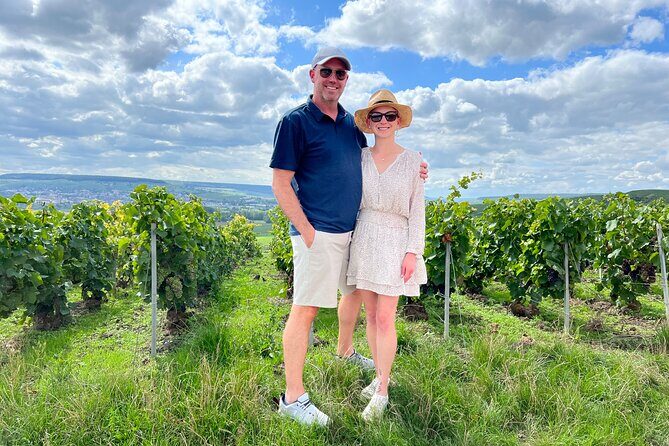
This is a great moment to reset your eyes. You’ll be surrounded by vineyard slopes, and you’ll get photo time right in the vineyard heart. The tour also slows down enough for the guide to talk vines and grapes—especially Pinot noir—and it covers terroir and sustainable viticulture.
What you learn here (and why it matters): when you understand the basics of what the vines do and where the grapes come from, tasting later isn’t just about sweetness or dryness. You can start to notice how structure, acidity, and character shift between areas—especially between Pinot-driven zones like Hautvillers and Chardonnay-driven zones later.
Practical note: viewpoints can be weather-dependent. If it’s cloudy or rainy, you’ll still get the lesson, but you might miss the crisp panorama.
Côte des Blancs drive-by: Cramant, Avize, and the Grand Cru Chardonnay kingdom
After the Marne Valley focus, the tour heads toward Côte des Blancs, which is treated here as Chardonnay Grand Cru territory. You’ll hear why Grand Cru is the highest level of Champagne appellation and why it’s held by only a limited number of villages around Épernay.
On the route, you’ll pass through Cramant and Avize—both famous Grand Cru villages. You’ll also drive past industrial and high-profile Champagne sites, including:
- the largest bottles factory (as you pass by)
- the Château de Saran area (described as ultra private and linked to LVMH VIP hosting)
- the Montaigu site dedicated to Moët & Chandon’s champagne making
This section works best as a “big picture” lesson. You see that Champagne isn’t only cellars and villages; it’s also scale—production buildings and the infrastructure behind famous brands.
Why it’s useful for first-timers: lots of Champagne tours only show the small side. Here, you get a quick contrast: family grower access later, then a glimpse of how the Champagne ecosystem reaches high-volume customers.
Stop 3: Oger and the family producer since 1864
Oger is another well-known Grand Cru village, and it’s strongly associated with Blanc de Blancs style—100% Chardonnay Grand Cru.
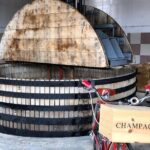
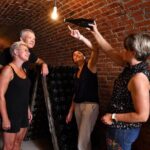
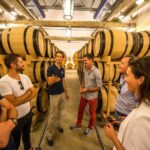
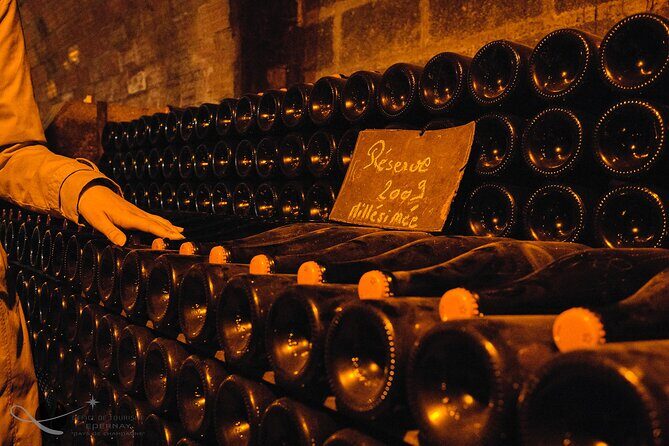
This is where the tour becomes hands-on. You visit an independent producer/grower, a family estate since 1864. You’ll get explanations of the Champagne making process, plus a visit to the press, winery, and cellar.
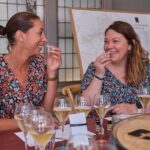
Then comes the tasting portion, and it’s built for learning, not just sipping:
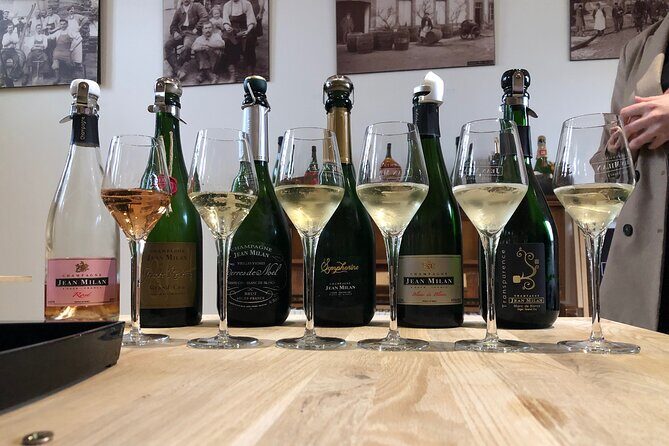
- you taste three 100% Grand Cru champagnes
- you’ll get tasting advice to help you spot differences
- the styles you’ll encounter can include natural Champagne without dosage, brut, vintage, and versions aged in oak barrels
Why I think this stop is the heart of the day: it’s where your understanding moves from theory to practice. A producer visit plus a structured tasting means you can ask questions and connect what you see (pressing, cellars, aging approaches) to what you taste.
Also, because this is described as a fairly confidential address favored by locals and connoisseurs, it feels like the kind of place that makes you understand why big houses aren’t the only option.
And yes—you can buy Champagne in their shop if you want to take a bottle home. (It also helps that the region is made for gifts and suitcase purchases.)
Stop 4: Cramant and the Goyard distillery tastings from Aÿ
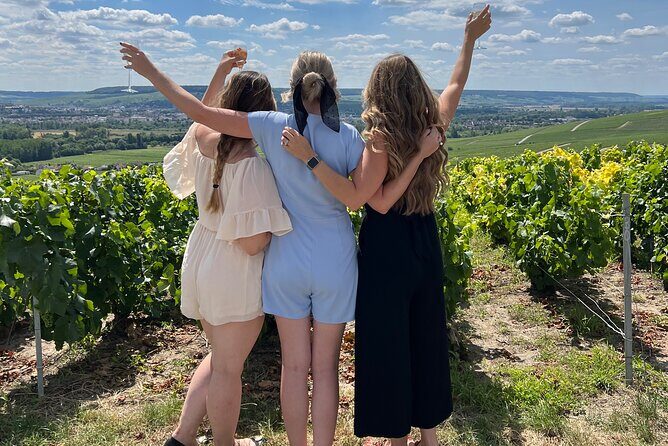
This part adds something many Champagne tours skip: the non-wine side of Champagne culture. While you’re in the area around Cramant, you’ll enjoy additional tastings of three essential Champagne alcohols and aperitifs from the Goyard Distillery in Aÿ, created in 1911.
Here’s what you’ll taste:
- Ratafia Champenois, made since the 13th century (sweet wine from grape varieties used in Champagne)
- Fine de la Marne (a brandy)
- Marc de Champagne (a brandy digestif)
This isn’t just an “extra pour.” The tastings are meant to show how grapes can become different flavors depending on how they’re treated. Ratafia in particular is often described as relatively unknown outside the Champagne region, partly because it isn’t widely exported, but it’s known locally as a versatile aperitif or digestif and also pairs well with food.
Seasonal bonus: depending on weather, you might enjoy these tastings with a panoramic vineyard view around Épernay. That can turn a short tasting stop into a memorable break.
Épernay’s Avenue de Champagne: mansions, cellars, and the production machine
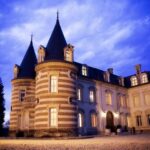
The day ends with a commented passage through Épernay’s UNESCO World Heritage Site stretch along Avenue de Champagne. This is where the guide ties it all together: the history of the mansions and production buildings associated with major Champagne houses like Moët & Chandon, Perrier Jouët, Pol Roger, and others.
The tour frames it as the most expensive avenue in the world, with prestigious Champagne houses, mansions, and an enormous cellar network described here as 100 kilometers of cellars hiding 200 million bottles.
Why this finale works: it gives context for what you’ve been tasting. By the end, you’ve already met a family grower in Oger and learned about style differences. Now you see the famous frontage and understand how the region’s scale connects to the brands you’ve heard of.
Tasting tips you can use right away
This tour includes multiple tastings, so the order and your attention matter. Keep a few practical habits:
- Taste in one go. If you’re pouring multiple styles close together, treat each glass as its own moment. One past experience noted that a shared glass was used for multiple champagnes, so your best results come from tasting promptly before the next pour blends in.
- Ask what to look for. The tasting includes advice to help you notice natural Champagne without dosage versus brut, plus vintage and oak-aged character. If you can, ask your guide what cues they want you to focus on: acidity, bubbles, or aging influence.
- Don’t “speed-run” Ratafia. Sweet styles can blur if you rush. Take a pause between pours and notice the aroma shift.
Group size and vibe: why “small” feels better here
With a maximum of eight people, this is the kind of tour where conversation stays human. You’re not stuck with a headset. You can usually ask follow-ups—about Pinot noir versus Chardonnay, about dosage versus no dosage, or about how a press and cellar visit actually connects to what ends up in your glass.
If you’re traveling solo, it can also be a confidence booster. Many solo travelers feel better when a small group keeps the day social but not overwhelming—and the guide format here is set up for that kind of atmosphere.
Guides and communication: what to expect from the hosting style
The tour runs with a guide/chauffeur, and English is offered. In the real world, the big difference between a good tasting day and a forgettable one is whether your guide can explain what you’re seeing in plain language.
This tour’s format gets strong praise for guides who are friendly and able to connect history, grape choices, and Champagne techniques. Names that have come up include Isabelle, Philippe, Marine, Charlotte, Nina, Victoria, Svetlana, and Louis—each described as passionate and strong on context and behind-the-scenes detail. Even if you’re not with the same guide, you can reasonably expect that style of communication.
Price value: is $187.06 a good deal?
At first glance, $187.06 can feel steep compared to a basic Champagne tasting. But this tour isn’t “one stop, one pour.” You get:
- multiple viewpoints and structured story stops around Épernay
- a private church visit in Hautvillers
- a producer visit in Oger with press/winery/cellar access
- tasting of three 100% Grand Cru champagnes
- additional tastings of Ratafia, Fine de la Marne, and Marc de Champagne
- a premium air-conditioned vehicle for a 3 hours 30 route
That bundle matters. When you price it out per tasting experience and per access to a family estate, the day holds together. You’re also getting a curated mix of styles—natural without dosage, brut, vintage, oak-aged—so your money goes toward learning, not just alcohol.
Who should book this tour—and who might prefer something else
Book it if:
- you want a high-signal introduction to Champagne around Épernay in one afternoon
- you care about Grand Cru regions like Côte des Blancs and Oger
- you want a producer visit rather than only large Champagne-house stops
- you like the idea of tasting beyond bubbles, including Ratafia and other local digestifs
You might think twice if:
- you want lots of free time at each location for photos
- you dislike structured tastings with multiple pours in one sitting
- you prefer a slower, less stop-heavy day
Should you book the Bubble Champagne Tour from Épernay?
I’d book it if you’re the type who wants to understand what you’re drinking, not just drink it. The combination of Hautvillers’ Dom Pérignon setting, Côte des Blancs Chardonnay territory, and an Oger family estate tasting makes this a strong “first Champagne lesson” with real access.
Also, the extras—Ratafia, Fine de la Marne, Marc de Champagne—add a regional flavor you usually can’t get from a basic tasting circuit. If you go in ready to pay attention and ask questions, this tour offers a lot of value for the time.
FAQ
How long is the Bubble Champagne Tour from Épernay?
It lasts about 3 hours 30 minutes.
How many people are in the group?
The group is small, capped at a maximum of 8 people (with 2 as the minimum).
What tastings are included?
You’ll taste three 100% Grand Cru champagnes, plus additional tastings of Ratafia Champenois, Fine de la Marne, and Marc de Champagne (and aperitifs from the Goyard Distillery in Aÿ).
Is the tour conducted in English?
Yes. The tour is offered in English.
Where do I meet the tour?
You meet at the Office de Tourisme d’Épernay en Champagne, 7 Av. de Champagne, 51200 Épernay, France. The tour ends back at the meeting point.
What’s the cancellation policy?
Free cancellation is available up to 24 hours in advance for a full refund. Canceling less than 24 hours before start time means no refund.