REVIEW · EPERNAY
The Connoisseurs from Epernay (Private Half day Champagne Tour)
Book on Viator →Operated by Aÿ-Champagne Experience · Bookable on Viator
If you think Champagne touring is just photo ops, this one changes your mind fast. You get a tight 3.5-hour route built around Hautvillers, two family-run grower visits, and tastings that focus on terroir and style, not slogans. I especially love the chance to compare Grand Cru/Premier Cru bottles from independent producers, and I like ending with a guided pass along the Avenue de Champagne in Epernay. One thing to consider: the schedule is full, so it can feel fast if you prefer long, unhurried cellar time.
The tour is private, offered in English, and designed for groups booking in advance, with pickup available around Epernay. That means you’re not stuck in a big bus situation, but it also means your comfort depends on which vehicle you’re assigned and how quickly you can hop in and out.
In This Review
- Quick highlights to look for
- Why a 3.5-hour private Champagne tour from Epernay makes sense
- Epernay pickup and the vehicle reality check (electric E-Mehari included)
- Stop 1: Hautvillers abbey visit and Dom Pérignon’s story
- Stop 2: Hautvillers viewpoints plus a Grand Cru/Premier Cru grower tasting
- The Côte des Blancs drive: Cramant, Chouilly, Avize, and the big-deal industry sites
- Stop 3: Oger Blanc de Blancs and the second family grower tasting
- Epernay’s Avenue de Champagne: the mansions and the cellar scale
- How many tastings you get, and why that matters for value
- Price and value: is $310.15 per person fair for this route
- The guides: what to look for and what the best ones do
- Who this tour suits best (and who might want something else)
- Should you book this Connoisseurs from Epernay private half-day tour?
- FAQ
- How long is the private half-day Champagne tour?
- Is this tour private, and is it in English?
- Do they pick up from Reims?
- What tastings are included?
- Which parts of the region do you visit?
- Can I cancel and get a refund?
Quick highlights to look for
- Hautvillers and Dom Pérignon’s grave: a church visit that ties Champagne history to the place people actually talk about
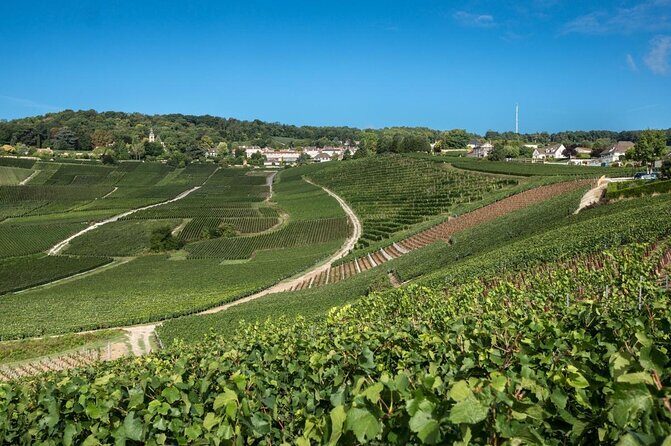
- UNESCO vineyard hills above the Marne Valley: viewpoints for photos and context about where experiments happened
- Two independent producer/grower families: structured visits that include presses, wineries, and cellars
- A lot of tasting for the time: 3 pours at each main tasting stop, plus other Champagne aperitifs/digestifs
- Côte des Blancs driving route: Cramant, Chouilly, Avize, and glimpses of major industry sites along the way
- Oger Blanc de Blancs focus: 100% Chardonnay Grand Cru tastings with style comparisons
Why a 3.5-hour private Champagne tour from Epernay makes sense
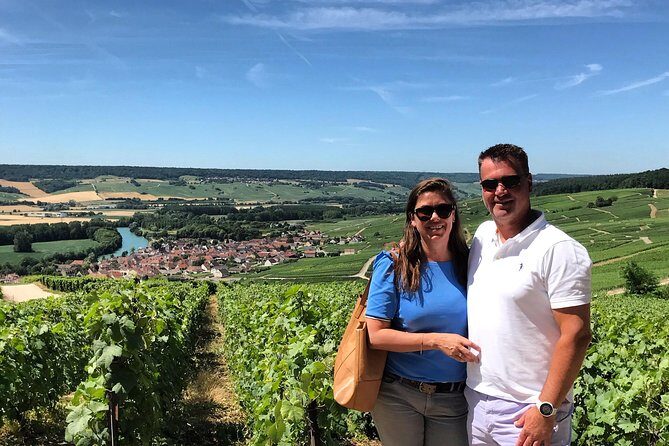
A half-day tour works in Champagne because you’re living in small villages connected by short drives. You’ll spend time where Champagne history and viticulture actually happen, and you won’t burn half a day just getting from place to place.
This one is also “private” in the real sense: only your party goes with the guide. That matters when you want to ask questions about dosage, aging, or why a Grand Cru tasting tastes the way it does. And it helps with pacing, since the route is meant to be packed but still feel like it has room for your curiosity.
The biggest payoff is that the tour isn’t one long stop at a single brand. It uses multiple stops to build a clear picture: history first, then vineyards, then production, then tastings, then Epernay’s famous grandeur.
You can also read our reviews of more private tours in Epernay
Epernay pickup and the vehicle reality check (electric E-Mehari included)
Pickup is offered within about 6 km (3.7 miles) around Epernay. Reims is around a 40-minute drive away and is not within that radius, so you’d need to meet the group in Epernay by taxi, car, or train.
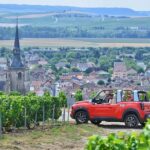
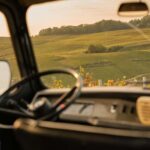
For rides, the operator matches the vehicle to the weather/season and your group size. You might ride in a Premium Van/Minivan, or in their electric red E-Mehari jeep-style crossover. If you have trouble getting into slightly raised vehicles, you should flag that ahead of time so you don’t end up wrestling with a step while holding your phone, camera, and good intentions.
Mobile ticket delivery is part of the package, and confirmation comes at booking. The practical takeaway: plan to meet on time in Epernay, and don’t assume they’ll come from farther out.
Stop 1: Hautvillers abbey visit and Dom Pérignon’s story
You start in Hautvillers, the village often called the cradle of Champagne. The first stop is the Abbaye Saint-Pierre d’Hautvillers, where you’ll get a private visit to the church and learn about the grave of Dom Pérignon.
What makes this stop worthwhile is that it’s not treated like a generic relic. The guide ties the story to the Champagne world you’ll see later: the idea that winemaking experimentation and Champagne’s early development are connected to this specific region and mindset. Even if you’ve heard the name before, visiting the church grounds your story in place rather than legend.
You’ll spend about 30 minutes here, and admission is listed as free. Expect a focused visit rather than a long wander.
Stop 2: Hautvillers viewpoints plus a Grand Cru/Premier Cru grower tasting
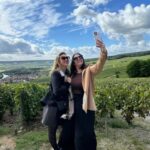
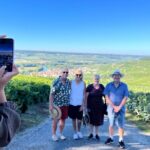
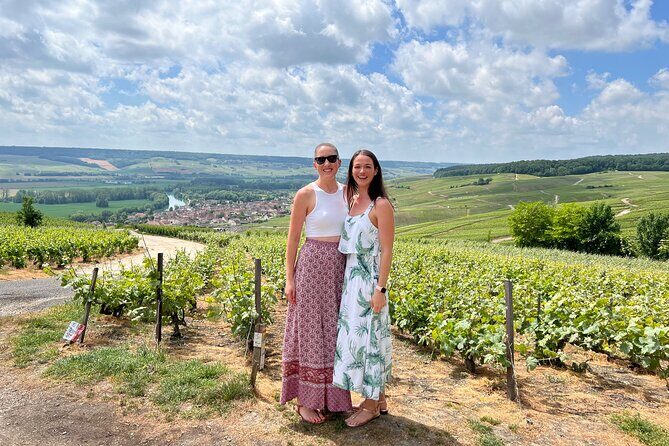
After the abbey, you’ll head to Hautvillers village and the surrounding historical hillsides, recognized as a UNESCO World Heritage Site. This is where you get the Marne Valley viewpoint, and it’s also where the guide connects the panorama back to the place Dom Pérignon carried out winemaking experiments.
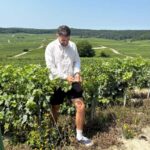
Photo lovers have a field day here, but the bigger value is understanding why vines are planted where they are. Slope, exposure, and distance from the valley matter, and a viewpoint gives you an immediate mental map for the rest of the route.
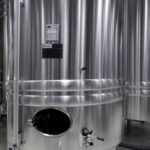
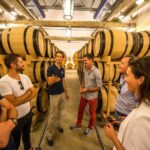
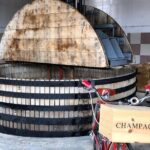
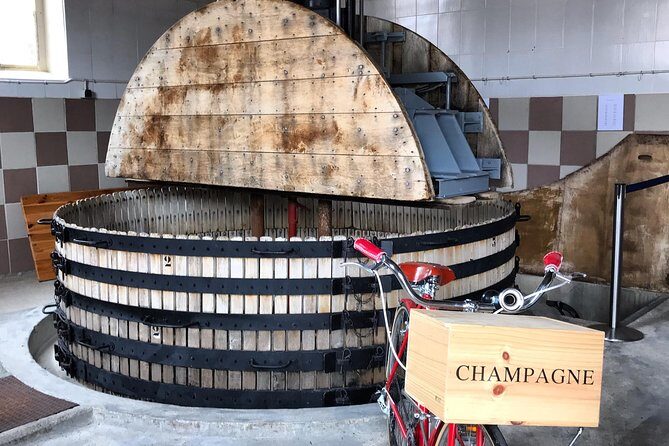
Then the tour shifts into production mode. You’ll visit the first of the two independent producers/growers on the itinerary. The visit is structured around the process: you’ll see presses, wineries, and cellars, and you’ll get explanations that fit what you’re looking at, not just a lecture from outside.
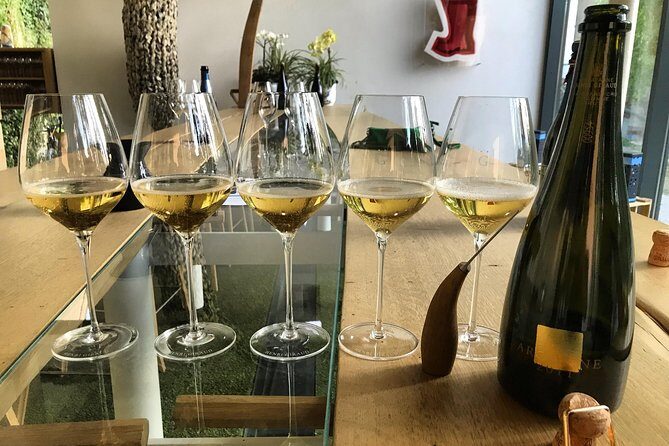
The tasting at this stop is the first big glass moment: three Grand Cru/Premier Cru Champagnes, served with a commented tasting. There’s also a helpful flexibility note: depending on the season and availability, this visit and tasting may happen in a village in the Côte des Blancs or in Aÿ-Champagne. That’s a real-world detail that prevents the tour from feeling overly scripted.
In practice, this is often where you start to notice differences in Champagne style: how fruit comes through, how acidity feels, and what aging does to texture. It’s also a good point to ask your guide what to watch for in the next stop, so you can compare on purpose instead of guessing.
The Côte des Blancs drive: Cramant, Chouilly, Avize, and the big-deal industry sites
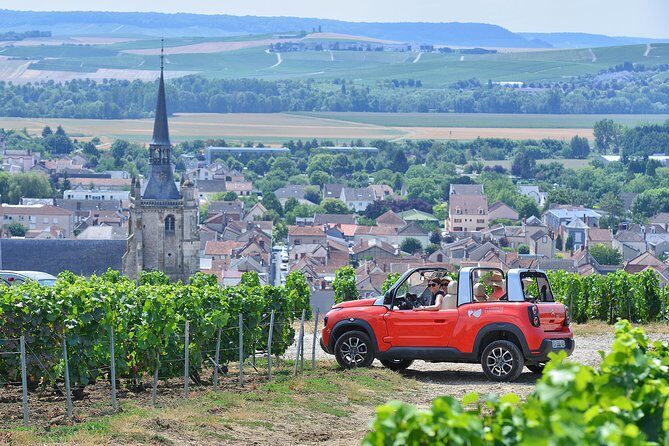
Between the two main grower visits, you’ll drive through part of the Côte des Blancs area, including Cramant, and you’ll pass through other famous villages such as Chouilly and Avize.
This region is often called the kingdom of Chardonnay Grand Cru, and you’ll feel that theme in the tasting later—this drive is basically the setup. It’s also where the route gives you glimpses of the Champagne machine, not just the family farm side.
On the way, you’ll pass in front of:
- the largest Champagne bottles factory
- near the very private Château de Saran, tied to luxury groups like LVMH and its Champagne brands
- the Montaigu site, described as dedicated to Moët & Chandon’s Champagne making
None of this is presented as a guided factory tour with a lot of entry time. But seeing these landmarks helps you understand the contrast in Champagne: independent grower craft exists right beside huge production infrastructure.
And yes, you’ll probably take photos of village signs and vineyards. Still, try to look past the postcard frame and ask yourself: who owns what, who sells where, and how style differences might connect to scale and philosophy.
You can also read our reviews of more wine tours in Epernay
Stop 3: Oger Blanc de Blancs and the second family grower tasting
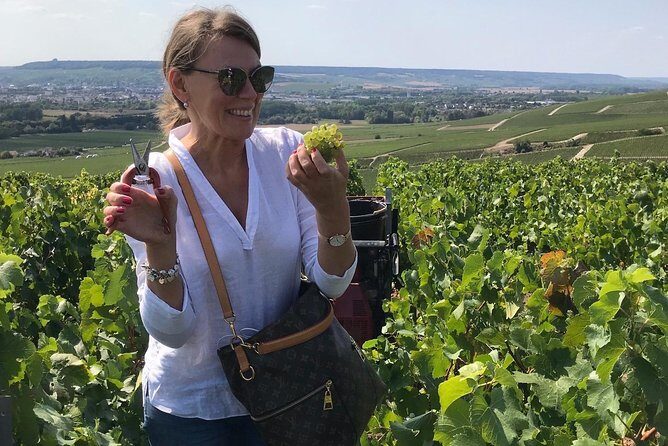
Next you reach Oger, another renowned Grand Cru village in the Côte des Blancs. Oger is known for Blanc de Blancs, meaning Champagne made from 100% Chardonnay Grand Cru.
This stop mirrors the structure of the earlier grower visit. You’ll meet the second of the two independent producer/growers and see presses, wineries, and cellars again, but you should expect different expressions. That’s the point: same broad region and grape family, different people, different parcels, different choices.
The tasting here is built for comparison. You’ll sample three 100% Grand Cru Champagnes with tasting advice designed to help you pick up the differences between styles, including variations such as:
- natural Champagne without dosage
- extra brut
- from old vines
- vintage bottles
- options aged in oak barrels
What I like about this portion is that the tasting advice gives you tools for future buying. Instead of leaving with vague “it was good,” you’ll start thinking in categories: how dosage shifts perceived sweetness, how old vines changes intensity, and what barrel aging can do to texture.
It’s also where “private tour” feels real. You can linger for one extra minute on a detail and ask what the guide is tasting for in real time.
Epernay’s Avenue de Champagne: the mansions and the cellar scale
To close, you drive through Epernay, the capital of the Champagne vineyard, along the Avenue de Champagne. It’s described as a UNESCO World Heritage Site and as a must-see stretch lined with prestigious Champagne houses.
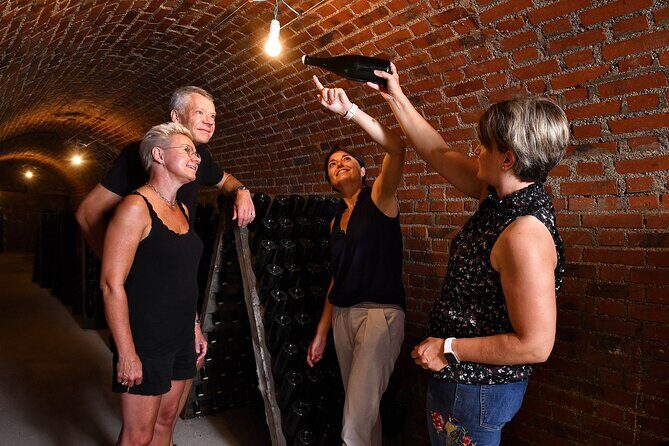
The big-picture wow factor here is scale. The tour explains the history of mansions and production buildings belonging for centuries to major Champagne houses like Moët & Chandon, Perrier-Jouët, and Pol Roger. You’ll also get the famous numbers: about 100 kilometers of cellars and around 200 million bottles stored below the street level.
This is the part of Champagne tourism where people expect glamour, and it delivers. But don’t treat it as only a drive-by. The commentary helps you connect what you saw in villages (vineyards and cellars) to what happens in Epernay (branding, infrastructure, and long-term aging capacity).
How many tastings you get, and why that matters for value
Tastings are a central part of this tour, not an optional add-on. Across the main producer visits, you get three pours at each: three Grand Cru/Premier Cru at the first stop, then three 100% Grand Cru Blanc de Blancs at Oger.
There’s also a useful detail from the tour format: the experience includes 9 tastings total, with 6 Grand Cru Champagnes poured in filled flutes, plus 3 other Champagne aperitifs/digestifs described as not exported that you discover during the tour.
For many people, that’s where the price starts to make sense. At $310.15 per person, you’re not just paying for a few sips and a ride. You’re paying for:
- private guiding
- visits to production spaces (not just a shop)
- multiple tastings timed around those visits
Also, tastings are how you learn fastest in Champagne. A good guide helps you connect what you tasted to the vineyard choices you saw—slope, varietal behavior, and winemaking decisions.
Price and value: is $310.15 per person fair for this route
Let’s talk money without pretending it’s small. At $310.15 per person for a private half-day (around 3 hours 30 minutes), the value depends on what you want from Champagne touring.
If you want a quick photo pass and a souvenir bottle, you can probably do cheaper. But if you want production visits plus guided tastings that compare styles across two independent grower families, this price starts to look realistic.
What pushes it toward good value:
- You’re getting multiple structured stops, not one main cellar.
- You’ll likely taste enough to identify patterns (dosage, vintage character, oak influence).
- Pickup is included within the Epernay radius, so you’re not paying for your own logistics to join the tour.
One pricing reality to remember: private tours cost more because the guide, vehicle, and time are reserved for you. If you’re traveling with someone who drinks responsibly and likes learning, it’s easier to justify. If you’re traveling solo and want a lot of tasting and time with a guide, you’ll need to check the operator’s minimums and how the booking is set up.
The guides: what to look for and what the best ones do
Across feedback, the guides tend to be praised for doing two things well: they keep it lively and they explain the process in a way that makes tasting easier. Names that come up again and again include Emma, Nina, Isabelle, Svetlana, Julie, Charlotte, and Isobelle.
The best guide moves you from Champagne as a label to Champagne as a set of choices. They point out how a style difference might come from vineyard selection, pressing, or aging decisions. They also make it easy to ask questions and get real answers, not just rehearsed lines.
One note from a less-perfect experience: someone felt the tour started a bit slowly and wished for more water, and another person found vehicle comfort less ideal. Those are the kinds of issues you can often prevent by asking what vehicle you’ll be in and by bringing a small bottle of water for yourself if that matters.
Who this tour suits best (and who might want something else)
This tour fits best if you want a balanced mix of:
- history in a real place (Hautvillers and the Dom Pérignon grave)
- vineyard viewpoints over the Marne Valley
- behind-the-scenes grower visits
- serious tastings designed to teach you how to taste
You’ll probably enjoy it most if you like Chardonnay and care about differences between styles like extra brut, natural without dosage, and oak-aged options.
If you hate any sense of being on a schedule, you might feel the half-day pace is intense. Some aspects move quickly because the tour tries to cover three major areas in one run. If you’re the type who wants slow roaming through cellars with no timing, consider a longer, single-house tour instead.
If you’re sensitive to tight vehicle entry or steps, tell the operator about any mobility limits ahead of time so the right vehicle can be chosen.
Should you book this Connoisseurs from Epernay private half-day tour?
Book it if you want Champagne that feels specific: villages you can picture later, production steps you can connect to what’s in your glass, and tastings that help you learn instead of just drink.
Skip (or choose another format) if:
- you’re mainly after a generic big-house experience and don’t care about grower comparisons
- you prefer a very unhurried pace
- you’re worried about comfort in small vehicles and don’t want to coordinate the vehicle choice
If you do book, my practical advice is simple: go in with a tasting mindset. Ask your guide what to notice on each pour. By the time you reach Oger, you’ll be able to taste the differences with your own eyes and ears, not just rely on vibes.
FAQ
How long is the private half-day Champagne tour?
The tour runs about 3 hours 30 minutes.
Is this tour private, and is it in English?
Yes. It’s a private tour/activity, and it’s offered in English.
Do they pick up from Reims?
Pickup is only offered within about 6 km around Epernay. Reims is not within that radius, so you would need to meet in Epernay.
What tastings are included?
You’ll taste multiple Champagnes during the two main producer/grower visits. The format includes 9 tastings total, including 6 Grand Cru Champagnes in filled flutes, plus 3 other Champagne aperitifs/digestifs described as not exported.
Which parts of the region do you visit?
You’ll visit Hautvillers (including the abbey church with Dom Pérignon’s grave), viewpoints over the Marne Valley area, a drive through Côte des Blancs villages like Cramant, Chouilly, and Avize, then Oger, and finally a guided pass along Epernay’s Avenue de Champagne.
Can I cancel and get a refund?
Free cancellation is available up to 24 hours in advance for a full refund. If you cancel less than 24 hours before the experience’s start time, the amount paid is not refunded.