REVIEW · PARIS
Champagne & Terroir Treasures: Viator’s Terroir Gourmet Delight
Book on Viator →Operated by Dilettantes · Bookable on Viator
A cellar tasting beats the bar crawl. In a 17th-century Champagne cellar near St-Germain, you’ll taste three different Champagnes and let food do half the work of teaching you what matters.
I especially like the terroir-focused approach: grapes, blend, and where they come from are explained in a way you can actually use while tasting. And I like that the included Comté and ham pairing isn’t an afterthought—it helps you notice acidity, texture, and finish fast.
One consideration: the tasting depends on strong smell-taste conditions, so the rules about perfume and even mouth freshness are real. Also, the depth of instruction can vary by guide, so if you want heavy Champagne geekery, plan to ask questions early.
In This Review
- Key Things to Know Before You Go
- Entering Rue de Savoie: Where the Tasting Starts
- The Terroir Lesson: Grapes, Blend, and Place
- Your Tasting Lineup: Three Champagnes and What to Compare
- The Cellar Pairing: Comté and Ham That Makes Sense
- The Sensory Rules: How to Avoid Ruining the Tasting
- Buying Bottles After the Sip: Take Home a Real Choice
- Price and Logistics: Is $86.82 Worth It?
- Who This Paris Champagne Tasting Is Best For
- The Bottom Line: Should You Book It?
- FAQ
- How long is the Champagne tasting experience?
- How many Champagnes will I taste?
- What food is included with the tasting?
- Where do I meet for the tour?
- Is transportation included?
- What’s the minimum age to participate?
- Are there rules about perfume or mouth products?
- Is the ticket mobile?
- Can I buy Champagne at the end?
- Is the experience refundable if I cancel?
Key Things to Know Before You Go
- Three samples (80 ml each): enough to compare without getting overwhelmed.
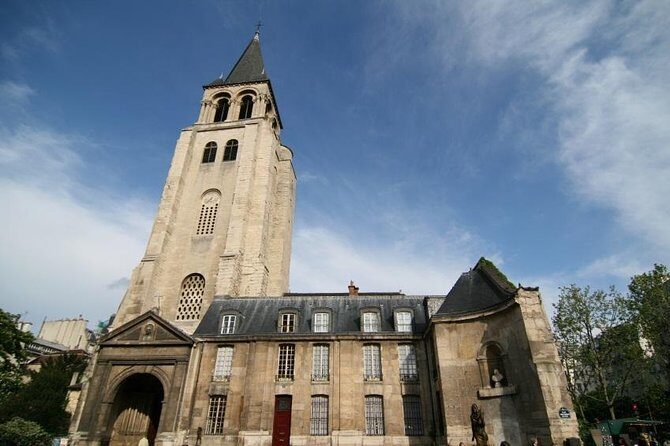
- A 17th-century cellar in central Paris: the setting makes the tasting feel special.
- Terroir + blending talk: you’ll connect style to grapes, blend, and place.
- Comté and ham pairing: salty, fatty flavors help you read the Champagne.
- Small group size (max 12): typically more personal than a big group tasting.
- Scent rules are strict: arrive ready to taste, not to perform.
Entering Rue de Savoie: Where the Tasting Starts
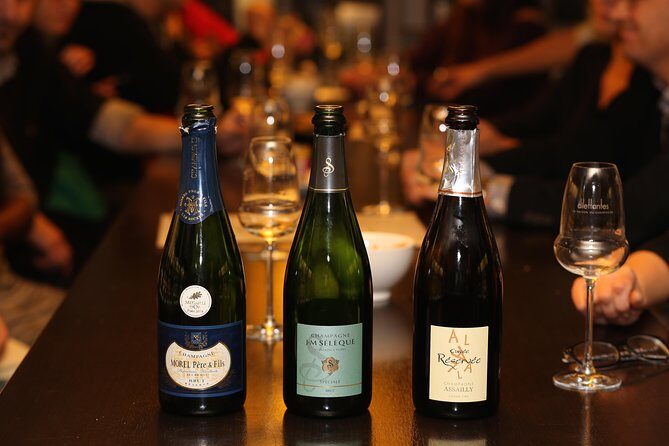
Your experience begins back at the meeting point at 22 Rue de Savoie, 75006 Paris. Plan to arrive about 10 minutes early, because you’ll want a calm moment to settle in before the tasting begins.
From there, you’re in central Paris territory, with the experience centered around the St-Germain area and a boutique cellar setting. That matters, because Paris Champagne tastings can drift toward generic “cheers and sip” events. Here, the cellar location is part of the point: it’s designed for slower tasting, with the atmosphere doing some of the storytelling.
The time block is about 1 hour 30 minutes. That’s ideal if you want a focused, high-return activity that won’t swallow your whole day. It also means you don’t have to treat this like a full meal—your food pairing is small, intentional, and paced with the glasses.
You can also read our reviews of more wine tours in Paris



The Terroir Lesson: Grapes, Blend, and Place
This tasting is built around one idea: Champagne isn’t just a drink. It’s a mix of choices—grapes, blend, and terroir—and those choices show up in what you taste.
You’ll get a guided explanation of what goes into making Champagne, including how the region shapes the fruit and how blending choices affect style. The best part is that it’s not purely theoretical. You’re tasting three different Champagnes, so you can connect the words to real differences in:
- Acidity and bite (how sharp or rounded the finish feels)
- Texture (how creamy, crisp, or light the bubbles seem)
- Flavor direction (fruit, bread, nutty notes, or more mineral-leaning impressions)
I like this format because it gives you a toolkit. After one tasting, you’re more likely to notice what you personally prefer—dry vs. fruit-forward, tighter vs. rounder—when you’re browsing bottles in a shop.
Your Tasting Lineup: Three Champagnes and What to Compare
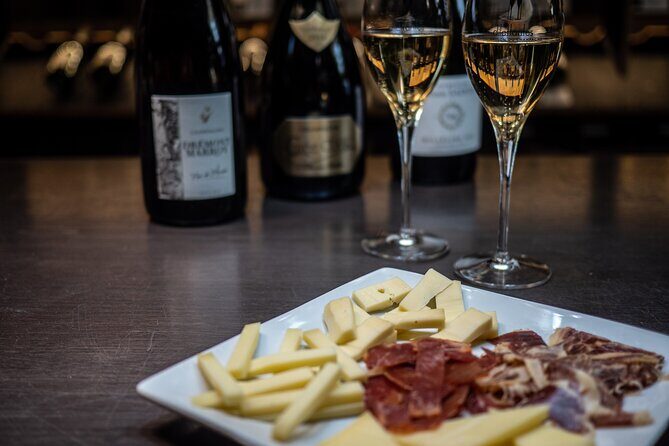
You’ll receive three small glasses of Champagne, each 80 ml. That’s a smart amount: enough to compare, not enough to get sloppy. It also helps you remember what changed between samples while the explanations are fresh.
The tasting is hosted in a cellar that dates back to the 17th century, which adds a sense of occasion. But the real value is what you’re doing in your head as you taste.
As you move through the lineup, you can treat the session like a quick comparison exercise:
- First Champagne: focus on the baseline. What stands out most—brightness, fruit, or something bread-like?
- Second Champagne: look for contrast. Did the bubbles feel finer or more direct? Did the finish lengthen?
- Third Champagne: decide what you’d buy. This sample usually clarifies whether you like a style more than a “brand.”
If you’re the type who usually gets lost between Champagne labels, this structure helps. You’re learning what differences mean in plain terms, not just collecting names.
The Cellar Pairing: Comté and Ham That Makes Sense
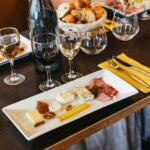
The included food is a plate featuring Comté cheese and ham/charcuterie. One of the highlights points to matured Comté and a Spanish-style element (pata negra) as part of the pairing. Either way, the core concept is consistent: you get salty, fatty, and savory bites alongside each Champagne.
Here’s why that pairing works:
- Comté brings fat and nuttiness, which can soften the Champagne’s acidity and make fruit flavors feel more rounded.
- Ham/charcuterie adds salt and cured depth, which sharpens your perception of bubbles and makes the finish seem cleaner.
- The combination forces you to taste Champagne as it’s meant to be enjoyed—with food, not just as a stand-alone sip.
You’ll likely get the most from the pairing if you pace yourself. Take one bite, then one sip. Give the flavors a moment to settle before switching. That tiny rhythm is what turns a tasting into learning.
The Sensory Rules: How to Avoid Ruining the Tasting
Let’s talk about the odd rules, because they’re not random. This experience asks you to protect smell and flavor conditions for everyone in the room.
You’re strongly advised to avoid:
- lipstick
- gum
- brushing your teeth very right before coming (they warn you may taste only acidity and bitterness)
- coffee or other strong flavored drinks (soft drinks are listed as fine, but strong flavors are discouraged)
- perfume/aftershave
And here’s the practical part: they say they may refuse entry if your perfume disturbs the tasting, and there’s no refund. So treat this like a serious food-scent environment. Go easy on perfume, skip strong mouth chemicals right beforehand, and arrive ready to taste.
If you’re thinking this sounds strict, you’re right. But it also explains why the tasting is set up like a guided sensory event instead of a casual tasting with mixed distractions.



Buying Bottles After the Sip: Take Home a Real Choice
One of the best perks of this kind of tour is what happens after you taste. You’ll have the option to purchase a bottle or two to bring home.
This is where the session turns into value. If you buy Champagne without tasting, you’re often guessing. After comparing three samples in a guided way, you’re more likely to:
- buy the style you actually liked
- understand why it might match your meals
- avoid the “we just bought something because it was on sale” problem
They also mention you can buy for delivery or take it to go. Even if you’re only thinking about one bottle, it’s worth waiting until the end so your purchase is based on taste, not hype.
Price and Logistics: Is $86.82 Worth It?
At $86.82 per person for about 1 hour 30 minutes, the value depends on what you want.
Here’s the honest math:
- You’re getting three Champagne tastings (80 ml each) plus a Comté and ham plate.
- You’re also paying for a hosted lesson in terroir and blending inside a central Paris cellar environment.
If you just want a quick drink with no learning, you might find cheaper. But if you want:
- a structured compare-and-decide tasting
- a pairing that helps you read the Champagne
- a focused run that fits a busy Paris day
…then the price starts to make sense.
Also, the group size is capped at 12 and it’s a mobile ticket experience. With a small ceiling like that, you’re more likely to get questions answered and keep the mood from turning into a loud cafeteria sprint.
Transportation isn’t included, so you’ll want to build this into a day when you can reach 75006 easily by metro or on foot.
Who This Paris Champagne Tasting Is Best For
I think this tour fits best if you’re one of these:
- You like food-and-drink experiences that actually teach you how to taste.
- You want a romantic Paris activity that still feels grounded and specific.
- You’re celebrating something (this type of cellar tasting pairs nicely with a date night).
- You’re curious about Champagne, but you don’t want a textbook.
It can also work for groups, but the capped size helps make it feel more personal. One example from the experience context: it can sometimes end up feeling like a private session when availability is low, so keep that in mind if you’re lucky with scheduling.
If you’re a serious wine student, you may still enjoy it, but you should be ready to ask questions to get the depth you want. The instruction quality can vary by guide, based on what’s been shared about past sessions.
The Bottom Line: Should You Book It?
Yes—if you want a Paris Champagne tasting with a real pairing and a simple terroir-and-blend framework that helps you buy smarter afterward.
Book it when:
- you value a small-group setting in a 17th-century cellar
- you want three guided tastings, not a skim-the-surface sip
- you’re open to following the scent and mouth-care rules so the tasting stays clean
Skip it if:
- you need a super long, deeply academic wine class
- you’re unwilling to adjust perfume or mouth freshness before tasting
- you’re only looking for the cheapest possible drink option
FAQ
How long is the Champagne tasting experience?
It lasts about 1 hour 30 minutes.
How many Champagnes will I taste?
You’ll taste three small glasses of Champagne, each 80 ml.
What food is included with the tasting?
You get a plate of Comté cheese and ham.
Where do I meet for the tour?
You meet at 22 Rue de Savoie, 75006 Paris, France.
Is transportation included?
No, transportation to and from attractions is not included.
What’s the minimum age to participate?
The minimum age is 18.
Are there rules about perfume or mouth products?
Yes. You’re strongly recommended not to wear perfume or aftershave, and also to avoid lipstick, gum, and strong-flavored drinks. They also note not to brush your teeth very right before coming. They may refuse entry if perfume disturbs the tasting.
Is the ticket mobile?
Yes, the tour uses a mobile ticket.
Can I buy Champagne at the end?
Yes, you can purchase a bottle or two to take home, and they mention options for to-go or delivery.
Is the experience refundable if I cancel?
No. It’s non-refundable and cannot be changed for any reason.