REVIEW · PARIS
Closing Time at the Louvre: The Mona Lisa at her Most Peaceful
Book on Viator →Operated by Walks - France · Bookable on Viator
The Louvre can feel like a maze at noon. This closing-time tour flips the script, guiding you through the museum at the end of the day when the flow changes and the galleries feel calmer. You still get the big hits, plus the setting: the palace grounds, sculpture halls, and that moment when the Mona Lisa becomes part of the rhythm of the closing day.
I especially like the small-group size (max 20), which helps you stay together and actually look at details. I also like that you’re not just drifting from room to room—you get an English-speaking guide who helps the art make sense, with stand-out guidance from people like Adam and Julie, plus other guides praised for keeping the visit smooth and engaging.
One thing to keep in mind: last-entry does not always mean empty. In peak periods, you may still run into crowds around the Mona Lisa, and a few people noted that the timing felt less peaceful than expected.
In This Review
- Key Highlights Worth Booking For
- How Last-Entry Timing Makes the Louvre Feel Less Chaotic
- Meeting at Arc de Triomphe du Carrousel: Your Start Line for a Smooth Entry
- Inside the Louvre: From Moat Foundations to Greek Sculpture Favorites
- Painting Rooms at Closing Time: Caravaggio, Raphael, da Vinci, and Friends
- The Mona Lisa Moment: Getting Close Without Losing Your Mind
- The Louvre Pyramid and Courtyard Stops: Iconic Views at a Human Pace
- Pacing and Your 3-Hour Reality Check
- Guide Quality: Why People Loved Seeing the Stories Behind the Art
- Price and Value: Is $101.58 Worth It?
- Who This Tour Fits Best (And Who Might Want a Different Plan)
- Should You Book Closing-Time at the Louvre?
- FAQ
- How long is the Louvre closing-time tour?
- What’s the price per person?
- Is the museum admission ticket included?
- What language is the tour?
- How big is the group?
- Where do we meet, and where does it end?
- Is this tour mostly walking?
- What sights are included besides the Mona Lisa?
- What happens if the Louvre closes due to strikes?
Key Highlights Worth Booking For
- Mona Lisa closer, not distant: you get there when the crowd pattern is lighter than the usual rush
- Small group (up to 20): easier pacing, better questions, less getting separated
- Headset included: for clear guide commentary while you move through busy rooms
- Smart highlights route: from Greek sculpture favorites like Venus de Milo to major painting rooms
- Courtyard stops around the Louvre: Louvre Pyramid and nearby iconic squares without racing
- Guides with range: some are especially strong at art stories and keeping families engaged
How Last-Entry Timing Makes the Louvre Feel Less Chaotic
The Louvre at opening can feel like a sprint. Late in the day, it tends to slow down. The idea behind this tour is simple: you arrive when many visitors have already done their main rounds, so you’re more likely to experience galleries with less noise and less shoulder-to-shoulder crowding.
The biggest payoff is the Mona Lisa moment. Even though you cannot expect a private viewing, you can often get closer to what you came for—the faces, the brushwork, the actual presence of the painting—because the crowd isn’t pressing in from all directions at once. Some guides also pace the approach so you can see without feeling like you’re constantly dodging people.
Still, be realistic. One review noted that June can be busy and the line/crowd at the Mona Lisa was still intense. Another person joked that a mid-afternoon start wasn’t quite the peaceful fantasy they hoped for. Translation for you: if you’re very crowd-sensitive, aim for the later departures available, and wear patience like part of your outfit.
You can also read our reviews of more tours and experiences in Paris.



Meeting at Arc de Triomphe du Carrousel: Your Start Line for a Smooth Entry
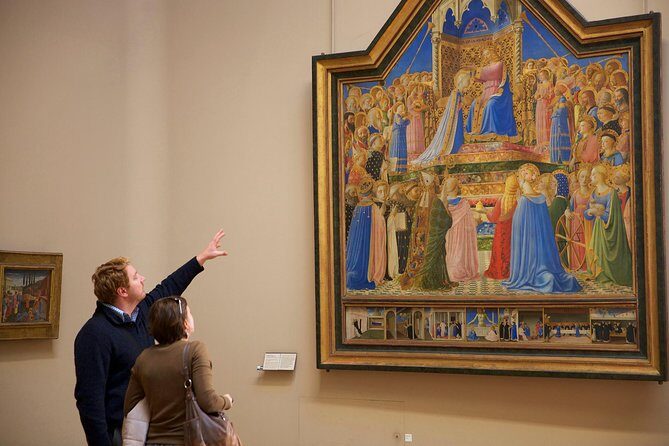
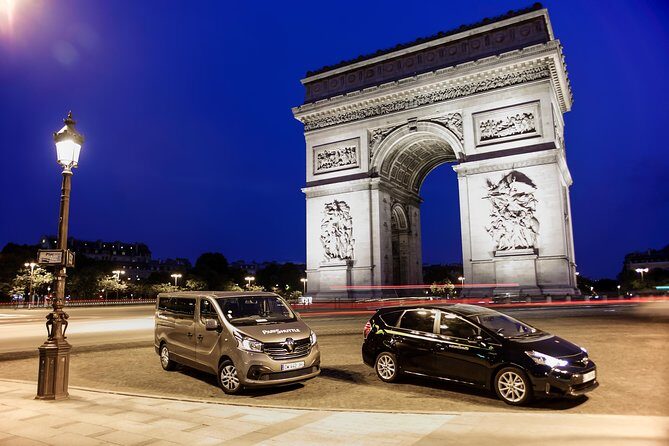
You meet at Arc de Triomphe du Carrousel, Pl. du Carrousel, 75001 Paris, and the tour ends inside the Louvre. There’s no hotel pickup, so you’ll want to plan your route like a local: take the train/metro and give yourself extra time to navigate to the meeting point.
This matters because the tour is built around timing. When you’re entering at a calmer hour, the whole plan depends on being ready when you meet your group.
A few practical points from how the tour runs:
- It’s a walking tour at a moderate pace, so comfortable shoes are non-negotiable.
- You’ll have a headset (included), which is a big deal inside the museum when sound bounces around and people cluster.
- Your route can change if parts of the museum are closed, and the Louvre can also close due to strikes. If that happens, the tour provider may reach out ahead of time; last-minute closures can also be communicated at the meeting point.
Inside the Louvre: From Moat Foundations to Greek Sculpture Favorites
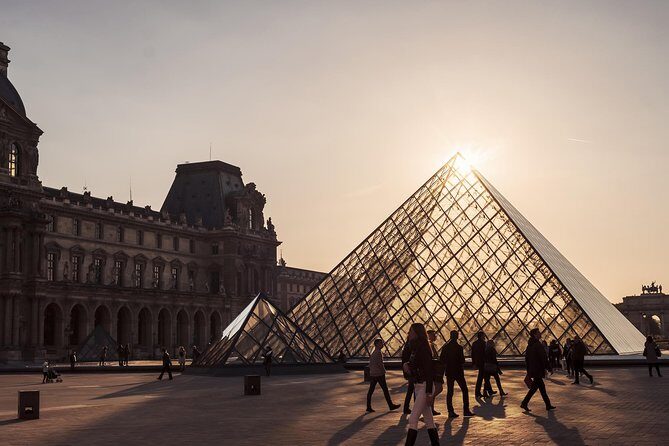
Once you’re in, the tour focuses on essentials, but it doesn’t feel like a rushed checkbox. You start with the setting and the building’s bones, including the palace foundations at the moat area—one of those details that helps you understand that the Louvre is more than a collection of paintings. It’s a site with layers, and that context makes the art feel more grounded.
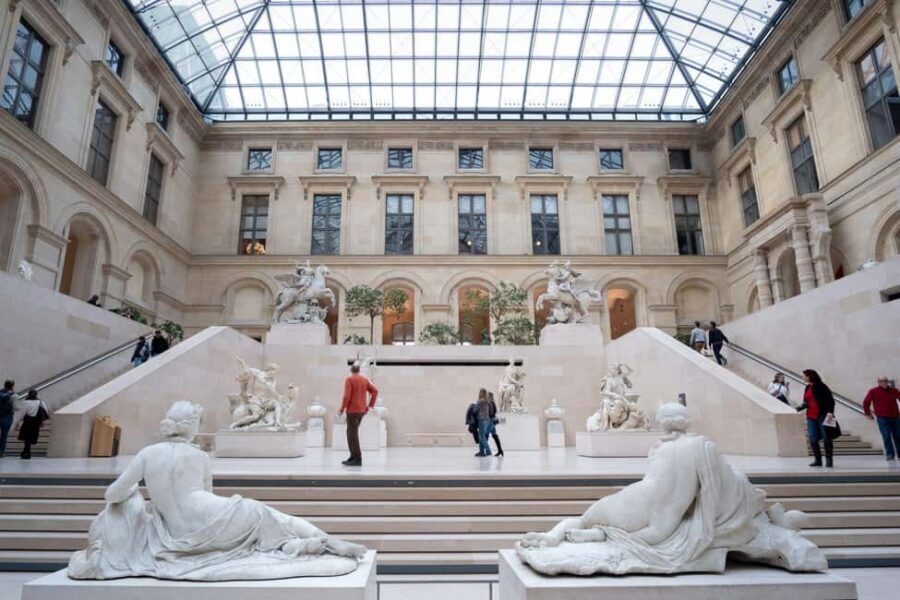
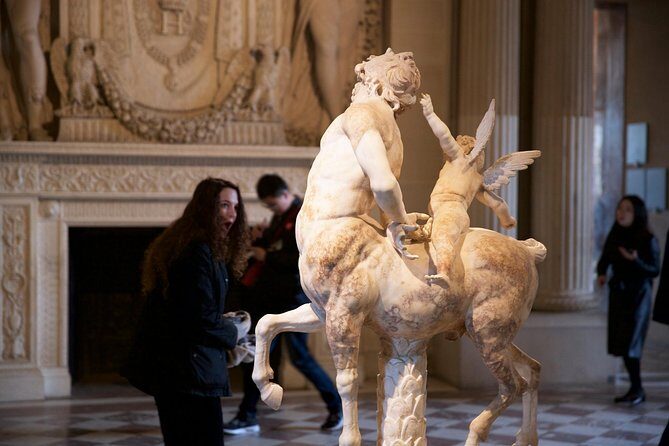
Then the route moves into classical sculpture—where the Louvre’s scale really shows. You’re guided through areas featuring highlights like:
- Venus de Milo, where it’s easier to appreciate the pose and how the sculpture’s fame works in real life
- Winged Victory of Samothrace, the one that looks theatrical even when you’re seeing it in a museum room
This is a good time to settle into your guide’s rhythm. In sculpture halls, you can actually slow down without the pressure of people cutting past you. And because you’re with a small group, you get a better chance to look at the thing itself instead of the crowd behind it.
Painting Rooms at Closing Time: Caravaggio, Raphael, da Vinci, and Friends
The tour’s core value is how it brings famous painters into a story you can follow. Instead of just pointing, your guide helps you connect what you’re seeing to why it mattered.
You’ll spend time on major names such as:
- Caravaggio
- Raphael
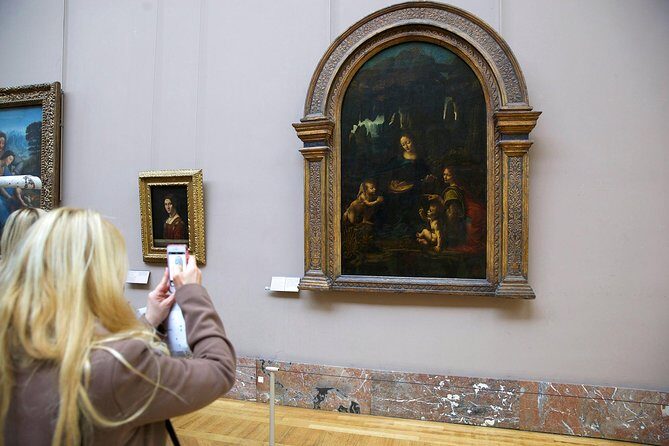
- da Vinci, including your Mona Lisa viewing
You’ll also see works that add variety, including:
- Géricault’s The Raft of the Medusa, which brings emotion and drama in a way that contrasts with the smoother idealism you might expect elsewhere
- other standout masterpieces along the essential route
A nice element: the tour is structured so you’re not trapped in the Mona Lisa hallway for the entire visit. People often think the Louvre is just paintings, but the stronger route is paintings plus sculpture plus the building itself. That mix helps you leave with a more complete mental map of the museum, even if you don’t see everything.
The Mona Lisa Moment: Getting Close Without Losing Your Mind
Let’s talk about what you actually want from this tour: the chance to see the Mona Lisa with fewer people in your way.
You will still be in the real world of museum crowds, and you cannot guarantee a totally empty view. But the timing usually works in your favor. Several people highlighted getting up near the front and feeling like they were able to see the painting instead of only staring over shoulders.
Two key things that help you enjoy it:
- Headset + guide timing: the guide can explain what to look for and help you avoid the worst congestion points
- Your expectations: the painting is famous for a reason, but it’s still a painting you need a few quiet seconds with, not a photo sprint
Also note: one review mentioned the Louvre has limited air conditioning, so on hot days it can feel warm inside. If you’re visiting in summer, plan for comfort (water bottle if allowed, breathable layers).



The Louvre Pyramid and Courtyard Stops: Iconic Views at a Human Pace
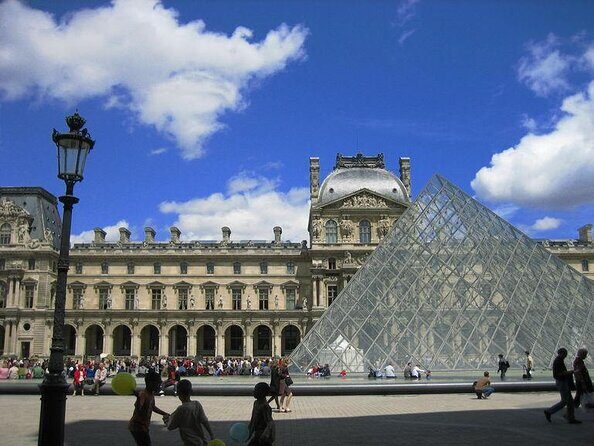
Not every great Louvre moment happens behind museum walls. This tour includes stops around the Louvre Pyramid area, including:
- the Louvre Pyramid itself (that glass triangular centerpiece)
- Arc de Triomphe du Carrousel
- Place des Pyramides
- Place du Carrousel
These breaks matter more than you might think. They give your eyes time to reset after galleries and help you orient yourself. You’ll also get a better sense of the Louvre as a physical place in Paris, not just an address on a map.
If you’re the type who likes photos but hates chaos, this is usually where you can breathe a little. You’re not trying to squeeze past dozens of people to find a single angle. You’re moving through the space as a group and stopping when it counts.
Pacing and Your 3-Hour Reality Check
A 3-hour Louvre tour sounds long until you’re inside the Louvre. Then it’s the perfect length—if you keep the pace.
The tour is designed for a walking pace you can manage, and it stays focused on essential highlights. That said, some reviews describe guides who walk briskly. If you want a slow, wander-at-will experience, this isn’t built for that.
What you can expect:
- Your guide keeps the group moving so you hit the big stops
- You may get restroom stops along the way, since some guides are attentive to comfort
- You won’t be using time for a long meander after the main tour ends
One review even mentioned free folding stools in the museum, which can help you rest while the guide explains details. If you’re prone to museum fatigue, this is worth remembering.
Guide Quality: Why People Loved Seeing the Stories Behind the Art
In a museum this big, the guide is the difference between seeing art and understanding art.
This tour is offered in English, and the guide-led storytelling is a repeated reason for high satisfaction. Names that stood out in the feedback include Adam, Julie, Sara, Antoine, Felicia, Nancy, Felix, Omar, Ahmed, Carolina, and Lee.
What people consistently praised:
- guides who keep the experience smooth even during busy times
- art explanations that help you notice things you would skip on your own
- humor and engagement that works for adults and even teenagers
One person noted a guide used an iPad during the tour to show different examples, which can be especially helpful in paintings where small details are easy to miss at a distance. Another highlighted that the guide made sure nobody felt left behind and checked in on comfort and pacing.
If you care about asking questions, this small-group format helps. You’re not just listening to a script—you can steer the conversation toward what you personally want to understand.
Price and Value: Is $101.58 Worth It?
At $101.58 per person, the price isn’t just a ticket cost. It’s paying for:
- a €22 museum entrance ticket (included for adults)
- an expertly guided walking tour
- a local English-speaking guide
- headsets (so you don’t miss the art talk)
What makes this value work is time. The Louvre is so big that going without a plan often means you spend energy figuring out where to go next. With a guided route designed for late-day entry, you save the mental effort and usually cut down on waiting compared with self-guided entry.
Some people specifically mentioned skipping entrance lines and saving time through group access. That’s the practical payoff: you spend more of your limited Paris time looking and less standing in queue after queue.
Is it a splurge? Yes, compared with buying a ticket and wandering. But if you want the Mona Lisa plus a curated slice of the Louvre’s best work within a realistic 3 hours, this is the kind of spend that can make the day feel complete.
Who This Tour Fits Best (And Who Might Want a Different Plan)
This tour is a great match if:
- you’re an art lover who wants more than surface-level viewing
- you want a manageable plan inside a huge museum
- you travel with a mix of ages, including families, and you like guided pacing
- you want to see the Mona Lisa with fewer crowds, especially in the evening pattern
It might feel less ideal if:
- you hate walking and prefer a slow sit-down museum day
- you expect a totally empty Mona Lisa area
- you want free time to wander after the tour ends (this doesn’t give you that extra independent roaming window)
Should You Book Closing-Time at the Louvre?
Book it if you want a guided hit list that still feels thoughtful, and you like the idea of finishing the Louvre day with a better chance at a calmer Mona Lisa experience. The small-group size, headset, and art-story focus are the ingredients that make the visit feel efficient without feeling robotic.
If you’re very crowd-sensitive, go for the latest possible departure and plan for the fact that even at closing time, peak periods can still bring plenty of people.
In short: this is a strong choice when you want the Louvre’s most famous art plus the building and sculpture context, all in a format that respects your time.
FAQ
How long is the Louvre closing-time tour?
It’s listed as about 3 hours.
What’s the price per person?
The price is $101.58 per person.
Is the museum admission ticket included?
Yes. Adults get a €22 entrance ticket included.
What language is the tour?
The tour is offered in English.
How big is the group?
The tour has a maximum of 20 travelers.
Where do we meet, and where does it end?
You start at Arc de Triomphe du Carrousel, Pl. du Carrousel, 75001 Paris, and it ends at the Louvre Museum (75001 Paris).
Is this tour mostly walking?
Yes, it’s a walking tour with a moderate pace. You should be able to walk without difficulty.
What sights are included besides the Mona Lisa?
The tour includes time in key Louvre areas with highlights like Venus de Milo and Winged Victory of Samothrace, and it also includes stops around the Louvre Pyramid, Arc de Triomphe du Carrousel, Place des Pyramides, and Place du Carrousel.
What happens if the Louvre closes due to strikes?
If there’s time, the provider will reach out prior to the tour. For last-minute closures, cancellations may be communicated at the meeting point.