REVIEW · PARIS
Paris: Montmartre Walking Tour with Sacré-Cœur Entry Option
Book on GetYourGuide →Operated by Global Tours And Tickets · Bookable on GetYourGuide
Montmartre turns into a story in 90 minutes. I like how the route hits the neighborhood’s headline sights without making you hunt around, especially the Je t’aime wall and the art stops that explain why this area mattered. I also like the finish at Sacré-Cœur, with an optional panoramic view add-on if you want the climb. The main thing to consider: it’s moderate walking with stairs and inclines, and pace/timing can vary by guide.
You start at Abbesses Metro, a clever launch pad with its Art Nouveau entrance, and you end at the basilica instead of backtracking through crowds. Expect photo pauses, short breaks, and a guide who ties each stop to local culture and history.
This tour is a strong fit for first-time visitors who want a structured overview of Montmartre’s art, romance, and viewpoints. If you already know you’ll skip the panoramic climb, it’s still a good way to get your bearings and see the landmarks on one walk.
In This Review
- Key reasons this tour works
- Starting at Abbesses: the Art Nouveau entry that gets you moving
- Je t’aime wall: quick, iconic, and easy to photograph
- Bateau-Lavoir: the creative past behind the streets
- Dalida’s Montmartre: a music legend with real street connections
- Moulin de la Galette: from rustic past to postcard Montmartre
- Place du Tertre and the art-energy vibe you can feel
- Le Passe-Muraille and Maison Rose: small stops with big personality
- Ending at Sacré-Cœur: views, stairs, and the panoramic ticket choice
- How long is 90 minutes, really? Pacing that affects your enjoyment
- Price and value: what $58 buys in Montmartre time
- Who this tour suits best (and who might want something else)
- Practical tips so the day feels easy
- Should you book this Montmartre walking tour?
- FAQ
- Where do I meet the guide?
- How long is the Montmartre walking tour?
- Is the tour in English?
- Does the Sacré-Cœur panoramic view require a ticket?
- What’s included in the price?
- What is not included?
- What should I bring and wear?
Key reasons this tour works
- Abbesses Metro first: easy meeting spot with an Art Nouveau landmark built into your start
- Je t’aime wall in 250 languages: a quick stop that sets the tone for Montmartre’s romance-and-art mix
- Bateau-Lavoir’s artistic link: you’ll connect the streets to the creative energy that drew major names
- Dalida stop with a bust: a real, specific pop-culture thread that most Montmartre walks skip
- Sacré-Cœur ending: you control whether you add the panoramic viewing option at the end
Starting at Abbesses: the Art Nouveau entry that gets you moving
Most walking tours in Paris start somewhere central and convenient. This one starts at Abbesses Metro (Line 12), right at the street-level exit where you can actually find your guide fast.
Here’s what I like about that meeting point. Abbesses isn’t just a transport hub; it’s a recognizable piece of Montmartre’s personality. If you’re arriving by metro, you’ll feel like you’re already inside the neighborhood instead of stepping into it cold.
Logistics are simple: look for the company white flag at the exit, and the meeting details (plus a flag picture) get sent by email about a day before your date. If you like to travel with zero stress, this kind of clarity matters.
The walk itself is moderate, but the reality of Montmartre is that you’ll deal with inclines and stairs at multiple points. I’d bring comfortable shoes even if the day looks mild on your weather app. You’ll be glad you did.
You can also read our reviews of more walking tours in Paris



Je t’aime wall: quick, iconic, and easy to photograph

The first major photo stop is the love-themed mural known as the Je t’aime wall. The big selling point here isn’t just that it’s famous. It’s that it’s Montmartre in miniature: romance, art, and multilingual flair all in one spot.
You’ll learn what the wall represents—love in 250 languages—and that detail helps you look at it differently than a quick selfie stop. Instead of just snapping a photo, you’ll understand why this kind of message fits a neighborhood that’s long been linked to artists and performers.
Why I think this stop is valuable on a guided walk: it’s an instant context builder. After you see it, everything else on the route feels less random—more like a planned route through themes: love, creativity, performance, and memory.
A small consideration: it can be crowded. Go with the mindset that you’re aiming for a photo break, not a long linger. The tour includes time for photography and short rest stops, so you won’t feel totally rushed if you play it smart.
Bateau-Lavoir: the creative past behind the streets
Next comes Bateau-Lavoir, where Montmartre’s artistic legacy gets more specific. You’re not just touring scenery—you’re learning how the area fit into the creative world.
This is where you connect the dots to Picasso. The stop is tied to the history of Bateau-Lavoir as a place where Picasso once worked. That’s the kind of detail that turns a street-level walk into something more satisfying. When you know the story, you start noticing things you might otherwise skip—buildings, angles, and the way the neighborhood is arranged for foot traffic.
Drawback to consider: Bateau-Lavoir can feel like a moment where you’re standing near a spot more than inside a museum. That’s normal for neighborhood walks. The payoff comes from the guide’s explanation, so if you prefer purely architectural sightseeing, you might wish for more time on the details of the buildings themselves.
Still, for a 90-minute format, this is a great use of time. It teaches you why Montmartre became what it became, without eating your whole day.
Dalida’s Montmartre: a music legend with real street connections
One of the more memorable parts of this tour is the stop tied to Dalida. You’ll visit the homes of famous figures and you’ll also see Dalida’s bust as part of the route.
I like including this kind of pop-culture landmark because it makes Montmartre feel lived-in. It’s not only painters and poets. You get a French music thread, and you learn about Dalida’s impact on French music—something that can make the neighborhood’s entertainment history feel more modern.
This also helps if you’re traveling with people who don’t care as much about art history theory. Dalida is easier to connect with, and the bust gives a tangible focal point.
One practical note: because this stop is about specific locations, you’ll likely be observing from the sidewalk rather than entering private property. That’s fine—just manage your expectations so you don’t walk away feeling you should’ve been able to go inside.
Moulin de la Galette: from rustic past to postcard Montmartre
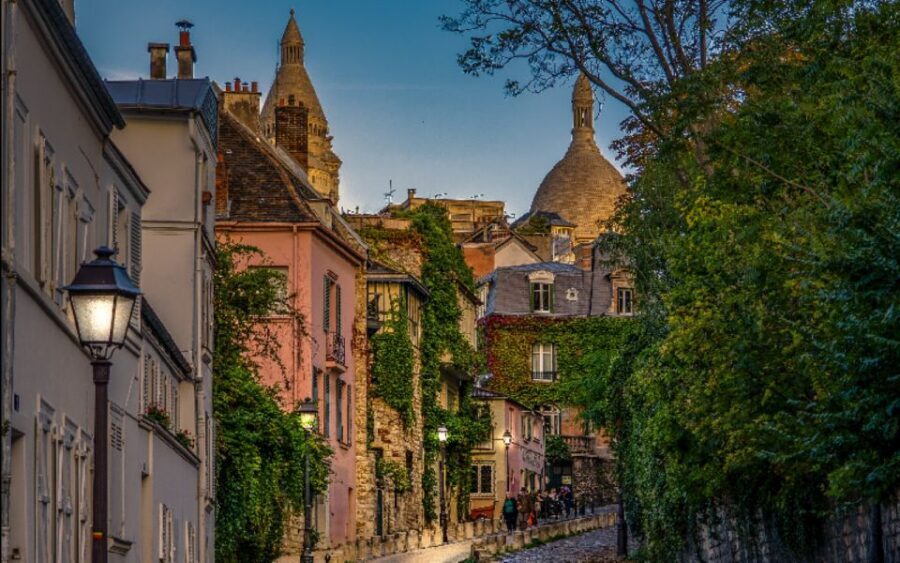
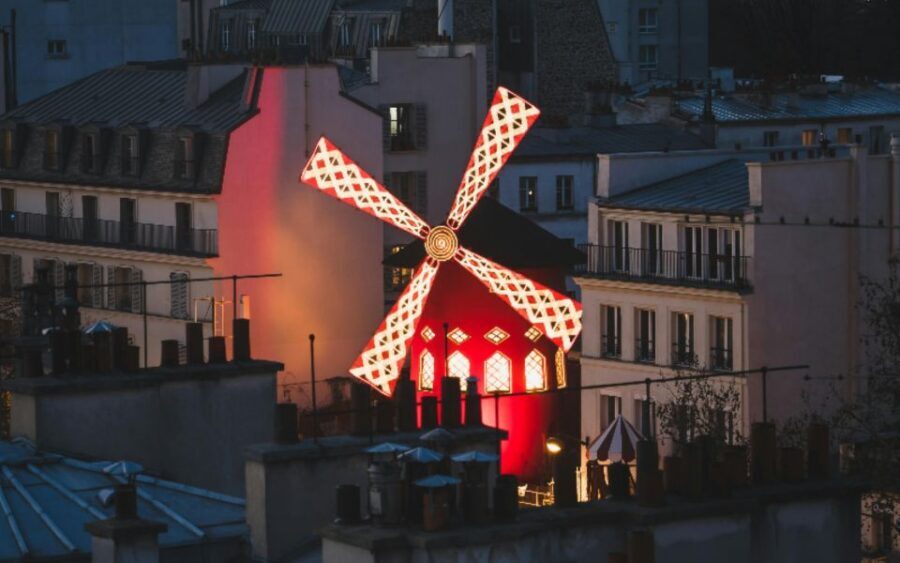
Then you shift into a classic Montmartre scene: Moulin de la Galette. This stop works well on a guided tour because the guide can translate why this windmill matters beyond being a picturesque landmark.
You’ll get the story of Moulin de la Galette as a reminder of Montmartre’s rustic past. That’s key. Without context, it can be tempting to treat it like background for photos. With context, it becomes part of the neighborhood’s evolution—from something more working-class and local to what visitors now associate with the area.
If you’re the type who likes to understand how Paris changes over time, you’ll probably appreciate how this stop ties history to the street you’re standing on.
A consideration: because Montmartre is popular, this area can get busy with photographers and tour groups. The tour schedule includes photo breaks and brief rest, so you’ll have a shot at capturing it, but don’t expect a deserted windmill moment.






Place du Tertre and the art-energy vibe you can feel
After the windmill stop, the route moves toward Place du Tertre, where Montmartre’s street art energy is very visible. This is the part of the tour where the neighborhood starts feeling like what most people imagine: performers, artists, and the sense that creativity still belongs here.
The guide’s job is to help you read what you’re seeing. You’ll get historical and cultural context for the sites as you go, rather than just hearing a list of names. That’s what keeps a “big square” stop from turning into dead time.
If you’re hoping to buy something art-related, you’ll find it here. If you’re not, you can still enjoy it for the atmosphere and for the fact that Montmartre’s identity isn’t only in old paintings—it’s also in what still happens in the open air.
Le Passe-Muraille and Maison Rose: small stops with big personality
Montmartre is famous for its iconic landmarks, but I love the stops that give it personality.
On this tour, one of those is Le Passe-Muraille in Place Marcel Aymé. It’s the kind of whimsical statue that makes you smile and slows you down just enough to look around. It also adds variety after the heavier history stops.
Another fun moment is Maison Rose, the pink house turned café. A pink façade might sound like a tiny detail, but it helps you remember the walk. It’s also a good cue for how colorful Montmartre can be when you’re actually on foot.
These stops also help break up the walking rhythm. Between stairs and inclines, you want moments where you can pause, look, and reset—plus get a few photos without feeling like every shot is rushed.
Ending at Sacré-Cœur: views, stairs, and the panoramic ticket choice
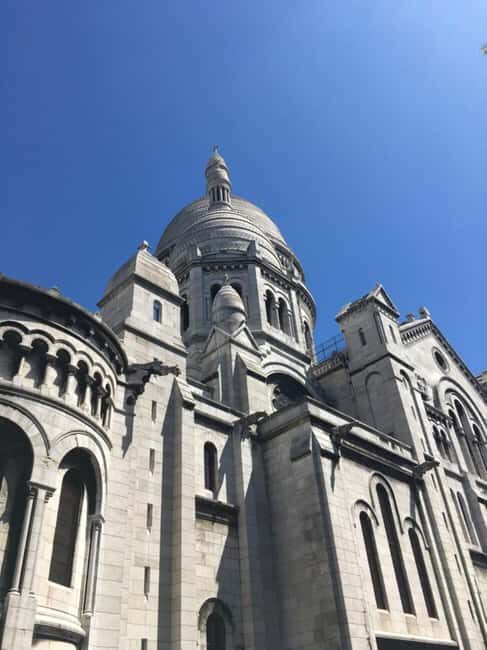
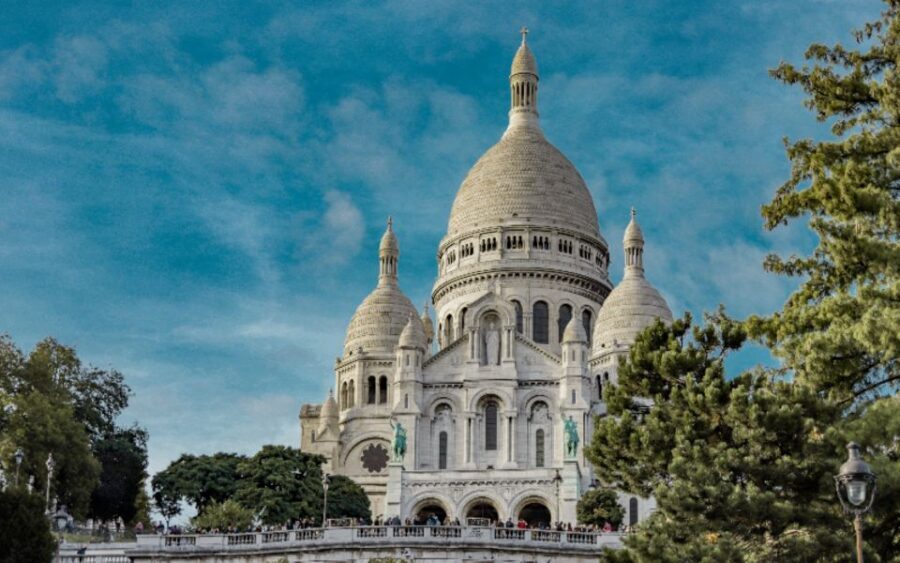
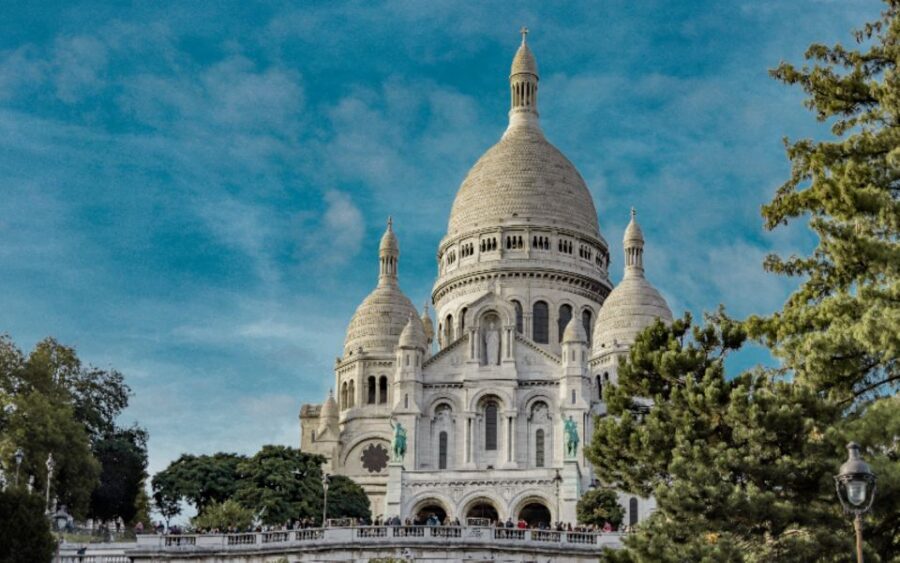
The tour concludes at Sacré-Cœur. That ending matters because it turns the whole walk into a payoff: you’ve been moving uphill through art and romance, and then you finish with the big viewpoint everyone wants.
If you select the option, the guide provides Sacré-Cœur panoramic view entry tickets. You’re not stuck guessing what’s included. The guide will deliver the ticket option if you bought it.
Here’s the practical decision you’ll face: panoramic views can mean more steps. One review noted about 300 steps for the panoramic visit. The same review also said the basilica entrance itself is free, with the panoramic option being the add-on. So if you’re short on energy, you can still enjoy the basilica without committing to the extra climb.
Either way, wear shoes with grip. The end of the day can feel like you’re halfway to a mountain trek in a short time.
How long is 90 minutes, really? Pacing that affects your enjoyment
Ninety minutes sounds short. On Montmartre, it can feel just right—if the group pace stays steady.
In the feedback I saw, guides like Khan were praised for matching the walking pace, including slower movement for visitors who needed it. That’s the kind of flexibility that can make a big difference, especially if you’re dealing with stairs and uneven footing.
On the flip side, some people experienced a tour that started late or ran long, which can happen when groups bunch up or when schedules shift. If you’re timing a dinner reservation right after, I’d give yourself a buffer.
My advice: treat this as a sightseeing walk, not a sprint. Bring water, take breaks when your guide offers them, and use the photo moments instead of trying to film the whole thing while walking.
Price and value: what $58 buys in Montmartre time
At $58 per person for a 90-minute guided walk, you’re paying for a few things that are hard to replicate alone:
- A guided route that hits the major sites in a logical flow, starting at Abbesses and finishing at Sacré-Cœur
- Cultural and historical context for each stop, so you understand what you’re looking at
- Photo pauses and short rest opportunities to keep the walk enjoyable
- Optional Sacré-Cœur panoramic entry tickets if you chose that add-on
Is it worth it? For first-timers, I think yes—because Montmartre is easy to wander without direction. A guide helps you spend your energy on the experience rather than figuring out the best line to follow.
If you already know Montmartre well and you’d rather self-guide with a map and a coffee, you might feel this is less necessary. But if you want the “what am I looking at and why does it matter” part, this format usually feels like a good deal.
Who this tour suits best (and who might want something else)
This tour is best if you want:
- A structured overview of Montmartre’s biggest stops within a short time
- Stories that connect the romance and street scenes to real cultural figures
- A guided finish at Sacré-Cœur, with the choice to add panoramic views
It might be less ideal if:
- You want a museum-style experience with lots of interior time
- You strongly dislike stairs and inclines, even with moderate walking and breaks
- You prefer super-specific deep specialization in just one theme (for example, only art history)
If you’re traveling with someone who wants photos, you’ll get them. If you’re traveling with someone who wants meaning, you’ll also get that.
Practical tips so the day feels easy
Bring:
- Comfortable shoes (real walking shoes)
- A camera or phone with enough storage
- Water
- Weather-appropriate clothing
On the day:
- Meet at Abbesses and look for the company white flag. Don’t wander around searching. Be at the exit.
- Start the tour fresh. The first part is easy to underestimate, and then the stairs start to stack up.
- If panoramic views are a strain for you, plan to prioritize basilica time over the extra climb.
Tiny mindset trick: treat Montmartre like it’s one long uphill street. If you pace yourself like you’re hiking, you’ll enjoy it more.
Should you book this Montmartre walking tour?
I’d book this tour if you’re a first-time visitor or if you want a clear, satisfying Montmartre overview in about an hour and a half. The combination of major landmarks plus specific cultural stops—like Dalida’s bust and the Bateau-Lavoir Picasso link—makes the route feel more than just a photo loop.
I’d hesitate only if you’re very sensitive to stairs, or if you’re trying to schedule the rest of your day with no buffer. And if you care about Sacré-Cœur panoramic views, decide in advance whether you want that extra step climb, since it can change the energy level of the finish.
FAQ
Where do I meet the guide?
Meet at Abbesses Station Metro Line 12 exit. Look for the company’s white flag right at the metro exit.
How long is the Montmartre walking tour?
The tour lasts 90 minutes.
Is the tour in English?
Yes, the live tour guide speaks English.
Does the Sacré-Cœur panoramic view require a ticket?
If you select the option, Sacré-Cœur panoramic view entry tickets are included, and your guide will deliver them to you.
What’s included in the price?
You get a guided walking tour of Montmartre’s key landmarks, expert insights at each stop, opportunities for photography and brief rest, and Sacré-Cœur panoramic entry tickets if that option is selected.
What is not included?
Transportation, meals, personal expenses, and entrance fees to private properties are not included.
What should I bring and wear?
Wear comfortable shoes. Bring a camera, water, and weather-appropriate clothing. The tour involves moderate walking with stairs and inclines.