REVIEW · PARIS
Discover the Champagne through its Terroirs in Paris !
Book on Viator →Operated by Dilettantes · Bookable on Viator
A good glass of Champagne is never just one thing.
This tasting focuses on terroir, not hype, as you sample hand-picked bottles in a 17th-century Paris cellar where smell and nuance matter. I like that it’s built for learning in a calm, small-group setting, not a rushed bar stop.
What I love next is the practical structure: you get clear guidance on aromas and what drives the taste, plus a handy fact sheet for each Champagne so you can remember what you noticed.
The one thing to consider is the strict environment for smell: you may be refused entry if your fragrance is strong, and it’s also not recommended for claustrophobia because you’ll go into a cave-like space.
In This Review
- Key takeaways before you go
- Champagne through Terroir in Paris: what makes it different
- Inside the 17th-century cellar: the setting that makes tasting work
- Your tasting lineup: four varietals, three small glasses, terroir focus
- How the guide teaches aromas: smell first, then sip
- Snacks and bread pairing: small support, real impact
- The Paris walking route: five classic stops with a tasting finale
- Buying Champagne after tasting: what you should consider
- Value in plain terms: what $79.29 buys you in Paris
- Who should book (and who should skip)
- Practical tips so you get the best tasting
- Should you book Champagne through Terroirs in Paris?
- FAQ
- Where does the experience start?
- How long is the experience?
- Is it offered in English?
- What’s included in the price?
- How many people are in each group?
- What is the minimum age?
- Is it suitable for people with claustrophobia?
- What food is included?
- What should I do about perfume, lipstick, or strong drinks before the tasting?
- Can I buy Champagne during or after the session?
Key takeaways before you go
- Terroir-first lesson: you learn how grape, blend, and growing conditions shape the glass
- Small group: up to 8 people, so questions don’t vanish into the crowd
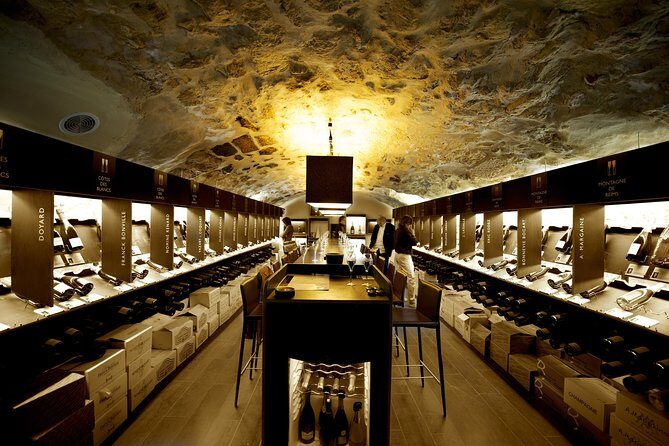
- Cellar setting: you start in a retail area then go downstairs into a cave-like cellar
- Tasting supports memory: you receive fact cards with grower, aroma, and taste notes
- Smell etiquette matters: no perfume, lipstick, gum, or strong-flavored drinks right before
- You can buy to go: the session is set up for taking bottles home or arranging delivery
Champagne through Terroir in Paris: what makes it different
If you’ve ever wondered why two Champagnes can feel like they come from different planets, this is the kind of tour that answers it with your senses. The whole point is to connect what you taste to what happens in the vineyard and cellar. You’re not just drinking. You’re learning a system.
This experience is run by Dilettantes, and it’s designed around a short, high-focus session. Over roughly 1 hour (within a total 1 hour 15 minutes), you’ll sample multiple hand-picked Champagnes with an emphasis on terroir—the idea that soil, climate, and location leave fingerprints on the wine. That’s the thread you’ll keep seeing, even when your glass changes.
I also like that it’s in central Paris. It doesn’t feel like you’re being shipped out to the suburbs for a generic tasting room. You stay in the heart of the city and then add a cellar moment that feels like a different world.
You can also read our reviews of more wine tours in Paris

Inside the 17th-century cellar: the setting that makes tasting work
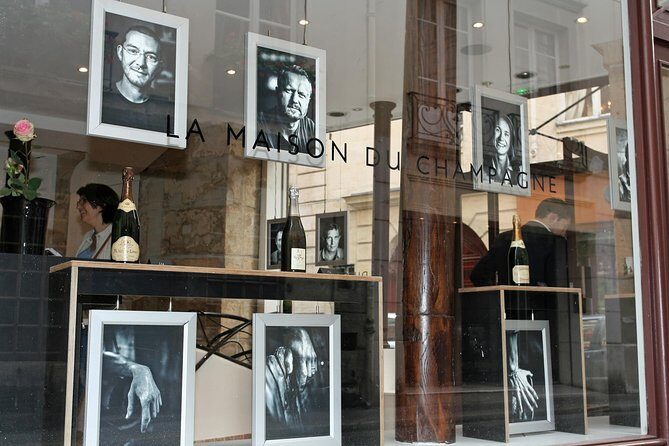
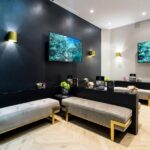
The experience starts in a small retail area near the meeting point, then you head downstairs into a cave-like cellar. That setting isn’t just for atmosphere—it supports the tasting rhythm. Lower light and a sheltered space help people focus on aroma and palate, and you’re not battling street noise or perfume clouds from everyone wandering in.
Small details matter here. The team asks you to arrive 10 minutes early, which is smart. It gives everyone time to settle in, get instructions, and avoid rushing while you’re supposed to pay attention to smell.
And yes, they’re serious about scents. You’ll be asked not to wear perfume or aftershave, and you’re also advised not to wear lipstick, chew gum, or have coffee or other strongly flavored drinks right before the session. The reason is simple: scent and taste are linked, and strong odors can interfere with what you’re trying to detect in the glass.
If you’re the type who likes fragrance anyway, you’ll have to plan around this one. Think practical: clean and neutral is the move.
Your tasting lineup: four varietals, three small glasses, terroir focus
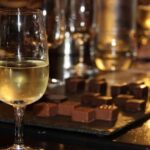
Here’s what you can count on. In the tasting portion, you’ll sample four different varietals of Champagne, chosen for quality and authenticity. The format then serves three small glasses (80 ml each) drawn from three out of four terroirs.
That sounds a little technical, but it’s actually good for your brain. It keeps things structured. You won’t be doing endless sips of five different labels. Instead, you get a guided comparison where each glass is tied to a specific terroir idea—and you can build an internal map as you go.
You’ll also hear how the team frames the selection. They present grower Champagne, and they talk about the aromas you should look for, not just what the wine “tastes like” in vague terms. The goal is to understand the logic behind the differences, such as:
- how the grapes express their place
- how terroir influences acidity, texture, and flavor direction
- how the blend shifts balance and style
If you enjoy learning why something tastes the way it does, this is the part you’ll remember.
How the guide teaches aromas: smell first, then sip
Champagne tasting isn’t only about sweetness and bubbles. The biggest details often show up in aroma—sometimes before your first swallow.
The experience is built for that. You get guidance on the aromas to look for, and you receive a fact card with information to help you decode what you’re experiencing. Based on past guests’ feedback, these cards don’t just list generic descriptors. They include points like grower info and notes about smell and taste, which makes it easier to link your memory to the bottle later.
I also like the pace. It’s not a lecture hall. You’re given time to smell, then time to taste, and then time to connect the dots. That rhythm is what turns “I liked it” into “I know why I liked it.”
One more practical note: they recommend not brushing your teeth right before the event because it can leave you feeling acidity and can make you uncomfortable during tasting. It’s a weird tip, but it’s rooted in the same idea: don’t alter your mouth right before you’re supposed to notice subtle flavor changes.
Snacks and bread pairing: small support, real impact
You’ll have something to nibble during the session, and that matters more than you might think. You can expect bread on demand, and there’s also mention of pairing with sweet or savory biscuits.
Why do this at all? Because Champagne changes as your palate resets. A bit of bread (and a biscuit option) helps keep your taste perception from getting stuck on only one sensation, especially if you’re sensitive to acidity or sweetness.
Also, if you’re the kind of person who tends to get distracted by hunger, having food sorted makes the tasting easier to enjoy fully. It keeps you focused on what you’re learning instead of on how long until you can eat.

The Paris walking route: five classic stops with a tasting finale
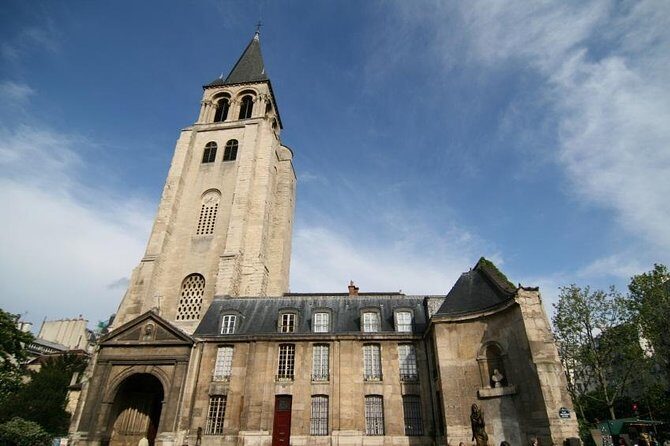
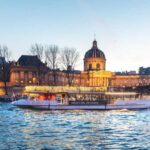
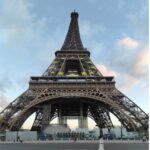
This experience includes a walking element through central areas, with stops along the way. You’ll start in the Saint-Germain-des-Prés area, then move near places like Samaritaine Paris Pont-Neuf and onward toward Odeon / Saint-Michel. After that, you’ll pass by Quais de la Seine and end up toward Les Halles.
Since the tasting is the main event, think of these stops as the lead-in: you’re getting a sense of place while keeping the timing tight. The route is also one reason this feels more like an on-your-feet Paris experience than a “stand in one location and sip” activity.
A small point I appreciate: the schedule is short. You’re not spending half the day walking to reach a wine cellar. You’re adding a compact city stroll to set the stage, then going into the cellar when it counts.
Potential drawback: because it’s a walk through central streets, you’ll want to dress comfortably and avoid anything that traps odors around you (perfume and strong deodorants can be a problem here, based on the rules they give).
Buying Champagne after tasting: what you should consider
At the end, you can purchase Champagne to go or for delivery. This is where the terroir learning pays off. Without a guide, it’s easy to buy based on label design or price. With a terroir focus, you’re more likely to buy something that matches what you actually liked—such as style direction (more crisp and winey vs. rounder and softer), not just general “it was good.”
Since the session emphasizes grower Champagne and you’ll have facts cards with aromas and taste notes, you’re better equipped to remember which glass corresponded to which style idea. That makes buying feel like a decision rather than a guess.
Practical advice: take a moment right after the tasting to note which bottle you preferred and why. Then when you’re at the shop area, you can make a more confident pick.
Value in plain terms: what $79.29 buys you in Paris
For $79.29 per person, you’re paying for a focused tasting plus instruction in a small group setting. You’re getting three small glasses of Champagne (80 ml each) plus a structured experience that includes explanation of terroir, grapes, and blend, along with food pairing and fact cards.
Is it “cheap”? No. But you’re not just buying alcohol; you’re buying the framework to understand the differences between bottles. That makes the value better if you want to improve your tasting skills rather than just sample a drink.
Also, the cellar setting and the up-front attention to aroma technique mean the session is built to work. If you’ve done tastings where you swirl, sip, and leave with only vague impressions, this format is designed to be more useful.
Finally, the option to purchase to go or arrange delivery can turn the cost into something that extends beyond the hour. If you plan to bring a bottle home anyway, this can make that purchase smarter.
Who should book (and who should skip)
This is a great fit if you:
- want a terroir-based way to understand Champagne
- like guided sensory learning (smell notes, grower and aroma info)
- prefer a small group format with time for questions
- are staying in central Paris and want a compact experience
It’s less ideal if:
- you have claustrophobia, since it’s described as a cave-like cellar
- you can’t follow the smell rules (strong perfume, lipstick, gum, and other strong flavors can interfere and may affect entry)
- you’re hoping for a giant party atmosphere
Group size is limited to a maximum of 8 travelers, so it won’t feel crowded. That’s good if you want a calmer, more conversational tasting.
Practical tips so you get the best tasting
Here’s how I’d set yourself up for a smoother, better session:
- Keep your scent neutral. Avoid perfume and aftershave before you go.
- Don’t chew gum and skip coffee or strongly flavored drinks right before tasting.
- Be on time and give yourself that 10-minute buffer.
- Dress for comfort because you’ll be walking through central Paris areas before you settle in.
- If you’re sensitive to tight spaces, take the cellar warning seriously.
This is one of those tours where following the rules isn’t “extra.” It directly improves the experience you’ll get.
Should you book Champagne through Terroirs in Paris?
I’d book it if you want more than a quick sip and you like learning with your senses. The terroir-first approach, small group size, fact cards, and the cellar setting make it feel like a real education—not just a drink ticket.
Skip it if tight spaces make you uneasy or if you’re unwilling to go scent-neutral for an hour. Also, consider that it’s non-refundable and can’t be changed for any reason, so plan carefully.
If you’re on the fence, use this rule: if you care about understanding why wine tastes the way it does, this experience gives you a clear path from grape and place to the glass in front of you.
FAQ
Where does the experience start?
It starts at 22 Rue de Savoie, 75006 Paris, France.
How long is the experience?
It lasts about 1 hour 15 minutes total.
Is it offered in English?
Yes, it is offered in English.
What’s included in the price?
You get 3 small glasses of Champagne, 80 ml each, plus the tasting experience.
How many people are in each group?
The tour has a maximum of 8 travelers.
What is the minimum age?
The minimum age is 18 years.
Is it suitable for people with claustrophobia?
It is déconseillé aux personnes souffrant de claustrophobie.
What food is included?
Bread on demand is listed, and there is also a pairing with sweet or savory biscuits.
What should I do about perfume, lipstick, or strong drinks before the tasting?
You’re strongly advised not to wear lipstick, not to use perfume or aftershave, and not to have coffee or other strong flavored drinks right before the session. The provider reserves the right to refuse entry if your fragrance is too strong.
Can I buy Champagne during or after the session?
Yes, you can purchase Champagne to go or for delivery.