REVIEW · PARIS
Further training workshop
Book on Viator →Operated by Aperture Tours · Bookable on Viator
Paris turns into a photo classroom fast.
This private 3-hour photography workshop takes you to major sights and teaches you how to control your shots with plain, practical camera skills. I like that it’s designed for real results without specialist gear, and I also like the small group size (up to four) that keeps the coaching focused. One thing to consider: you’ll need to bring your own camera, since it’s not included.
You’ll get a clear plan and then freedom to experiment. On the day, a professional photographer professor guides you through technique like exposure, lighting, and composition, then you put it into action as you walk. A possible drawback is timing: with about 30 minutes per stop, you’ll want to move quickly between setup and shooting so you don’t feel rushed.
In This Review
- Key things that make this photo walk work
- A private camera workshop that teaches you to see
- Notre-Dame de Paris: postcard shots with control, not luck
- Louvre photo time: composition inside a maze of angles
- Tuileries Garden: use light, then use shade
- Eiffel Tower time: make the iconic shot feel like yours
- Pont Neuf: a practical finale for framing and focus
- Why the up-to-four setup makes a difference
- What’s included (and why that affects your real cost)
- What to bring so you’re ready to shoot
- Who this workshop is best for
- Should you book this Paris further training photo workshop?
- FAQ
- How long is the photography walking tour in Paris?
- How much does it cost per person?
- How many people are in each private group?
- Is a camera included?
- Are admission tickets included for the photo stops?
- What time does the tour start?
- What’s included in the price?
Key things that make this photo walk work
- Up to four people means your guide can tailor cues to how you shoot
- A professional photographer professor leads the lesson, not a generic sightseeing guide
- Most sites include free admission tickets, so you’re not juggling entry logistics mid-class
- You practice at real photo locations (Notre-Dame, the Louvre, Tuileries, Eiffel Tower, Pont Neuf)
- Multiple departure times help you fit it into your Paris schedule
- Mobile ticket means less paper hassle on the day
A private camera workshop that teaches you to see
This experience is built around one idea: you don’t need to be an expert to make better photos. The teaching is hands-on and centered on how to use your camera to its best potential, with guidance that matches what you’re shooting in front of you.
You’ll also get a structured way to think while you’re walking: where to stand, what angle to try, how to adjust for lighting, and how composition choices change the mood of an image. It’s not just pointing at landmarks and hoping for the best. It’s more like turning Paris into a set of practice problems.
And yes, it’s “private,” which here means only your group participates. That matters because it keeps the pace comfortable and lets you ask questions without waiting your turn.
You can also read our reviews of more tours and experiences in Paris.



Notre-Dame de Paris: postcard shots with control, not luck
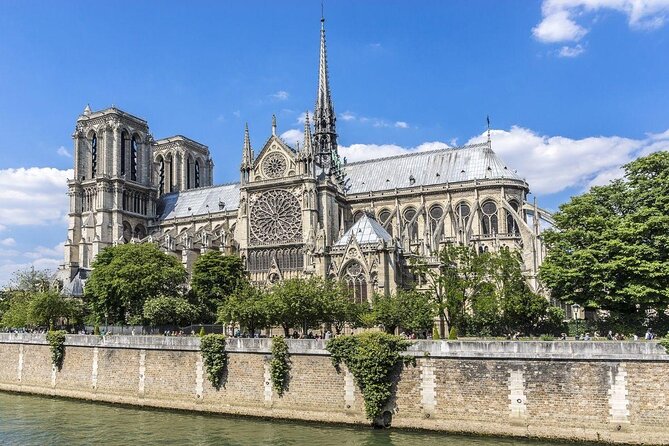
The first stop is Cathedrale Notre-Dame de Paris, where you spend about 30 minutes photographing the area. There’s something useful here beyond the obvious view: this is a place where lines, symmetry, and lighting can make or break a photo.
A pro photographer who focuses on Notre-Dame de Paris leads this segment, so you’re not guessing how to frame it. You’ll get technique tips geared toward what you can actually control—like where to place yourself for cleaner composition and how to adjust exposure as the light shifts across stone and shadow.
What I love about starting here is that it sets your mental “rules” early. After you learn a couple of tactics, the rest of the day feels less random.
Tip for your camera: if you tend to shoot on auto, this is a good moment to test one small change at a time—like dialing exposure or changing angle—so you can see cause and effect.
Louvre photo time: composition inside a maze of angles
Next comes the Louvre Museum area, again with about 30 minutes for photography. The Louvre can be tricky because it’s full of details, and it’s easy to end up with shots that look busy or flat.
This stop is where learning composition pays off. You’ll work on framing so the photo reads clearly, and you’ll practice how different lighting and angles make the same structure feel totally different. Instead of trying to capture everything, you’ll learn to pick a subject and build the shot around it.
This is also a smart moment for anyone who likes architectural photography. You’ll be moving from “wow, it’s big” into “how do I make it look good on camera.”
What to watch: in a place this visually dense, your best photos often come from choosing fewer elements and letting the lines lead the eye. Even if you capture a wide shot, try one or two tighter frames.
Tuileries Garden: use light, then use shade
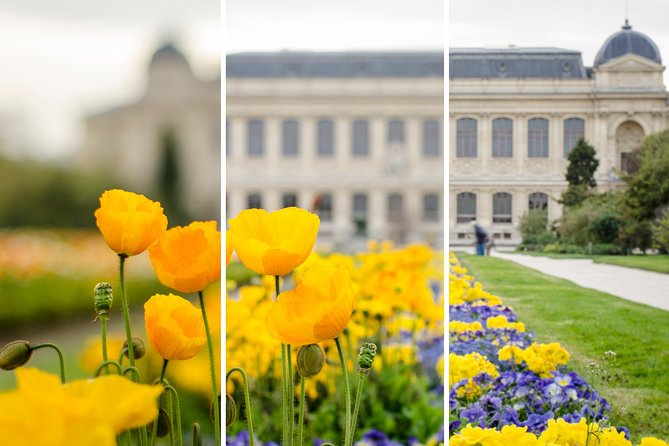
You’ll then spend time photographing the Tuileries Garden. This is a different kind of challenge from major monuments: gardens and open spaces can look great, but only if the light is doing something interesting.
That’s why this stop matters for learning. You’ll experiment with different angle and light tactics, which helps you build a personal “style.” In other words, you’re not only chasing landmark views—you’re practicing how to interpret light.
Tuileries is also useful for learning how to shoot when the scene isn’t one simple subject. You’ll likely find yourself making decisions about foreground/background and how to keep the image from feeling empty or overexposed.
Eiffel Tower time: make the iconic shot feel like yours
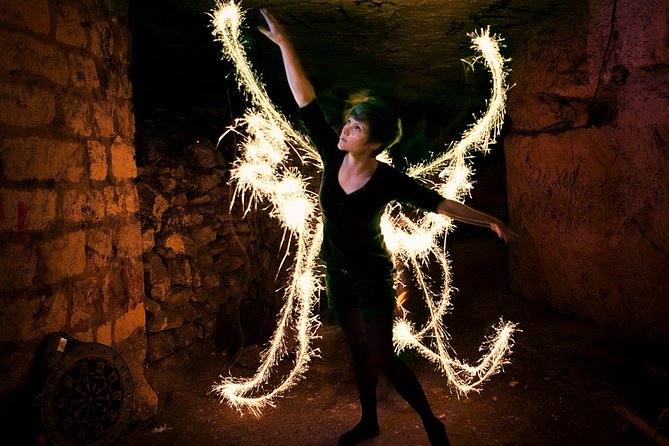
Later, you photograph the Eiffel Tower during another 30-minute stop. This is where many people get stuck: you’ve seen the postcard version, so your instinct is to recreate it.
Here’s the value of the workshop approach. You’ll be encouraged to try different tactics instead of copying one famous angle. By the time you reach this stop, you’ve already practiced exposure, lighting, and composition, so you can apply what you learned and keep refining your results.
If you’ve never experimented beyond pointing and shooting, this is the day to do it. Try an angle that compresses perspective, then try a higher or lower viewpoint for a totally different feeling. The point isn’t perfection. It’s learning how your choices control the final image.



Pont Neuf: a practical finale for framing and focus
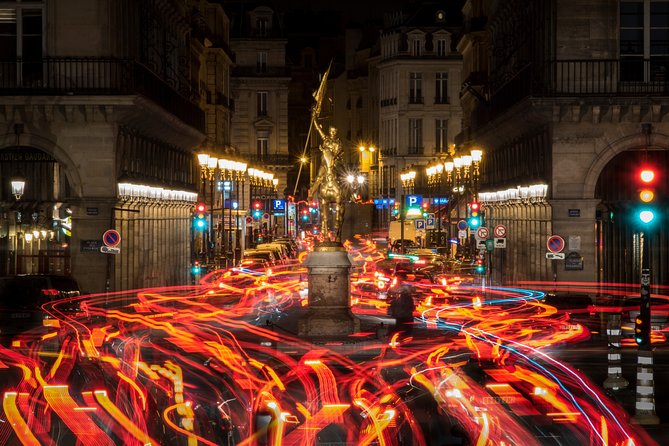
The last listed photo stop is Pont Neuf, where you also get about 30 minutes. Bridges are great practice because they offer leading lines and repeating shapes—both of which are powerful for composition.
This is a nice close to the workshop because it feels more “street-level Paris” than big monument energy. You can test quick adjustments: horizon placement, angle changes, and exposure corrections. And since you’re already in photo mode, you’ll know what to look for when the light turns.
If you like photos that feel natural and lived-in, Pont Neuf is a good way to finish. It’s the kind of scene where a small framing shift can make your image look intentional, not accidental.
Why the up-to-four setup makes a difference
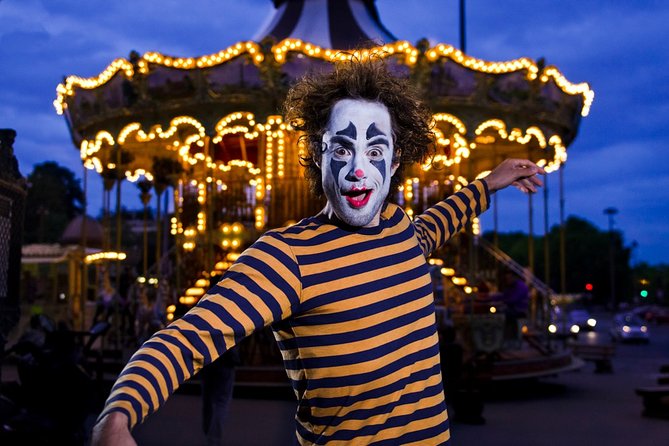
This is a private workshop with a maximum of four people, and that’s not just a comfort detail. It changes how learning happens.
With fewer people, your guide can tailor cues to what you’re actually shooting. You’ll get more time for questions and faster feedback on what to adjust. That matters most when you’re trying to learn exposure or composition, because small changes can be hard to interpret unless you get immediate guidance.
A standout detail from the experience feedback: the professional leader Alexander is described as patient and informative. That combination is a big deal in photography instruction. You want someone who can explain without rushing you, and who can adapt when your camera setup or style doesn’t match the example they’re describing.
What’s included (and why that affects your real cost)
You’re paying $190.10 per person for a private 3-hour workshop in central Paris. The included items are the real value drivers here:
- Local guide
- Private workshop
- Professional photographer professor
And importantly, the stops are structured with free admission tickets listed for each major segment. That means your money goes mostly toward instruction and the guided experience, not just entry fees.
In practice, the value looks strongest if you’re the kind of traveler who wants photos that look better without spending hours figuring things out alone. If you’re only looking for sightseeing, you might feel it’s pricey. But if you want a teaching-led photo walk where the time is spent practicing, $190.10 can feel very fair—especially with the small group size and professional coaching.
One more practical note: the tour includes group discounts and offers a mobile ticket, both of which help if you’re traveling with friends or want less hassle on the day.
What to bring so you’re ready to shoot
The experience notes say that specialist equipment and prior expertise aren’t required—just your camera. Since camera gear isn’t included, plan to show up with what you already own.
If you want to get the most out of the “technique” coaching, arrive with your camera set up and familiar. The goal is to use the session to refine your choices, not to fight settings you don’t understand.
Also, because this is a walking tour across major central Paris areas, comfort matters. Wear shoes you can stand in, and bring a way to keep yourself hydrated, especially if you’re shooting in bright sun.
Who this workshop is best for
This is a great fit for:
- Anyone who wants more than Instagram-level framing and wants practical guidance
- Travelers who enjoy photography but feel stuck in auto mode or unsure about composition
- Small groups of friends who want a shared experience that still feels personal
- People who want a structured photo session across multiple iconic Paris locations in just a few hours
If you already shoot professionally and are chasing very advanced technical training, you might find it more beginner-to-intermediate focused. But for most visitors, it’s the sweet spot: useful instruction plus real-world shooting practice.
Should you book this Paris further training photo workshop?
If you want better photos and you’d rather learn by doing than by reading, I’d book it. The combination of a professional photographer professor, free admission included at the major stops, and the small group size makes this feel like an efficient use of limited time in Paris.
I’d also book it if you’re traveling with one or two friends and want personalized help without the big-group pressure. The Alexander-led, patient teaching style is exactly what you want when you’re trying new camera skills.
Where you might hesitate: if you’re not bringing a camera you know well, or if you dislike moving quickly between photo spots. With about 30 minutes per major stop, you’ll get best results if you’re ready to shoot, adjust, and shoot again.
FAQ
How long is the photography walking tour in Paris?
It runs for about 3 hours.
How much does it cost per person?
The price is $190.10 per person.
How many people are in each private group?
The group is limited to a maximum of four people.
Is a camera included?
No. You’ll need to bring your own camera.
Are admission tickets included for the photo stops?
Yes. Free admission tickets are listed for the Notre-Dame, Louvre, and the other included stops.
What time does the tour start?
The start time is listed as 1:00 pm, and there are multiple departure times available.
What’s included in the price?
You’ll get a local guide, a private workshop, and a professional photographer professor. Mobile ticket delivery is also included.