REVIEW · PARIS
Giverny and Monet’s House Half Day Trip from Paris Guide or Audio
Book on Viator →Operated by Paris CityVision · Bookable on Viator
Monet’s gardens feel like another planet. It’s a half-day run from central Paris that gets you to Giverny fast, then gives you guided time in the places that shaped Impressionism. You’ll see the water lily pond in real life, cross the Japanese bridge, and get priority entry into Monet’s restored home and studio.
I especially love how the trip handles the hardest part of this outing: getting there and getting through. Round-trip coach transit plus admission tickets means you spend your energy on the gardens, not on ticket lines and transit guesswork. I also like that you can choose an audio guide (self-paced) or an art historian-style guide (more context and storytelling).
One drawback to plan for: crowds. Even with priority entry, the grounds can feel packed at peak hours, and the half-day timing can make everything feel a bit “move along, please.”
In This Review
- Key highlights to know before you go
- Giverny Comes to Paris: What Makes This Half-Day Work
- Price and Logistics: Is $102.57 Actually Good Value?
- From Paris to Giverny by Luxury Coach: Easy Start, Few Decisions
- Fondation Claude Monet Gardens: Front Orchards, Water Lilies, and the Bridge
- Clos Normand: Weeping Willows, Bamboo, and a Second Photo Window
- Monet’s House: Priority Entry and the Rooms That Explain the Paintings
- Studio Time and the Souvenir Shop: What You’ll See Before You Leave
- Audio vs. Art Historian: Choose the Right Brain for Your Day
- Audio guide option
- Guided option with an art historian-style guide
- Crowds: The Real Giverny Test (And How to Pass It)
- What a Half-Day Actually Feels Like: Timing, Walking, and Rushing Risk
- Practical Tips That Improve Your Day Immediately
- Who This Tour Suits Best
- Should You Book This Giverny and Monet’s House Trip?
- FAQ
- How long is the Giverny and Monet’s House half-day trip?
- Where do I meet the tour in Paris?
- Does the tour include admission to Monet’s gardens and house?
- Is there an audio guide option, or do I need a human guide?
- Are headphones included for the audio option?
- How does the audio guide work?
- Do I get free time at Monet’s house?
- How crowded does Giverny get?
- How many people are in the group?
- Is the tour round-trip by coach from central Paris?
Key highlights to know before you go

- Priority admission helps you skip the worst waiting and use your time where it matters most
- Water lily pond + Japanese bridge are real, not just postcard clichés
- Audio app in 10 languages lets you stroll at your own pace (bring headphones)
- House and studio time gives you rooms plus Monet’s Japanese engravings collection
- Small groups (max 30) make the experience easier to manage on-site
Giverny Comes to Paris: What Makes This Half-Day Work
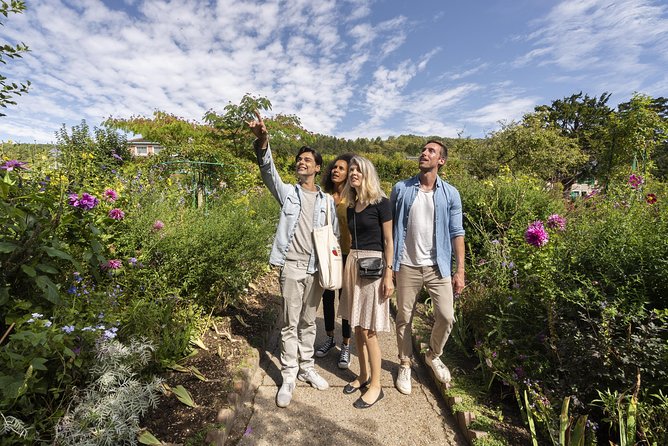
This tour is built for people who want Monet without turning their whole day into a logistical puzzle. In roughly a little over five hours, you’re out of Paris, in Giverny, and back again—ideal when your Paris days are already packed with museums, neighborhoods, and good food plans.
What I like most is the mix of structure and freedom. You get guided time outdoors (front gardens and orchards, then a second garden area), then you head inside and explore at your own speed with free time. If you want context, you can go with a guide; if you want control of your pace, you can pick the audio option.
The other thing to understand up front: you’re visiting one of the most famous garden sites in France. That doesn’t mean you’ll have a bad time. It does mean you should time your expectations—crowds come and go, and a half-day means you’ll feel the clock.
You can also read our reviews of more tours and experiences in Paris.



Price and Logistics: Is $102.57 Actually Good Value?
At $102.57 per person, this isn’t a “cheap and cheerful” day trip. You’re paying for three big items bundled together: round-trip coach, admission to the gardens and house, and guided or audio interpretation.
Here’s the value math that usually makes this worth it for me: if you try to DIY the trip from Paris, you’ll spend time figuring out timing, tickets, and transport. The coach removes that friction. Priority admission trims waiting time. And the guide/audio helps you understand what you’re seeing instead of just walking through a pretty place.
That said, price also depends on what you want most. If you’re mainly after quiet garden wandering with minimal pressure, peak season crowds can spoil the vibe. One review mentioned a day that felt rushed and crowded enough to limit seeing and enjoying. In those situations, the ticket isn’t “bad,” but your experience could be.
My advice: treat this tour as a smart time-saver, not as a way to avoid all crowds. For the best experience, pick a timing slot that’s less hectic for your preferences (more on that below).
From Paris to Giverny by Luxury Coach: Easy Start, Few Decisions
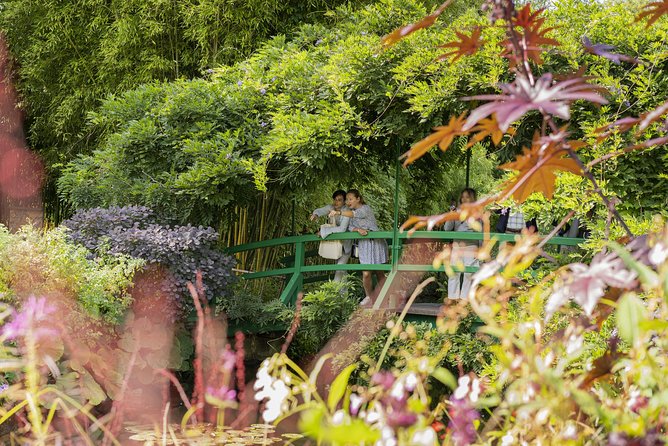
Your day begins with a pickup at 45 Av. de la Bourdonnais, 75007 Paris (near public transportation), and the tour ends back at that same meeting point. No hotel pickup is listed, so you’ll want to plan your route to the meeting area the way you would for any scheduled tour.
The ride itself is part of the package. You sit on a comfortable coach and let the driver handle the highway while you get ready for a full dose of Monet. Reviews mention the ride is comfortable, and that part matters—after you’ve been on your feet in Paris all morning, you’ll appreciate not having to navigate trains and transfers.
You’ll also have a built-in timeline: about 1 hour 30 minutes in transit before you reach Giverny. That timing helps if you’re trying to fit the trip neatly into a Paris itinerary without losing an entire day.
Fondation Claude Monet Gardens: Front Orchards, Water Lilies, and the Bridge
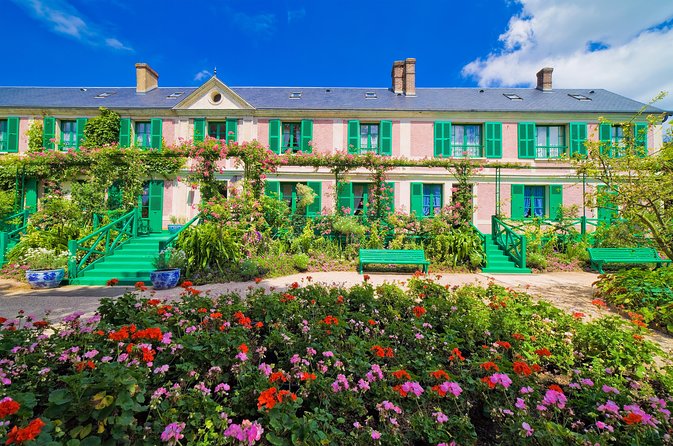
Once you arrive, the tour focuses on the most famous elements first: the front gardens and orchards. You’ll walk this area with your chosen interpretation—either an audio app or a licensed guide—plus you get time to see seasonal plantings (the flowers can vary depending on time of year).
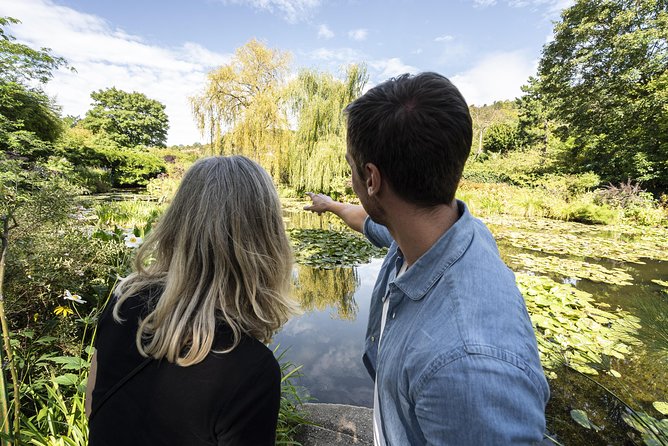
Expect the tour route to naturally steer you toward the “why Monet kept painting this place” moments. You’ll see the legendary water lily pond and cross the Japanese bridge—the two scenes most people come for, and for once, the reality matches the reputation.
A key detail: the first garden segment is timed at about 45 minutes and includes admission. That’s enough to take your photos, pause where the guide/audio points you, and still have some breathing room. If the group stays orderly (and a good guide helps), it feels less like a cattle shuffle and more like a guided stroll.
Also, the garden changes with weather. In one set of notes, a quick rain shower cleared and sunlight returned, making the flowers and water lilies look even more dramatic for photos. You can’t control the forecast, but you can control your mindset: pack for changing conditions and don’t assume “rain” means “bad pictures.”
Clos Normand: Weeping Willows, Bamboo, and a Second Photo Window
After the pond-and-bridge portion, you’ll head to a second garden stop: The Clos Normand. This area is designed for a different mood—more shaded calm, with features like weeping willows and bamboo.
This segment is shorter (about 25 minutes), but it’s the perfect “second act.” Think of it as your chance to slow down and look at details beyond the headline scenes. You’ll likely get photo time here too—plus the chance to notice the planting patterns and how Monet built layers of greenery.
Because this is short, timing matters. If you’re the type who likes to take 50 photos of one spot (no judgment), you’ll want to prioritize: one or two “must capture” angles and then spend the rest looking with your eyes instead of only the camera screen.



Monet’s House: Priority Entry and the Rooms That Explain the Paintings
Here’s where the day feels worth the ticket price. You’ll use priority admission to enter Monet’s home and studio without wasting your time in long queues. Inside, you’ll discover spaces that show what the garden meant to his working life.
The house is described as painstakingly restored after it was donated by Monet’s son to the French Academy of Fine Arts. So you’re not just seeing a staged replica—you’re seeing a carefully preserved look at Monet’s life and work environment.
Once inside, you can explore rooms at your own pace with free time, including spaces like the kitchen and bedrooms. The tour materials also highlight Monet’s private collection, including Japanese garden prints, and a major collection of Japanese engravings considered especially important.
If you’re an art fan, this is a big “aha.” The gardens aren’t isolated beauty projects—they connect to the way Monet studied Japanese design and translated it into his own landscape-like vision. Even if you’re not an art-history deep diver, the house adds context you don’t get from photos alone.
A quick practical note: inside time can feel crowded too, just in a different way. Focus on a few must-sees (the rooms that connect to the prints, the studio area) rather than trying to check everything off like a checklist robot.
Studio Time and the Souvenir Shop: What You’ll See Before You Leave
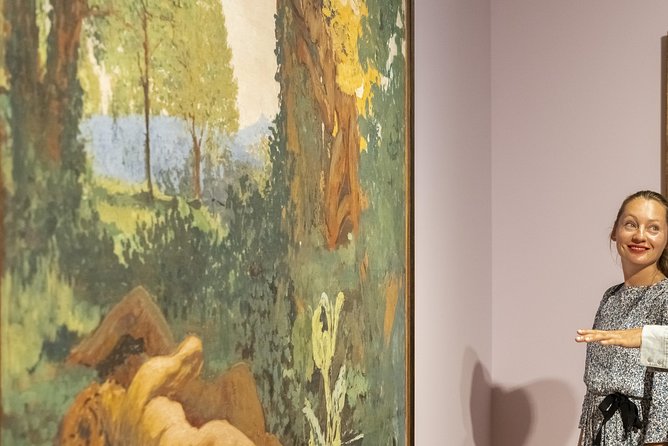
After the garden highlights and house interiors, you’ll also have time in the studio area. The studio visit is part of what makes this more than a garden-only outing. You get a view into where the work happened, and it helps connect the living garden world to the paintings that made Monet famous.
Then there’s the souvenir shop. It’s a genuine feature of the experience (not an accidental tourist stop). The shop sells reproductions of Monet’s paintings, pottery, table sets in Monet’s favorite blue and yellow colors, and even flower seeds.
I don’t mind a good souvenir shop when it’s timed well and you’re not forced to rush. Here, it works like a decompression step before you return to Paris.
Audio vs. Art Historian: Choose the Right Brain for Your Day

This tour offers two interpretation styles:
Audio guide option
You use a downloadable audio app on your phone, available in 10 languages: Chinese, English, French, German, Italian, Japanese, Korean, Portuguese, and Russian, and Spanish. The tour notes say headphones aren’t included, so bring your own. Also, keep your phone charged. This matters because one review mentioned the audio app stopping mid-way, and even if that’s not the norm, you don’t want your day dependent on battery life.
Audio is ideal when you like to wander without feeling herded. One review praised audio for letting them meander through the gardens at their own leisure.
Guided option with an art historian-style guide
If you choose the guide version, you’ll get a licensed guide with commentary during the garden walk and house time. Reviews repeatedly mention that certain guides—like Philip, Alex, Philippe, Krystle, Clemence, and Agnes—help keep people engaged, explain details, and manage crowds.
If you’re the kind of traveler who loves “why this plant, why this bridge, why this angle,” a guide can turn the gardens into a story. But if you prefer silence and self-paced roaming, audio might feel more comfortable.
If you’re torn: for many people, audio is the calmer option, while a guide is the better choice when you want context fast and clearly.
Crowds: The Real Giverny Test (And How to Pass It)
Crowds are the big variable. The tour itself warns that Giverny can be significantly busy, especially during high season and in the morning hours, even with priority entry. Reviews back this up: several notes say it can be hard to see and feel rushed during peak times.
So how do you reduce the crowd impact?
- Go later in the day if you want a calmer feel. The tour recommends this approach when possible.
- Consider a morning slot if you want better natural light and smaller crowds. One note specifically says morning light helps and crowds can be lower.
- If you’re sensitive to crowds, plan to use the guide/audio route efficiently and avoid stopping in the middle of narrow paths.
Also, be mentally ready for a “flow” experience. The site is popular, and groups move in waves. If you fight the flow, you’ll feel stressed. If you accept it and move strategically, the place still wins.
What a Half-Day Actually Feels Like: Timing, Walking, and Rushing Risk
This is a half-day trip, so yes, everything moves. Reviews mention fair walking and flat surfaces, and that you’ll need to keep track of where you should be at the end. If you drift off for one extra photo, you risk missing the group rhythm.
A few notes mention time felt short or rushed—especially on crowded days or if interpretation was less engaging. That’s the gamble: on a quiet day with an organized guide, you’ll feel you got your money’s worth. On a crowded hot day, you might feel like you spent more time moving than looking.
My practical tip: decide what you want most before you arrive. For me, that’s usually the pond/bridge first, then house interiors, then a quick sweep of everything else. If you try to treat this like a full-day museum tour, the half-day will feel cramped.
Practical Tips That Improve Your Day Immediately
A few small moves help a lot:
- Bring headphones if you pick audio (the tour says they aren’t included).
- Charge your phone fully before you go, since audio is via a downloadable app.
- Wear comfortable shoes. Even with flat ground, it’s still walking plus stops plus photo time.
- If you’re traveling in peak season, expect lines to exist somewhere—priority entry helps, but it can’t erase popularity.
- For photos, don’t only chase the famous bridge angle. Use the willows and bamboo section too; it can give you a quieter-feeling backdrop.
One more logistics tip from the real world: some reviews mention meeting point confusion and one mention of being dropped off in a different spot. So I’d treat the starting location like a “confirm it on the morning of” detail—check your voucher instructions right before you leave, not the day before.
Who This Tour Suits Best
This is a strong fit if you:
- want a Monet-focused day without planning transport
- like garden design, water reflections, and the Japanese influence on Impressionism
- prefer a guided route in the morning or afternoon, then free time inside the house
- are okay with some crowds as the price of visiting something world-famous
It might feel less ideal if you:
- want a quiet private experience with lots of unhurried time
- get easily stressed by crowds and tight group pacing
- expect a long, detailed house tour like a full museum day (this is half-day timing)
Should You Book This Giverny and Monet’s House Trip?
I think this is worth booking when you want a time-saved, priority-entry day that hits Monet’s biggest outdoor moments plus the interior context. The coach ride from central Paris and the included admission remove most of the hassle that makes DIY day trips annoying.
I’d only hesitate if your main goal is solitude. If you’re very crowd-sensitive, pick timing carefully (later in the day is often the better bet) and go in with a plan for what you want to see first.
If you want Monet in a single half-day package, this tour is a practical choice—and once you’re standing by the water lilies, it’s hard to regret the trip.
FAQ
How long is the Giverny and Monet’s House half-day trip?
The tour is about 5 hours 15 minutes on average, including transportation time from Paris.
Where do I meet the tour in Paris?
You meet at 45 Av. de la Bourdonnais, 75007 Paris, and the tour ends back at the same meeting point.
Does the tour include admission to Monet’s gardens and house?
Yes. Entrance tickets to Giverny (gardens and house) are included, and priority admission to Monet’s home and studio is included.
Is there an audio guide option, or do I need a human guide?
Both options are available. You can choose an audio guided tour or upgrade to a licensed guide/art historian-style guided tour.
Are headphones included for the audio option?
No. The tour indicates headphones are not included for the audio guided option.
How does the audio guide work?
The tour provides a downloadable audio app for your smartphone, available in 10 languages.
Do I get free time at Monet’s house?
Yes. The experience includes free time to visit Monet’s house.
How crowded does Giverny get?
Giverny can get significantly crowded during high season, and there may be unavoidable queues, especially in the morning.
How many people are in the group?
The tour has a maximum group size of 30 travelers.
Is the tour round-trip by coach from central Paris?
Yes. Round-trip transportation by luxury coach from central Paris is included, and there is no hotel pickup mentioned.