REVIEW · PARIS
Giverny Half Day Guided Trip with Monet’s House & Gardens from Paris by minivan
Book on Viator →Operated by France Tourisme · Bookable on Viator
Monet’s world, minus the stress. This half-day trip from Paris is built for a smooth run to the Seine valley, with air-conditioned minivan round-trip and tickets included for Monet’s home and gardens. I like that the plan helps you get into the Fondation Claude Monet quickly and then explore at your own pace. The main thing to watch is timing: Giverny can feel packed, and road traffic can cut into your time on site.
You can choose a morning or afternoon departure, which matters because the light and crowd levels change fast. You also start right where it’s easy to meet up in central Paris, near the Louvre area, then ride out via the Normandy motorway. Once you’re in Giverny, you focus on the places that connect Monet’s rooms to his flower “compositions,” without adding extra museum-hopping.
Along the drive, the driver-guide role is a big part of the value. On past trips, you may get a lively host like Simon, Jean Baptiste, Roland, Serge, Filipe, Eduardo, or Leo, and the common thread is practical orientation plus stories about Monet’s life and what you’re about to see. Just know it’s not a nonstop step-by-step tour inside every room; you’ll often get the key starting points, then freedom to wander.
In This Review
- Key points to know before you go
- The minivan ride: comfort, easy meeting point, and fewer headaches
- Fondation Claude Monet: the house rooms you actually want to see
- Clos Normand: Monet’s flower “canvas” in walking form
- Japanese Bridge and the water-lily pond: photo time with context
- Driver-guide storytelling: why it’s more than just transportation
- Timing reality: crowds, traffic, heat, and bathroom lines
- Price and value: what you’re paying for
- What to bring (and what to do with your camera)
- Who this Giverny half-day trip is best for
- Should you book this tour?
- FAQ
- What’s the duration of the trip?
- How do I get to Monet’s house and gardens?
- Are entrance tickets included?
- Is the Japanese Bridge included?
- Is there a morning and afternoon option?
- Where is the meeting point in Paris?
- What’s included and not included?
- What if the weather is bad or the tour is cancelled?
- What’s the cancellation window?
Key points to know before you go
- Minivan round-trip from central Paris saves you from juggling trains and transfers
- Fondation Claude Monet tickets are included, so you skip the ticket hunt at the gate
- Free time inside lets you set your own pace for the house, studio, and gardens
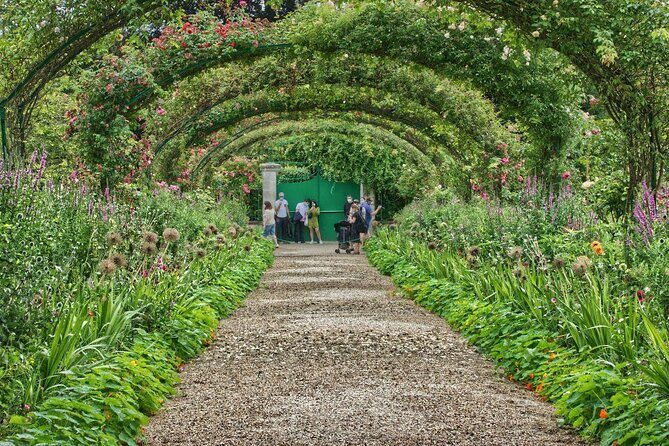
- Clos Normand is a full sensory stroll with 100+ flower types and Monet’s garden layout
- Japanese Bridge and pond views are timed well for photos, with a free-entry stop
- Your best bet is the morning slot to avoid the heaviest heat and crowd crush
The minivan ride: comfort, easy meeting point, and fewer headaches
This tour starts at 6 Rue de l’Amiral de Coligny (75001 Paris), and it ends back at the same meeting point. That matters because you’re not hunting for a faraway station or guessing how to get to the countryside with limited time.
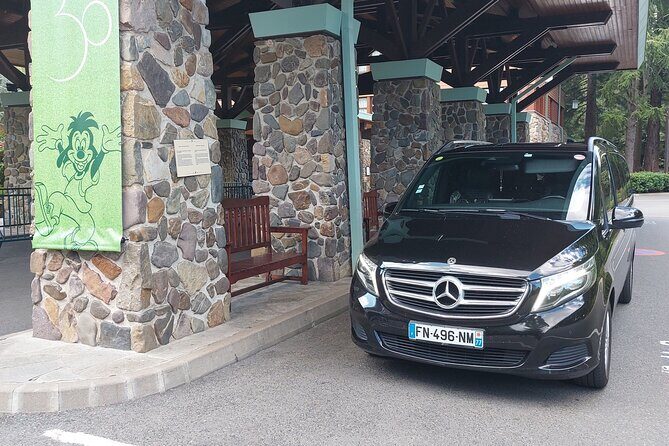
You’ll ride in an air-conditioned minivan, and the itinerary has you leave Paris via the Normandy motorway toward the Seine valley. The vehicle size is capped for a max of 32 travelers, and many departures run as smaller groups, which usually makes it easier to hear your driver-guide and keep everyone moving.
What I like about a minivan day trip is how it compresses the “logistics tax.” With a fixed departure time and a scheduled return, you keep your energy for the gardens instead of spending it on public transit.
One practical note: road traffic is real. A few trips run longer on the road than the ideal plan, which can reduce your on-site time. If you’re trying to see everything without rushing, choose the morning departure when possible, and keep expectations flexible.
You can also read our reviews of more guided tours in Paris



Fondation Claude Monet: the house rooms you actually want to see
The first stop is the Fondation Claude Monet, where admission is included. You get about an hour for the house, studio, and key interiors at your own pace. This is the heart of the trip because it connects the paintings to the man.
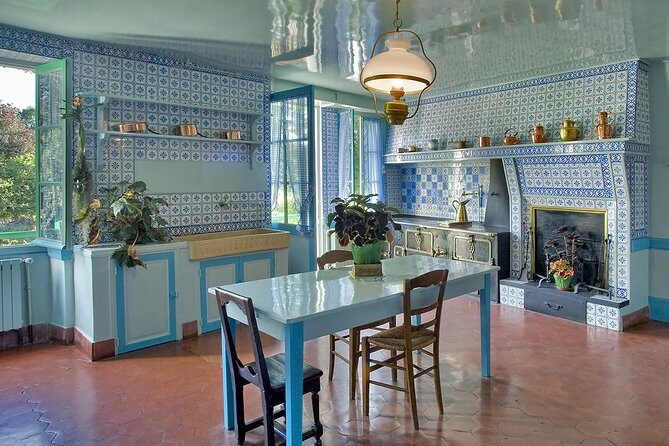
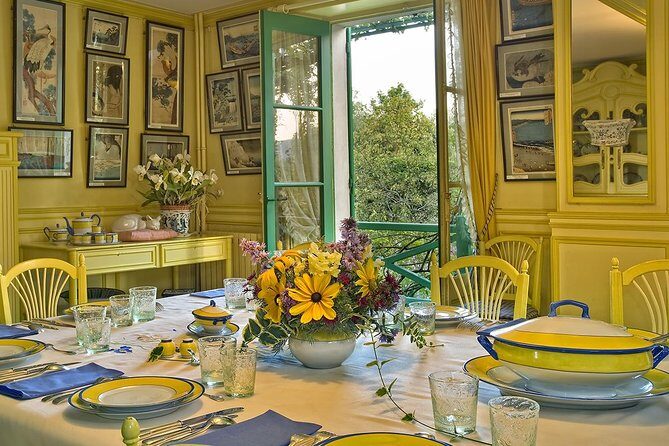
Inside, the focus is on Monet’s pink house and the rooms restored to the way he knew them. You’ll see areas such as the blue sitting-room, the pantry and kitchen, and the dining-room filled with Japanese prints. On the first floor, you can also visit his private bedroom. The house is the place where Claude Monet lived for more than 40 years and raised eight children.
Why this pacing works: a house tour with too many forced stops can turn into a blur. Here, you get the ticket and the starting context, then you’re free to slow down where you care most. If you love paintings and want to match what you see to what you’ve learned about his daily life, this structure is a good fit.
What to keep in mind: at peak times, lines can get long even if your ticket is pre-booked. You’ll spend less time doing ticketing chores, but you may still face waiting once you’re physically at the entrance.
Clos Normand: Monet’s flower “canvas” in walking form
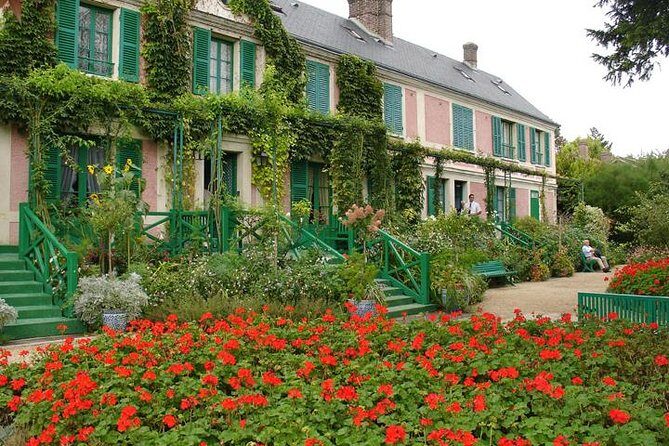
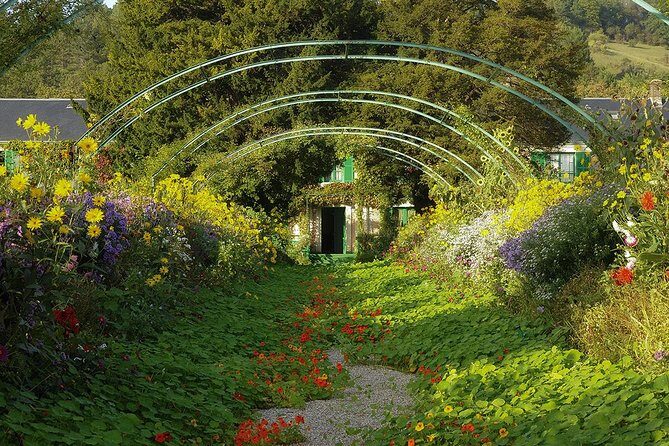
After the house, you step outside to the Clos Normand, also included with about an hour. This is where Monet’s approach feels most alive. Expect more than 100 types of flowers—think roses, nasturtiums, and seasonal blooms influenced by European and Asian plants—arranged in a way that reads like a living painting.
This is a garden you experience by moving. The best way to enjoy it is to stop often and then continue, like you’re scanning a canvas. If you’re the type who tries to take one perfect photo, you’ll still want to give yourself time to just look. The garden design makes you notice color relationships that don’t always show up in photos.
The value here is that you’re not just “in a garden.” You’re seeing the space Monet worked with, with a clear sense of how his visual ideas translated into planted rows and seasonal color shifts.
Crowd reality check: the Clos Normand draws coach tours and big groups. If you arrive and instantly feel shoulder-to-shoulder, don’t panic. Move a little off the main paths, and you’ll often find calmer spots where you can hear birds and slow your breathing for a minute.
Japanese Bridge and the water-lily pond: photo time with context
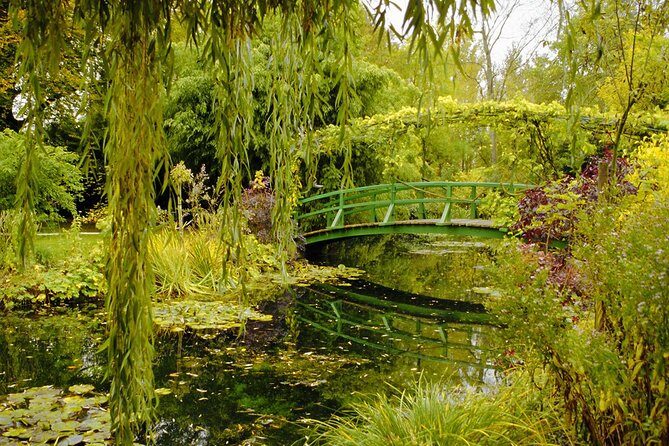
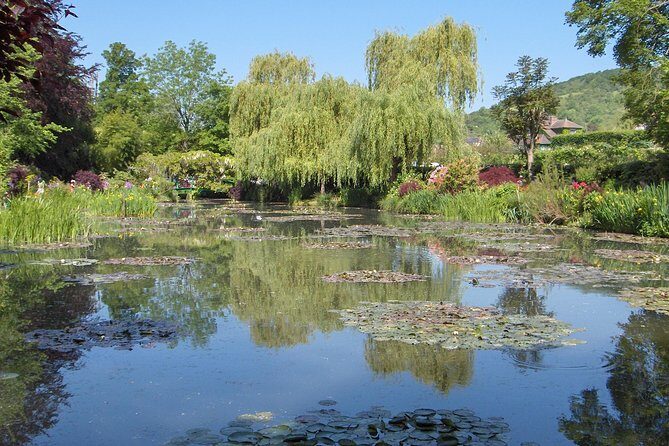
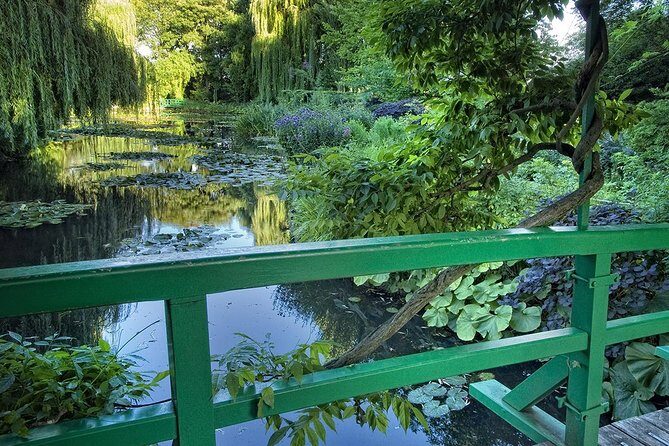
The Japanese Bridge stop is shorter, around 30 minutes, and it’s free-entry. This is an excellent add-on because it’s the view most people associate with Monet’s water gardens, especially the Nymphéas series.
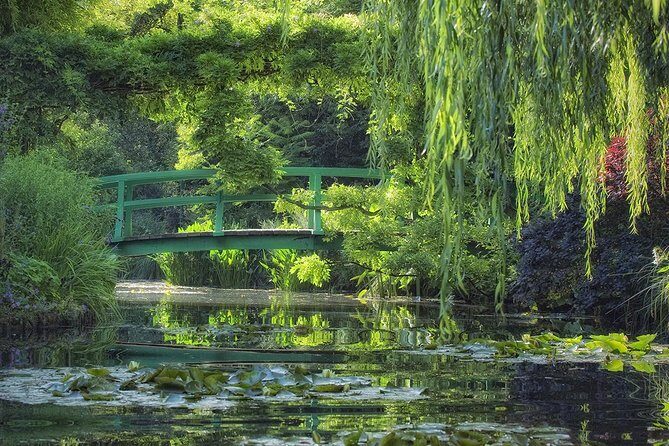
From here, you’re looking at the green Japanese bridge, plus the visual cues that inspired those paintings: wisteria, bamboo, and the water-lily pond. In practical terms, this stop gives you the chance to line up photos with the exact motifs you may have seen in Monet’s work.
I’d treat this like a field-work moment. Grab a few pictures, yes, but also look for how the pond reads differently depending on angle and light. Even with crowds, the best photo spots are often not the most obvious ones, so being willing to walk 2 or 3 minutes away from the densest area helps.
Driver-guide storytelling: why it’s more than just transportation
The driver-guide is included (English, Spanish, French), and the strongest impact is usually on the drive and the initial orientation once you arrive. Many past experiences highlight a friendly, humorous style—plus practical tips that help you manage lines and move through the site in a way that keeps the day from feeling chaotic.
You might hear stories that connect Monet’s Paris context to what he did in Giverny. Some guides have shared details about Monet’s wives and children, and a few focused on what you’re walking into so your house-and-garden visit feels less like a checklist.
There’s also variety in how the “guided” part feels once you’re at Monet’s property. Some visits have a more hands-on start, including walking guests toward key areas. Others keep the guide more at the edges and let you do the exploration independently. Either approach works, and the bigger point is that you’re not left completely on your own at the start. You get the essentials to help you make smart choices with limited time.






Timing reality: crowds, traffic, heat, and bathroom lines
This is a half-day trip, which sounds simple until you do the math. The itinerary gives you set blocks—about an hour at the house, an hour at the Clos Normand, and about 30 minutes at the Japanese Bridge, plus travel time. That means you’re not trying to spend a relaxed all-day weekend in Giverny. You’re doing the high-impact version.
Crowds are the main wildcard. Giverny is wildly popular, especially during peak tourist season. One common issue is that the house entrance line can be long, and gardens can feel crowded once large tour groups arrive.
Heat can also be a factor. If you’re going in summer, plan for hot, humid weather. Dress with that in mind and expect to feel it during the uncovered garden walking.
Even the practical stuff can become a bottleneck. Bathroom lines can be long when it’s busy, so I’d use your time wisely: if you see an opening early, take it, even if you think you can wait.
And then there’s traffic. Some departures have run longer than the ideal drive time, which can compress your on-site schedule. If you really care about seeing everything slowly, build in a little buffer by choosing the morning option when you can and staying flexible about which exact paths you take in the gardens.
Price and value: what you’re paying for
At $118.63 per person, you’re paying for a lot that’s hard to DIY efficiently. This price bundles:
- Round-trip minivan transport from central Paris
- Admission to Monet’s house and gardens (Fondation Claude Monet)
- A pre-booked ticket experience
- Driver-guide support during the day
What’s not included is food and drinks. So you’ll want to plan for a snack or hydration strategy yourself.
Is it expensive? Not necessarily, for what’s included. The key value piece is that you’re buying time. You’re not piecing together transit, ticketing, and timing. You’re also not gambling on getting into Monet’s property smoothly, because your ticket is handled in advance.
The tradeoff is that you’re not buying a full-length private experience. You get a structured half-day and then self-paced exploring. If you want a long, slow, guided walk through every room with extra rabbit holes, you may want a longer tour format. If you want a smart hit of Monet without draining your Paris day, this pricing structure makes sense.
What to bring (and what to do with your camera)
Because food and drinks aren’t included, bring water and a small snack if you think you’ll need it during travel or while you’re between stops. Comfortable shoes matter more than you’d think, because you’ll be walking through garden paths where uneven footing can be part of the experience.
For photos, plan to shoot in short bursts rather than trying to stand for 30 minutes in one spot. The gardens can become crowded, and light shifts quickly. The Japanese Bridge and pond are especially photo-friendly, but you’ll get better results by moving around slightly and shooting from a couple of angles.
Finally, if it’s warm, keep in mind that garden time can feel long even when the stop is “only” about an hour. Dress for heat and humidity, and expect to take breaks, even if they’re just a few minutes off the main flow.
Who this Giverny half-day trip is best for
This tour fits well if you’re:
- short on time in Paris and want a strong Monet-focused day
- tired of figuring out transit and prefer a straightforward plan
- excited by the link between Monet’s rooms and his garden layouts
- the type who likes independence once you’re inside a site
It’s also a good match for families and first-timers, because the house and gardens are easy to understand without advanced art history knowledge. Service animals are allowed, too, which can help some visitors feel more comfortable with their travel plan.
If you’re sensitive to crowds and lines, choose the morning departure if you can, and accept that you may still have to wait at busy times. You’ll enjoy it more if you come with the mindset of: pick your priorities, wander with purpose, and don’t try to do everything.
Should you book this tour?
If your goal is a smooth half-day that gets you from Paris into Monet’s house and gardens with tickets handled, I’d say yes. The value is strongest when you use it as intended: follow the structured stops, then take the freedom to wander inside the house and gardens.
Book it if you want:
- minivan convenience
- ticketed access without ticketing stress
- a realistic schedule that still feels meaningful
Skip it or consider an alternative if:
- you’re extremely crowd-averse
- you need long, unhurried time on site
- you’re traveling during a period when traffic could realistically derail your schedule
If you can, pick the morning slot and set your expectations for a popular destination. Do that, and you’ll spend your Paris time on Monet, not on logistics.
FAQ
What’s the duration of the trip?
It runs for about 5 hours.
How do I get to Monet’s house and gardens?
You travel by air-conditioned minivan with round-trip transport from central Paris.
Are entrance tickets included?
Yes. Admission tickets to Monet’s house and gardens (Fondation Claude Monet) are included.
Is the Japanese Bridge included?
The Japanese Bridge stop is free-entry, and it’s part of the itinerary.
Is there a morning and afternoon option?
Yes, departure times can be chosen for either morning or afternoon.
Where is the meeting point in Paris?
You meet at 6 Rue de l’Amiral de Coligny, 75001 Paris, France, and the tour ends back at the same meeting point.
What’s included and not included?
Included: driver-guide, minivan transport, all fees and taxes, air-conditioned vehicle, entrance ticket for the house and gardens, and free time to visit at your own pace. Not included: food and drinks.
What if the weather is bad or the tour is cancelled?
This experience requires good weather. If cancelled due to poor weather, you’ll be offered a different date or a full refund. Also, if it’s cancelled because a minimum number of travelers isn’t met, you’ll be offered a different experience/date or a full refund.
What’s the cancellation window?
You can cancel for a full refund up to 24 hours in advance of the experience start time.