REVIEW · PARIS
Guided tour of Paris in Citroën Traction Avant or DS 21
Book on Viator →Operated by Vintage Traction · Bookable on Viator
Paris looks different from a classic Citroën. You get to pick your vintage ride—Citroën Traction Avant or DS 21—and enjoy a private driving tour that treats major landmarks like photo targets, not long walks. I love the instant wow factor of arriving in an iconic car, and I like that the stops are quick and photo-focused. One thing to consider: the tour is light on deep cultural talk unless your driver is strong at guiding in your language.
This is a practical way to see a lot of Paris in 1 to 3 hours. You’ll roll from the Concorde area past big-name sights like the Arc de Triomphe, the Eiffel Tower, Moulin Rouge, and Sacré-Cœur, plus classic views around Notre-Dame and the Pantheon. If you want time inside museums or viewpoints, plan for tickets separately since several of the headline stops don’t include admission.
My advice: go in expecting a stylish, driver-led overview with photo chances, not a slow, detail-heavy lecture. If you’re sensitive to exhaust, or you need very clear English commentary, it’s worth setting your expectations early.
In This Review
- Key things you’ll notice
- Paris by traction: what makes the Citroën/DS ride special
- How the route works in 1 to 3 hours (and what you skip on purpose)
- Arc de Triomphe photo stop without the parking headache
- Eiffel Tower stop: a taste, not a full visit
- Seine-side bridge, palace-area views, and opera perspectives
- Moulin Rouge to Sacré-Cœur: the Montmartre drama without the uphill legwork
- Notre-Dame, the Pantheon, and the Pyramid: classic postcard geometry
- Price and logistics: when $171 per group feels like value
- What to ask your driver for: angles, photos, and pace
- Should you book this vintage Paris drive?
- FAQ
- Which vintage cars are used on this Paris tour?
- How long is the tour?
- How many people are in a group?
- Is pickup offered?
- Is the tour offered in English?
- Are tickets or admission included for the landmarks?
- Do I need to bring a printed ticket?
- What parts of the tour are outside vs. inside?
Key things you’ll notice
- Two iconic vintage car choices: Citroën Traction Avant or DS 21
- Private-by-default: only your group goes, up to 4 people
- Short photo stops at major landmarks like Arc de Triomphe and the Eiffel Tower
- A driver who plans angles, not just routes
- English level can vary by driver, even though the tour is offered in English
- Car issues can happen (there are reports of cancellations due to vehicle problems)
Paris by traction: what makes the Citroën/DS ride special
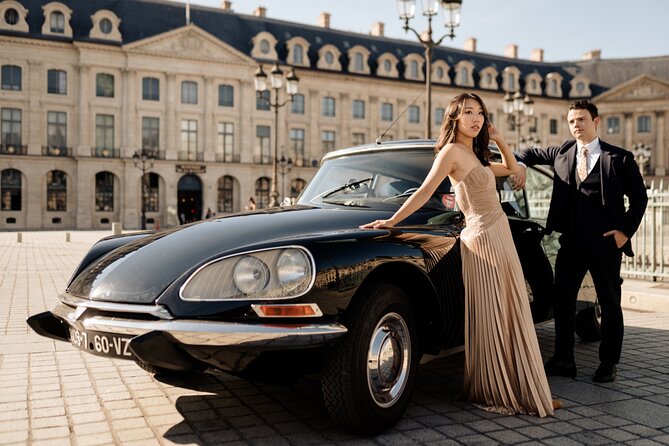
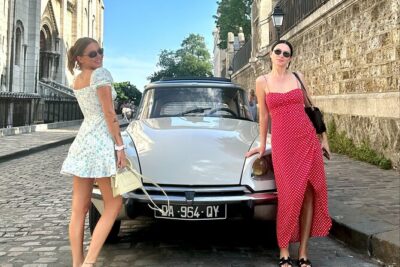
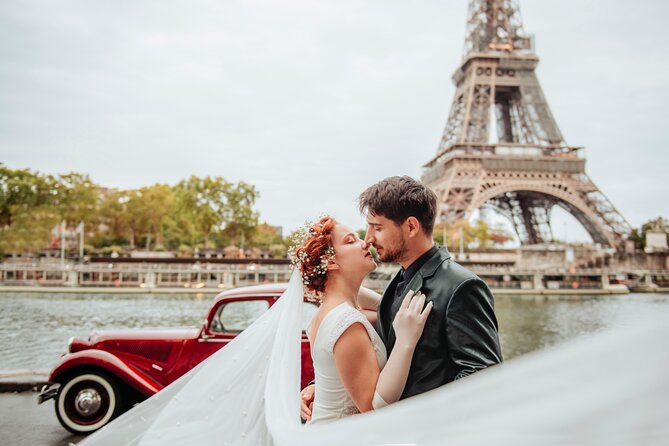
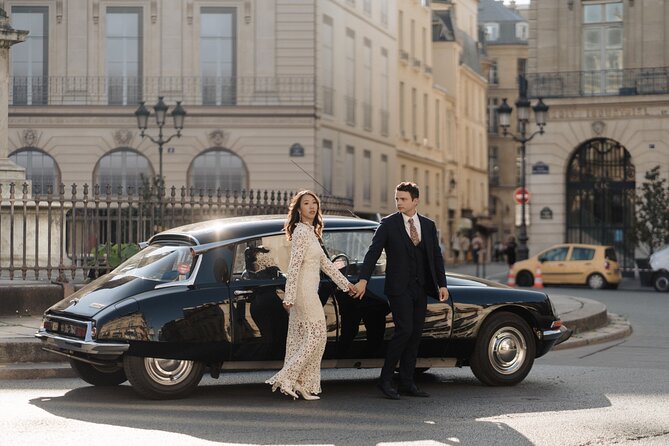
There’s a reason vintage cars feel different. In a regular car, Paris can blur into traffic. In a Citroën Traction Avant or DS 21, you become part of the street scene—people notice, photographers angle their shots, and even waiting at a red light feels cinematic.
You also gain something that’s hard to recreate when you’re walking: instant repositioning. Paris blocks are tight. Parking is a puzzle. And the sights are far enough apart that you’d spend a chunk of your day either commuting or hustling between neighborhoods. This tour compresses that effort into a smooth, “here’s the view, now move on” rhythm.
The other big plus is the vibe of the experience. Based on the strongest feedback, drivers like Abi (and sometimes Ali) tend to treat the ride like a blend of guiding and hosting—helping with photo spots and giving you a sense of where you are in the city. If you like memorable pictures and want an easier way to start a trip (especially if you’re short on time), this format can really work for you.
Possible drawback: guidance quality isn’t identical across drivers. Some guests describe lots of context and photo help; others felt the commentary was repetitive or too focused on pointing things out. So think of this as a transport + landmark photo tour first, and cultural storytelling second.
You can also read our reviews of more tours and experiences in Paris.


How the route works in 1 to 3 hours (and what you skip on purpose)
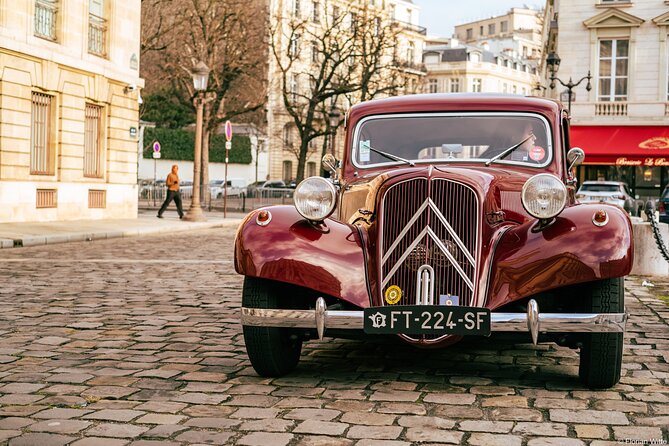
The tour is designed for speed, with a duration of about 1 to 3 hours. You’ll start near Concorde (Concorde 75008), and the experience ends back at the meeting point. That “out and back” structure matters because it keeps the schedule manageable and helps the driver plan the best pull-ins without spiraling into Paris’s traffic maze.
You’ll also see that the itinerary uses quick stops. Some landmarks come with an explicit 5-minute window (Arc de Triomphe, Eiffel Tower, Moulin Rouge, Sacré-Cœur). That doesn’t mean “two minutes and done.” It’s more like: enough time to get in place, grab a few photos, and soak up the moment from street level—without turning the whole tour into a line-waiting exercise.
Also, several of the headline attractions list admission tickets as not included. So even though you’ll pause at the most famous spots, you’re not automatically getting entry or guided access inside. If you want summit views at the Eiffel Tower or to enter a monument, you’ll still need to plan that separately.
What about all the smaller “explanation” stops along the way? Think of them as quick orientation moments: you’ll get context at the Place and Avenue sections you’re traveling through, plus short stops tied to major landmarks like a bridge, a palace-area view, a central square, and an opera-area perspective. It’s a way to connect the dots without spending an entire day commuting from one museum to the next.
Arc de Triomphe photo stop without the parking headache
Arc de Triomphe is one of those Paris landmarks that’s hard to “accidentally” get right. You either catch it at the right angle or you don’t. Here, you get a designed pull-in timed for pictures, with about 5 minutes on the clock.
It’s also a traffic-and-pedestrian challenge in real life. Getting there in a normal day means planning for vehicle access, dealing with crowds, and figuring out where you can safely stop. A private driver solves most of that. You arrive, you take photos, and you keep moving.
Tip: if you care about the exact look of your Arc photos, tell your driver what you want before you roll away. Based on strong feedback, many drivers are happy to stop for angles and take photos for you. If you want a specific background (streets, the Avenue sweep, the skyline line), this kind of setup is where you’ll benefit most.
Admission note: the Arc stop lists admission as not included. So treat it like a photo-and-view pause. If you want to go inside or access the viewpoint, that’s a separate plan.
Eiffel Tower stop: a taste, not a full visit
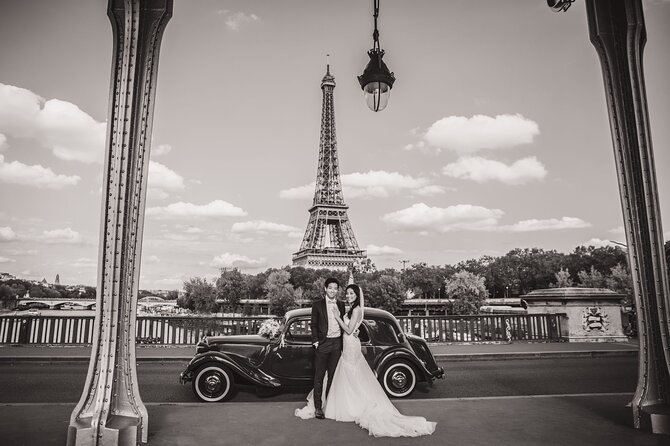
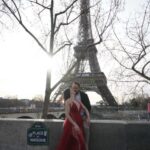
The Eiffel Tower stop has the same “quick photo” logic, also around 5 minutes. From the street, you can capture classic shots, but you’re not doing a long visit here. It’s meant to give you the iconic proof of Paris—then move you on before time runs out.
The value is in how you get there. Even if you’re a confident walker, the Tower area is where crowds and lines start dominating your mood. Getting a timed pull-in with a private driver means you’re less likely to lose your schedule. You still have freedom to stay longer after the tour ends if you want, but the tour gives you a solid Eiffel moment without consuming your whole day.
One practical consideration: if your priority is a viewpoint inside or a full Eiffel Tower ticketed experience, budget time separately. This tour is good for the “I’m here” photos and a quick orientation, not for ticketed time at the top.
Seine-side bridge, palace-area views, and opera perspectives
Between the big-name icons, the tour threads through central Paris with several stops that are all about angles: a bridge pause, a palace reference, a place/area explanation, and an opera-area viewpoint.
This is the part of the tour that often feels the most “Paris through a driver.” From a car, you can see relationships between monuments—the way an opera façade lines up with surrounding streets, or how a palace sits in relation to nearby squares. On foot, you can learn these details too, but it takes time and energy.
If your driver is a strong storyteller, this is where the commentary can become the difference-maker. You might hear short context about what you’re seeing and why it matters. If your driver is more minimal, you’ll still get the visuals, but you’ll need to supply your own historical background with a guidebook or later reading.
A small heads-up from past experiences: some guests mention drivers focusing heavily on obvious storefronts or passing sights without adding much context. If you want more than names and dates, it helps to ask a simple question early on, like what history you should know about the route you’re taking. You’ll quickly find out whether your driver can go beyond pointing.

Moulin Rouge to Sacré-Cœur: the Montmartre drama without the uphill legwork
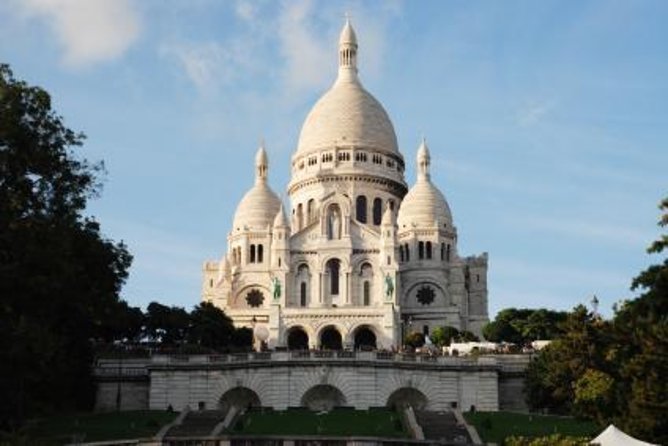
Moulin Rouge and Sacré-Cœur are both included as quick landmark stops. Moulin Rouge comes first (with admission noted as not included), then you move toward Montmartre for Sacré-Cœur, again with about 5 minutes and no admission included.
Here’s why this pairing works: it gives you two different “Paris moods.” Moulin Rouge is theatrical and neon in spirit, even during the day. Sacré-Cœur is elevated, airy, and classic. Doing both from the curb (instead of trying to cram them into an exhausting hike) is a great way to get the vibe even if your legs are tired.
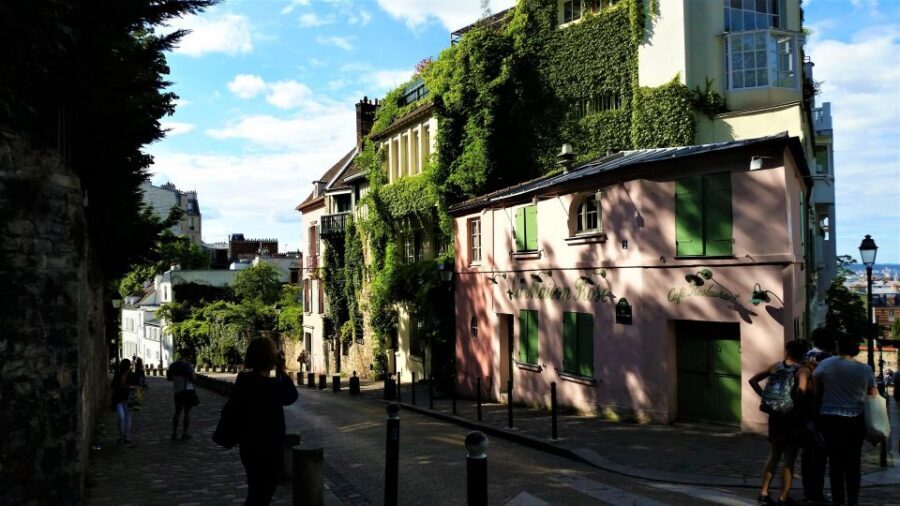
Also, Montmartre isn’t just distance; it’s slopes, stairs, and crowd flow. A private driving tour helps you avoid spending your limited time fighting terrain and uneven pedestrian patterns. The photos you can get from these pauses are usually the kind you’d want for your first postcard set from Paris.
One practical note: this is a “short stop” approach. If you want to linger at Sacré-Cœur or explore inside, you’ll need separate time. But if your goal is to check the landmarks off your list and collect photos without getting stuck in lines, this format is efficient.
Notre-Dame, the Pantheon, and the Pyramid: classic postcard geometry
Later in the tour, you’ll hit several landmarks that create a natural arc of central Paris: Notre-Dame, the Pantheon, and the Pyramid stop. There’s also an extra museum explanation stop and a general “monument” or place explanation stretch before these.
I like this part because it feels like the city’s “shape” becoming clearer. When you see Notre-Dame and the Pantheon in the same trip, even with short pauses, you start to understand how Paris fits together—how the grand religious and civic landmarks anchor different neighborhoods.
The Pyramid stop is also a useful contrast. It’s modern geometry sitting among older Paris streets. Even if you’re not getting entry, pausing there lets you capture the idea that Paris is not one style. It’s layers.
If your driver provides better commentary, this segment is where you’ll get the most value. Ask for one or two key facts you should remember about each major stop. If your driver struggles with English clarity, focus on what you can see and use your own reading later—your photo set and geographic understanding will still be worth it.
Price and logistics: when $171 per group feels like value
The price is listed as $171.18 per group, up to 4 people. That means your real comparison isn’t per person. It’s per car experience shared across a small group.
For a city like Paris, where travel time adds up fast, this can be good value if you:
- Want a quick overview without long walking days
- Are traveling with family members who can’t move easily
- Have limited time and want the “big ones” captured early
- Care about photo opportunities and want someone to help you get them
Compared with hiring a private guide on foot for several hours, you’re paying for transport plus timed landmark stops. You’re also buying convenience: pickup offered, and the tour ends back at the start point, which reduces the stress of planning your own route.
Is it pricey? It can be. The duration is relatively short, and if your main goal is deep museum time or long history coverage, a walking guide or other guided format may fit better. But if your priority is a smooth, iconic ride that gets you out of traffic friction and into picture-ready moments, the cost can start to make sense fast.
One caution from real-world experiences: car issues can cause cancellations. If this trip is tied to a tight schedule or a non-flexible day, build in a backup plan for seeing the basics another way.
What to ask your driver for: angles, photos, and pace
The best versions of this tour don’t just drive you around. They help you work the moments.
If you want strong photos, ask early:
- Where should we stop for the cleanest angle at each landmark?
- Can you take a few photos for us in each key spot?
- What’s the fastest route to avoid the worst crowd crush?
Many guests highlight that drivers are willing to help with photography and find good photo locations. Some even mention added touches like champagne in certain cases, though that may depend on the guide and timing—so don’t assume it’ll always be part of your ride.
If cultural commentary matters to you, don’t wait until the first stop to test it. Ask a pointed question right after pickup, like what you should notice at Arc de Triomphe or why the Eiffel Tower area was such a shift in Paris. You’ll learn quickly whether your driver can turn the tour into more than a visual checklist.
Language is another practical factor. The experience is offered in English, but multiple comments point out that accents and clarity can vary. If English must be crystal clear for you, ask ahead of time or plan to use your phone for background reading while you’re stopped.
Finally, if you’re sensitive to fumes: Paris traffic isn’t a clean-room, and one guest reported gas smells when windows were down. Keep ventilation in mind, and if you feel affected, speak up immediately so your comfort doesn’t get sacrificed for the photo moment.
Should you book this vintage Paris drive?
Book it if you want a private, photo-friendly overview and the idea of arriving in a Citroën or DS is part of the joy of your trip. It’s especially good for first-timers who want the big landmarks on day one, or for travelers who’d rather sit back and let someone else handle parking, timing, and traffic choices.
Skip it or choose something else if you’re looking for:
- Long museum time or in-depth inside access
- A guaranteed high-level, detailed cultural lecture
- Perfectly consistent English narration
- A no-risk plan on a day you cannot tolerate schedule changes
My take: this tour shines when you treat it like an iconic Paris experience—stylish car, quick stops, great photos, and a driver who knows how to move you through the city. If you’re flexible and you communicate what you care about (photos, pace, and what kind of stories you want), it can be a very memorable way to see Paris fast and in style.
FAQ
Which vintage cars are used on this Paris tour?
You can choose a vintage Citroën Traction Avant or a DS 21 for your guided drive.
How long is the tour?
The duration is about 1 to 3 hours.
How many people are in a group?
It’s priced for a group of up to 4 people, and it’s private for your group.
Is pickup offered?
Yes, pickup is offered. The tour starts near Concorde (75008) and ends back at the meeting point.
Is the tour offered in English?
Yes, it’s offered in English.
Are tickets or admission included for the landmarks?
Admission tickets are not included for stops that list admission not included, such as the Arc de Triomphe, Eiffel Tower, Moulin Rouge, and Basilique du Sacre-Cœur.
Do I need to bring a printed ticket?
No. You receive a mobile ticket.
What parts of the tour are outside vs. inside?
Most of the experience is built around short landmark stops from the street. If you want to go inside any site, you’ll need to arrange tickets separately.