One building in Paris has global reach. Les Coulisses DE UNESCO is a tight, guided visit inside the UNESCO headquarters, where architecture and art connect directly to the organization’s mission. You’ll walk through striking conference spaces and signature outdoor areas, then hear how UNESCO’s work translates into real projects around the world.
I especially like the way this tour turns a big institutional building into something human and understandable. The guide’s explanations also bring major artists like Calder, Picasso, and Giacometti into the experience, not as museum trivia but as part of the setting. The only drawback to consider: it’s a 90-minute indoor-and-outdoor walk, so you’ll want to be comfortable moving at a steady pace.
In This Review
- Key Highlights You Should Know
- A 90-Minute UNESCO Headquarters Visit That Actually Feels Practical
- Entering UNESCO HQ: Conference Rooms, Footbridges, and the Globe
- What could feel challenging
- The Art Isn’t Just Decoration: Calder, Picasso, and Giacometti in Context
- Why This Guided Format Works Better Than Self-Guided
- Price and Value: What $24.43 Buys You in Real Terms
- Getting the Most Out of It: Language Tips Without Making It Complicated
- Who This UNESCO Backstage Tour Fits Best
- Should You Book Les Coulisses DE UNESCO?
- FAQ
- How long is the UNESCO backstage tour?
- What’s included with the ticket price?
- Is transportation included?
- Where does the tour start and end?
- How many people are in the group?
- Do I receive a mobile ticket?
- What languages are available?
- When will I receive confirmation after booking?
- What is the cancellation policy?
Key Highlights You Should Know
- Small group size (max 20): easier questions, less crowd noise, better guide attention
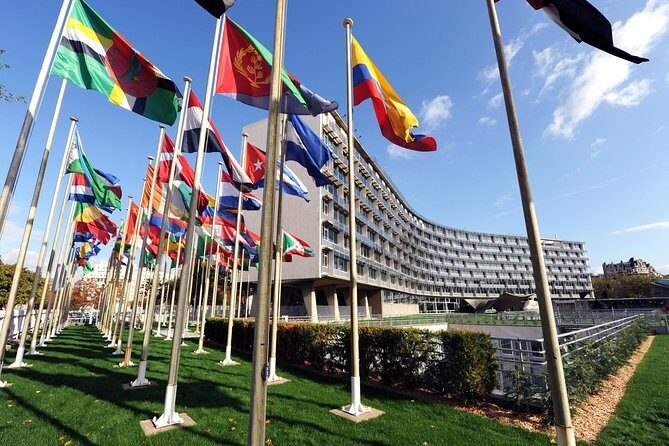
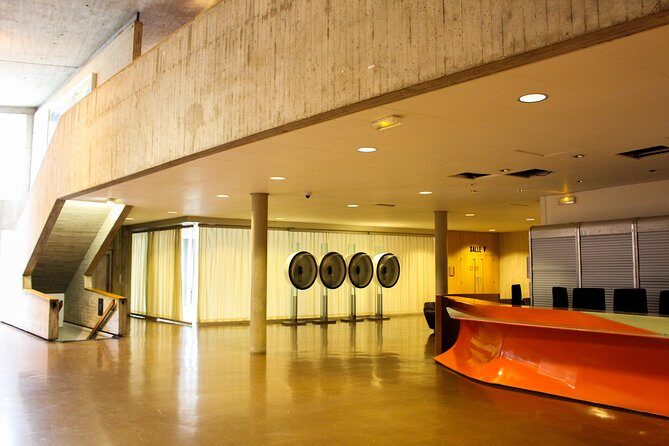
- UNESCO’s signature architecture: footbridges, concrete corridors, and major event rooms
- The symbolic Globe area: a photo stop with meaning, not just a landmark
- Art integrated into the visit: Calder, Picasso, and Giacometti explained in context
- Mobile ticket convenience: less time juggling papers and screenshots
A 90-Minute UNESCO Headquarters Visit That Actually Feels Practical
This isn’t a long, slow museum day. The tour clocks in at about 1 hour 30 minutes, which is perfect if you want a high-impact experience without spending half your day on logistics. And since it includes an admission ticket, you’re not trying to figure out what you need to see on your own.
I like that the focus stays on the UNESCO building itself. You get the inside view of the headquarters, plus outdoor moments like the square and garden areas, so you don’t feel like you’re stuck looking at walls the whole time. It’s also a guided experience, which matters in a building like this—context is the difference between seeing rooms and understanding them.
You can also read our reviews of more tours and experiences in Paris.


Entering UNESCO HQ: Conference Rooms, Footbridges, and the Globe
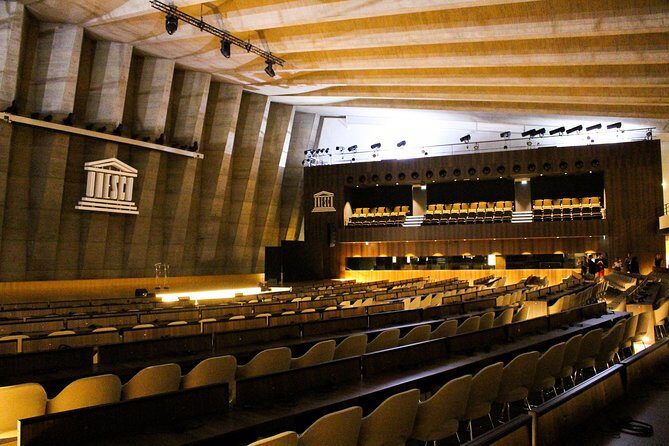
The tour’s core is a guided walkthrough of the UNESCO building—your starting point is the UNESCO headquarters itself. Your guide explains the organization’s missions and projects, then you move through spaces built for high-level international events. That means you’re not just looking at architecture for architecture’s sake.
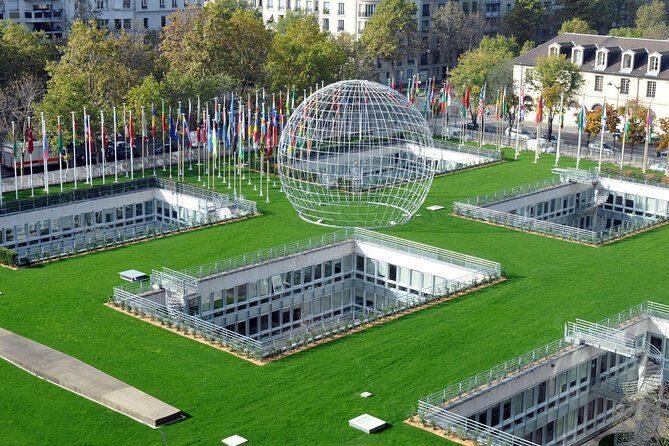
One of the big draws is the way the building is described through movement. You’ll explore the immense conference rooms, plus the square where you can admire the symbolic Globe. If you like places where you can feel the “why” behind the design, this is the kind of stop that clicks.
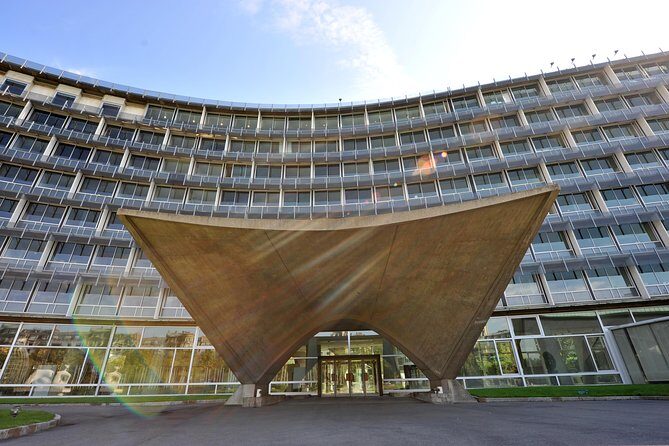
You’ll also notice the modern architectural approach as you go: footbridges and concrete corridors show up as part of the route, not as random features. In practice, that gives you a natural walking path through the building’s different zones, which is helpful on a short tour.
A side benefit: the tour includes a garden moment. Even when the schedule is tight, that outdoor break helps reset your brain, especially if you’re pairing this with other Paris sights nearby.
What could feel challenging
If you don’t like getting guided explanations for most of the visit, this may test your patience. Also, because it’s designed as a single continuous experience (not a free-roam visit), you’ll want to be ready to follow along without much wandering.
The Art Isn’t Just Decoration: Calder, Picasso, and Giacometti in Context
Here’s the clever part: the tour doesn’t treat art as a side quest. The experience is punctuated by a collection of works by major artists—specifically mentioned are Calder, Picasso, and Giacometti—and your guide comments on them as you move through the spaces.
That approach changes how you’ll look at the building. Instead of separating worlds (architecture here, art there, UNESCO’s work over there), the guide connects the works to the missions of the organization. In plain terms, it helps you see why art and public institutions often belong together.
It also avoids the usual museum vibe of reading labels and moving on. On this tour, the art is presented as part of a larger story—what UNESCO tries to support, what global cooperation looks like, and how a headquarters becomes a stage for ideas. If you’re the kind of person who likes learning while walking, you’ll probably find this section hits well.
And yes, it can feel special to see major artists outside the usual museum context. The guide’s commentary keeps it from becoming a list of names, which is exactly what I’d want in a short tour.
Why This Guided Format Works Better Than Self-Guided
You’re getting a guided tour with a limit of up to 20 travelers, which is a sweet spot. Big groups can turn “insightful” into “background noise.” Here, the small size helps the guide keep the visit moving while still explaining what matters.
That also supports the structure of the tour. Because the route is built around the building’s layout—conference rooms, the globe square, bridges, corridors—having a guide means you’re less likely to miss the meaning of a space. You’ll also get a clearer connection between what you see and what UNESCO does.
Another detail that helps: the tour uses a mobile ticket. That’s one less thing to manage in Paris, where it’s easy to lose time to ticket confusion. The tour starts and ends back at the meeting point, so you won’t be stuck figuring out how to get home from an unfamiliar area inside a large city complex.



Price and Value: What $24.43 Buys You in Real Terms
At $24.43 per person, this is priced like a “do it while you’re nearby” experience rather than a major splurge day. The value comes from three things bundled together: a guided tour, a ticket included element, and access to a specific institutional interior experience that you’d likely struggle to understand on your own.
Duration helps too. At roughly 1 hour 30 minutes, you’re paying for a concentrated explanation and route. For short experiences, time is part of the value equation: you get a guided narrative without turning this into a half-day commitment.
It’s also a tour that’s typically booked ahead. With an average booking window of 28 days in advance, it’s smart to reserve early if you want a specific time. If you’re the type who waits until the last minute, this is one of those options that can sell out simply because the group size is capped.
Getting the Most Out of It: Language Tips Without Making It Complicated
This tour is offered in English, and there’s also a French language option mentioned in participant experiences. If you speak French at all, that choice can make the visit feel smoother, since you’ll follow the explanations more quickly and with fewer mental translations.
Even if you choose English, I’d still suggest a simple strategy: listen for the guide’s mission-to-space connection. The explanation isn’t random. It’s meant to help you interpret what you’re seeing—conference rooms for events, public areas for symbolism, and the art for cultural messaging.
If English is your second language and you want to maximize comprehension, pick the language option you’re most comfortable with. On a short, guided tour, you don’t want to spend your mental energy decoding instead of learning.
Who This UNESCO Backstage Tour Fits Best
This is a strong match if you like:
- Architecture with a purpose (not just pretty buildings)
- Institutional or global organizations, especially when explained in everyday terms
- A guided experience that includes both indoor spaces and outdoor highlights like a garden and square
- People who want culture plus context in under two hours
It may be less ideal if you prefer long self-guided roaming. This tour works best when you’re happy to follow a route, listen to a structured guide, and move through spaces designed for specific functions.
And if you’re visiting Paris with a tight schedule, it’s a good add-on. UNESCO headquarters is central enough that it can slot into a day of monuments without demanding an all-day commitment.
Should You Book Les Coulisses DE UNESCO?
I’d book it if you want something different from the standard Paris routine. This is UNESCO headquarters, not another cathedral-and-madeline loop, and the guided structure helps you understand what you’re seeing rather than just photographing it.
It also offers real value for the price. You’re paying for access plus a guide, and the visit is built to keep you moving through meaningful spaces—conference rooms, the symbolic Globe area, modern corridors and footbridges, and an art-focused segment with Calder, Picasso, and Giacometti.
The decision hinges on one thing: do you enjoy guided explanations in a compact format? If yes, this is an easy win.
FAQ
How long is the UNESCO backstage tour?
The tour lasts about 1 hour 30 minutes.
What’s included with the ticket price?
The experience includes a guided tour and an admission ticket.
Is transportation included?
No. Transport is not included.
Where does the tour start and end?
It starts in Île-de-France 75007, Paris, France and ends back at the meeting point.
How many people are in the group?
The tour has a maximum of 20 travelers.
Do I receive a mobile ticket?
Yes. The tour uses a mobile ticket.
What languages are available?
It’s offered in English, and a French language option is mentioned in participant experiences.
When will I receive confirmation after booking?
Confirmation is received at the time of booking.
What is the cancellation policy?
You can cancel for free up to 24 hours in advance for a full refund.