REVIEW · PARIS
Louvre: Everything but the Mona Lisa – Limited to 6 Guests
Book on Viator →Operated by Fat Cat Tours · Bookable on Viator
The Louvre can feel like a maze. This small-group tour keeps you moving with a guide and saves you from map-and-mystery time. I like the Everything but the Mona Lisa approach because it gives you space to look at more than the usual crowd magnets. I also like that it stays English, small (max 6), and built for questions instead of passive wandering.
One possible drawback: if you want a very family-friendly tone every minute, you’ll want to go in with clear expectations. There’s at least one report of guides leaning too hard into sexual commentary, which is not what many families want.
In This Review
- Key Highlights Worth Getting Excited About
- Why Everything But the Mona Lisa Works in the Louvre
- Meet at Louis XIV on Horseback and Walk In Ready
- A Tight 2.5-Hour Window That Still Feels Like a Real Visit
- What You Actually See Beyond the Usual Hits
- Guides Make the Difference: Maryam, Nancy, Adam, and Ivana
- Small Group Comfort: Questions, Pace, and Less Standing Around
- Logistics You Need to Plan Around (So You Don’t Get Stuck)
- Price and Value: What $215 Gets You (and What It Doesn’t)
- A Real Caution for Families: Keep the Tone in Mind
- Should You Book This Louvre Tour?
- FAQ
- What’s the tour length?
- How big is the group?
- Where do we meet and start?
- What’s included in the price?
- What should I know about bags and strollers?
- Is there a language limit, and can I get in for free with certain IDs?
Key Highlights Worth Getting Excited About
- Skip the Mona Lisa to see more: you trade the longest line for extra time with other major works
- Small group (max 6): easier questions, faster decisions, and less waiting around
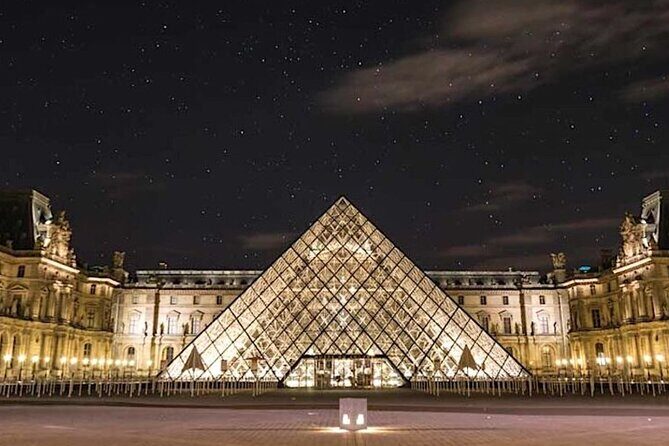
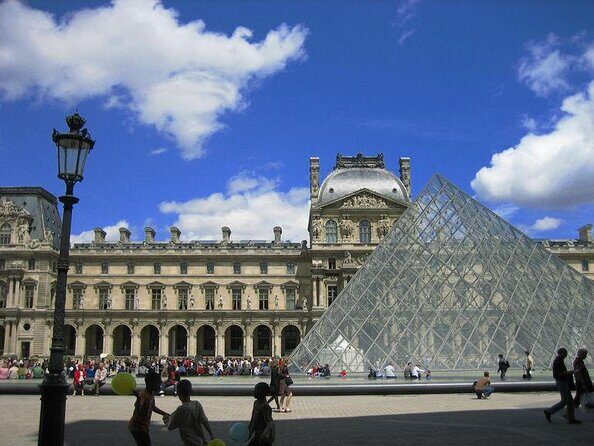
- Meet at Louis XIV on horseback: a clear, specific starting point right at the pyramid area
- Guide-led navigation: you’re not spending precious hours figuring out where to go next
- Art education that can fit non-art kids: some guides pitch the museum in a way teens actually follow
- English guide: smoother explanations and Q&A without translation drag
Why Everything But the Mona Lisa Works in the Louvre
The Mona Lisa is famous for a reason. But it can also eat your time. This tour takes the smarter route: you don’t fixate on one painting that people often rush past as a selfie stop. Instead, the idea is to help you get the bigger picture of what the Louvre does best—how it tells stories through painting, sculpture, and the way masterpieces connect.
What I like about this concept is simple. In a museum this size, your biggest risk is not missing something minor. It’s running out of energy before you’ve really looked at anything. By skipping the most jammed highlight, you tend to get better “attention per minute.” You also get more flexibility to pause, ask questions, and get your bearings fast.
The tour also seems designed for real learning, not just highlights. One guide was praised for high-level depth—how the museum presents works and how sculpture and painting connect with early religion and symbolism. Another guide was specifically described as tailoring the visit to the interests of a group that included three teenage boys. Translation: you’re not locked into a rigid script that ignores the people in front of them.
You can also read our reviews of more tours and experiences in Paris.



Meet at Louis XIV on Horseback and Walk In Ready
Your meeting point is very specific: the statue of Louis XIV on a horse in front of the Louvre pyramid. The official start address is 8 Pl. du Carrousel, 75001 Paris. That matters more than it sounds. When you’re dealing with a giant, complicated site, a vague meeting point turns into stress.
From there, your guide brings you into the museum with an admission ticket included in the cost. You’re not handling the whole “Where do we line up?” problem by yourself. That’s a big part of the value here: the Louvre is crowded and confusing, and time is short. A guided start helps you focus on the art, not the queue.
Tip for your first minutes: arrive a few minutes early and be ready to show your mobile ticket. With a group capped at 6, the flow matters. If you’re late, your whole small group can slow down.
A Tight 2.5-Hour Window That Still Feels Like a Real Visit
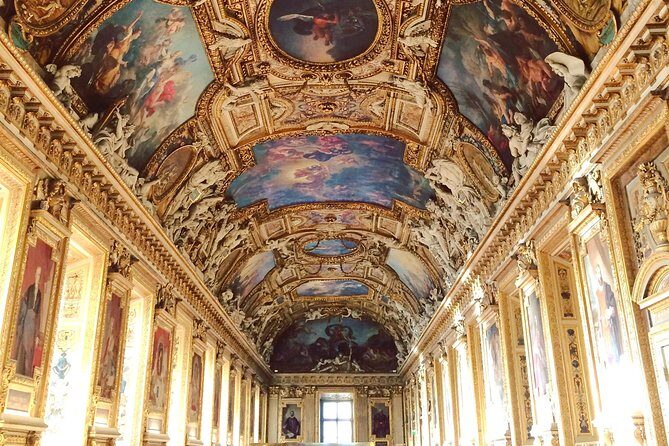
This tour runs about 2 hours 30 minutes. That’s the sweet spot for the Louvre. Long enough to feel organized and get meaning from what you see. Short enough that you’re not doomed to museum fatigue.
Because the group is limited to 6, you’re more likely to get a guided pace that works for your questions. One of the most repeated compliments is exactly that: plenty of room to ask, and the guide is open to customizing the route based on what you care about.
The “Everything but the Mona Lisa” theme also supports the time limit. When you’re not spending a chunk of your visit glued to one painting, you can move with purpose—stopping where your guide thinks the story becomes clearer, then moving on before you lose momentum.
What You Actually See Beyond the Usual Hits
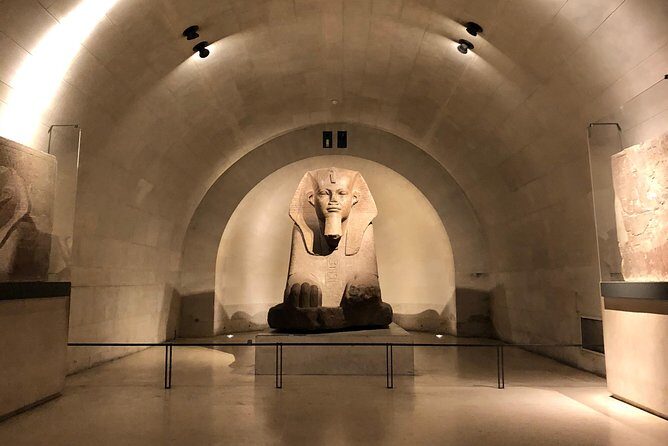
Since this experience is framed as Everything but the Mona Lisa, your mental checklist changes. Instead of spending your whole brain on one icon, you’re given room to notice patterns: how artists borrow myths, how religious themes show up in different forms, and how the Louvre’s collection is arranged to make connections.
A few specific “you might want to aim for this” items come up in the information you were given:
- Other major DaVinci paintings: one review points out you can still see several DaVinci works, with less crowd pressure than you’d face if you were laser-focused on the Mona Lisa.
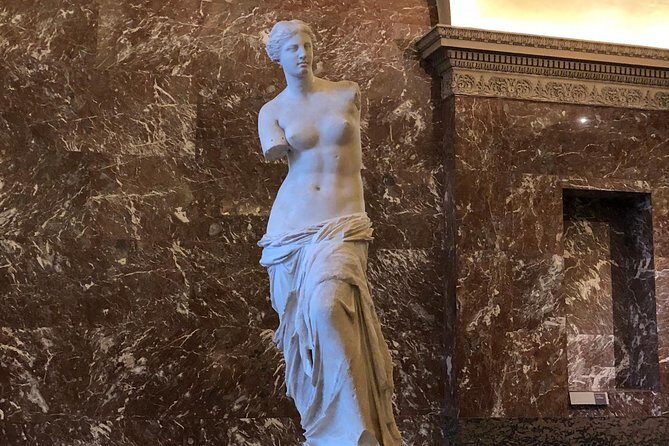
- Aphrodite / Venus: the same review mentions Aphrodite (Venus), which is the kind of statue that rewards slow looking—especially if your guide gives you context on how it was meant to be seen.
You should also expect the guide to talk about how the museum uses sculpture and painting to communicate meaning. One guide was described as having PhD-level command of topics like early religion and how images carry symbolism. Even if you’re not a scholar, that kind of framing makes a museum feel less like a warehouse of famous objects and more like a set of connected ideas.
One more practical note: the Louvre isn’t something you “finish.” It’s something you learn to navigate. This tour helps you do that by focusing your attention instead of trying to cover everything.
Guides Make the Difference: Maryam, Nancy, Adam, and Ivana
In a small-group experience, the guide isn’t a background detail. They shape the whole day.
Here’s what stands out from the guide names mentioned:
- Maryam: praised for knowing the Louvre well, offering interesting facts, and being willing to customize based on what the group wanted to focus on. She also earned strong marks for creating a more personal experience even with a small group.
- Nancy: highlighted for deep art knowledge and an energetic, clear way of explaining. Also praised specifically for the smart use of skipping the Mona Lisa to gain more time across the rest of the museum.
- Adam: described as having “PhD-level” understanding and strong command of how the Louvre presents its collection. Another review credits Adam with excellent communication and showing people what they most wanted to see, plus some “extra treasures.”
- Ivana: praised for strong communication and for getting people into the Louvre quickly. That matters when your goal is to maximize viewing time instead of losing it to friction.
If you’re choosing this tour because you want more than a list of famous names, this is the right kind of setup. These guides are being recognized for the same skills: clear explanations, museum navigation, and flexible pacing.



Small Group Comfort: Questions, Pace, and Less Standing Around
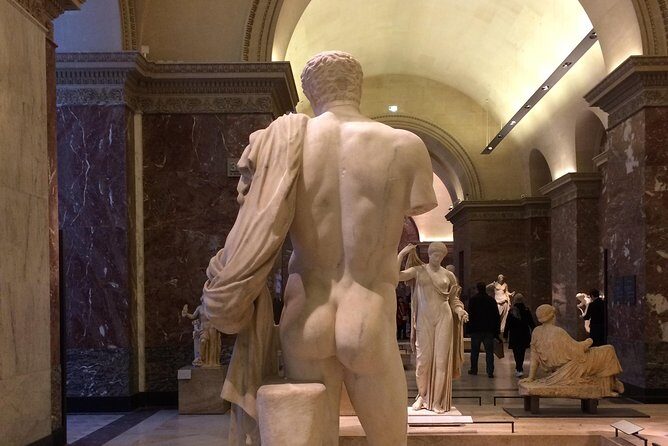
A max of 6 travelers sounds like a marketing detail until you feel it in a place like the Louvre. When you’re not packed into a large herd, you can:
- ask a real question without feeling rushed
- stop to look without losing the group’s rhythm
- adjust your interests mid-visit
The reviews you were given put a lot of weight on this “ask questions” advantage. One person specifically called it a must in a crowded museum, and another recommended an even smaller group for the most time with the guide.
Also, the Louvre can make people feel awkward about “not knowing what to look for.” A small group nudges you past that. You’re more likely to get a straightforward explanation instead of being left with a label and your own devices.
Logistics You Need to Plan Around (So You Don’t Get Stuck)
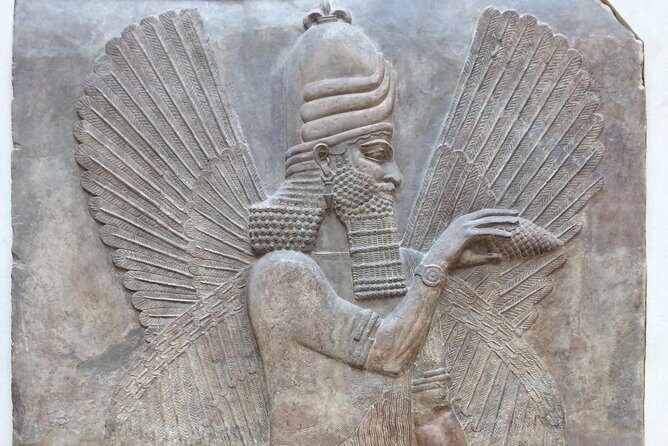
This tour runs inside one of the world’s busiest museum sites, so basic rules can make or break your visit.
Here’s what you should plan for based on the info provided:
- Moderate physical fitness is required. You’ll be walking and standing.
- Strollers and pushchairs cannot be accepted on group tours.
- Large backpacks or luggage are not allowed in the Louvre.
- Hotel pickup and drop-off are not included, and food or drinks are not included either.
- You’ll want to use public transport—this start area is described as near public transportation.
One more practical thing: you’re getting a mobile ticket, but you still should have a backup plan for your phone battery. Museums are not the best place to discover your charging solution is dead.
Price and Value: What $215 Gets You (and What It Doesn’t)
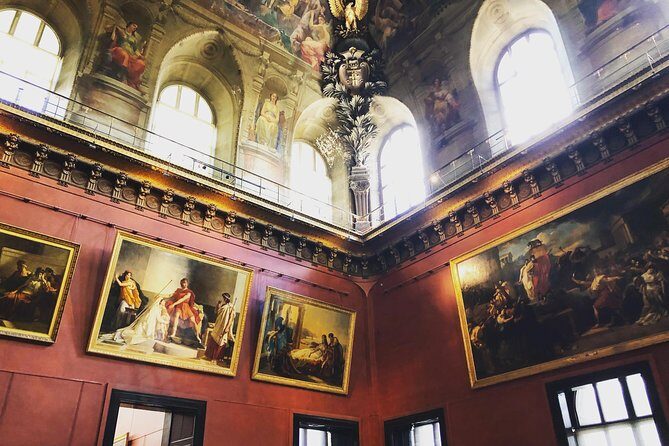
The price listed is $215.06 per person for about 2 hours 30 minutes. That’s not cheap, but it’s not random either.
What’s included:
- A professional guide
- Entrance fee for adults, listed as €28
- Admission ticket included for the museum entry
- Mobile ticket and an organized group experience (max 6)
What’s not included:
- Food and drinks
- Transportation to/from attractions
- Hotel pickup and drop-off
So where is the value? It’s in time. The Louvre punishes inefficient planning. Your money is paying for:
1) a smoother start at a clearly defined meeting point
2) guided navigation through a museum people often struggle to prioritize
3) access to the museum with the entrance covered, so you’re not solving ticket logistics while your day evaporates
If you were planning to wander on your own for the same 2–3 hours, you’d likely end up spending part of that time figuring out where to go next. This tour is designed to turn that time into looking and learning.
A Real Caution for Families: Keep the Tone in Mind
There’s one report in the information you were given that raises a serious concern: a guide reportedly leaned heavily into explicit sexual commentary, including remarks that the reviewer felt were inappropriate for a 14-year-old.
I’m not going to paper over that. If you’re traveling with kids or teens, tone matters as much as content. The same museum contains mature themes, myths, and nude figures. The question is how the guide frames it.
Practical advice: before you go, aim to confirm the kind of explanations the guide will use for your group. If you’re booking because you want art history and cultural context, say so plainly. If you’re booking with younger viewers, you should request a guide who can keep the discussion educational and age-appropriate.
Should You Book This Louvre Tour?
I’d book this if you:
- want a small-group Louvre experience where questions are realistic
- have limited time and want to see more than the Mona Lisa crowd
- care about getting explanations that connect artworks to meaning, not just dates and names
- like the idea of a guide tailoring the route to what your group wants
I’d think twice if you:
- need a consistently strict family-friendly tone for all topics
- plan to bring a stroller, large bag, or luggage (these aren’t accepted)
- expect a relaxed sit-down pace—this is built for walking, standing, and moving through a lot of space
If you fall in the first group, this tour’s main promise holds up: you spend your energy looking at art, not solving the Louvre puzzle.
FAQ
What’s the tour length?
It’s about 2 hours 30 minutes.
How big is the group?
The maximum group size is 6 travelers.
Where do we meet and start?
You meet at the statue of Louis XIV on a horse in front of the Louvre pyramid, starting from 8 Pl. du Carrousel, 75001 Paris.
What’s included in the price?
The price includes a professional guide and an adult museum entrance ticket listed as €28.
What should I know about bags and strollers?
Strollers and pushchairs cannot be accepted on group tours, and large backpacks or luggage are not allowed in the Louvre.
Is there a language limit, and can I get in for free with certain IDs?
The tour is offered in English. Free admission applies to visitors under 18 and EEA residents under 26 with valid ID and proof of residency.