REVIEW · PARIS
Louvre Museum Guided Tour with Artist
Book on Viator →Operated by That Time in Paris · Bookable on Viator
Great art gets easier with a guide. This Louvre Museum tour pairs a certified artist-guide with a smart hit-list of classics, so you spend your time on stories you can actually remember: the Mona Lisa, the Winged Victory of Samothrace, and the why behind the Louvre’s most famous modern landmark. I like the small group size (maximum 7 travelers, with tours capped at 6) because you can ask questions and not get swallowed by the crowd. I also like that it starts with real Paris art-infrastructure, from the Palais Royal–Musée du Louvre station design, then pivots to the Louvre Pyramid’s design drama. One possible drawback: in just about 2 hours, you’ll see the highlights, not the whole museum floor-plan maze.
You’ll meet at Le Kiosque des noctambules at Place Colette and finish inside the Louvre, which is a big practical win. You get a guided, story-led route first, then you’re free to wander at your own pace after the tour ends.
In This Review
- Key things to know before you go
- Why this Louvre tour uses an artist-guide (and why that matters)
- Stop 1 at Le Kiosque des noctambules: art you reach before you reach the museum
- The Louvre Pyramid with I.M. Pei: modern design, classic argument
- Inside the Louvre: a focused artist-route for Mona Lisa and Winged Victory
- What you’ll see
- How the time feels
- A personal detail that shows up in the experience
- Where the tour ends
- Pacing, crowds, and the small-group advantage
- Price and value: what $134.20 buys you
- How the itinerary fits together (and what you might miss)
- Who should book this Louvre guided tour with an artist
- Should you book this Louvre Museum guided tour with an artist?
- FAQ
- How long is the Louvre Museum guided tour with an artist?
- What’s included in the price?
- Where does the tour start, and where does it end?
- Is the tour offered in English?
- What are the main highlights you’ll see?
- How big is the group?
- What is the cancellation policy?
Key things to know before you go
- Small group format: max 7 travelers, designed for real questions, not one-way listening
- Artist-guided storytelling: art context explained in a way that sticks, not just a list of facts
- Two-part opening: the Palais Royal–Musée du Louvre station art stop plus the Louvre Pyramid’s design story
- Classic highlight plan: Mona Lisa and the Winged Victory of Samothrace are built into the route
- English tour: offered in English for a smoother experience if that’s your comfort zone
- Ticket included: museum entrance is part of the package price, so you’re not juggling add-ons
Why this Louvre tour uses an artist-guide (and why that matters)
The Louvre is famous for how much it has. The problem is time. With thousands of objects and endless corridors, a self-guided visit can turn into a sprint that ends with you remembering a smell of polished stone and a vague blur of paintings.
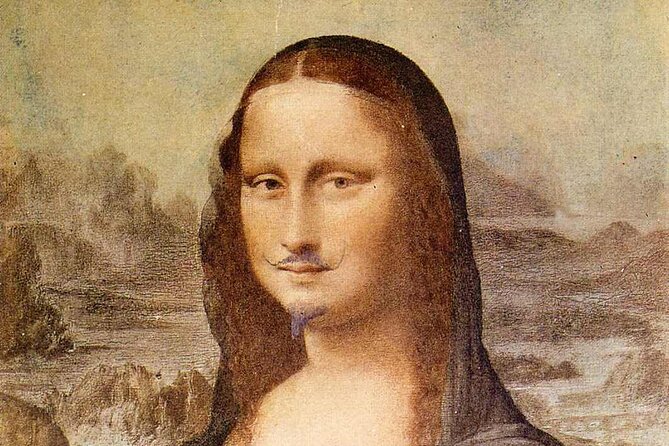
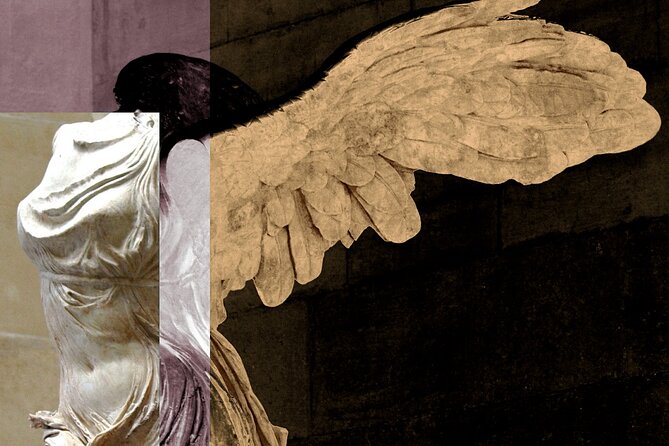
This is different because it’s built around an artist’s way of explaining art. Instead of only naming periods or donors, the guide focuses on what you’re seeing and how to read it: composition, symbolism, and the human choices behind the masterpieces. That approach is especially helpful for two of the Louvre’s biggest “I’ve heard of that” works—the Mona Lisa and the Winged Victory of Samothrace—because they’re both easy to recognize but harder to truly understand in a quick glance.
In the same spirit, the tour doesn’t treat the Louvre as only old paintings. It connects the museum to modern artistic thinking, starting with the station art outside the museum and the Pyramid design inside the Louvre complex.
You can also read our reviews of more tours and experiences in Paris.



Stop 1 at Le Kiosque des noctambules: art you reach before you reach the museum
The tour begins at Le Kiosque des noctambules, located at 12 Pl. Colette (Paris 1st). If you’ve ever been to the Louvre, you know the experience starts before you clear the museum gates. Crowds, stations, lines, and confusion can drain the first hour.
This opening stop uses a clever trick: you get a hit of art and symbolism before you’re stressed. The reason is Jean-Michel Othoniel. The Palais Royal–Musée du Louvre subway stop is designed by Othoniel, and the tour spotlights the visual language of his Murano glass–inspired structure. You get about 5 minutes here, with the admission ticket for this stop listed as free.
What I like about this start is that it warms up your eye. You’re not thinking yet about which gallery is where. You’re just learning how to look—color, form, and meaning—right as you enter the area that feeds into the Louvre.
A small caution: since this first stop is short, arriving on time matters. If you show up late, you’ll miss the point of this warm-up.
The Louvre Pyramid with I.M. Pei: modern design, classic argument
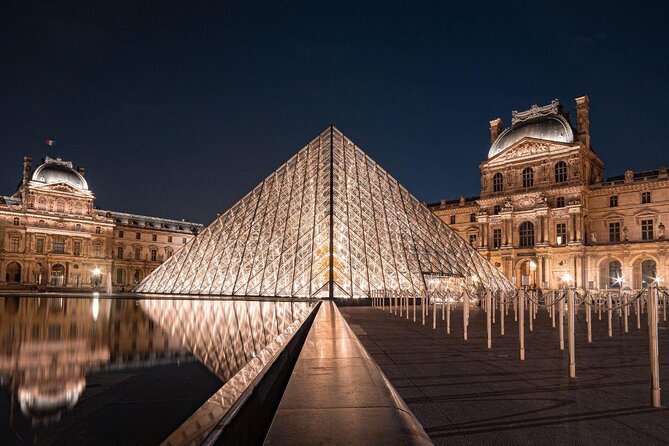
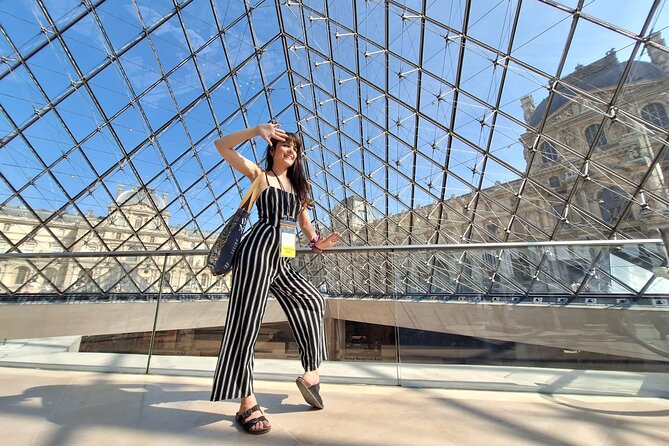
Next comes the Louvre Pyramid. This is the photo everyone knows, but not everyone understands. Here you’ll spend around 10 minutes admiring I.M. Pei’s Pyramid and learning why it caused controversy at the time. You’ll also hear how it became a point of inspiration for artists—specifically mentioned is JR.
That matters because the Pyramid isn’t just an entry monument. It’s a statement about visibility and access: how a museum of history can be reorganized through modern architecture. For your visit, it helps to know that context because the Pyramid sits right at the heart of the Louvre experience. When you understand the debate behind its design, you’ll feel less like you’re looking at a random landmark and more like you’re standing at a cultural pivot point.
Admission is included for this part of the tour, and the pacing is designed so you’re not stuck at the Pyramid forever. It’s enough time to look up, understand why it exists, and then move into the museum with clearer expectations.
Inside the Louvre: a focused artist-route for Mona Lisa and Winged Victory
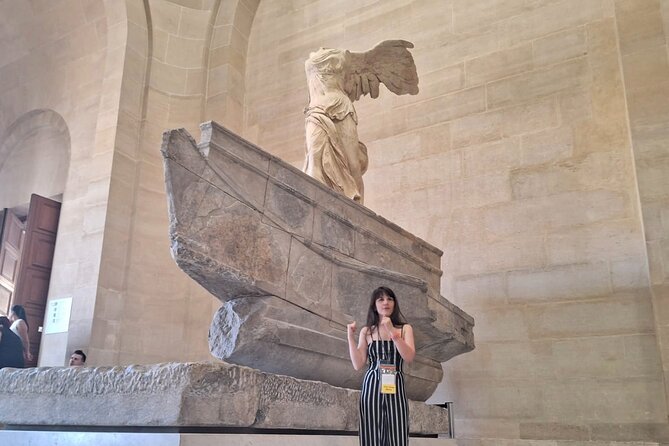
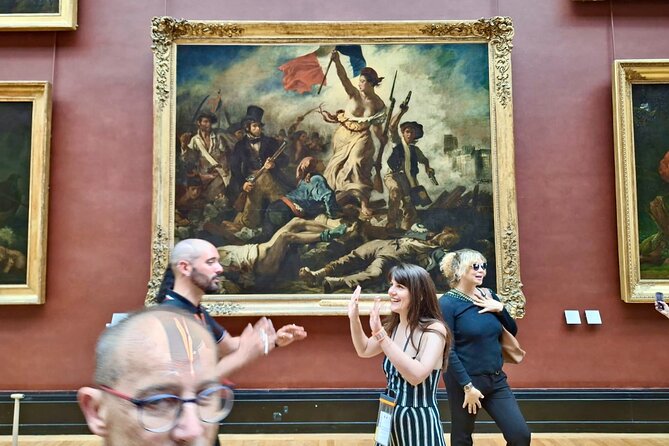
The main event is the museum portion: about 1 hour 40 minutes with the artist-guide. Entrance fees are included, and the tour is set up so you can actually get to the works that most people come for, without turning your day into a never-ending museum scavenger hunt.
What you’ll see
This tour explicitly includes two headline masterpieces:
- Mona Lisa
- Winged Victory of Samothrace
Those works are famous, but the value here is the guide’s ability to connect the objects to ideas you can follow. A certified artist-guide can explain how artists build attention—through pose, texture, lighting, and the “rules” they bend to create emotion. It’s the difference between recognizing a face and understanding why it has the power it has.



How the time feels
Two hours sounds short for the Louvre, and it is short. But it’s the right kind of short if your goal is to see the big highlights with real context. The structure of the tour keeps you moving while giving you enough pauses to actually process what you’re viewing.
You’ll also notice something practical: the guide’s job isn’t only explaining. It’s getting you through crowd flow. Even during busy periods, this kind of small-group planning can make the museum feel less like you’re trapped inside a maze and more like you’re navigating a collection with purpose.
A personal detail that shows up in the experience
The artist-guide you may have on the tour is often Blerta (based on real tour experiences shared). The standout theme is her ability to keep families engaged, answer questions in detail, and adapt the route when visitors need to focus on specific interests. If you’re visiting with kids or teenagers, that matters. The Louvre is not automatically kid-friendly, but a guide who can shift the tone and keep people involved changes everything.
Where the tour ends
This tour ends inside the Louvre’s halls. You finish your guided time first, then you can continue exploring the rest of the museum on your own. That’s a great setup because you’re not forced to “stay on schedule” for every gallery after the highlights.
Pacing, crowds, and the small-group advantage
This is a group tour, but it’s intentionally designed to feel intimate. The small group format is listed as no more than 6 guests per tour, and the overall maximum is stated as 7 travelers. Either way, you should expect a group size that allows for back-and-forth questions.
That’s the real advantage for the Louvre. Big tours move like trains. Small tours move like conversations.
You also have a duration that respects reality: roughly 2 hours. If you’re trying to squeeze in multiple Paris stops, that time box makes planning easier. If you only have one “Louvre block,” it keeps you from losing the day to museum overload.
One practical tip from how this tour is structured: wear comfortable shoes and plan for security and interior crowd flow. Even with a guide, your body will feel it if you show up in stiff footwear.
Price and value: what $134.20 buys you
The listed price is $134.20 per person, and the duration is about 2 hours. The package includes a €32 adult museum entrance ticket per person plus other included elements: all entrance fees, a 2-hour guided tour, a certified artist-guide, and a €20 right of speech per reservation.
Here’s how I think about value for this kind of tour:
- If you plan to see the Louvre’s biggest hits without getting lost, you’re paying for time saved and clear priorities.
- If you want explanations tied to what you’re looking at (not just signage), you’re paying for the human layer that helps masterpieces “click.”
- If you’re visiting during a busy stretch, you’re also paying for smoother routing through crowds, which can be more important than you expect.
Is it the cheapest way to see the Louvre? No. But it’s a good fit if you’d rather spend money to reduce stress and increase understanding, then keep exploring afterward on your own.
Also note that the tour is typically booked about 17 days in advance on average. That’s a sign it’s a popular option, likely because people want a high-ROI visit in a short time window.
How the itinerary fits together (and what you might miss)
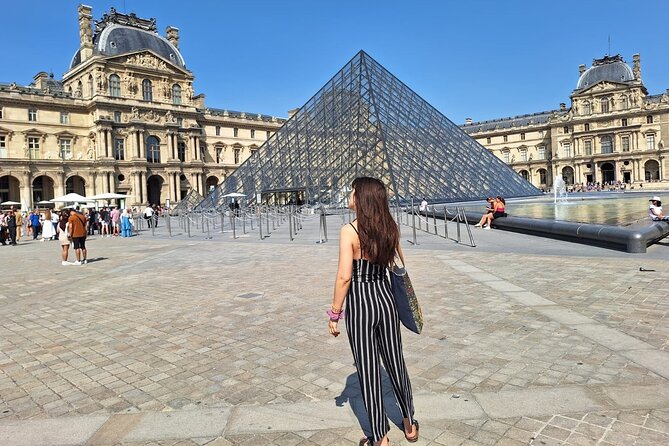
The route is built like an argument: start with an artistic environment, explain a modern landmark, then focus on classic masterpieces inside the museum.
- Station art at the start helps you learn how to look.
- The Pyramid gives you architectural context that changes how you interpret the museum complex.
- The museum highlights deliver the payoff: Mona Lisa and Winged Victory, explained through an artist’s lens.
What you might miss: if you want a deep, gallery-by-gallery coverage of everything the Louvre holds, this isn’t that. It’s a concentrated highlights tour. Think of it as the best “first pass” that builds your understanding for whatever you choose to see afterward.
And because the tour ends inside the Louvre, you’re not locked into a finished loop. You can follow your curiosity once you’ve got the lay of the land.
Who should book this Louvre guided tour with an artist
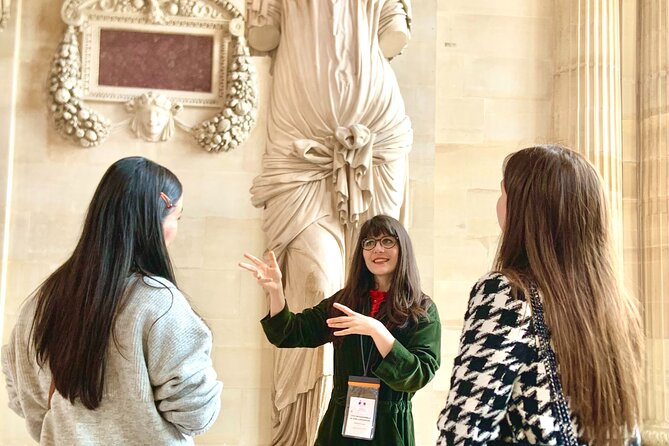
This tour is a strong match if you:
- Want to see key Louvre highlights without spending your whole day searching for them
- Prefer a small group where questions are actually possible
- Like art explained with an eye for meaning, not just dates
- Are traveling with kids or teens and need guidance that can keep them engaged
- Speak English and want a tour built for English-speaking visitors
The tour notes also say most travelers can participate. So unless you have very specific constraints, it should work for a wide range of trip styles.
If you’re an art superfan who already knows exactly which rooms you want and you love doing museum “marathons,” you might find this tour more satisfying as an add-on first visit. Use it to get oriented, then go wider afterward.
Should you book this Louvre Museum guided tour with an artist?
If your main goal is to leave the Louvre feeling like you truly understood what you saw—without wasting hours getting oriented—then yes, this is worth booking. The combination of artist-guided context, small-group pacing, and a route that hits the Louvre’s headline masterpieces gives you a high-impact visit in about 2 hours.
Book it especially if you want structure. The Louvre is too big to “wing it” well unless you’re okay with missing your top priorities.
If you’re the type who needs to see dozens of works in depth, or you want full museum coverage, you may prefer a longer, more expansive plan. But as a focused introduction that sets you up for successful wandering afterward, this one is a smart choice.
FAQ
How long is the Louvre Museum guided tour with an artist?
It runs for about 2 hours (approx.). The museum portion is listed at 1 hour 40 minutes, with shorter stops before that.
What’s included in the price?
The tour includes the 2-hour guided tour, a certified artist-guide, all entrance fees, and the museum entrance ticket for adults (listed as €32 per person). It also includes a €20 right of speech per reservation.
Where does the tour start, and where does it end?
It starts at Le Kiosque des noctambules, 12 Pl. Colette, 75001 Paris. The tour ends inside the Louvre Museum.
Is the tour offered in English?
Yes, it is offered in English.
What are the main highlights you’ll see?
The highlights called out are the Mona Lisa and the Winged Victory of Samothrace. The tour also includes stops focused on the Louvre Pyramid and the Palais Royal–Musée du Louvre station art.
How big is the group?
The tour is described as a small group with no more than 6 guests per tour, and it lists a maximum of 7 travelers.
What is the cancellation policy?
Free cancellation is available. You can cancel up to 24 hours in advance for a full refund, and changes made less than 24 hours before the start time aren’t accepted.