REVIEW · PARIS
Napoleon Bonaparte: Life & Legacy Guided Tour + Visit to his Tomb
Book on Viator →Operated by One Journey · Bookable on Viator
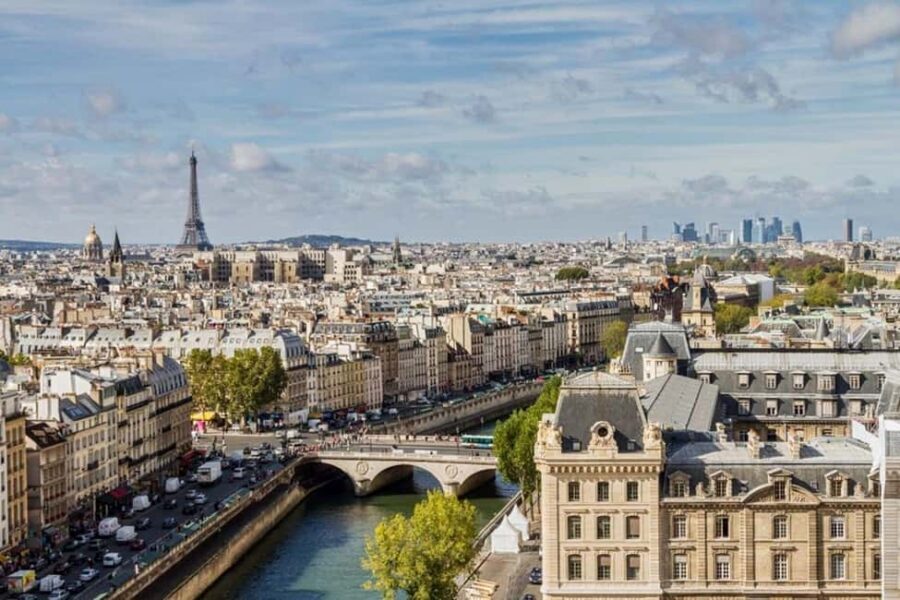
Napoleon’s footprint is everywhere in Paris. This guided walk strings together major monuments and key moments, so you see how one ruler shaped the city’s look and its national stories. You’ll start near the Place Vendôme column and end at Les Invalides, where Napoleon’s tomb anchors the whole visit.
Two things I especially like: the guide concierge service included before and after, and the fact that Army Museum entry is handled so you do not need to book tickets in advance. One thing to consider: this is a lot of walking in open streets, so plan for weather and wear shoes that can handle cobblestones.
In This Review
- Key highlights you’ll feel right away
- A Napoleon-themed walk that actually makes the monuments make sense
- Place Vendôme: start where Napoleon’s victories were turned into stone
- Rue de Rivoli and the Tuileries orbit: building a capital, not just a campaign
- Arc de Triomphe du Carrousel and the big Arc: why arches do political work
- Place de la Concorde: the darker layer behind the same city
- A quick Louvre link and a bridge tied to defenses: strategy in architecture
- Les Invalides: where the route turns from propaganda to a human story
- Guide style makes or breaks a walking history tour
- Practical tips so you enjoy every stop
- Is the price actually fair for what you get?
- Who should book this Napoleon Bonaparte tour?
- Should you book Napoleon’s Life & Legacy + Napoleon’s Tomb?
- FAQ
- What does the tour include?
- Is entry to the Army Museum included, and do I need to book in advance?
- How long is the Napoleon tour?
- Where do I meet, and where does it end?
- What time does the tour start?
- What is the group size limit?
- Do I need to handle transportation to the meeting point, and what if it’s canceled?
Key highlights you’ll feel right away
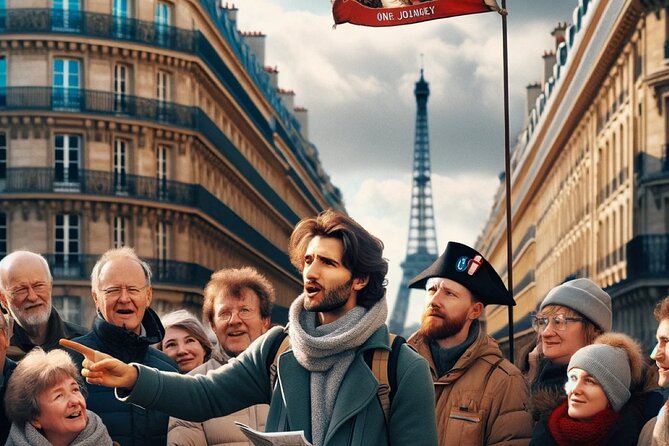
- Concierge-style help before and after your tour to sort out your Paris plans
- Les Invalides ticket included, including entry to the Army Museum and Napoleon’s Tomb
- 90 minutes guided on the street, then you switch to a self-paced museum visit
- Monuments as a timeline from Place Vendôme and Rue de Rivoli to the big Arc du Triomphe area
- Small group size with a maximum of 22 people
- Guides with personality, with examples from past tours including Elizabeth and Linda being praised for being friendly, punctual, and clear
A Napoleon-themed walk that actually makes the monuments make sense
Paris has plenty of statues. The difference here is the way the route connects them into a readable story. You’re not just looking at famous stonework—you’re learning why each place was built, what it celebrated, and how it was used later when France was telling different versions of the same national drama.
The walk is built around military power and urban planning. You start with obvious propaganda (columns, arches, ceremonial streets). Then you move into places that show how politics and public memory shift over time—especially as you get closer to Les Invalides, which is both a museum and a place of burial honor.
If you like your history with real-world context—why a monument exists, how it was meant to be seen, and what it meant in the moment—this format works well. The guide helps you connect the dots fast. And once you reach the museum, the self-guided time gives you breathing room to linger where your curiosity leads.
You can also read our reviews of more tours and experiences in Paris.


Place Vendôme: start where Napoleon’s victories were turned into stone
Your tour begins at Place Vendôme, home to the Vendôme Column—an instantly recognizable landmark because it’s all about victory imagery. The column’s bas-reliefs are designed like a visual narration. As you walk the square with your guide, you’ll understand how Napoleon used art and architecture to package military success into something citizens could read without needing a textbook.
This is a smart opening because it sets the “language” you’ll see again and again: power shown through public display. The column isn’t subtle. It’s meant to impress, and that’s exactly why it’s useful for understanding the rest of the route.
One small practical tip: look up and then look sideways. The details are easier to catch when you’re standing at a distance first, then moving closer to spot the finer carving. A guided moment here helps you know what to focus on before you get lost in the scale of it all.
Rue de Rivoli and the Tuileries orbit: building a capital, not just a campaign
Next up is Rue de Rivoli, a grand avenue associated with Napoleon’s push toward European prominence. Even if you only catch pieces of the street from sidewalks, the point is clear: Napoleon didn’t just win battles; he also shaped the city’s growth through major urban moves.
From there, the route heads toward the Tuileries Garden. Think of it as the calmer side of power. This garden sits in the orbit of the royal and imperial palaces, and it reads like a former backyard turned public pause. It’s a nice change of pace after the busier monument stops, and it helps you reset before the larger commemorative structures.
In past tours, guides such as Elizabeth have been praised for being personable and strong at explaining what you’re seeing, not just naming it. That kind of guiding matters here. Rue de Rivoli and the Tuileries area can feel like “more streets and more buildings” unless someone points out what to notice.
Arc de Triomphe du Carrousel and the big Arc: why arches do political work
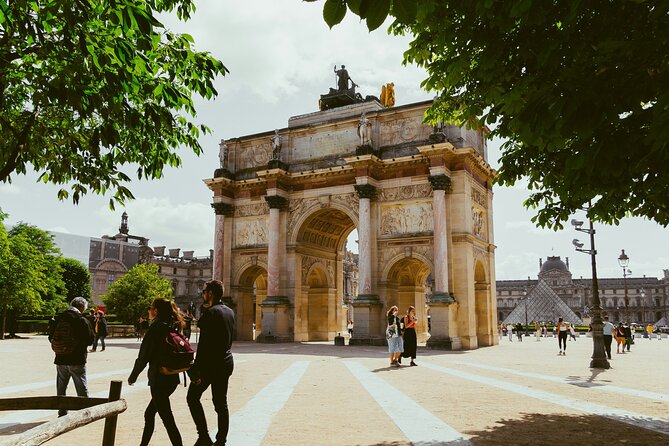
You’ll pass through the Arc de Triomphe du Carrousel area, originally planned as a grand entrance to the Tuileries Palace. That’s an important detail: it’s not only a monument to victories, it’s also about framing movement—how people enter ceremonial spaces and how rulers stage their presence.
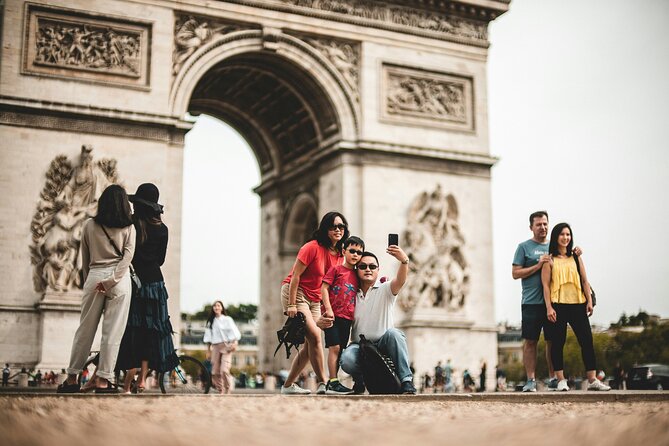
Then you reach the wider Arc de Triomphe zone, the famous symbol of French pride and military glory. Here you also learn how its role extended beyond Napoleon’s lifetime, including its place in the funeral procession. That turns the arch from “just a photo spot” into something with emotional and political weight.
If you’re the type who likes to know what’s behind the postcard view, this section delivers. The guide helps you spot the difference between monuments built for a leader’s image and monuments that later get absorbed into broader national narratives.
Practical note: arches and major monuments usually mean crowds and waiting. This tour keeps the movement active, but you should still expect some stop-and-look time.
Place de la Concorde: the darker layer behind the same city
Place de la Concorde is one of those places that makes you pause. The square carries complex layers of French history, including royal execution memories and later pop-culture portrayals of Napoleon’s era.
This stop gives balance. The route earlier leans toward triumph and grandeur. Concorde brings the moral math back into view—because you can’t talk about Napoleon without discussing what France endured during and around his rise and rule.
It’s also a good moment to slow down and think. The guide’s job here is to connect the dots without turning the story into a single moral verdict. You get a sense of how public spaces can hold competing meanings, sometimes at the same time.



A quick Louvre link and a bridge tied to defenses: strategy in architecture
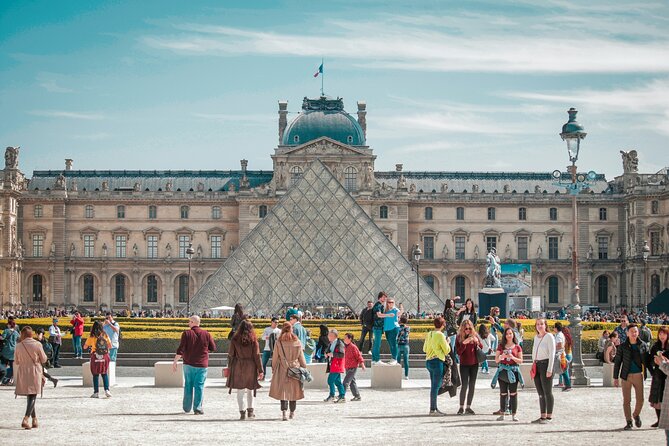
At one point, you’ll make a brief detour toward the Louvre area, once associated with the idea of a Napoleon Museum. Even if you don’t do a full museum visit, the point is clear: Napoleon’s influence stretched into how art and public education were framed.
Then you cross a historical bridge linked to Napoleon’s strategic military defenses around the Tuileries Palace. You’re basically seeing a “supporting character” in the drama—defensive planning. It’s the less glamorous part of empire-building, but it’s also the part that explains why rulers cared about more than parades and statues.
These two quick moments work best if you treat them like bookmarks. Don’t expect a full deep history lecture at the bridge. Instead, let them broaden your mental map: power is visible in grand design, but it’s also protected through planning and control.
Les Invalides: where the route turns from propaganda to a human story
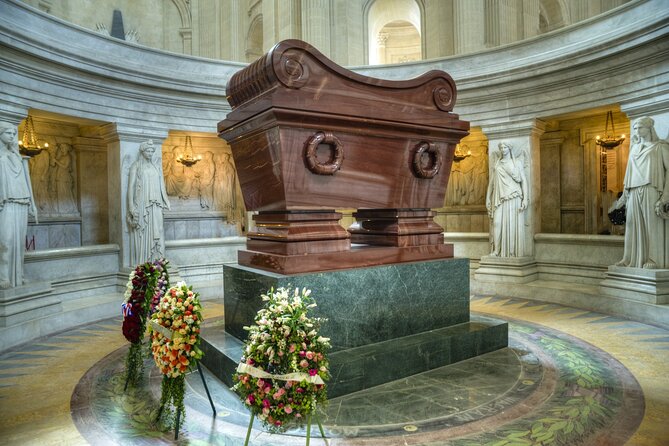
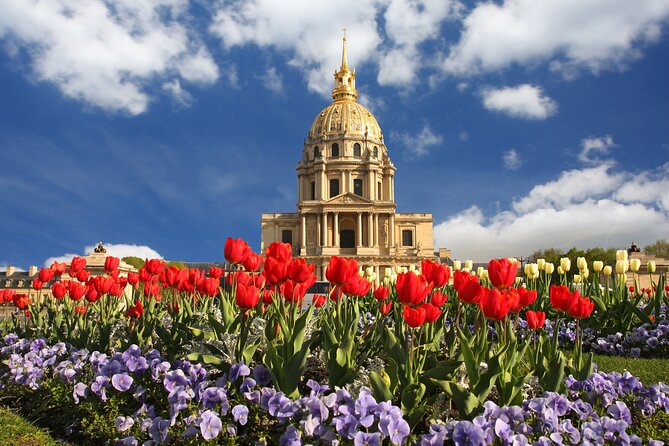
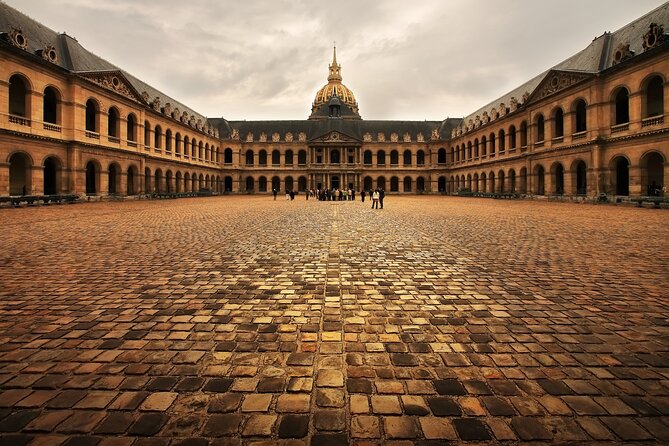
The final stop is Les Invalides, and this is where the tour earns its place. You get entry to the Army Museum, plus the chance to visit Napoleon’s Tomb. That combination matters because a tomb is not the same thing as a monument. A tomb asks for reflection, not only admiration.
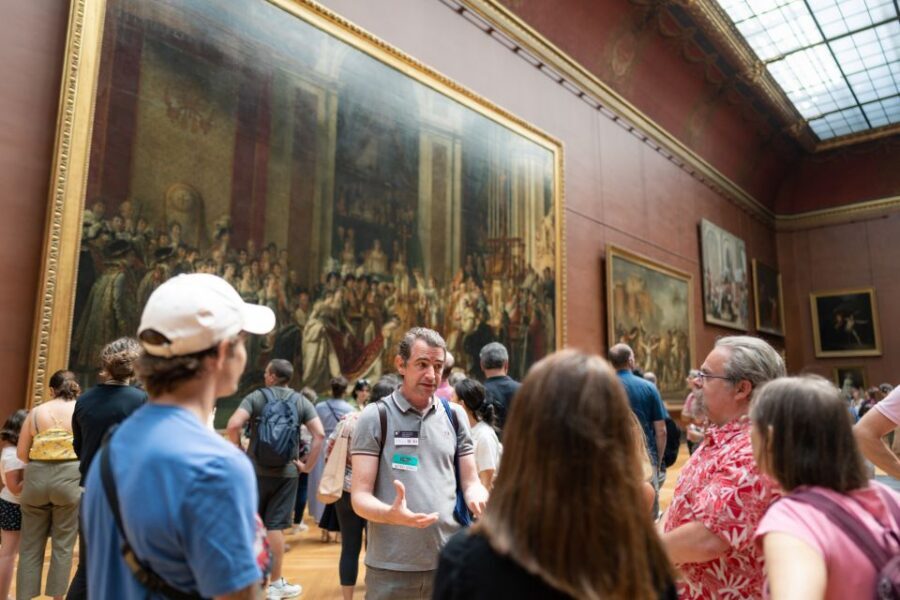
Inside the Army Museum, you get both structure and freedom. You’ll have 90 minutes of guided exploration focused on Napoleon’s military victories and his influence on Paris. After that, you’re on your own inside the museum, which is a great way to handle your own pacing.
Self-guided time is a smart value play. Some people want to read every label. Others just want to see key items and keep moving. This format gives you that choice without cutting out the benefit of having a guide explain the big picture first.
If you’re trying to decide whether to do a Napoleon-only museum day or this guided walk plus museum combo, this is the reason to pick the combo. The street portion helps you understand what you’re looking at. Then Les Invalides gives you the emotional and historical payoff.
Guide style makes or breaks a walking history tour
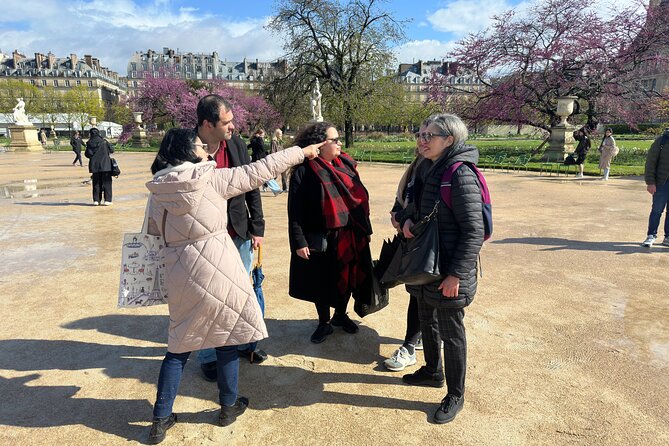
A walking tour can get repetitive fast if the guide is reciting facts at you. What helps here is the support structure: a concierge-style guide service is included to answer your Paris questions pre and post trip. That means you’re not stuck guessing about where to go next once the tour ends.
Past guides on this program have been praised for specific behaviors. Elizabeth has been described as knowledgeable and personable, which is exactly what you want while you’re moving between monuments. Linda has been praised for being friendly and for enthusiasm that made key sites easier to connect. One standout detail from Linda’s experience: she contacted people about 10 minutes ahead to check they were ready. You should not count on every guide doing the same thing, but it’s a good sign of how seriously some guides treat punctual meeting time.
Group size also matters. With a maximum of 22 people, you usually get a better chance to hear explanations and keep up without feeling like you’re in a crowded slow-moving line.
Practical tips so you enjoy every stop
- Bring water, especially if the weather is warm. This tour covers a lot of ground in a few hours.
- Wear comfortable shoes. Cobblestones and frequent stopping add up.
- If you care about photos, take one “wide shot” first at each major monument, then go in for the details your guide points out.
- For the museum time, decide in advance what you want most: Napoleon’s Tomb, then major artifacts, then whatever catches your eye. The self-paced portion is your chance to steer.
- Be weather-aware. The tour notes that it requires good weather, and that’s realistic for a walking format.
Is the price actually fair for what you get?
At $52.10 per person, this is priced like a mid-range walking-and-museum combo rather than a cheap sightseeing add-on. Here’s why I think the value is solid:
You’re paying for (1) a guided exploration on the street, (2) museum entry that you do not need to pre-book, and (3) time inside Les Invalides with the benefit of a guide’s context first and your own pace second.
If you were to separately arrange a guided walk, then also buy museum tickets, the total usually climbs quickly. Even without doing mental math too hard, the big win is that you avoid that extra planning step for museum entry. That reduces stress—especially on a first trip to Paris.
Who should book this Napoleon Bonaparte tour?
I’d point you toward this tour if you:
- Want Napoleon’s Paris story in a single organized package
- Prefer guided orientation plus self-paced museum time
- Like monuments, but you also want to know why they were built and how they were used
- Plan to visit Les Invalides anyway and want a smarter way to do it
I’d think twice if you:
- Hate walking or struggle with longer outdoor stretches
- Want only museum time and would rather skip the street stops
- Are looking for a deep, academic lecture for every monument (this is more street-to-tomb storytelling than a university seminar)
Should you book Napoleon’s Life & Legacy + Napoleon’s Tomb?
Yes, if your goal is to connect the dots between Napoleon and the Paris you can still see today. This tour does a nice job of moving from triumph imagery to a reflective endpoint, and it doesn’t leave you trapped with a rigid schedule once you reach the museum.
Skip it only if you’re mainly a “sit and read” museum person and you’d rather spend your hours inside Les Invalides with no walking between landmarks. Otherwise, the combination of included entry, guided street context, and time at Napoleon’s Tomb is a practical, high-impact way to spend a half-day in Paris.
FAQ
What does the tour include?
It includes an admission ticket to Les Invalides, a guide concierge service to answer your Paris questions before and after your trip, 90 minutes of guided exploration, and a self-guided visit inside the Army Museum.
Is entry to the Army Museum included, and do I need to book in advance?
Yes. Entry to the Army Museum is included, so you do not need to book tickets in advance.
How long is the Napoleon tour?
The tour runs about 2 to 3 hours.
Where do I meet, and where does it end?
You start at Boucheron, 26 Place Vendôme, 75001 Paris, and the tour ends at Hôtel des Invalides, 75007 Paris.
What time does the tour start?
The start time is 11:00 am.
What is the group size limit?
The maximum group size is 22 travelers.
Do I need to handle transportation to the meeting point, and what if it’s canceled?
Transportation to the meeting point is not included. If the experience is canceled due to poor weather, you’ll be offered a different date or a full refund. If it’s canceled because a minimum number of travelers isn’t met, you’ll be offered a different date/experience or a full refund. You can also cancel for a full refund up to 24 hours in advance.