REVIEW · PARIS
NoDietClub – A selection of the best Japanese food in Paris
Book on GetYourGuide →Operated by NO DIET CLUB · Bookable on GetYourGuide
Three hours, five Japanese bites, zero boredom. This tour is a lively way to hunt for the best Japanese food in Paris without getting stuck in tourist traps, and it’s built for social eating. I like the small group setup (up to 8), which keeps the vibe friendly and the pace manageable.
I love the take-away style tastings—you get to eat as you go and walk away with addresses to return to later. I also love the guide energy: names you may hear on different days include Rachel, Nathalie, and Flavie, and they focus on explaining the foods (plus some deliberately bad jokes).
One drawback to plan around: the tour is mainly outdoors and the tastings are often mainly take-away, so you’ll want to dress for the weather and be ready for on-the-go meals instead of sit-down dining.
In This Review
- Key things to know before you go
- What a Japanese food tour in Paris should feel like
- The five tastings you’ll be chasing (and why they matter)
- How the guide makes (or breaks) a food tour
- The outdoor, take-away style: what to expect day-of
- Value check: is $53 a fair deal for Japanese food in Paris?
- What this tour is really best at (and not best at)
- Who should book this Japanese food crawl
- Final verdict: should you book NoDietClub?
- FAQ
- How long is the NoDietClub Japanese food tour in Paris?
- What is the price per person?
- Is food included?
- What Japanese dishes are included?
- Is the tour mainly outdoors?
- Are the tastings take-away or sit-down?
- How big is the group?
- What languages are the guides?
- Are vegetarians welcome?
- Can I cancel, and can I pay later?
Key things to know before you go
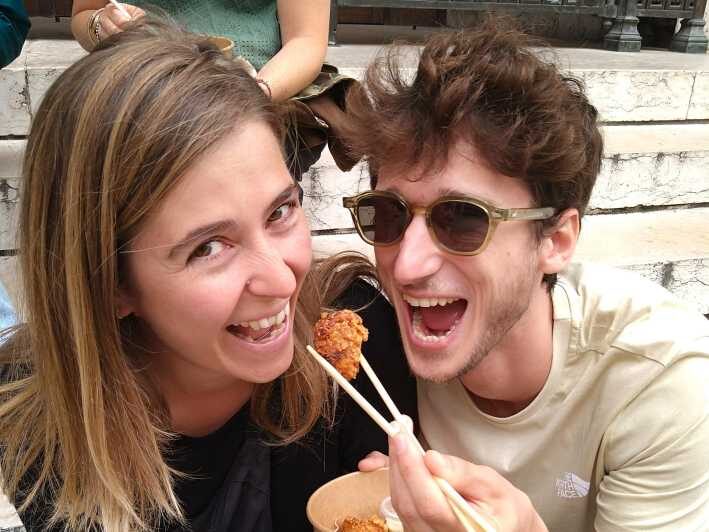
- Five Japanese classics in one crawl: gyoza, takoyaki, onigiri, karaage, mochi
- Mostly take-away tastings with addresses you can use later
- Small group, international mix: you should meet people from around the world
- Vegetarians are welcome (so it’s not only for meat-eaters)
- Fun guide approach with food stories and funny bad jokes
- Tastings can vary by season, so it stays fresh
What a Japanese food tour in Paris should feel like
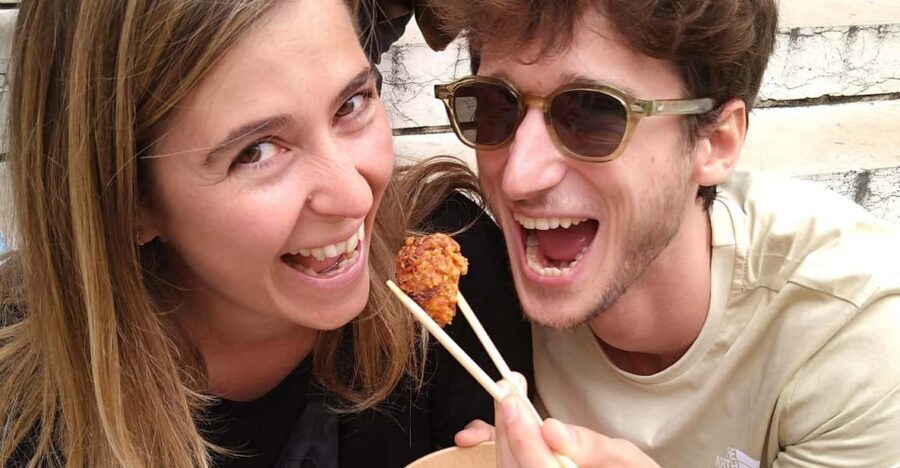
If you only have a short window in Paris and you want Japanese food that actually tastes like it belongs there, this is the kind of tour that makes sense. It’s not built around long explanations or museum pacing. It’s built around eating—sharing bites, learning quickly, and keeping momentum for about 3 hours.
You also get a helpful structure for decision-making. Paris has plenty of Japanese spots, but picking the right one can be stressful when you’re hungry. This format narrows the choices for you, because the guide takes you through a tight selection of recommended places.
And there’s a social bonus. The small group limit (up to 8 participants) matters. In a group that size, you can actually talk to people, ask questions, and swap mini-recommendations as you go.
You can also read our reviews of more food & drink experiences in Paris



The five tastings you’ll be chasing (and why they matter)
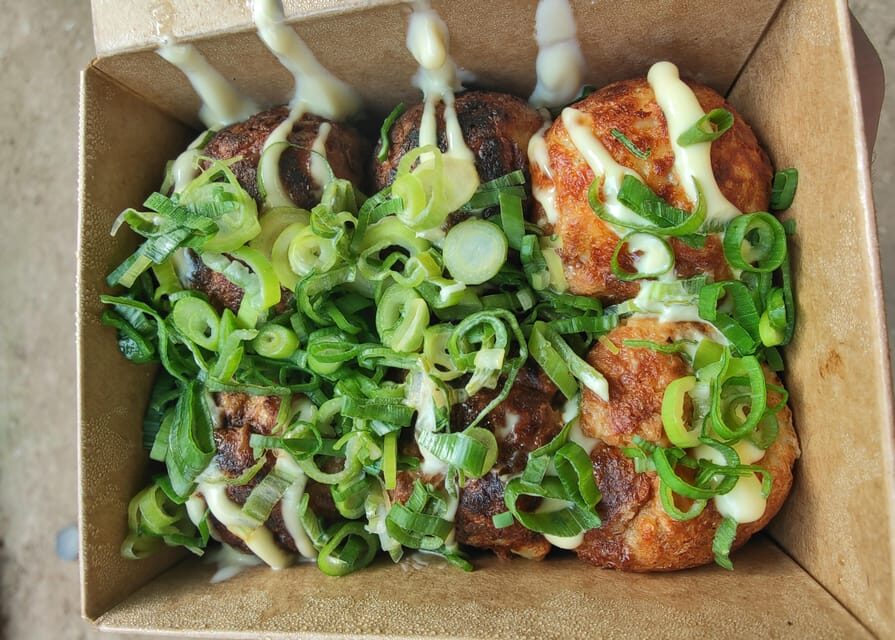
The tour includes tastings of five main items: gyoza, takoyaki, onigiri, karaage, and mochi. Even if you’ve had Japanese food before, this mix is smart because it covers different textures and styles—dumpling, snack, comfort rice, fried chicken, and a chewy dessert finish.
One tour stop is all about gyoza—small dumplings that are usually pan-fried so you get a crisp edge and a tender inside. For you, that means an easy “first bite win,” especially if you like savory comfort food. It’s also the kind of dish you can remember later when you’re deciding where to eat again.
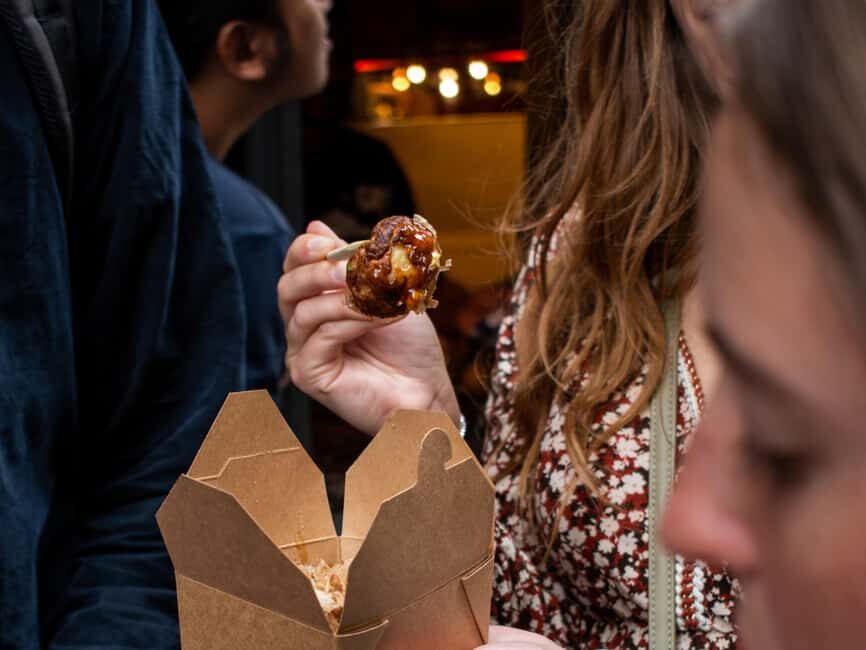
Another stop focuses on takoyaki, those ball-shaped bites often known for a gooey, sauce-friendly center. If you enjoy handheld street-food energy, you’ll probably love this moment. It’s also a good item to share because you can compare flavors and texture quickly with your group.
Then comes onigiri, the rice triangle or compact rice snack that’s simple but satisfying. It’s a great contrast to fried or dumpling-heavy moments because it resets your palate. And it teaches you something useful: Japanese comfort food isn’t always about elaborate dishes.
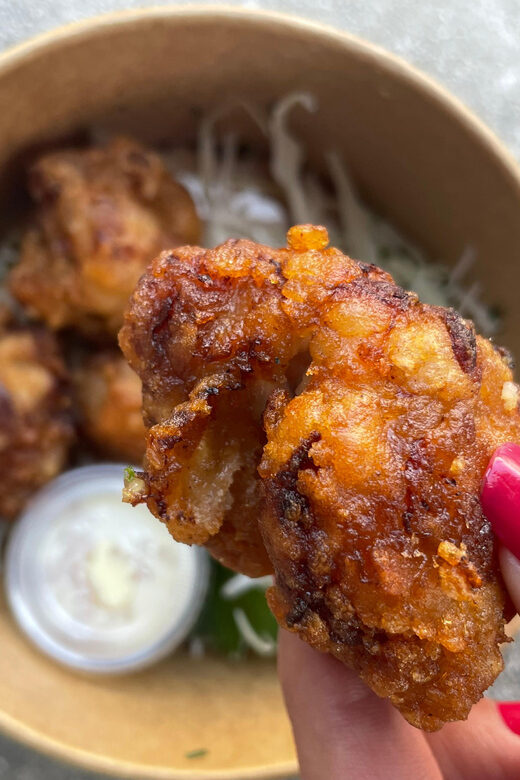
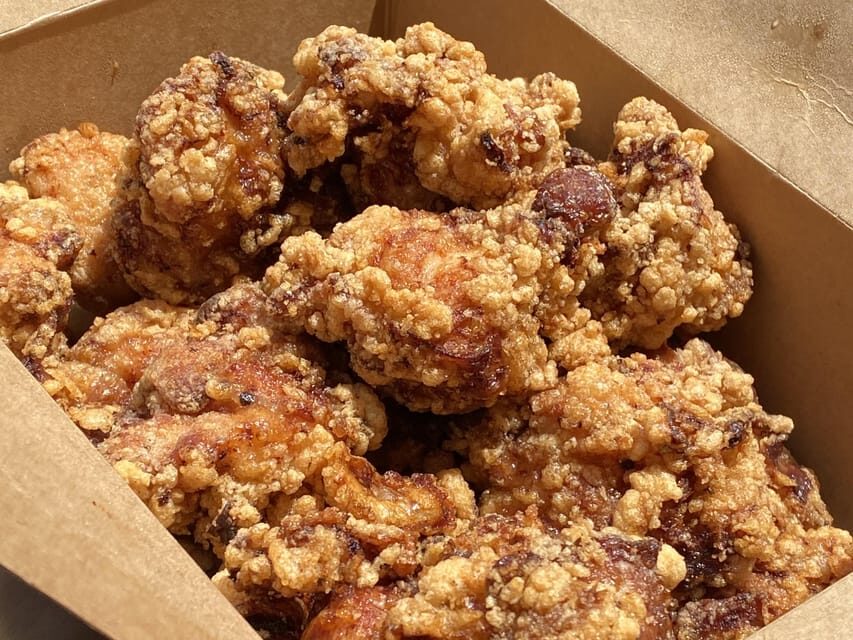
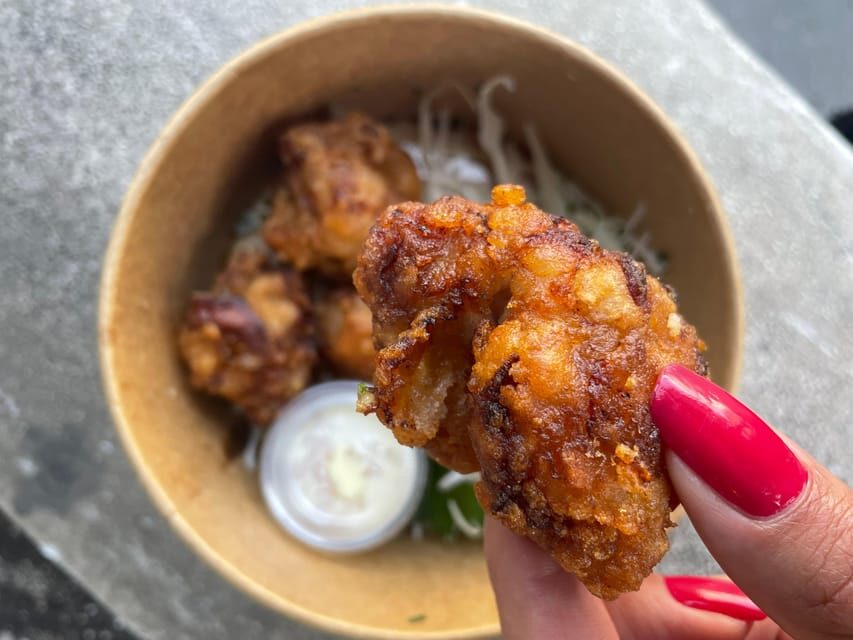
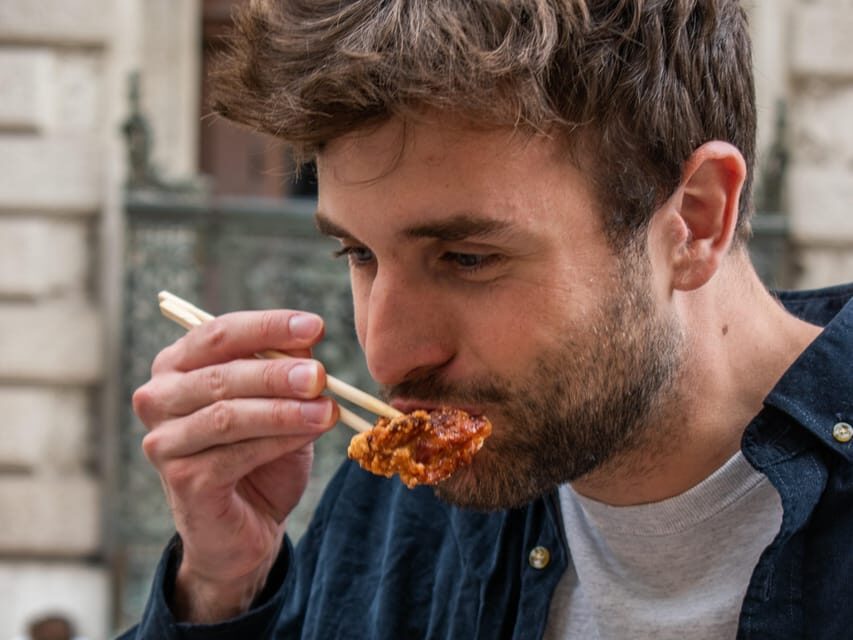
A stop for karaage brings fried chicken into the picture, usually with a crunch that gives you that satisfying bite-and-chew rhythm. This is the part where you’ll likely feel like you’ve really “eaten a meal,” even though everything is structured as tastings. It’s also a good check for how seriously a place takes frying technique.
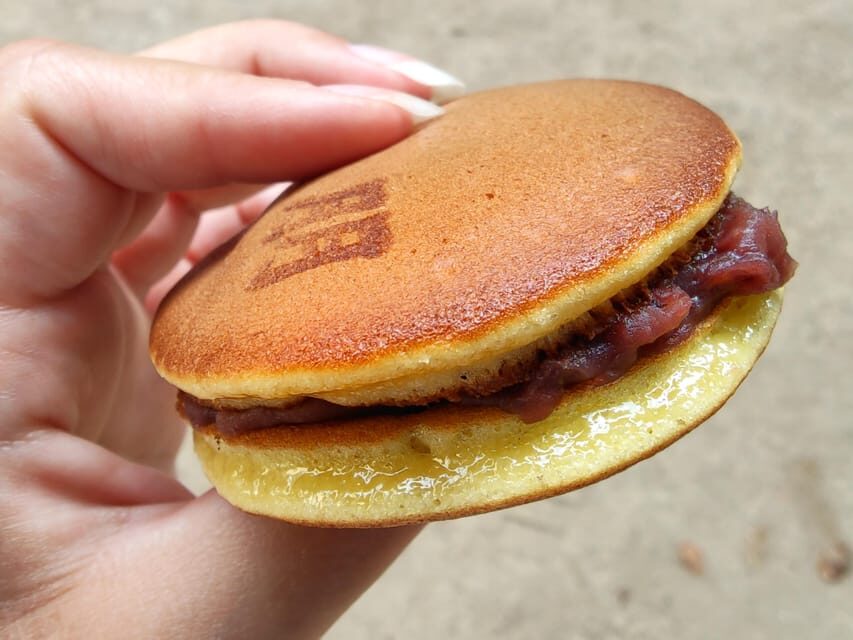
Finally, you end with mochi, which is all about that chewy, sticky-soft texture. Dessert on a food tour is most fun when it feels like it belongs to the food theme, not like an afterthought. Mochi does that well, especially because it’s compact enough to enjoy without feeling stuffed.
One more detail that helps: tasting may vary with the seasons. That doesn’t mean the experience is random—it means you might catch slightly different versions or local variations depending on timing. For repeat visitors, that makes the tour less repetitive.
How the guide makes (or breaks) a food tour
This is the biggest reason I see these tours work so well when the guide is sharp. Here, the guide role goes beyond handing you food. You get an explanation for each plate and anecdotes tied to Japan, which gives you a framework for what you’re eating and why.
In the reviews, guides like Rachel, Nathalie, and Flavie come up as particularly warm and engaging. That matters because Japanese food can feel familiar but still confusing if you don’t know what to look for—crispness, sauce balance, texture differences, and how the item is meant to be eaten.
I also like that the tour keeps the tone light. It’s built to be fun, including funny (bad) jokes. If you’ve ever been on a “food tour” that felt like a lecture, you’ll probably appreciate that this one doesn’t go there. It’s also explicitly not a historical tour, so you won’t be stuck sitting through long speeches.
The guide also helps with a very practical outcome: you don’t just eat and leave. You should walk away with a list of serious recommendations in Paris. Because the tastings are mainly take-away, you’re not only tasting—you’re collecting usable addresses for later.
The outdoor, take-away style: what to expect day-of
This tour takes place mainly outdoors, and the tastings are often mainly take-away. That’s not a minor detail. It changes how you should plan your body and your outfit.
Wear shoes you trust. You’ll be moving at a walking pace rather than sitting through courses. Also bring something practical for the weather, because “mainly outdoors” means you’ll feel the conditions more than you would in a fully indoor itinerary.
For food, think quick-and-share. Take-away tastings are convenient, but they’re also best enjoyed right away. That’s why the timing and guide pacing matter; you’re not meant to wander and snack whenever you feel like it. You’ll generally eat in a guided flow.
Another practical plus of take-away: you can often continue your day right afterward. If you’re doing other sightseeing, you don’t need a long sit-down meal to make the tour feel complete. You leave satisfied, and you still have energy for walking.
Value check: is $53 a fair deal for Japanese food in Paris?
Let’s talk money plainly. The price is $53 per person for about 3 hours, and all food is included. In Paris, that’s where food tours either feel worth it or not worth it. What makes this one feel like a better value is that you’re not just buying a snack—you’re getting multiple Japanese specialties in one go, plus the guide’s help in choosing where to go next.
You’re also paying for the sorting. Instead of spending time searching Google, comparing reviews, and guessing what you’re ordering, you get a guided selection of places that focus on Japanese food. That sorting time is real value, especially if you’re traveling on a tight schedule.
The small group limit also improves value. In bigger groups, you often spend time waiting. In this format (up to 8), you’re more likely to get attention, ask questions, and keep the pace moving.
The only time I’d hesitate is if you hate walking or if you specifically want a sit-down meal with drinks and a slow pace. But if you’re flexible and want to eat your way through Japanese favorites while learning fast, $53 can feel like a fair trade.
You can also read our reviews of more tours and experiences in Paris




What this tour is really best at (and not best at)
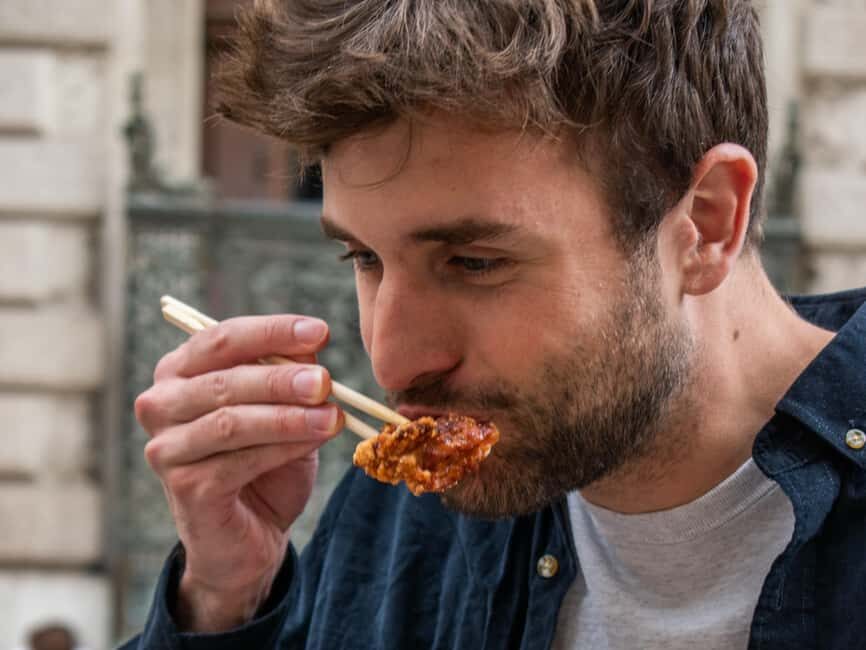
This tour is built for eating, meeting people, and collecting recommendations. It’s designed to help you avoid tourist traps by steering you toward places that actually serve good Japanese food. It’s also clearly aimed at fun over formality.
It’s especially good if you want a mix of street-snack energy and comfort-food variety. The menu selection touches multiple categories—dumplings, savory balls, rice snacks, fried bites, and chewy dessert—so you’re not stuck eating just one style of Japanese food.
It’s also a strong choice for groups who like social travel. You’ll meet new friends from all around the world, and the conversation comes naturally when you’re sharing bites with people who have different culinary backgrounds.
What it is not: it’s not a history-focused walk, and it’s not built around long speeches. If you crave deep cultural lectures or museum-level storytelling, you may find the format too light. Think “food-first guide,” not “classroom tour.”
Who should book this Japanese food crawl
I’d book it if you’re:
- On your first days in Paris and want quick culinary wins
- Curious about Japanese snacks beyond sushi
- Traveling with friends and want a shared food moment
- Looking for a small-group vibe that helps you talk to other people
- Interested in vegetarian options, since vegetarians are welcome
I’d be cautious if you:
- Want a fully indoor, sit-down dining experience
- Are very sensitive to weather, since it’s mainly outdoors
- Want a history-heavy tour rather than a food-centered one
Final verdict: should you book NoDietClub?
Yes—if you want an easy, fun way to eat multiple Japanese specialties in Paris with a guide who explains what you’re tasting. The core value is simple: five included Japanese favorites in about 3 hours, in a small group that makes it social, with take-away tastings plus a usable list of addresses afterward.
It also helps that the guide experience seems consistently strong in different languages, with real people like Rachel, Nathalie, and Flavie highlighted for warmth and sharing stories. And if you like your food tours to be lively rather than lecture-style, this matches that vibe.
If you’re hungry, short on time, and want Japanese food in Paris without guessing, this is a solid bet.
FAQ
How long is the NoDietClub Japanese food tour in Paris?
It lasts 3 hours.
What is the price per person?
The price is $53 per person.
Is food included?
Yes. All food is included.
What Japanese dishes are included?
You’ll have tastings of gyoza, takoyaki, onigiri, karaage, and mochi.
Is the tour mainly outdoors?
Yes, it takes place mainly outdoors.
Are the tastings take-away or sit-down?
The tastings are mainly take-away, so you can pick up addresses afterward.
How big is the group?
It’s a small group, limited to 8 participants.
What languages are the guides?
The tour offers a live guide in English and French.
Are vegetarians welcome?
Yes. Vegetarians are welcome too.
Can I cancel, and can I pay later?
There is free cancellation up to 24 hours in advance for a full refund, and you can reserve now & pay later.