REVIEW · PARIS
Orsay Museum Private Guided Visit
Book on Viator →Operated by Paris in person · Bookable on Viator
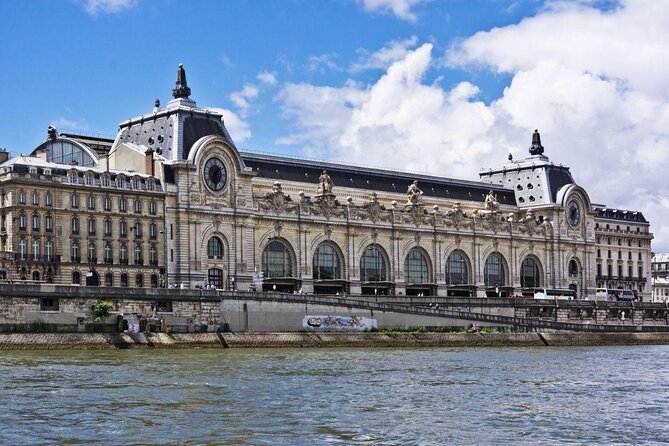
Orsay has a way of slowing you down. This private visit is built around the museum’s huge Impressionist collection, plus an art historian guiding you through what matters most. You’ll start at Musée d’Orsay (75007) and focus on French masterpieces rather than trying to cover everything on your own.
I especially love that you get a personal art historian guide who can point out what you’re looking at, not just what it is. I also like the tight 2-hour format, which helps when crowds and museum fatigue would otherwise take over.
One thing to consider: while many people mention smooth entry and helpful pacing, one account described a timing mix-up tied to the promised skip-the-line experience. So it’s smart to double-check your exact start time and entry expectations before you go.
In This Review
- Quick hits
- Musée d’Orsay in two hours: what you’re really buying
- Entering the museum with a plan, not a wander
- The Impressionist highlights you’ll actually connect with
- Why Orsay feels different from the Louvre (and why that matters)
- Your art historian guide: Bella, Tina, Boris, Barbara, Mila
- Crowds, timing, and the skip-the-line question
- Price check: is $300.35 per person worth it?
- Logistics that matter: where you meet and what you bring
- Who this private Orsay visit is best for
- Should you book this Orsay private guided visit?
- FAQ
- Where does the Orsay museum private guided visit start?
- How long is the private guided visit?
- Is this tour private or shared?
- What language is the tour offered in?
- Is museum admission included in the price?
- Do I need to bring food or drinks?
- Do I receive a ticket on my phone?
- When will I get confirmation after booking?
- Is there free cancellation?
Quick hits
- Private, English-guided visit with admission included for Musée d’Orsay
- World-class Impressionism: Van Gogh, Renoir, Monet, and more
- A real art historian guide, with different guides named in past experiences (Bella, Tina, Barbara, Boris, Mila)
- 2 hours feels focused, not rushed, especially if you like highlights with context
- Crowd timing can matter, even with private tours
Musée d’Orsay in two hours: what you’re really buying
You’re paying for focus. Musée d’Orsay can feel like a lot—big rooms, famous names, and more brushwork than your brain can catalog. This private format turns the museum into a guided storyline: you walk in, you’re pointed toward key works, and you learn how to look at them.
What makes this visit especially appealing is the museum’s clear identity. Orsay is often described as the second great museum of Paris, with a collection that’s almost entirely French art. That matters because it changes your experience. Instead of bouncing between categories all over the map, you get a strong “this is France” lens—through Impressionism and related movements.
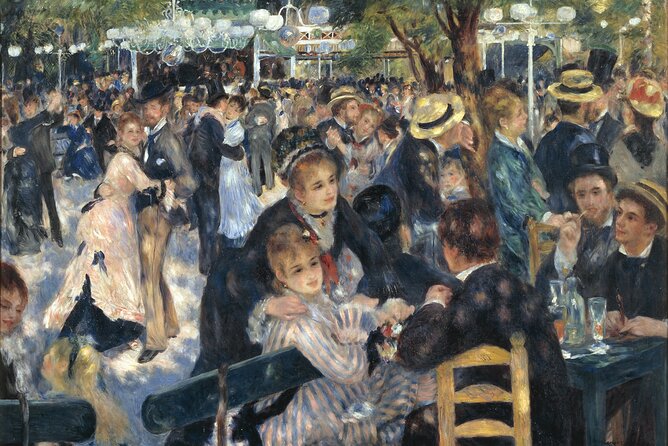
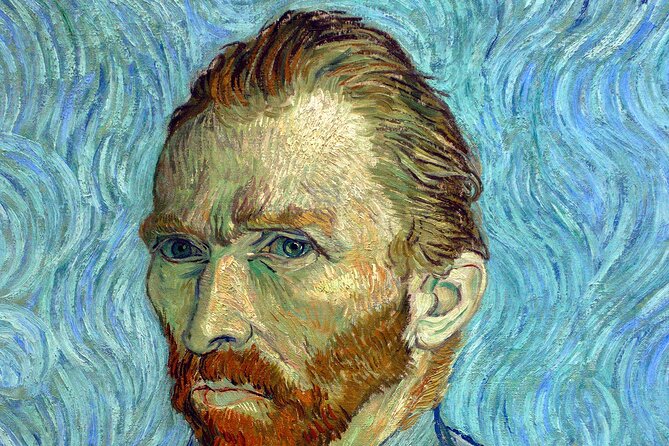
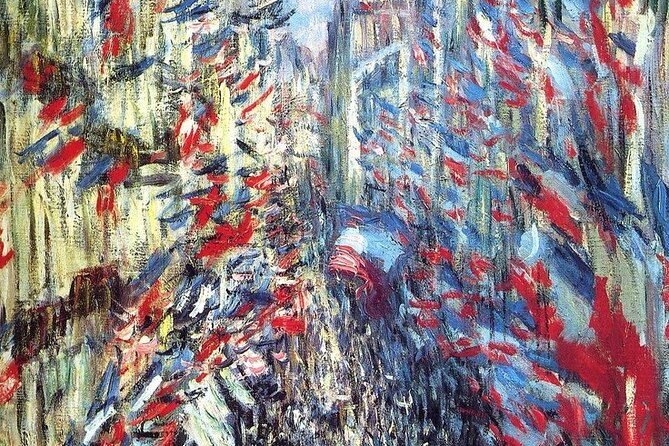
And yes, it’s Impressionism-heavy. This is one of the best places in Paris to see the genre at full strength. You’ll run into major figures like Van Gogh, Renoir, and Monet, plus a lot of surrounding artists that help Impressionism make sense rather than just impress you.
You can also read our reviews of more tours and experiences in Paris.



Entering the museum with a plan, not a wander
Your tour runs about 2 hours (approx.). That’s a sweet spot for people who want real learning without turning the day into a museum marathon. You’re not just collecting photos—you’re getting a route through highlights and connections.
A guided visit also helps with decision fatigue. In a museum this size, you can easily end up spending half the time asking yourself things like: Where should I go next? Which pieces are the “real” ones? What am I missing? With an art historian working directly with your group, those questions get handled for you.
The private setup is another practical win. Only your group participates, so you’re not listening while constantly trying to keep track of where ten strangers wandered off to. You also get a more conversational pace when the guide can tailor explanations to what you’re most drawn to.
One small practical upside: the meeting point is right by Musée d’Orsay (75007), and the site is near public transportation. That reduces the stress of getting there on time—important because a 2-hour experience doesn’t have a lot of buffer built in.
The Impressionist highlights you’ll actually connect with
If you love the big names, you’re in the right place. Orsay’s draw is that you can see Impressionism with the volume turned up—works by artists you already know, plus pieces that help you understand why they were changing the art world.
Here’s what this tour is built to deliver:
- Van Gogh: You’re likely to see works that make his style feel less like a mystery and more like a set of choices.
- Renoir and Monet: These artists help you notice color, light, and brushwork as tools—not decoration.
- The “and many more” effect: Orsay isn’t just one painter’s fame parade. The guide helps you see the bigger picture around the headlines.
The best part is how the guide approach can sharpen your eye. One guide, Bella, was praised for pairing passion with clear direction, helping people find key points even when there’s so much to look at. Another guide, Tina, was described as giving just the right amount of information—enough to understand technique and time periods, without talking over your attention span.
And then there are the personal moments. One experience singled out François Millet—described through a pre-Impressionist lens—in a way that felt emotional, not academic. That’s the kind of payoff you’re looking for: you don’t just learn facts, you feel the work’s intent.
Why Orsay feels different from the Louvre (and why that matters)
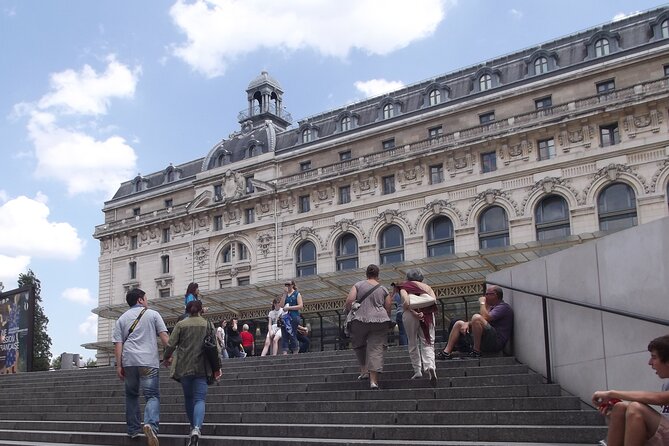
Many people compare Orsay to the Louvre, but the comparison is useful mainly because it highlights contrast. Orsay leans hard into French art, while the Louvre covers a much wider spread. In a nutshell: at Orsay, the story has fewer detours.
That “almost entirely French art” focus helps you stay oriented. When your guide ties a work to its artistic context—who influenced whom, what changed, what stayed—you start to recognize patterns. You see how style shifts over time and how themes reappear.
It also changes how you experience the museum during crowds. In peak times, big museums can turn into a traffic jam with labels. In a focused highlights tour, your guide becomes your traffic plan: you get to the best pieces first, then you learn how to read them while you’re still fresh.
If you’ve ever felt overwhelmed by museum scale, this approach can feel like relief. Several experiences emphasized that having a guide was helpful with crowds and made it easier to see the top works without losing the thread.
Your art historian guide: Bella, Tina, Boris, Barbara, Mila
This is where the tour becomes more than a checklist. You’re not just buying entry and a meeting spot. You’re getting a professional art historian guide, and the guide quality can make the difference between looking at paintings and actually learning from them.
Past private visits named several guides, and each got standout comments for different strengths:
- Bella: described as very knowledgeable and passionate, with an emphasis on highlights and making sense of a lot of visual information
- Tina: praised for pacing and for being a great presenter, while also taking people to pieces and topics they specifically wanted
- Barbara: noted for making the experience memorable, with guidance that linked art to emotion—not just history
- Boris: singled out as a curator-like force, turning Impressionist into something you could actually grasp instead of a vague label
- Mila: praised for helping even teenagers connect to nuances between artists, techniques, and time periods
If you care about explanation—how brushwork connects to meaning, how a technique fits a moment in time—this format pays off quickly. And because it’s private, you’re more likely to ask your own questions without feeling like you’re disrupting a group train.
Tip for you: if you have a couple of artists you most want to see (for example Van Gogh or Monet), tell the guide at the start. A good guide will shape the route so you don’t miss your personal must-sees.



Crowds, timing, and the skip-the-line question
Museums in Paris can be a grind, so anything that cuts waiting time is worth real money. Many experiences included smooth entry and avoided the worst of the crowd crush, which is exactly what you’d hope for with a private visit.
At the same time, one negative experience described a timing mismatch where a booked start time was shifted later, and the promised skip-the-line outcome didn’t match expectations. That doesn’t mean it’s guaranteed to happen, but it does give you a practical lesson: don’t assume the entry experience will be identical to what you hoped for.
What you can do:
- Confirm your exact start time before you go.
- Arrive early enough to handle a last-minute change in meeting logistics.
- If you have a tight schedule that day, build in a little cushion.
This isn’t about being paranoid. It’s about respecting how Paris museums work on real days.
Price check: is $300.35 per person worth it?
The price is $300.35 per person for about 2 hours, with admission included. That’s not a casual add-on. You’re paying for a professional guide and the private setup, not just museum access.
So when does it feel like good value?
- When you’re the type of person who wants context for what you’re seeing
- When you’d otherwise spend too much time figuring out where to go next
- When your day is tight and you can’t afford a “wander and hope” strategy
- When you want a smoother museum experience in busy conditions
If you’re traveling with friends or family who all want the same depth of art explanations, a private guide can be worth it even more. The key is whether you’ll use the guide’s knowledge. If you’re happy browsing labels and picking favorites, you might find a less expensive option more efficient. But if you want to leave understanding why Impressionism looks the way it does, this is the sort of spending that pays back immediately.
One more value signal: a 97% recommendation rate with a 4.9 rating suggests the experience quality has been consistently high. Just remember that occasional service mishaps do happen anywhere, so your best defense is confirming timing.
Logistics that matter: where you meet and what you bring
Meeting is at Musée d’Orsay (75007 Paris), and the tour ends back at the meeting point. That means you don’t have to plan a second location or worry about getting lost at the end.
The tour is offered in English, and it’s described as near public transportation, which is great for avoiding transit stress. Most travelers can participate, which is a broad positive signal—though you should still consider your own comfort with walking in a museum.
What’s not included is food and drinks. In a 2-hour visit, you might not need much, but if you’re doing this as part of a longer day, plan where you’ll eat afterward so you’re not hunting on an empty stomach.
You’ll also use a mobile ticket, which is usually smoother than paper. Still, bring a charged phone and basic data plan habits you already know work in Paris.
Who this private Orsay visit is best for
This tour is a good match if you:
- Want Impressionist art with real guidance, not just famous names
- Like learning directly from an art historian who can connect technique to meaning
- Are traveling with people who appreciate structure (a route plus explanations)
- Want to handle crowds with a plan rather than improvising
It can also be a strong option for first-time museum-goers who feel intimidated by big collections. With a guide leading the pacing, you get to “see a lot” without losing track.
If you’re a super casual museum browser who mostly wants selfies and captions, you might feel the time is too structured. In that case, consider a self-guided visit. But if you want that art historian translation, this private format is exactly the point.
Should you book this Orsay private guided visit?
Book it if you want a guided, high-impact museum experience in a short window—and especially if you care about how paintings are made and why they matter. The combination of private pacing, admission included, and a professional art historian guide is the winning formula here.
I’d be a little cautious only in one narrow way: confirm your exact entry timing expectations. One experience reported a booking time mismatch tied to the start time and the skip-the-line promise. That’s not something you should panic about, but it is worth double-checking before you arrive.
If your schedule is flexible, or you can build in a cushion, this visit looks like a very solid choice. With strong ratings and guides like Bella, Tina, Barbara, Boris, and Mila already delivering memorable results, you’re very likely to come away with a clearer eye and a smarter appreciation of Impressionism.
FAQ
Where does the Orsay museum private guided visit start?
The tour starts at Musée d’Orsay, 75007 Paris, France.
How long is the private guided visit?
It lasts about 2 hours (approx.).
Is this tour private or shared?
It’s a private tour, meaning only your group participates.
What language is the tour offered in?
The tour is offered in English.
Is museum admission included in the price?
Yes. Admission fee is included, along with your admission ticket.
Do I need to bring food or drinks?
Food and drinks are not included, so you’ll want to plan for that separately if needed.
Do I receive a ticket on my phone?
Yes, it uses a mobile ticket.
When will I get confirmation after booking?
You’ll receive confirmation at booking time unless you book within 7 days of travel, in which case confirmation is received within 48 hours, subject to availability.
Is there free cancellation?
Yes. You can cancel for a full refund if you cancel at least 24 hours before the experience’s start time.