REVIEW · PARIS
Paris Baking Insider Experience near Notre-Dame
Book on Viator →Operated by ExperienceFirst · Bookable on Viator
French bread starts with your hands.
This is a small-group, behind-the-scenes bakery experience near Notre-Dame where you learn how real dough behaves, and then you shape and bake with an expert. I like how the class-style teaching stays practical, with guided steps and lots of tasting along the way, often led by instructors like Yeju or Valentina.
I love that you learn the bread basics that actually matter: the difference between bread flours, yeast vs sourdough, and how dough types affect texture and flavor. I also like that the experience mixes savory and sweet results, so you taste what your choices create, not just how to follow directions.
One real consideration: you need to be able to stand for a while. The meeting point is on the 2nd floor with 15 steps and no elevator.
In This Review
- Key points worth planning for
- A Small-Group Bakery Lesson Near Notre-Dame
- Getting There and Knowing the Physical Reality (15 Steps, No Elevator)
- What You Learn About French Dough: Flours, Yeast, and Sourdough
- Baguette Shaping: How to Tell a Baguette From Another
- Lamination and Croissant Dough: The Real Work Behind the Layers
- What You Bake and Taste: Savory, Sweet, and the Financier Moment
- Cleaning, Heat, and What to Wear (Flour Happens)
- How Much Is Truly Hands-On?
- Who This Tour Fits Best (Families, Beginners, and Curious Bakers)
- Value: Why It Costs What It Costs (and What You Get for It)
- Quick Practical FAQ
- FAQ
- What is the meeting point for the Paris Baking Insider Experience?
- How long is the experience?
- Is the class offered in English?
- How large is the group?
- Are children allowed, and can young kids participate?
- Is there an elevator at the bakery?
- Do I get a mobile ticket and confirmation?
- What is the cancellation policy?
- Should You Book This Near Notre-Dame Baking Experience?
Key points worth planning for
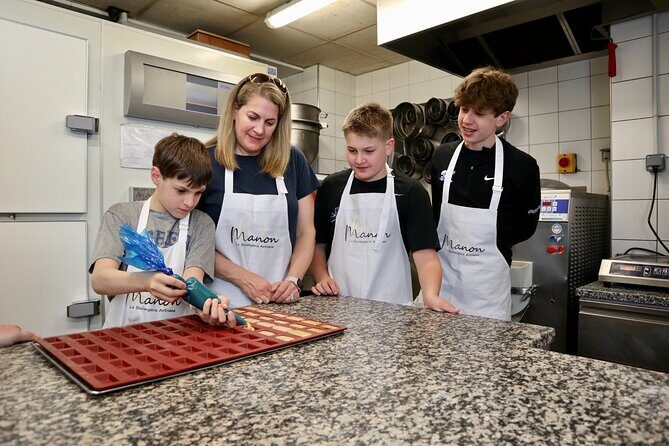
- Max 8 guests means more time with the baker and less crowding.
- Dough fundamentals cover flours, yeast, sourdough, and croissant dough behavior.
- Baguette shaping + lamination are the skills you’ll remember long after the flour settles.
- You bake and taste savory and sweet items, guided step-by-step.
- You’ll likely leave with plenty of the bread and pastries you make.
- Two-floor walkup and standing time require decent mobility.
A Small-Group Bakery Lesson Near Notre-Dame
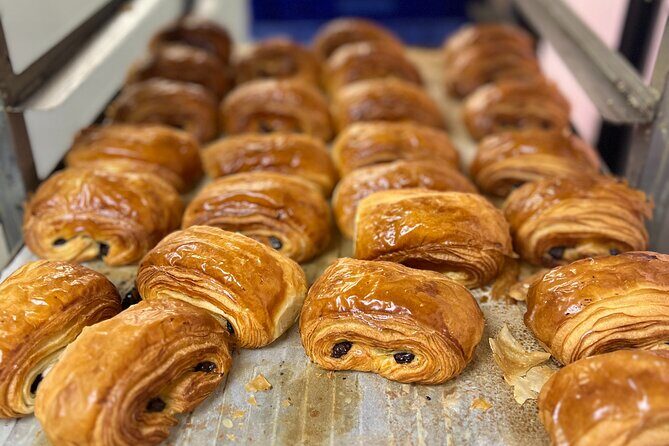
Paris is full of food tours. This one leans hard into the part you can’t fake: putting flour on your hands and learning how dough responds. You’ll do this in a working Parisian bakery setting, not a showroom kitchen, and the group stays intentionally small (up to 8 people).
What makes it especially fun is the mix of craft and explanation. You’re not just watching someone else work while you wait. You’re learning how to think like a baker—why dough feels different, how shaping changes the final loaf, and what to listen for when things are going right.
And yes, the vibe matters. In past sessions, guides such as David, Clara, Pierre, Martin, and Valentina have been praised for keeping things friendly, clear, and inclusive. That kind of tone helps whether you’re a total beginner or someone who already bakes at home.
You can also read our reviews of more tours and experiences in Paris.



Getting There and Knowing the Physical Reality (15 Steps, No Elevator)
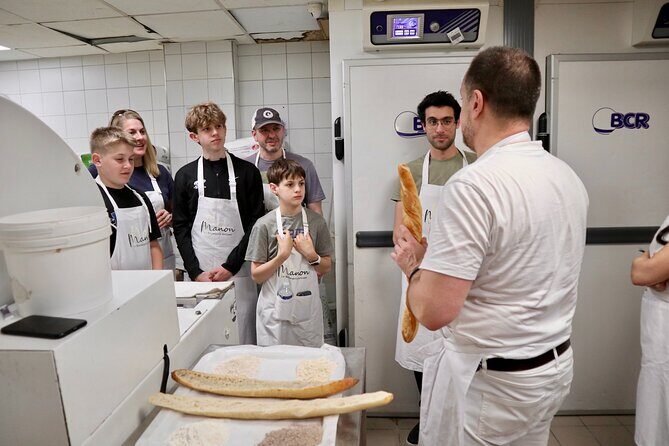
You start at 25 Rue de Bretagne, 75003 Paris. The tour ends back at the same meeting point, so you don’t have to plot your next move afterward.
Plan for time on your feet. This activity requires you to stand for an extended period, and the access includes 15 steps to the bakery on the 2nd floor with no elevator. If stairs are an issue for you, this is the biggest practical check to do before booking.
The good news: it’s near public transportation. So even though it’s a walk-up, getting there doesn’t have to be a mission.
Also note: it’s an English experience, and it uses a mobile ticket. That means less paper fuss and less time searching for a confirmation email.
What You Learn About French Dough: Flours, Yeast, and Sourdough
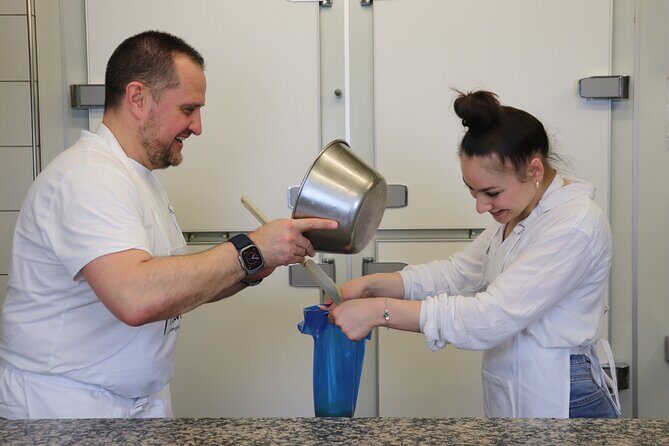
The heart of this class is dough education. The lesson isn’t framed as a mystery, and it’s not stuck in one narrow technique. You’ll learn how different inputs change the outcome—especially flour and leavening.
Here’s what you should expect to get clarity on:
- Bread flours vs other flours: how the flour type supports structure and chew.
- Yeast vs sourdough: how fermentation style affects flavor and how the dough behaves.
- Sourdough and croissant dough basics: why “lamination” and fermentation are different games.
Croissants are a great example of why this matters. The buttery layers don’t happen by accident. You’ll learn what lamination is meant to do, and you’ll see how dough handling affects puffing and flake.
You’ll also get hands-on time working with bread and croissant dough. Even if the session includes some prep done ahead (some guests have noted this varies), you’re still learning the motions and the reasoning behind them.
One small but useful pattern: the instructors tend to connect each technique to what you’ll taste later. That turns a “do this, then that” class into an actual learning experience.
Baguette Shaping: How to Tell a Baguette From Another
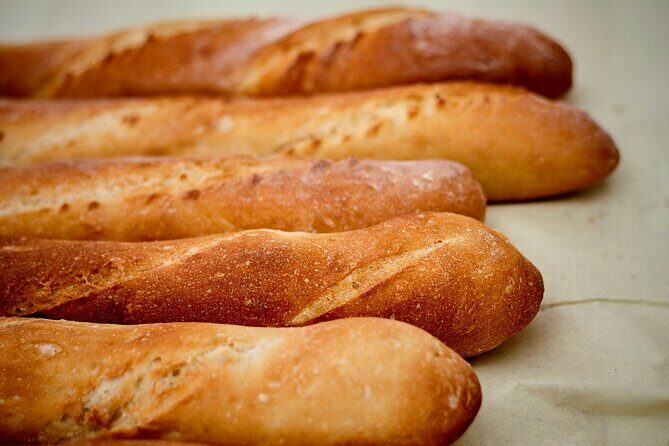
Shaping is where French bread identity lives. A baguette isn’t just dough in a long tube. The way it’s shaped influences expansion, crust, and that classic French look.
During your session, you’ll work on baguette shaping techniques designed to help you distinguish styles and understand what’s happening inside the dough. You’ll also learn how baguette dough differs through the process, so the loaf doesn’t surprise you at the last second.
You’ll also get practice understanding loaf structure. That means you’re not only making bread—you’re learning to read dough like a baker reads it.
If you already bake at home, this part can be a reality check in a good way. Even experienced home bakers often come away with sharper technique and better explanations. In one case, a guest who makes bread at home still said they learned a lot.
Lamination and Croissant Dough: The Real Work Behind the Layers
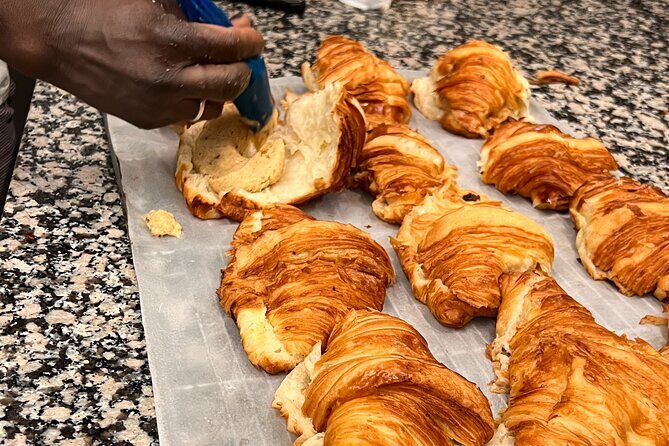
Croissants look simple on a plate. Under the hood, they’re a process-heavy project. This experience teaches you how to work with croissant dough so you understand lamination as a technique, not a trendy word.
You’ll learn the basic idea behind lamination: keeping layers distinct so the final bake creates lift and flake. Then you’ll work with croissant dough and shaping steps as part of the class.
A couple of practical things to know. Many sessions involve pre-prepared components, so the class may not be a full “from scratch, measure everything yourself” experience. Still, you’re getting hands-on with the process enough to understand how the pieces fit together.
And you’ll eat the evidence. The tasting portion is where you connect technique to flavor and texture, especially with croissant dough where butter and fermentation decisions show up fast.



What You Bake and Taste: Savory, Sweet, and the Financier Moment
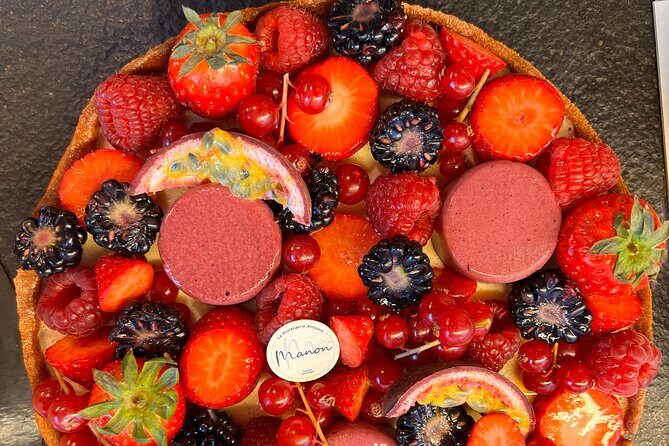
This is not a one-note pastry class. The baked items can vary by session, but the core mix centers on French baking classics and signature bakery items.
From the sessions described, you can expect combinations like:
- Baguettes and breads you help shape and bake
- Croissants (often shaped and handled during the class)
- A small sweet baked item such as financiers (described as a pocket-loaf style item called Financier) and sometimes madelines or other mini cakes
- Additional sweet-and-savory tasting along the way
The financier is a great example of why this experience feels more “insider” than typical cooking demos. It’s not as famous as a croissant, but it teaches you something about texture and how French pastry treats ingredients differently.
The tastings also act like a guidebook. You try what you make and then learn how flavor choices connect to what you see in the dough.
One review detail that I think you’ll appreciate: the facility is described as very clean, and there’s an emphasis on hand hygiene. You’ll wash your hands multiple times during the session, so don’t show up with a plan to keep everything “authentically messy.” You’ll get flour, but you’ll also get order.
Cleaning, Heat, and What to Wear (Flour Happens)
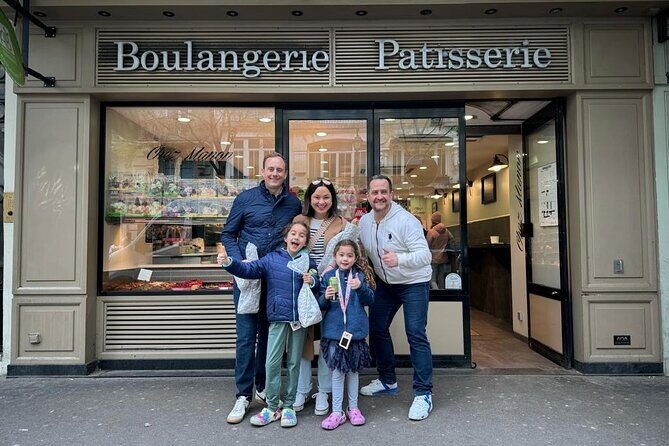
This is a working bakery. That means warmth near the ovens and some flour on the floor. One helpful note from past participants: it can get warm near the baking area, and the environment is active, so dress like you’re doing a hands-on task.
I’d go with comfortable shoes and sleeves you don’t mind getting dusty. If you love the crisp Paris-bakery look, keep the style for dinner afterward. During the class, prioritize mobility and comfort.
You also might notice how close the workstations are. In a small group, it works well, but it’s still a bakery workflow. Think practical, not delicate.
How Much Is Truly Hands-On?
This is the part to decide honestly before you book.
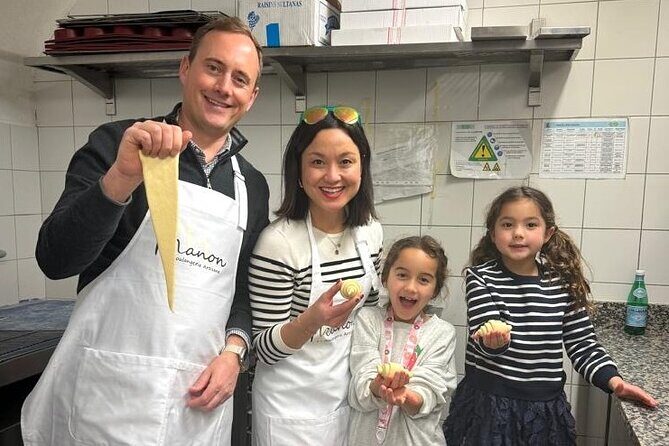
The experience is hands-on, and you will work with bread and croissant dough while learning shaping and lamination. Many guests describe it as interactive from beginning to end.
At the same time, some people have pointed out that not every step is “knead everything from zero” the way a true home-baking workshop might be. In some sessions, dough may be partially prepared in advance, and croissant rolling may be faster than you expect. That doesn’t make it bad; it just changes what kind of learner you’ll be.
If you want a guided lesson with technique coaching and you’re happy to learn by doing key steps, you’ll probably love it. If you want a full instructional recipe breakdown with measurements for every stage, you might find the pacing more demo-and-practice than “hands on for every minute.”
That’s why the skill focus matters. The main win here is understanding why dough behaves the way it does.
Who This Tour Fits Best (Families, Beginners, and Curious Bakers)
This class works well for a lot of travel styles because it hits multiple audiences:
- Beginners: You get explanations tied to what you’re doing, plus tastings to show results.
- Home bakers: You get technique and dough understanding, plus shaping and lamination you may not practice often.
- Families with kids: Multiple sessions have been described as kid-friendly, and instructors have actively included children.
There are a couple of boundaries. Children are allowed, but they must be accompanied by an adult. Kids under 5 can join free of charge, but they won’t participate in the hands-on baking due to safety concerns.
If you’re traveling with a 10-year-old, a teenager, or even a mix of ages, this can be a solid way to do something different from museum time. One multi-generational family described it as a highlight and noted the fun, laughs, and active participation.
And for anyone traveling solo: some guests have loved the inclusive feel, even when they were the only solo participant.
Value: Why It Costs What It Costs (and What You Get for It)
At $108.89 per person for about 2 hours, this is not a budget activity. The value comes from what’s included and what’s delivered.
You get:
- An expert guide
- Snacks during the session
- A hands-on baking lesson with real baking tasks
- Small-group time that limits waiting and crowding
Most importantly, you’re paying for access to a real bakery workflow and for skilled instruction. In Paris, that access is the costly part.
Also, many guests come away with lots of baked goods—often enough for dinner and leftovers. That turns the lesson into something tangible you can enjoy after the class ends.
Is it worth it if you just want to taste croissants? Maybe not. But if you want technique, you want shaping knowledge, and you want to understand dough behavior instead of only buying bread, it’s a strong use of your time.
Quick Practical FAQ
FAQ
What is the meeting point for the Paris Baking Insider Experience?
You meet at 25 Rue de Bretagne, 75003 Paris, France, and the activity ends back at the meeting point.
How long is the experience?
It runs for about 2 hours.
Is the class offered in English?
Yes, it’s offered in English.
How large is the group?
The tour has a maximum of 8 travelers.
Are children allowed, and can young kids participate?
Children are allowed but must be accompanied by an adult. Kids under 5 can join free of charge, but they cannot participate in the hands-on baking due to safety concerns.
Is there an elevator at the bakery?
No. There are 15 steps to reach the bakery on the 2nd floor, and there is no elevator.
Do I get a mobile ticket and confirmation?
Yes, you’ll receive a mobile ticket, and confirmation will be received at the time of booking.
What is the cancellation policy?
You can cancel for a full refund up to 24 hours before the experience starts.
Should You Book This Near Notre-Dame Baking Experience?
Book it if you want a hands-on Paris activity with actual technique: dough behavior, baguette shaping, and lamination for croissant dough. It’s a great fit if you like learning by doing and you enjoy eating what you make.
Skip it (or choose carefully) if stairs and long standing won’t work for you, since the meeting area involves 15 steps with no elevator. Also consider your expectation level for “from-scratch” baking. Some sessions may involve partial prep, so it’s more about mastering key skills than spending every minute mixing and measuring from zero.
If you’re aiming for a memorable, practical foodie experience near Notre-Dame, this one is a solid bet. You’ll leave with better bread instincts—and a bag that smells like you just made a very good decision.