REVIEW · PARIS
Paris: Baking Insider Experience with a Professional Baker
Book on GetYourGuide →Operated by ExperienceFirst · Bookable on GetYourGuide
Fresh butter, flour dust, and real bakery know-how. I love the chance to learn lamination and shape my own baguette with a working French baker right in the middle of the shop. One watch-out: this is a 2-hour standing lesson, and you’ll climb 15 steps to a second-floor bakery with no elevator.
You might meet guides such as Pierre, Martin, Jess, Candice, David, Rachel, or Pierre Azoulay. They keep the pace friendly and practical, mixing short explanations with hands-on baking so you leave with techniques you can actually use, not just a photo.
In This Review
- Quick highlights
- Baking Insider in Paris: What Makes This Class Feel Different
- The 2-Hour Rhythm: A Hands-On Lesson Built Around Techniques
- Ingredient Clues You’ll Actually Use: Flours, Yeast, and Sourdough
- Lamination Training: How Croissant Dough Really Gets Its Layers
- Baguette Shaping: More Than Forming a Loaf
- Tastings That Teach You What to Notice
- Visiting a Neighborhood Paris Bakery, Not a Fake Set
- Stairs, Standing, and What to Wear for a Real Bakery Day
- English-Speaking Guidance and Small-Group Pace
- Value Check: Is $108 for 2 Hours Worth It?
- Who This Paris Baking Insider Experience Fits Best
- Should You Book This Baking Class in Paris?
- FAQ
- How long is the Paris baking insider experience?
- How many people are in the class?
- Will the guide speak English?
- What baking techniques and items will I learn?
- Where do I meet, and where does it end?
- Is this experience suitable for wheelchair users?
- Are there stairs or a standing requirement?
- Can children participate?
- What payment and cancellation options are available?
Quick highlights
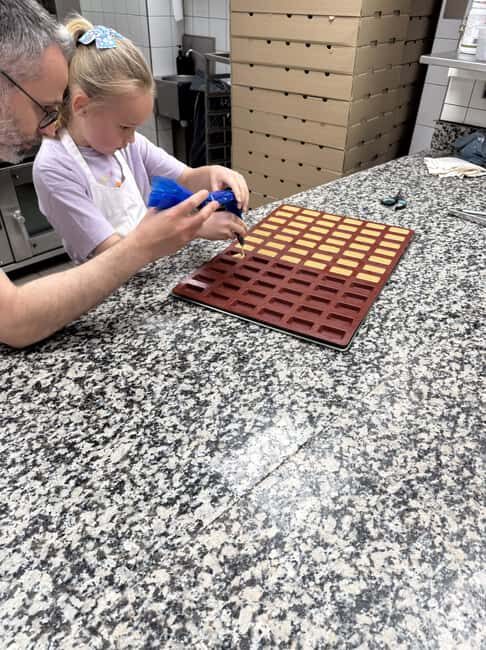
- Lamination training for real croissant layers: fold, chill, and handle dough so it puffs instead of collapsing
- Baguette shaping that teaches bread differences: you learn how to identify baguettes and what changes the crumb
- Sweet and savory tastings in the flow of the lesson: you taste while you learn how flavor and technique connect
- Small group of up to 8 people: more personal attention from your English-speaking guide
- Working bakery access: you see day-to-day production, not a classroom imitation
Baking Insider in Paris: What Makes This Class Feel Different
If you’ve ever wondered why French pastries taste so crisp, light, and specific, this is the type of activity that gives you the “why.” This is not a one-dish cooking show. It’s a hands-on Paris baking class run by a professional baker, with you working the dough and learning the mechanics behind classic results.
The value here is that you’re learning core building blocks of French baking: dough structure, fermentation concepts, lamination, shaping, and baking outcomes. Those aren’t abstract topics. You’ll feel them in your hands as you work through bread and pastry dough, then you’ll taste along the way to connect technique with flavor.
And because the group is limited to 8 participants, it doesn’t turn into a lecture where you watch someone else do the work. The guides (English-speaking) can correct your dough handling and explain what you’re seeing as you go. In a city where “food experiences” can sometimes feel like museum tours, this one stays practical.
You can also read our reviews of more tours and experiences in Paris.



The 2-Hour Rhythm: A Hands-On Lesson Built Around Techniques
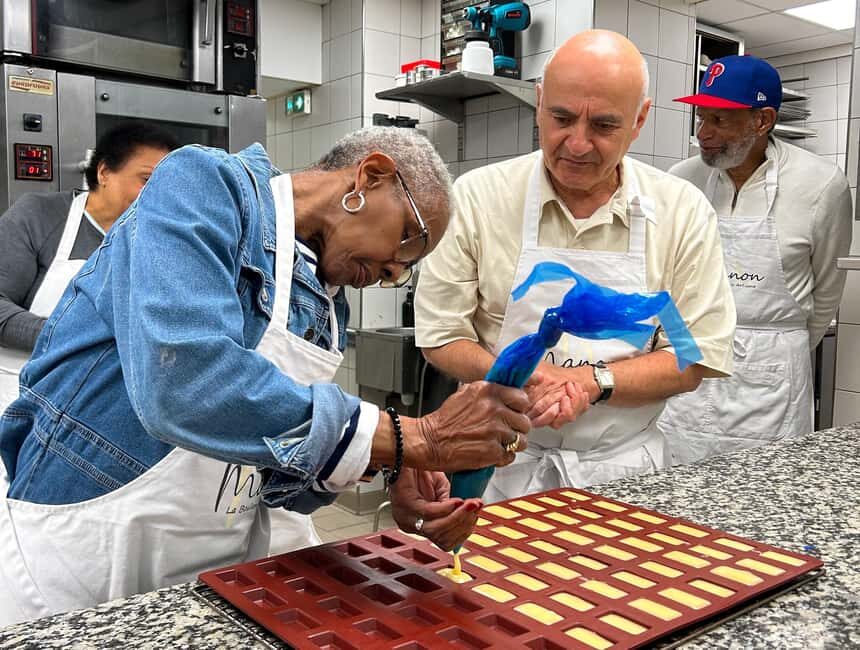
The whole experience runs about 2 hours. That short time is the point. You move through a sequence that matches how bakers think: explain a technique, demonstrate it, then let you practice while it’s relevant.
You’ll typically start with the basics the guide wants everyone to share: how French baking differs from what you might already know, and how ingredients change results. Then you get your hands on the key dough work—first bread-related skills and baguette-shaping basics, then croissant dough and lamination techniques. Tastings happen along the way, so you’re not waiting until the end to understand what you’re aiming for.
A practical note: since this is a working bakery, you’ll be in a real production environment. One of the big reasons this feels authentic is that you’re learning in the same space where bread and pastry dough are handled constantly. It’s not a staged set.
Ingredient Clues You’ll Actually Use: Flours, Yeast, and Sourdough
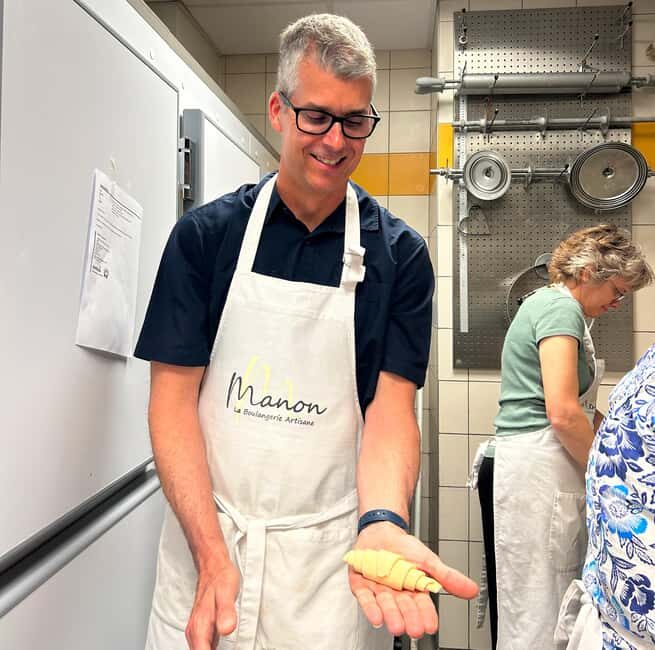
A major win for me is that this class doesn’t treat ingredients like trivia. You learn differences that change flavor and texture, including bread flours, yeast, and sourdough concepts.
Even if you’ve baked at home before, you can end up with a “good enough” baguette that’s missing that French character. The technique matters, but so does the ingredient base. In this class, you get the guide’s perspective on what the flour is doing and why yeast type and process matter.
You also learn how these elements connect to outcomes you can see: dough behavior, how it stretches, how it holds layers, and how it bakes. That’s the part that sticks. Later, when you buy flour or start reading recipes, you’ll know what questions to ask instead of just following steps blindly.
Lamination Training: How Croissant Dough Really Gets Its Layers
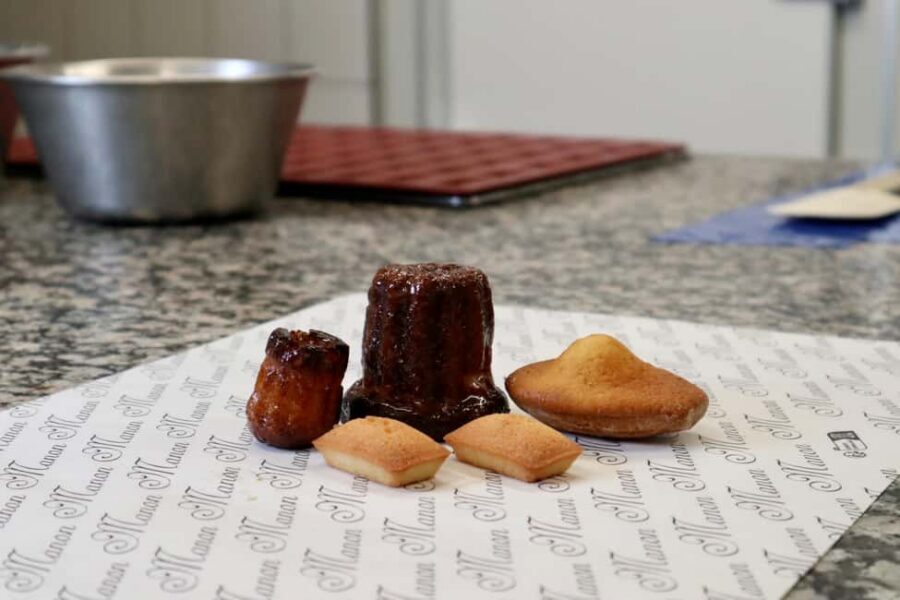
Lamination is the word that sounds fancy until you do it. Then it becomes very real, very fast.
In the croissant segment, you learn how to laminate dough—the careful folding and rolling process that creates distinct layers. Done well, those layers trap air and steam during baking, which is what drives that puffed, flaky structure people love in a good croissant.
This is where having a pro guide matters. The guide can help you understand how to manage dough temperature and handling so the dough doesn’t tear, melt through, or lose the separation you worked so hard to create. And since you’re practicing, you don’t just hear about the idea—you feel the dough respond.
If you’ve ever tried making croissants at home and ended up with something that tasted fine but looked flat, this is the session that helps explain why. The technique is teachable. It’s also unforgiving. In a small group, you get the feedback you need to correct small mistakes before they become big ones.
Baguette Shaping: More Than Forming a Loaf
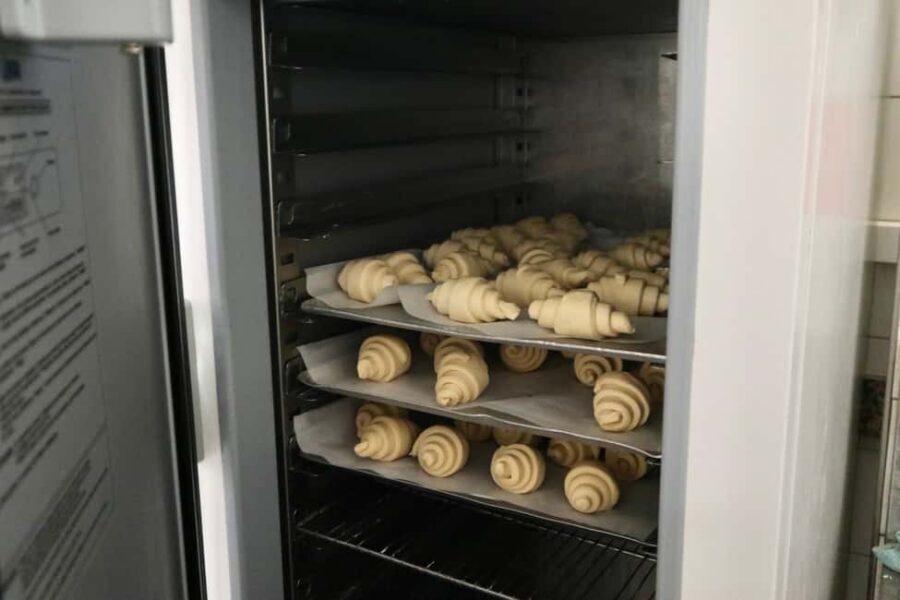
Baguette-shaping sounds simple. It’s not. The shape influences how the bread expands and how the crust forms.
During the bread part of the lesson, you learn baguette-shaping techniques and how to differentiate baguettes. That might sound like “how to tell bread apart” in a food-nerd way, but it’s more practical than that. Your guide points out what to look for and how different processes and dough handling can show up in the finished loaf.
You’ll also learn basic distinctions between one baguette and another—an approach you can carry beyond this class. When you’re standing in a Paris boulangerie choosing your next loaf, you’ll have a clearer sense of what choices matter.
And yes, it’s hands-on. You roll, shape, and handle dough like a baker, not like a tourist pretending to knead.



Tastings That Teach You What to Notice
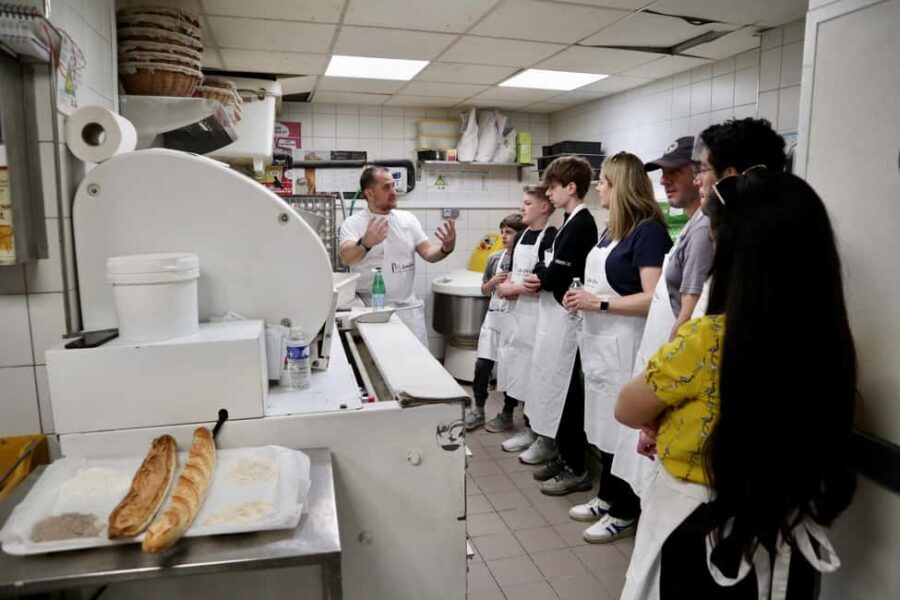
The tastings are not an afterthought. They’re built into the learning flow.
You’ll sample a range of sweet and savory French flavors, and the guide uses those moments to connect taste with technique. That’s important, because dough work is full of decisions that don’t always translate instantly to flavor. A taste test gives you a quick feedback loop: you learn what the finished product should feel like, then you return to the next step with better context.
One review highlight you should take seriously is the advice to save room for bread. The class is structured so you can snack as you go, and you’ll leave with baked items that you’ve worked on (many sessions include a take-away component), so the calories can stack quickly.
Visiting a Neighborhood Paris Bakery, Not a Fake Set
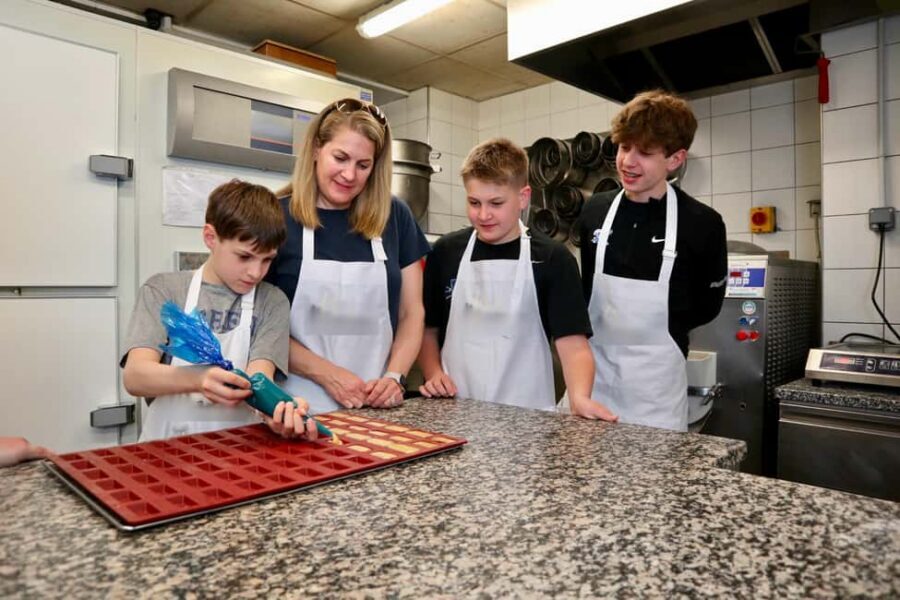
This experience takes place in a traditional Paris bakery location, and the guides treat it like a real working shop. You’re not separated into a studio kitchen. You’re learning in an environment where staff are baking and moving around you.
That “behind-the-scenes” feeling is a big part of why people rate this so highly. It’s also why the class is limited to 8 participants—it’s hard to give real instruction when the workspace is crowded.
In at least one location mentioned in the provided info, the bakery is described as organic and making everything in-house. Even when your session isn’t at that exact shop, the overall point holds: you’re seeing how a boulangerie functions day-to-day, not just how dough behaves in theory.
Stairs, Standing, and What to Wear for a Real Bakery Day
Here’s the practical part: the experience requires you to stand for an extended period. You’ll also climb 15 steps to reach the bakery on the second floor, and there’s no elevator.
This matters because you’ll spend time prepping, shaping, and rolling dough—activities that are easier when you can stay upright and focused. If you know you tire quickly, plan accordingly. Bring water if allowed by the shop’s flow, and wear shoes you trust.
Also, bring a hair tie or clip if you have long hair. Working kitchens are busy, and you’ll be handling flour and dough. Keeping hair secure is just good sense.
English-Speaking Guidance and Small-Group Pace
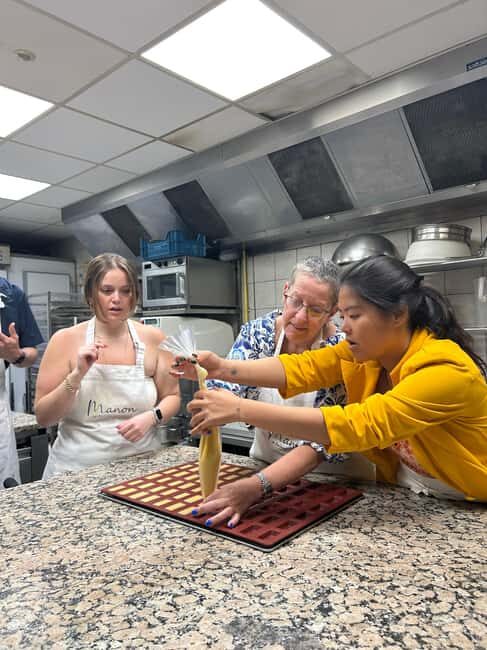
You get a live guide in English, and the class is kept intentionally small. The feedback pattern in the provided info points to guides who are friendly and keep everyone engaged while working around a real bakery operation.
That small-group format helps in two ways:
- You can ask questions as you work, not just at the start or end.
- The guide can correct handling quickly—especially for lamination and shaping.
The pace is also suited to a range of skill levels. You don’t need prior baking experience. You do need willingness to stand, follow instructions closely, and accept that dough is a living thing—it can be temperamental.
Value Check: Is $108 for 2 Hours Worth It?
At $108 per person for about 2 hours, this isn’t a budget activity. But it’s also not a generic tasting menu.
Here’s what you’re paying for:
- A professional baker who teaches technique, not just a food story
- Hands-on practice with dough for multiple French classics (bread and croissant components)
- A small group cap (max 8), which usually translates to more attention per person
- Tastings and snacks included
If you compare this to the cost of buying a few pastries and baguettes plus a guided tour, the math starts to shift. What you’re really buying is skill-transfer: lamination technique, baguette shaping approach, and ingredient differences you can apply later.
The other value angle is access. Working bakery instruction in Paris is not something you can replicate easily at home without time, practice, and the right method. This class compresses that learning curve into one focused session.
Who This Paris Baking Insider Experience Fits Best
This works best if you like doing things with your hands and you want a deeper level of understanding than a quick pastry stop.
It’s a great choice for:
- Food lovers who want to learn how French pastries are made, not just taste them
- Families with kids old enough to stand and participate safely (see kid policy below)
- Teens and adults who like practical classes and want a memorable activity that isn’t just sightseeing
It may be less ideal if:
- You struggle with standing for a while or have mobility limits due to stairs
- You want a fully seated, low-physical-effort activity
- You’re looking for a wide-ranging city tour that includes major landmarks (this is bakery-centered)
Should You Book This Baking Class in Paris?
If your goal is to leave Paris with a real skill and a better sense of how French bread and pastry work, I’d book it. The combination of hands-on dough work, small group size, and tastings that teach you what to notice makes this feel like one of those rare experiences that pays off in the real world, not just for one afternoon.
If you’re sensitive to standing and stairs, think hard first. The 15 steps and no elevator are real constraints. If that’s workable for you, the time investment is short enough that it won’t crush your schedule, and the payoff is strong.
FAQ
How long is the Paris baking insider experience?
It lasts about 2 hours.
How many people are in the class?
The group is limited to a maximum of 8 participants.
Will the guide speak English?
Yes. The guide provides live instruction in English.
What baking techniques and items will I learn?
You’ll learn authentic French baking techniques such as laminating dough, baguette-shaping techniques, puffing croissant dough, and you’ll also cover how to differentiate one baguette from another, including differences between bread flours, yeast, and sourdough. You’ll also enjoy sweet and savory tastings.
Where do I meet, and where does it end?
The meeting point may vary depending on the option booked, and the activity ends back at the meeting point.
Is this experience suitable for wheelchair users?
No. It is not suitable for wheelchair users.
Are there stairs or a standing requirement?
Yes. You need to be able to stand for an extended period. It’s 15 steps to reach the bakery on the second floor with no elevator.
Can children participate?
Children under 5 are free of charge, but they cannot participate in the hands-on baking experience due to safety concerns. The experience is not listed as suitable for younger kids.
What payment and cancellation options are available?
You can reserve now and pay later. There is free cancellation up to 24 hours in advance for a full refund.