REVIEW · PARIS
Paris: escape game in Montmartre
Book on GetYourGuide →Operated by Jeu Visite · Bookable on GetYourGuide
Solving clues in Montmartre feels like play. This is a real outdoor escape game that also works like a guided walk, with you moving through the neighborhood while a costumed guide shares Montmartre heritage. I especially like the 15-stage riddle format, because it keeps you active and focused instead of just standing around waiting for sights.
Two more things that make it appealing: the puzzles are designed as a cultural game (so you learn while you play), and you finish with a French reward plus free souvenir photos. One consideration: the included photos and confectioner-style reward are part of the promise, so if those are must-haves for your group, I’d double-check what exactly you’ll receive at the end before you go.
In This Review
- Key Things to Know Before You Go
- Entering Montmartre by Solving Riddles
- Meeting at Rue Saint-Eleuthère and Getting the Game On
- How the Escape Game Actually Works (15 Stages, One Sentence)
- The Sacré-Cœur Basilica Stop: A Big Start for a Small Mission
- Place du Tertre: Doing the Puzzle Instead of Just Watching
- The Final Stretch and Finish at Place Émile Goudeau
- Guides in a Bowler Hat: What You’ll Get From the Storytelling
- The Photos and Rewards: The Part to Confirm for Your Group
- Family Time in Montmartre: Kids Will Actually Join In
- Price: $46 Worth It for an Outdoor Tour-Puzzle Blend
- Best Fit: Who Should Book This Escape Game
- Should You Book This Montmartre Escape Game?
- FAQ
- How long is the Paris Montmartre escape game?
- Where do we meet for the Montmartre game?
- What landmarks are included in the route?
- How does the game work?
- Is the game offered in English?
- Is this escape game good for children?
- Do we get a reward at the end?
- Are photos included?
- What if plans change?
Key Things to Know Before You Go
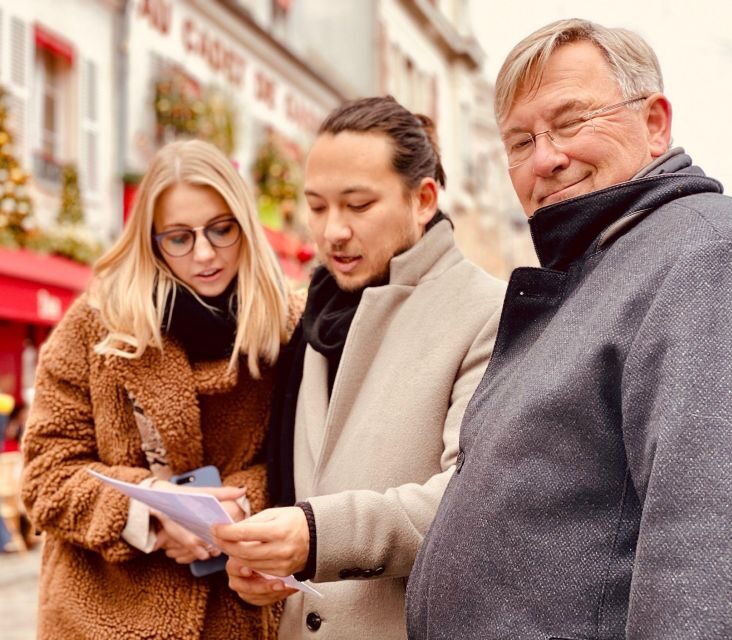
- Outdoor, active gameplay in Montmartre, not a stuffy room escape
- 15 clue stages where each riddle earns a letter for a mystery sentence
- A guided Montmartre tour led by a costumed guide in a bowler hat
- Family-friendly setup, with children and adult versions of the game
- Professional photos and French treats as part of the win (or near-win fun)
Entering Montmartre by Solving Riddles
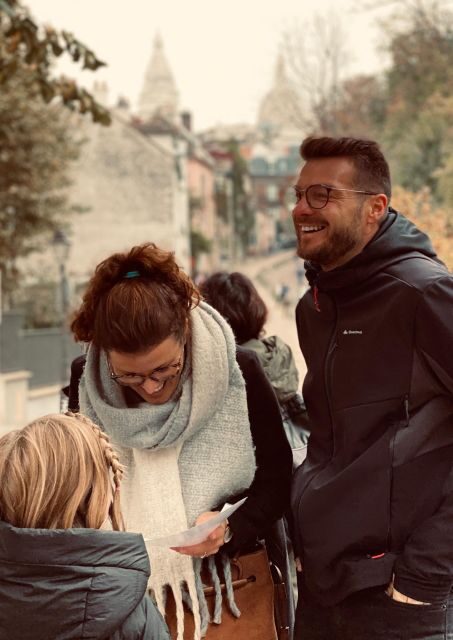
This escape game is built for people who want Paris to feel a little less scripted. Instead of a classic walking tour where you listen and move on, you’re doing mini missions across Montmartre. The structure matters: you’re solving riddles at each stop, and those answers build toward a final mystery sentence you crack by the end.
I like that the game is both fun and cultural. You’re not just chasing letters; you’re also hearing anecdotes about what you’re standing near and why it matters. In practice, that means the neighborhood doesn’t become a blur of landmarks. You get to put the clues into context, which makes the walk stick.
You should also know it’s timed and paced. You’ll have about two hours from start to finish, with the action broken into 15 stages. If you hate being rushed, this might feel like a light sprint. But if you like energy—people laughing, looking up, scanning signs, and working together—you’ll probably find it easy to get into the rhythm.
You can also read our reviews of more tours and experiences in Paris.



Meeting at Rue Saint-Eleuthère and Getting the Game On
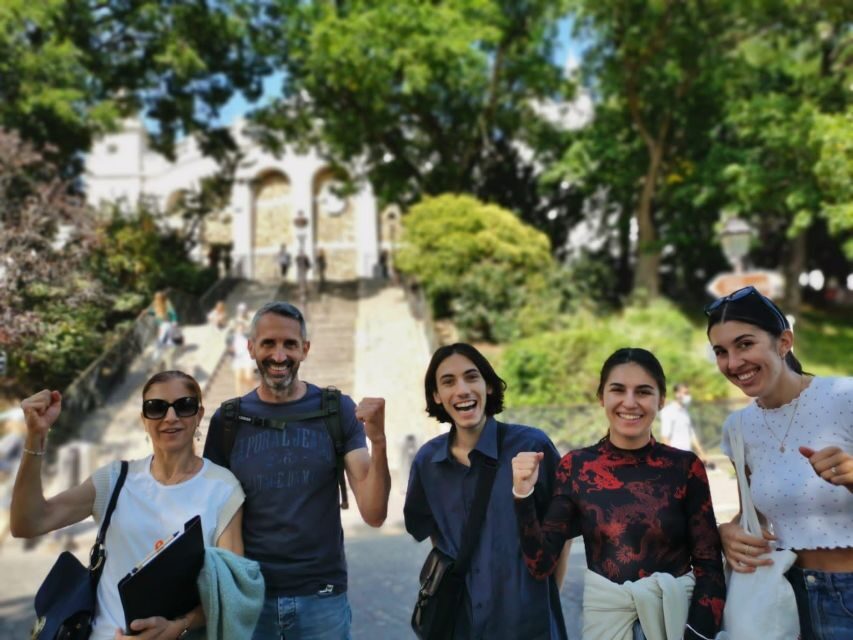
Your start point is tied to the funicular area. The meeting location is on Rue Saint Eleuthère, 75018 Montmartre, in front of the upper exit of the funicular. The game master is easy to spot, because they wear a bowler hat.
One practical detail: the meeting point can vary depending on the option you book, so it’s smart to check your specific confirmation message right before you leave. Either way, you’re aiming for the funicular-side zone so you can begin the Montmartre loop without wasting time getting oriented.
When you arrive, you’ll meet your game master and get instructions for how the puzzle chain works—how you’ll collect letters, solve riddles, and work toward the final sentence. Expect the guide to actively help you, not just observe you flailing. That matters for families and mixed-experience groups.
How the Escape Game Actually Works (15 Stages, One Sentence)
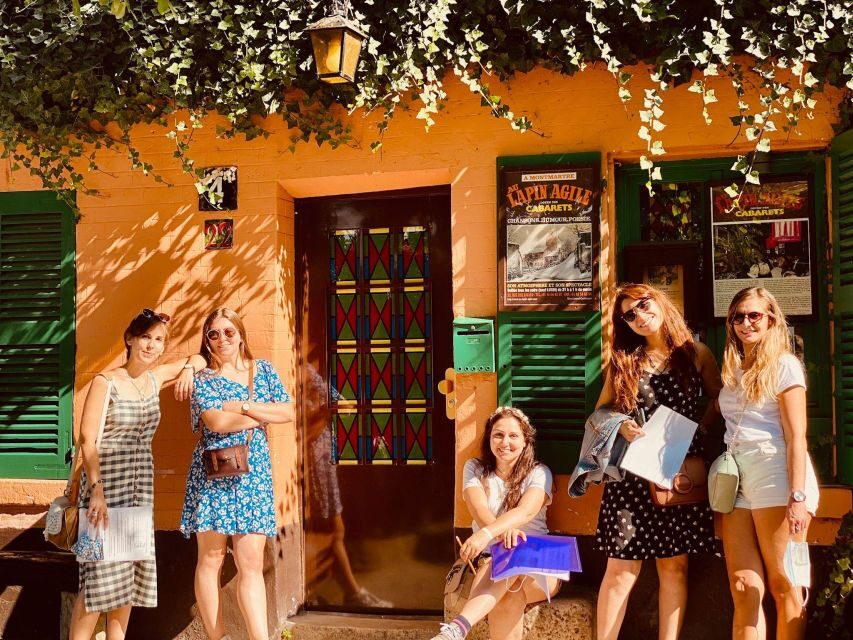
Here’s the core mechanic: the game runs through 15 stages, each set in a notable spot around Montmartre. At every stage, there’s a riddle you solve to get a letter. Those letters then form a mystery sentence by the end.
There’s also an original code to crack as part of the experience. That combination—riddle-to-letter plus a code—gives the game a few different kinds of challenges. It keeps it from feeling repetitive when your group is tired or when the kids start losing patience with reading.
What I think makes this format work well is the “team problem solving” element. You’re not trying to win alone. You’ll be trading ideas, comparing what you think the riddle is asking, and taking turns driving the conversation. It’s one of those activities where the fun comes from the group energy as much as the answer.
The Sacré-Cœur Basilica Stop: A Big Start for a Small Mission
One of the anchor points in the route is the Sacré-Cœur Basilica. Even if you’ve seen Sacré-Cœur from a distance before, using it as a stage start changes the way you experience it. Instead of treating the area like a postcard background, you’re there with a job to do: solve the clue, find the letter, and listen for the heritage context your guide shares.
A potential drawback: because Sacré-Cœur is a major Montmartre focal point, this is where crowds can be more noticeable. If your group doesn’t like busy pedestrian flow, you’ll want to keep your eyes on the guide and stay close while you solve the riddle. Think of this moment as “start strong and move as a group.”
Still, it’s a smart choice for the game. It sets the tone fast. You’re in Montmartre’s most recognizable zone early, which helps everyone feel like the activity is starting with something real—not just walking to an obscure corner and hoping you find the next clue.
Place du Tertre: Doing the Puzzle Instead of Just Watching
Next comes Place du Tertre, another key stop on the route. This is where the game stops feeling like a “tour with puzzles” and becomes a true neighborhood hunt. You’re working riddles in the places that define Montmartre’s personality, and your guide connects the dots with stories about heritage.
You’ll want to stay mentally flexible here. Place du Tertre is the kind of place where you can be distracted by what’s happening around you. The escape format turns that distraction into fuel: if you’re curious and willing to look carefully, the riddle-solving gets easier.
The stage work also helps you avoid a common walking-tour problem: everyone gets bored after the third landmark. With puzzles, the energy resets every time you reach a new clue.



The Final Stretch and Finish at Place Émile Goudeau
The game ends at Place Émile Goudeau. By the time you reach the finish, your group has usually built momentum from earlier stages, and the last part feels like a payoff. You’re not just crossing a finish line; you’re confirming the mystery sentence you assembled from all those letters.
At the end, you win and receive a real French reward. The activity is described as having rewards created by a French master confectioner, and that French gift element is a big part of what makes it feel complete rather than like a random puzzle scavenger.
If you’re traveling with kids, the finishing point matters, too. Games that drag at the end tend to lose people. This one is clearly designed to wrap up within the two-hour window, so you’re not stuck solving the last clue while everyone’s energy drains.
Guides in a Bowler Hat: What You’ll Get From the Storytelling
The game is led by a costumed game master who guides you through the walk and helps with the puzzles. The guide isn’t just the referee; they also share knowledge and anecdotes about Montmartre heritage.
I like that because it makes the activity feel more respectful of the place. You’re not treating Montmartre as a puzzle board only. You’re also learning what you’re seeing and why it’s meaningful. That’s the main difference between a typical escape-room-style script and an outdoor Paris experience.
In the feedback you might see names like Nicolas and Sacha tied to the guide role, and the common theme is friendliness and engagement. You should feel like you’re with a person who wants your group to succeed.
One thing to consider from real-world use: guidance style can vary in practice. If your group is sensitive to being interrupted between clue steps, plan for a bit of guide communication during the flow of enigmas. This is still an interactive game, so it’s not silent “museum mode.”
The Photos and Rewards: The Part to Confirm for Your Group
This activity includes free memory photos and involves the guide taking professional photos to send you for free. That’s a nice touch for groups who want a keepsake without hunting for selfies in busy spots.
There’s also a promised reward system. You receive a real French gift when you solve the mystery sentence, and rewards are described as made by a French master confectioner. That’s one of the best reasons to choose this over a cheap, purely digital scavenger game.
Still, I’d treat photos and rewards as worth a quick check when you book. If you’re relying on a specific deliverable for a birthday, family trip, or group milestone, confirm what’s included. Some experiences can vary in how fully the end-of-game items are delivered, even when the overall idea is clear.
Family Time in Montmartre: Kids Will Actually Join In

This is one of the strongest reasons to pick this activity. It’s designed to be unifying, with a social vibe that encourages laughing and searching together. Better yet, it has children and adult versions of the game, so kids aren’t stuck doing something too hard—or bored doing something too easy.
What that means for you: you can plan a single activity that works for mixed ages. You’re not splitting up or hoping the kids will tolerate a long lecture. You’re turning the neighborhood into a shared mission.
The two-hour timing also helps. It’s long enough to feel like you did something meaningful, but short enough that most families can handle it even on a travel day.
Price: $46 Worth It for an Outdoor Tour-Puzzle Blend
At about $46 per person for a 2-hour experience, the value depends on what you want from your day in Paris.
Here’s what you’re getting for that money:
- An outdoor escape game with 15 stages
- A guided walkthrough with heritage anecdotes
- Puzzle design that’s meant to keep you active and together
- Free photos
- A finish-line French gift / confectioner reward
Compared with a standard guided tour, you’re paying for interaction. Compared with a “DIY puzzle,” you’re paying for local storytelling and a game master who keeps you moving when the clues get tough. If you like hands-on activities, that price starts to make sense quickly.
If your group only wants quiet sightseeing and doesn’t enjoy problem-solving, then $46 can feel steep for two hours. But if your group likes games, team challenges, and walking with purpose, this is one of the more practical ways to spend a Montmartre afternoon.
Best Fit: Who Should Book This Escape Game
I’d point you toward this if you want:
- A way to see Montmartre that’s more than snapping photos
- A group activity that works for adults and kids
- Puzzles you can solve together, guided by a real person
- A structured timeline that still feels like exploring
It’s also a good pick if you’re traveling with people who don’t always agree on what to do. Escape games are a natural compromise: everyone has a role, and nobody has to pretend they enjoy the same boring stop.
Should You Book This Montmartre Escape Game?
Book it if you want an outdoor Montmartre experience that mixes puzzles, heritage stories, and a real finish with French treats. It’s especially smart for families, because it’s built for mixed ages and keeps everyone involved without turning into a lecture.
I’d hesitate only if your top goal is quiet, unguided sightseeing, or if you’re strict about guaranteed end-of-game deliverables like photos and confectioner rewards. In that case, do a quick inclusion check at booking time so you’re not disappointed about the specifics.
If you’re okay with a lively, puzzle-driven walk for about two hours, this is a fun way to make Montmartre feel like yours.
FAQ
How long is the Paris Montmartre escape game?
The experience lasts about 2 hours.
Where do we meet for the Montmartre game?
The meeting point is on Rue Saint Eleuthere, 75018 Montmartre, in front of the upper exit of the funicular. It may vary depending on the option booked.
What landmarks are included in the route?
The itinerary includes Sacré-Cœur Basilica and Place du Tertre, and it finishes at Place Émile Goudeau.
How does the game work?
You solve riddles at 15 stages to collect letters. Those letters form a mystery sentence, and you win when you find it.
Is the game offered in English?
Yes. The live tour guide is available in English and French.
Is this escape game good for children?
Yes. There are children and adult versions of the game, so families can play together.
Do we get a reward at the end?
Yes. When you win, you receive a real French gift, with rewards described as made by a French master confectioner.
Are photos included?
Yes. The activity includes free memory photos, and the game master takes professional photos to send you for free.
What if plans change?
Free cancellation is available up to 24 hours in advance for a full refund.