REVIEW · PARIS
Paris Musée de l’Orangerie Dedicate Entrance Tickets
Book on Viator →Operated by THINGS TO DO IN FZCO · Bookable on Viator
Your Monet moment starts fast.
This Musée de l’Orangerie ticket is all about getting you inside with less friction, right in the Tuileries Gardens by Place de la Concorde. What I like most is the focus: you’re heading straight for Impressionist, Post-Impressionist, and contemporary art, with Claude Monet’s Water Lilies as the big draw.
I also love that the ticket includes access to both permanent and temporary exhibitions, so you’re not stuck seeing only one highlight. One consideration: this is a self-guided museum entry, and real-world ticket handling can be messy with third-party passes, so I recommend you plan a backup (more on that below).
In This Review
- Key things to know before you go
- Musée de l’Orangerie in Paris: a small museum with a big purpose
- Dedicated entrance tickets: where the value really shows up
- What you’ll see: Monet’s Water Lilies plus a wider art cast
- Using your 1–2 hours well: a simple route for art lovers
- Getting there: Tuileries Gardens, Place de la Concorde, and easy transit
- Price and value: what $21.78 buys you (and what it doesn’t)
- When plans change: strikes, disruptions, and ticket acceptance issues
- Should you book this Orangerie dedicated ticket?
- FAQ
- Where is the Musée de l’Orangerie located?
- How long does the visit take with this ticket?
- How much does this dedicated entrance ticket cost?
- What does the ticket include?
- Does this ticket include Monet’s Water Lilies?
- Is a live guide included?
- Are temporary exhibitions included?
- When will I receive confirmation after booking?
- Can I reschedule or change the ticket date?
- Is this ticket refundable?
Key things to know before you go
- Dedicated entrance helps you spend your time looking at art, not waiting at the door
- Monet’s Water Lilies are a must, and arriving ready to go changes everything
- Permanent + temporary access keeps the visit from feeling one-note
- Multiple major artists are part of the mix, not just Monet
- No live guide means you’ll move at your own pace
- Plan for “ticket-tech” issues and keep a fallback plan
Musée de l’Orangerie in Paris: a small museum with a big purpose
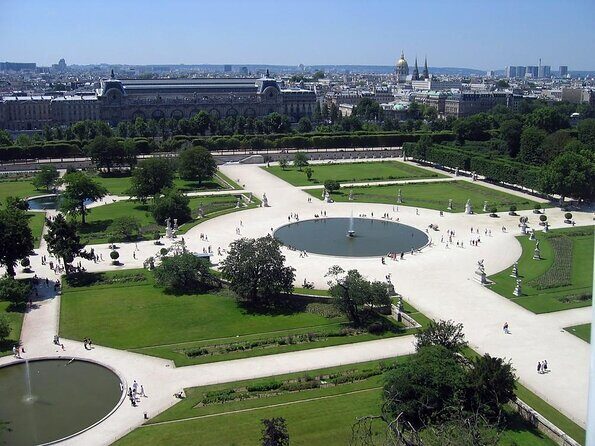
The Musée de l’Orangerie sits in the west corner of the Tuileries Gardens, beside Place de la Concorde. That location matters more than you might think. It’s a museum you can weave into a classic Paris day without feeling like a full-on mission.
The visit window is short, about 1 to 2 hours. That’s a good fit if you like art but also like grabbing coffee, walking the gardens, and still seeing other sights. And because this ticket includes both permanent and temporary exhibitions, you’re not forced into a single theme. You get to bounce between what the museum is always about and what it’s showing right now.
Also, the museum’s lineup is broad for a site that feels compact: you’ll find works by major names like Cézanne, Matisse, Picasso, Renoir, and Rousseau, plus other Impressionist and Post-Impressionist art. That variety is part of the value here. Even if Monet is your main reason for going, you’ll still leave with more than one artistic lane in your head.
You can also read our reviews of more tours and experiences in Paris



Dedicated entrance tickets: where the value really shows up
This ticket’s main job is simple: dedicated entrance so you can get in more smoothly than a walk-up line.
When you’re visiting during peak times, that can be the difference between a satisfying museum visit and a rushed one. Even if the queue looks manageable, it’s still time you can spend on the paintings instead. One person highlighted that on a rainy arrival, the line was long, and having the dedicated entry made the experience feel effortless. That’s the point.
Now, here’s the honest part. The dedicated entrance benefit only helps if your ticket pass works at the door. A cluster of problems in the supplied feedback centers on ticket delivery and acceptance: people arriving with vouchers or missing email links, then being asked to purchase again at the museum.
So my practical advice is this: treat your ticket like it’s valuable, because it is. Do not rely on a last-minute email miracle.
What you should do to protect your day
- Save your confirmation and any voucher details on your phone.
- If you receive a pass link or code, screenshot it and keep it offline.
- Give yourself extra buffer time on arrival.
- If entry doesn’t go smoothly, ask at the museum ticket desk what they can accept instead of waiting around.
I’m not saying this will happen to you. I am saying it’s smart to be ready.
What you’ll see: Monet’s Water Lilies plus a wider art cast
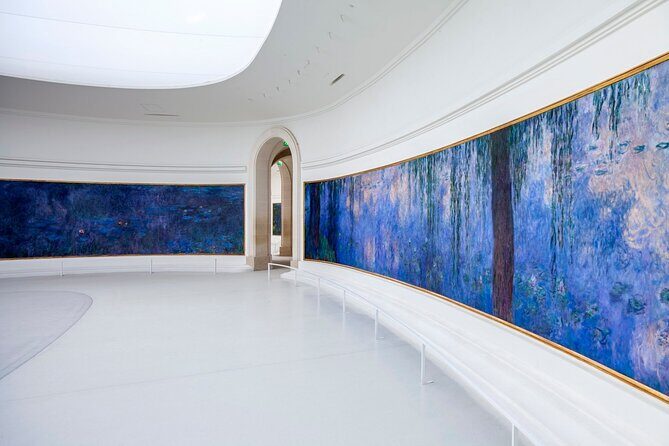
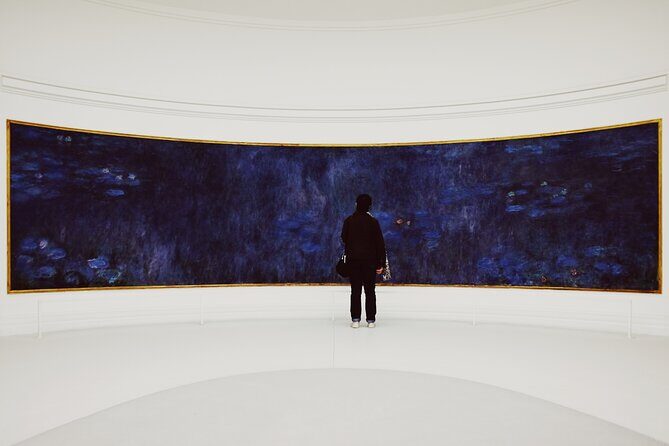
Let’s talk about the headline first: Monet’s Water Lilies series. The museum is famous for this body of work, and the ticket is built for people who want to see those paintings without wasting time.
But I wouldn’t only book for Monet and call it a day. The museum is designed to push your eyes from color and light into shape, mood, and artistic direction. When you pair Water Lilies with the surrounding collection—Impressionist and Post-Impressionist works—you start noticing patterns in how artists handled perspective, brushwork, and emotion.
That’s why I like the mix of artists listed here. You’ll see big names like Cézanne, Matisse, Picasso, Renoir, and Rousseau. Even if you don’t know every single painting, you’ll recognize the artistic questions each of these artists was asking:
- Renoir and the Impressionists often make you feel movement and atmosphere.
- Post-Impressionist work tends to push structure and color in more deliberate ways.
- The contemporary exhibition (included with this ticket) adds a modern angle that can make Monet feel less like a museum relic and more like an ongoing influence.
The museum also includes temporary exhibitions. Those change your experience. If you’re someone who likes a museum to have something current, this matters.
Using your 1–2 hours well: a simple route for art lovers
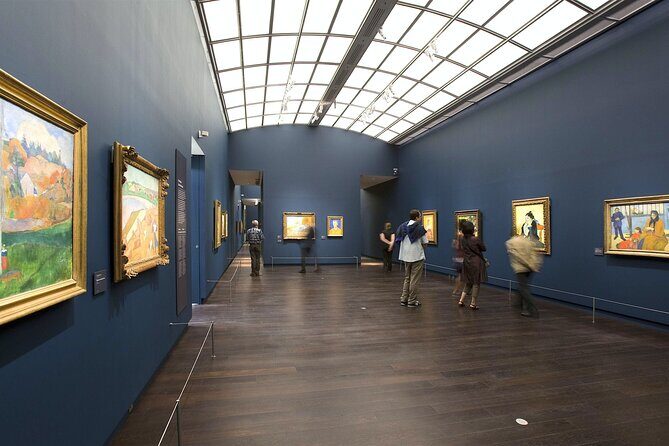
Because this is self-guided (no live guide included), your “plan” is really about pacing. I’d use the time like this, in order:
1) Start with the Water Lilies focus.
Even if you think you’ll wander first, you might not. People often spend a little more time there because it’s the core experience. Also, if anything slows you down at the entrance, you’ll want the signature works done early.
2) Move into the permanent collection next.
That’s where you connect Monet to the bigger story of Impressionism and Post-Impressionism. If you stay only with one style, the museum can feel one-note. If you pair styles, it feels like you’re watching how ideas evolve.
3) Finish with the temporary exhibition.
This is your chance to see what the museum is spotlighting now—again, all included with the ticket. Temporary shows can be the most fun part because you’re not repeating what you’ve already seen elsewhere.
One more time-saving tip: don’t try to see everything. In a museum like this, it’s better to choose a handful of works and really look. Let your brain do the connecting.
Also, build in micro-pauses. The Tuileries Gardens are right there. Even a short break outside after you’ve spent time indoors helps you reset your attention for the next stop in Paris.
Getting there: Tuileries Gardens, Place de la Concorde, and easy transit

This is one of those museums that benefits from being in a walkable, central spot. The Musée de l’Orangerie is in the Tuileries Gardens right next to Place de la Concorde, and it’s listed as being near public transportation.
Translation: you don’t need a long commute plan. You can fit it around other classic Central Paris stops and still keep your day sane. It’s also a good choice if you want art without signing up for a half-day bus trek.
If weather hits (rain happens in Paris), remember you’re still walking from a transit area into the museum zone. Having dedicated entry can reduce your time exposed while you’re waiting to go in.



Price and value: what $21.78 buys you (and what it doesn’t)

The price shown is $21.78 per person, and it’s commonly booked about 28 days in advance. That timing hint matters. Popular museum entries can be easier to lock in when you book ahead.
Now, value depends on what you want:
- You’re paying for dedicated entrance, plus access to permanent and temporary exhibitions.
- You’re not paying for a live guide. This is self-guided, so the value is tied to entry smoothness and your own comfort exploring on your feet.
A few comments in the supplied feedback point out that museum tickets sold directly may be cheaper than the bundled ticket price. I can’t verify exact current pricing from the data you provided, but the takeaway is clear: if you’re confident you can buy easily at the museum, paying a premium for convenience might feel unnecessary.
So I frame it like this:
- If you want less waiting and you’ll use the time inside well, the ticket can feel worth it.
- If you hate anything techy (email links, vouchers, app-based passes), or you’re visiting during a chaotic period, you may want to plan a backup so you’re not stuck at the entrance.
When plans change: strikes, disruptions, and ticket acceptance issues
Museums sometimes get hit by events outside anyone’s control. One comment in your provided information mentioned that a strike affected entry timing, and another mentioned police shutting down an entrance due to an incident. In those situations, access can be altered even if you show up with what you thought was valid.
More common than big disruptions, though, seems to be the ticket-handling problem. Several people described not receiving their ticket details in time, or being unable to find them, then having to buy again at the museum.
So here’s how I’d protect yourself:
- Book with enough lead time, not at the last minute.
- Make sure you have the confirmation ready offline.
- Arrive early enough that buying at the desk is still an option if your pass doesn’t scan.
Also, remember this ticket is non-refundable and can’t be changed if your plans shift. That’s not a dealbreaker, but it means you should treat the date seriously.
Should you book this Orangerie dedicated ticket?
Book it if:
- You want a smooth, dedicated entrance to one of Paris’s Monet must-dos.
- You’re fine exploring on your own and using the 1–2 hour window effectively.
- You want both permanent and temporary exhibitions with one entry.
Think twice (or plan extra carefully) if:
- You’re the type who panics when a phone pass doesn’t load.
- You’d struggle if you had to sort out entry acceptance at the museum desk.
- Your schedule is tight enough that “extra time to troubleshoot” would ruin the rest of your day.
If you’re practical and you keep a backup copy of your ticket info, this can be a great way to see Monet and then branch into the wider collection without wasting time.
FAQ
Where is the Musée de l’Orangerie located?
The Musée de l’Orangerie is in the Tuileries Gardens in Paris, in the west corner next to Place de la Concorde.
How long does the visit take with this ticket?
Plan on about 1 to 2 hours.
How much does this dedicated entrance ticket cost?
The price listed is $21.78 per person.
What does the ticket include?
It includes a dedicated entrance ticket and access to both the permanent and temporary exhibitions.
Does this ticket include Monet’s Water Lilies?
Yes. The museum is home to several paintings from Claude Monet’s Water Lilies series, and this ticket gives you entry to see them.
Is a live guide included?
No. A live guide is not included.
Are temporary exhibitions included?
Yes. The ticket includes access to the latest temporary exhibition as well as the permanent collection.
When will I receive confirmation after booking?
Confirmation will be received within 48 hours of booking, subject to availability.
Can I reschedule or change the ticket date?
No. Rescheduling is not possible for this ticket.
Is this ticket refundable?
No. The experience is non-refundable.
If you tell me your travel month and your plan for other nearby stops (Tuileries, Louvre area, or Musée d’Orsay day), I can help you place the Orangerie visit for the least stress and the best use of that 1–2 hour window.