REVIEW · PARIS
Paris Private Montmarte Tour : Sacre Coeur with Expert Guide
Book on Viator →Operated by Danis Tour · Bookable on Viator
Montmartre rewards a good slow walk. This small-group experience threads through the neighborhood’s famous corners and the calmer lanes in between, ending at Basilica Sacré-Cœur with a classic Paris view. You’ll also hear why places like Le Moulin de la Galette and Le Bateau-Lavoir mattered to artists, not just tourists.
I love two parts most. First, the guide energy: people have praised guides such as Selda, Daniel, Danyel, and Laura for being engaging, funny, and ready with real context. Second, the mix of stops, from big-name landmarks to street-level art scenes like Place du Tertre, where you can watch painters at work.
One consideration: Montmartre is hilly. Even when the pace includes short breaks, you’ll still want comfortable shoes and a little patience for the climbs.
In This Review
- What Makes This Montmartre Tour Feel Personal and Efficient
- The Route: Moulin Rouge, Amélie Café, and the Wall of Love
- Abbesses and the Old Streets: Where Montmartre Gets Real
- The Vineyard, the Photo Street, and the Artist Stops
- Place du Tertre: Painters, Pedestrian Energy, and Good Observations
- Dali Museum Stop: Optional, Time-Sensitive, and Often Short
- Sacré-Cœur at the End: Final Views That Make the Climb Worth It
- What the Best Guides Add (Selda, Daniel, Danyel, Laura)
- Walking Time, Terrain, and Photos: How to Prepare
- Price and Value: What You’re Actually Paying For
- Who This Montmartre Tour Fits Best
- Practical Tips for Making the Most of the Day
- Should You Book This Montmartre and Sacré-Cœur Tour?
- FAQ
- How long is the Paris Montmartre Tour with Sacré-Cœur?
- What is the tour price and group size?
- Is the tour in English?
- Where does the tour start and end?
- What is included, and what is not included?
- Will I be able to visit the Dali museum?
- What if I need to cancel?
What Makes This Montmartre Tour Feel Personal and Efficient
This tour is built around a practical “see it, understand it, keep moving” rhythm. It lasts about 2 to 2 hours 20 minutes, which is long enough to connect the dots across the hill, but short enough that you’re not stuck indoors or lost in long museum lines.
The group size is capped at 30, and the pricing is per group for up to 2 people. That usually means you can ask questions without feeling like you’re shouting into a crowd.
You’ll also start in a very central spot—5 Pl. Blanche (75009 Paris)—and finish at Sacré-Cœur. That matters because the day naturally “tilts upward” toward the views, instead of ending far from where you actually want to be.
The Route: Moulin Rouge, Amélie Café, and the Wall of Love

You’ll begin at Stop 1: Moulin Rouge. This is a photo-and-see moment (about 20 minutes), and the show itself isn’t part of the experience. It’s a quick way to place Moulin Rouge on the map before you move into the quieter, more local-feeling streets that sit behind it.
Next is Stop 2: Café des Deux Moulins, where you’ll spot the recognizable location tied to Amélie. The time here is short, but it works well because you’re getting a pop-culture landmark without turning the tour into a cafeteria-style detour. It’s also marked as free, so you’re not paying extra just to look.
Then comes Stop 3: Le Mur des Je t’aime (Wall of Love). This is one of those places where the physical spot is simple, but the story adds weight—how the Wall was made, why it’s arranged the way it is, and what the message means in everyday terms. You’ll stand, learn, and move on before the viewpoint shifts again.
You can also read our reviews of more tours and experiences in Paris.



Abbesses and the Old Streets: Where Montmartre Gets Real
Stop 4: Place des Abbesses is one of the stops that helps you “read” Montmartre like a neighborhood, not a theme park. Your guide points out sweet, famous places, plus an important church and a historic metro entrance/gate that gives the area its old-world character.
After that, you’ll visit Stop 5: Le Moulin de la Galette. This is a historic windmill dating to 1662 and a name that connects directly to the artist scene that made Montmartre famous. Even if you don’t go inside (free is listed here), the point is the story: why this windmill mattered to painters and how that creative culture stuck around.
Then you’ll pass Stop 6: La Maison de Dalida. It’s brief—just a look from the street—but these pop-by moments help the hill feel lived-in. Seeing where a major performer once lived gives you a different Montmartre angle than only the painters and poets.
The Vineyard, the Photo Street, and the Artist Stops
One of my favorite “Montmartre texture” moments is Stop 7: Vigne du Clos Montmartre—the last vineyard of Paris is found here. It’s not a huge area, but it’s a strong reminder that Montmartre isn’t only buildings and cafés; it has a real agricultural past.
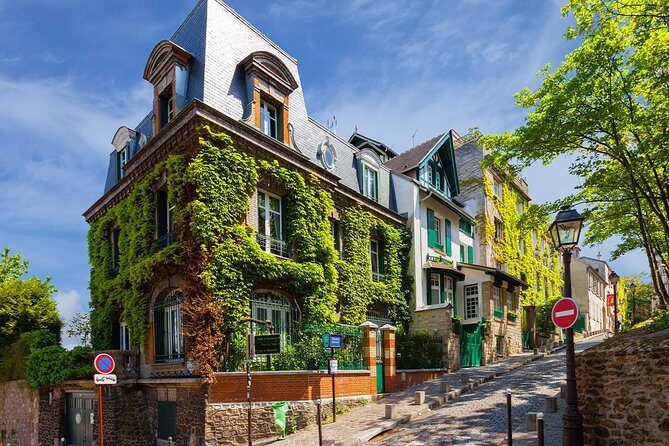
Then you’ll move to Stop 8: Rue de l’Abreuvoir, often described as one of the oldest streets in Montmartre. This is a photo stop, and it’s especially helpful if you want images that look like you stepped into the older side of Paris, not just the postcard version.
After that, Stop 9: Le Bateau-Lavoir brings you back to the artist story. You’ll learn why the place mattered and you’ll get a view of Paris from the area. It’s one of the better “connection” stops because you’re seeing a viewpoint while hearing what used to happen there.
Place du Tertre: Painters, Pedestrian Energy, and Good Observations
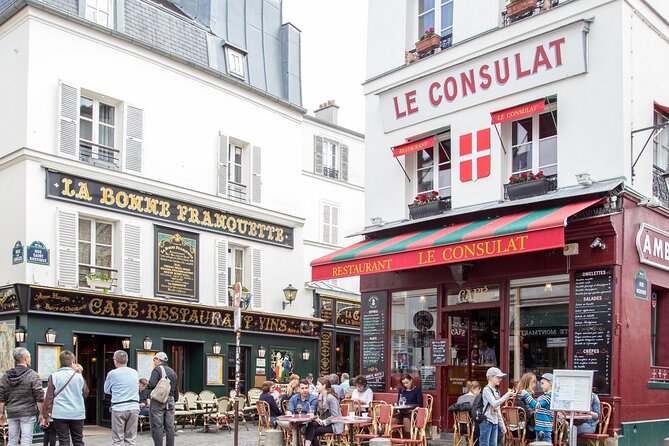
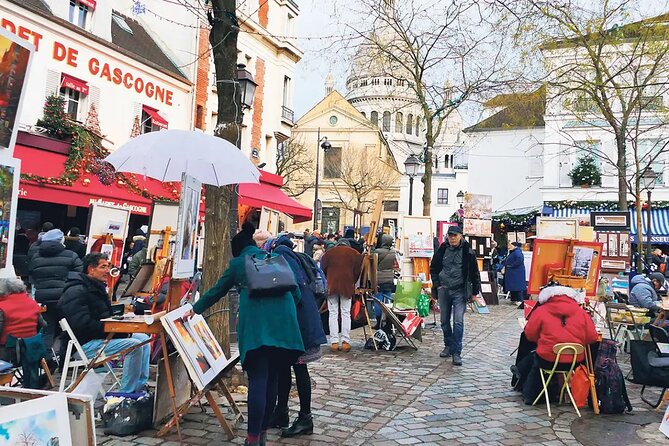
Stop 10: Place du Tertre is where Montmartre turns into a working art square. You’ll see small cafés and meet local painters with their incredible skills. You’re not going to a lecture—you’re watching people create right in front of you, and your guide can help you understand what you’re looking at.
A big plus here is pacing. Because the tour is timed tightly, you don’t feel dragged through the square for an hour. You get time to look, ask, and then roll onward before the crowds and the heat max out.
Dali Museum Stop: Optional, Time-Sensitive, and Often Short
The route includes Stop 11: Dali Museum Paris, but it’s described as a quick visit to a gallery where you might see real paint and sculpture if it’s open. Admission is not included, so you’ll want to treat this as a bonus rather than the core event.
If it’s closed, you still get the benefit of the walk and the context your guide provides. If it is open, great—you’ve added a high-contrast art stop without needing to plan a separate ticketed outing.



Sacré-Cœur at the End: Final Views That Make the Climb Worth It
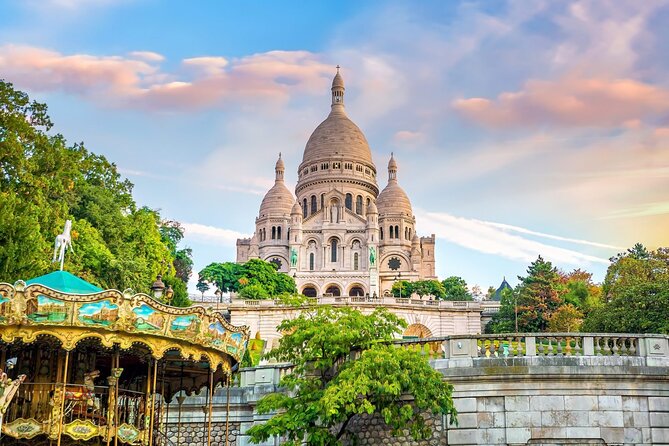
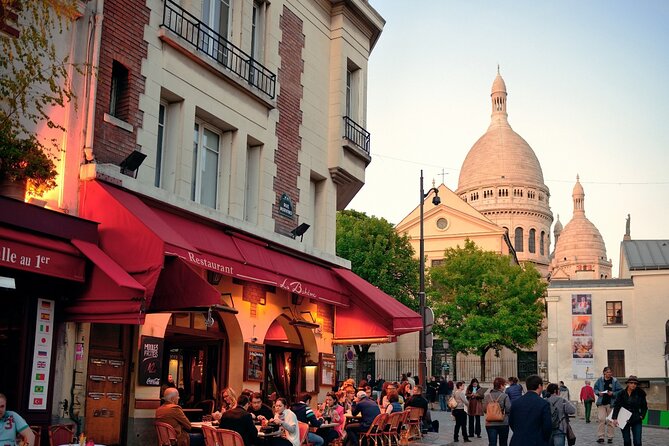
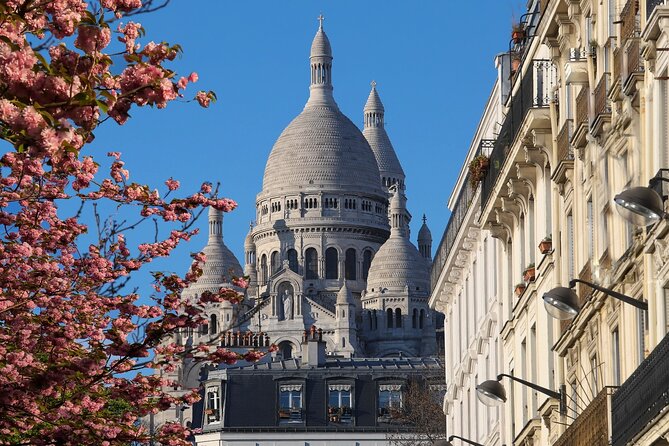
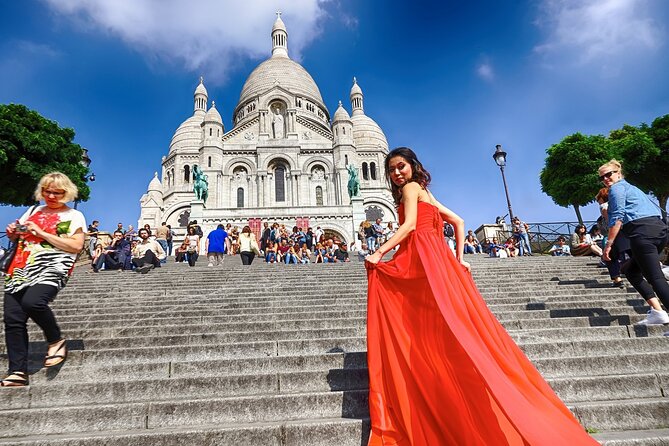
You’ll finish with Stop 12: Basilique du Sacré-Cœur de Montmartre. The basilica is shown as free for this stop, and your guide will explain what you’re seeing and how the church’s story fits into Montmartre’s overall identity.
Ending here is smart. You end at the place people actually travel to see, and you can take in the Paris view right from the front area where the tour concludes. It’s the kind of finish that makes the earlier stops feel connected, instead of random.
What the Best Guides Add (Selda, Daniel, Danyel, Laura)
The most praised part of this tour is the guide approach. People specifically mention Selda, Daniel (and Daniel’s variations like Danyel), plus Laura. Common themes: guides are engaging, personable, and quick with humor, and they’ll shape the walk so it feels like a story rather than a checklist.
Another practical win: breaks. One comment notes the walk is hilly but manageable, and the guide stopped for breaks as needed. That’s a real quality-of-life detail in Montmartre, where the slope can wear you down faster than you expect.
Also note the language flexibility. The tour is offered in English, but at least one experience mentions the guide working in both French and English. If you have anyone in your group who understands French too, you’ll probably find the communication smoother.
Walking Time, Terrain, and Photos: How to Prepare

Even though this is a walking tour, it’s not one long slog from start to finish. The itinerary uses lots of shorter stops—think 5 to 20 minutes—so you’re constantly resetting your legs and your attention.
Still, Montmartre sits on a hill. If you’re the type who hates steep steps, bring a slower mindset. Comfortable shoes matter more than style here, especially if you plan to linger for photos near Sacré-Cœur after the tour ends.
For photos, a quick tip: plan to use your best energy at the view-based stops, like the area around Le Bateau-Lavoir and the Sacré-Cœur finish. The earlier photo moments are great too, but the climb makes those final wide shots the easiest to “feel the payoff.”
Price and Value: What You’re Actually Paying For
The price is $241.87 per group (up to 2) for about 2 to 2 hours 20 minutes, with the guide included. That can sound high compared to cheaper city walks, but value depends on what you’re buying.
Here you’re paying for three things that are hard to DIY fast:
- A tight route that hits well-known stops (Moulin Rouge area, Wall of Love, Sacré-Cœur) without wasting time.
- Context that makes small places—like Dalida’s house and the last Paris vineyard—feel specific and not random.
- Live pacing by a guide, including the chance for breaks on a hilly day.
Tickets and extras aren’t included. That includes tips and also things like the Moulin Rouge show and museum entrances (for example, the Dali museum visit is only if open, and admission isn’t listed as included). So if you’re imagining a fully ticketed day with no extra spending, double-check what you’ll need.
Who This Montmartre Tour Fits Best
This tour suits you if you want:
- A structured way to see Montmartre in a short window.
- A guide who can connect art history to real street corners.
- A mix of landmarks and working art spaces like Place du Tertre.
It’s also a solid choice if you’re traveling with teens or adults who get bored with long narration. Several comments mention teenagers staying interested, which usually means the guide keeps things moving and interactive.
If you’re mobility-limited, I’d approach carefully. The tour says most travelers can participate, and the walk is described as hilly but manageable with breaks—but you’ll still be on foot on slopes.
Practical Tips for Making the Most of the Day
- Bring good walking shoes. Montmartre’s hill is the real main character.
- Have your camera ready for Rue de l’Abreuvoir and the Sacré-Cœur finish.
- If you care about the Dali museum stop, keep expectations flexible since it depends on whether it’s open.
- Keep a little cash for optional purchases at cafés, since the route includes café squares and time to linger.
Also, the tour uses a mobile ticket, which helps if you don’t want to juggle paper confirmations.
Should You Book This Montmartre and Sacré-Cœur Tour?
Book it if you want a smart, time-efficient Montmartre walk that ends where you want the view—Sacré-Cœur—and you value a guide who makes the story feel human. The standout strengths are the guide’s personality (people point to Selda, Daniel/Danyel, and Laura) and the way the tour blends famous sights with street-level art culture.
Consider skipping or picking another option if you only want ticketed attractions and long museum time. Here, several stops are listed as free sights, and key paid extras (like the Moulin Rouge show and museum entrances) are not included.
If your goal is to leave Montmartre feeling like you understood it, this route is a strong match—and the finish gives you a satisfying payoff.
FAQ
How long is the Paris Montmartre Tour with Sacré-Cœur?
It runs about 2 hours to 2 hours 20 minutes.
What is the tour price and group size?
The price is $241.87 per group for up to 2 people, and the activity has a maximum of 30 travelers.
Is the tour in English?
Yes, it’s offered in English.
Where does the tour start and end?
It starts at 5 Pl. Blanche, 75009 Paris, and ends at the front of Basilique du Sacré-Cœur de Montmartre, 35 Rue du Chevalier de la Barre, 75018 Paris.
What is included, and what is not included?
The guide is included. Tips are not included, and admissions for places like the Moulin Rouge show and museum entrances are not included.
Will I be able to visit the Dali museum?
You’ll stop at the Dali Museum Paris gallery, but it’s described as only if it is open. Entrance is not included.
What if I need to cancel?
You can cancel for a full refund if you cancel at least 24 hours before the experience’s start time.