REVIEW · PARIS
Paris Private Seine River Cruise with your Captain Guide
Book on Viator →Operated by Paris River Cruise · Bookable on Viator
Paris from the water beats photos.
This private Seine cruise is interesting because you follow a smart slice of the river with your captain guide, instead of getting trapped on a packed dinner boat. I especially love the close-up views of landmarks you usually only see from far away—think Alexandre III Bridge, Orsay Station, and the big turning points around Île de la Cité. If you’re lucky enough to sail with Captain Alexis (a common favorite), you’ll get clear pointers and a relaxed rhythm that helps you actually take it all in.
The second thing I like: the cruise feels tuned for your group. It’s up to 7 people, and the vibe stays personal, with time to pause for photos and practical sightseeing notes along the way. One drawback to plan around: there’s no toilet on board, so you’ll want to use the on-site restaurant facilities near the departure dock before you set off.
In This Review
- Key highlights you’ll feel right away
- Getting on the boat at Suresnes: where the cruise really starts
- Saint-Germain Island to Issy-les-Moulineaux: the calmer side of Paris
- Seine Musicale and Seguin Island: modern Paris on the water
- Statue of Liberty at Grenelle and the Eiffel Tower pass
- Alexandre III Bridge to Orsay Station: ironwork, craft, and repurposed beauty
- Louvre’s riverside ideas, the oldest bridge, and the padlock bridge moment
- Île de la Cité and Île Saint-Louis: where Paris was born
- Why the private captain format matters (and how to get the most from it)
- Price, timing, and value for up to 7 people
- What to bring (and what to wear) for a comfortable Seine cruise
- Should you book this private Seine cruise?
- FAQ
- How long is the private Seine river cruise?
- What is the group size for this private cruise?
- Where does the cruise start and where do you end?
- Is the tour offered in English?
- Are food and drinks included?
- Does the boat have a toilet?
- Do I need to arrange my own transportation to the meeting point?
- What happens if the weather is bad?
Key highlights you’ll feel right away
- Private boat time for up to 7 people, so you can spread out and take pictures without shoulder checks
- Captain-led storytelling tied to what you’re seeing, from the islands to the bridges
- A classic Paris route plus a modern stretch, including Seine Musicale and the west bank sights
- Big landmark moments in passing, like the Statue of Liberty at Grenelle and the Eiffel Tower from the water
- Photo-friendly cruising, with multiple stops where you can frame your shot before moving on
- Drop-off near Pont de Grenelle, close enough to continue your evening on foot by the Eiffel Tower area
Getting on the boat at Suresnes: where the cruise really starts
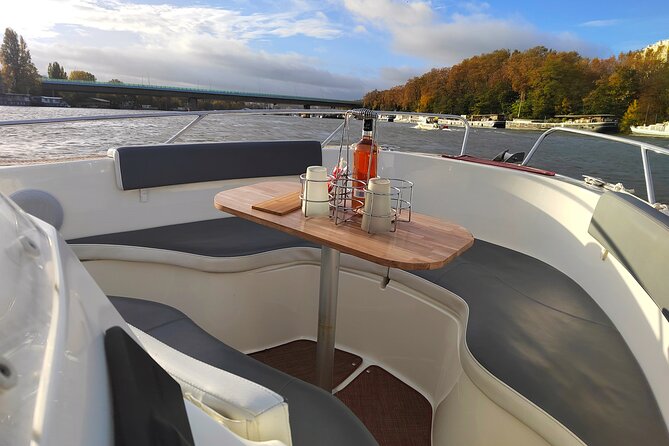
Your trip begins not deep in central Paris, but in Suresnes, at 5 Quai Marcel Dassault, 92150 Suresnes. The good news is that the meeting setup is practical: there’s a private port area, plus access to toilets at a restaurant right near the departure point, which matters because the boat itself has no onboard toilet.
Plan to arrive 15 minutes early. That buffer helps you get sorted before departure, and keeps things smooth because the boat is required to leave on time—any delay can cut into your cruise time. Also, if you’re using a taxi or ride-hail, expect the Suresnes location to be about 35 minutes by Uber from Paris district 8 (75008) in typical conditions.
Once you’re aboard, you’re not just riding—you’re moving through Paris’s river “chapters.” This is a 1h45 cruise (navigation conditions can shift the exact on-board time), so the route is built to show key sights without wasting minutes.
You can also read our reviews of more tours and experiences in Paris.

Saint-Germain Island to Issy-les-Moulineaux: the calmer side of Paris
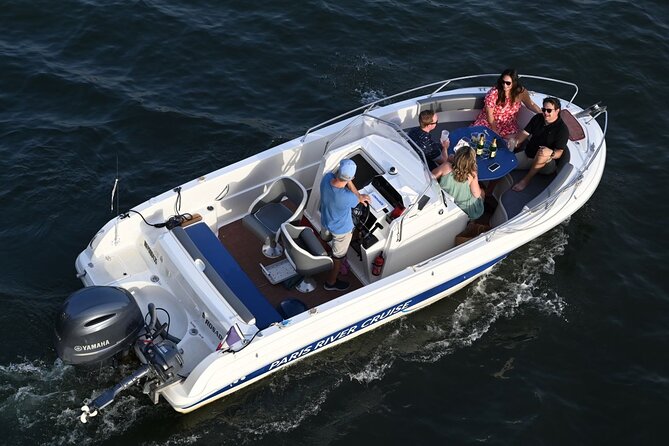
Early on, you get a little nature before the city crush. This section runs alongside Saint-Germain Island, where the vibe changes from city glow to a more open, riverbank feel. It’s also a solid reminder that Paris didn’t just spring up overnight. You’ll hear how the island’s story ties to shifts in land use—starting as agricultural territory and later transforming through major developments.
The route passes by sites connected to big 19th-century change, including the beginnings of buildings linked to the Central Comptoir of Crédit Bonnard et Cie and the agricultural-focused pavilion connected to the Universal Exhibition of 1867. That’s useful context because when you see a stretch that looks “pleasant,” the guide can help you understand what replaced older land and why.
If you’re the type who likes city sightseeing with meaning (and not just postcard views), this part helps you get bearings fast. It’s also a nice reset before the iconic monuments start stacking up.
Seine Musicale and Seguin Island: modern Paris on the water
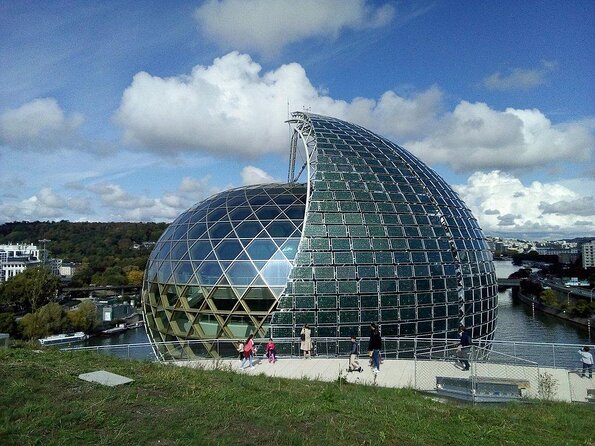
Next comes a very different feel: modern architecture and cultural energy. The boat follows the stretch around Seguin Island in Boulogne-Billancourt, where the area is built on the former Renault factory site. Right along the river, you’ll see the Seine Musicale complex, which is known for its big performance spaces and its role in bringing more culture to the west side of Paris.
This is the kind of stop that works even if you’re not a concert person. The scale hits quickly: the main concert room is described as holding 4,000 seats and 6,000 standing. You also get the story behind the venue—how it’s aiming to be a destination for musical celebrations.
As you keep moving, the cruise also includes a glimpse of house boats—the local water-life side of Paris that most first-time visitors miss. It’s a fun contrast: monumental bridges and museums on one side, lived-in river weirdness on the other.
Statue of Liberty at Grenelle and the Eiffel Tower pass
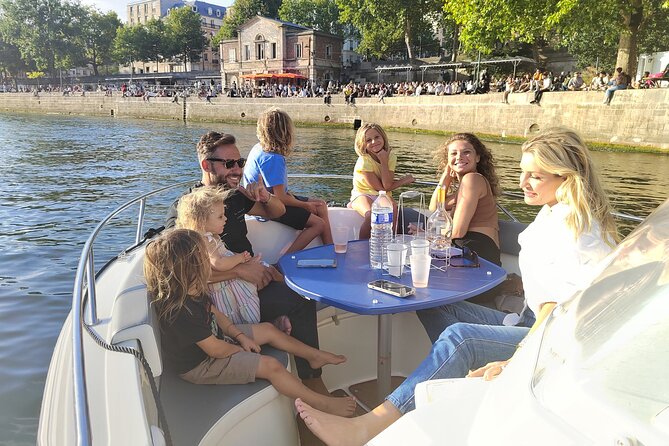
Then you hit two of the most fun “wait, what is that?” moments on the river.
First, you pass by the Statue of Liberty located near the Grenelle bridge. It was inaugurated in 1889, originally installed with a torch that faced toward the Eiffel Tower and later changed orientation over time. The detail that makes this sight worth seeing is the history of repositioning—eventually moved in 1937 so it could face New York, where the larger sister statue stands.
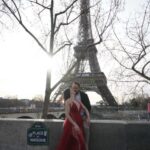
After that, you get the classic draw: the Eiffel Tower. The guide frames it in its original context as part of the Universal Exhibition of 1889, tied to themes of industrial progress. Even if you’ve seen Eiffel Tower pictures for years, seeing it from this angle on the Seine feels different—because you’re not looking up from a plaza. You’re watching it rise from the river’s slow curve.
From practical experience, this is one of the best parts to time with your camera battery and your patience for “one more photo.” You’ll want a clear view of the tower from the boat, and this cruise gives you that without rushing you off to the next stop.
Alexandre III Bridge to Orsay Station: ironwork, craft, and repurposed beauty
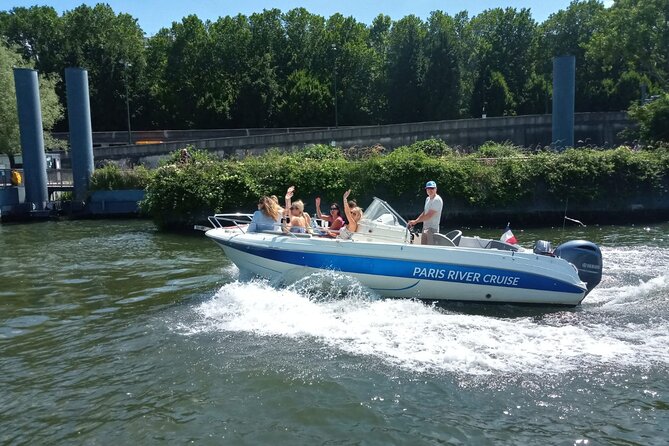
If you only remember one bridge from this cruise, make it Pont Alexandre III. You’ll go near it and also under it, which is exactly how to appreciate its design. It’s described as a remarkable cast steel bridge around 160 meters long, and the decoration is the point.
The highlights you can keep an eye out for include 32 bronze candelabra, four pillars topped with golden crowns, and rich ornamentation in a style associated with Louis XIV, plus lion statues at each end. Being on the river makes these details easier to spot than from far on the bank.
After the bridge, you pass an icon of Paris repurposing: the Musée d’Orsay area, housed in the old Orsay station. The story here matters because it shows how cities survive by adapting. This station was built by Victor Laloux in 1900, and the style is described as closer to Second Empire than Art Nouveau. The dramatic bit is its conversion from a transport hub into a museum space built for a new purpose.
In other words, you’re seeing two kinds of “Paris engineering” in a row: the craft of ironwork on a bridge, then the reuse of a major building into cultural life.

Louvre’s riverside ideas, the oldest bridge, and the padlock bridge moment
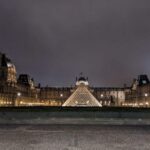
Once you’re closer to the central river islands and bridges, the sights start feeling more compressed—in a good way. You’ll pass in front of the Louvre, and the guide’s context can help you make sense of why the museum exists where it does. The timeline explained here is key: the court moved to Versailles, and then the Louvre became a home for nobles, intellectuals, and artists. Later, a project took shape, and the French Revolution helped open the Grande Galerie to the public.
Then you get a genuine Paris timeline lesson via bridges.
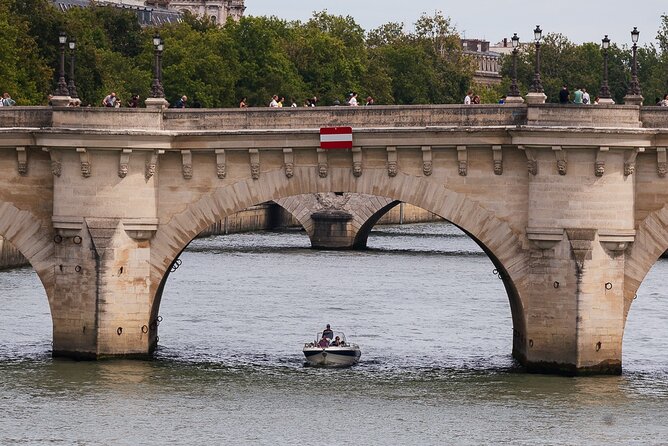
You’ll see the oldest bridge on the Seine, with construction decided in 1577 by King Henry III. The notes you’ll hear include the political side of building—commissioning work to keep things running smoothly—and the ceremonial start, with the king laying the first stone in the presence of Catherine de Medici and Louise de Lorraine. The work continued until 1588, so you’re looking at a river crossing with centuries of memory behind it.
And yes, you’ll also pass the famous padlock bridge. The cruise includes this stop as part of the experience of seeing it up close from the boat. The details matter: it’s a first metal bridge in Paris, made of cast iron with nine arches, built between 1801 and 1804. The original idea included a hanging garden concept—whether or not you catch that detail in your imagination, the bridge’s form and material are what you’ll notice.
This part of the cruise is great if you like the sense that Paris is layered. Bridges aren’t just crossings here—they’re time machines.
Île de la Cité and Île Saint-Louis: where Paris was born
Now you reach the heart of the city story. The Île de la Cité section is treated as the cradle of Paris, tied to the earlier settlement of Lutetia. The guide’s framing connects the dots: fortifications created shelter for power, and over time you get civil, military, and religious influence concentrating on this island.
After 1000, the Capetian kings built a royal palace, which later becomes the area you know today as the Palace of Justice. And when the bishops of Paris built Notre-Dame Cathedral, the Cité alone couldn’t hold the growing population. That’s when the shift spreads outward—toward Île Saint-Louis and across both banks of the Seine.
From the boat, following both islands gives you a better sense of geography than most land-based routes. You can also enjoy smaller landmark beats along the way, like the viewpoint near Pont Marie. This bridge is described as a favorite walking route, tied to early 17th-century planning that connected the right bank to the University on the left bank.
You’ll also hear an interesting urban-planning detail: for a long time, Île Saint-Louis contained two islets separated by a channel, once called Notre-Dame Island and Vaches Island, linked to the canons of Notre-Dame. It’s one of those facts that makes the island look more intentional when you’re actually seeing it.
Why the private captain format matters (and how to get the most from it)
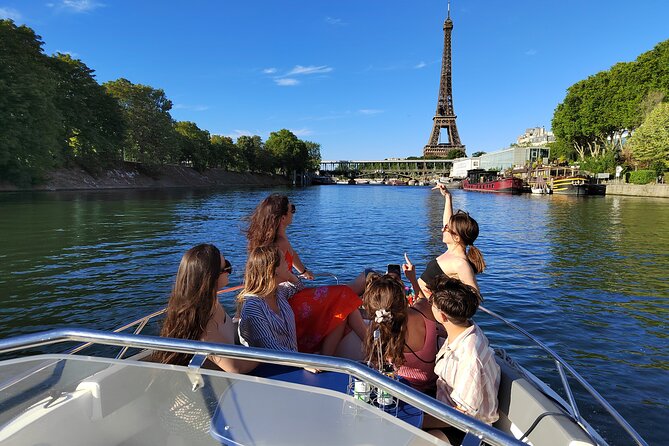
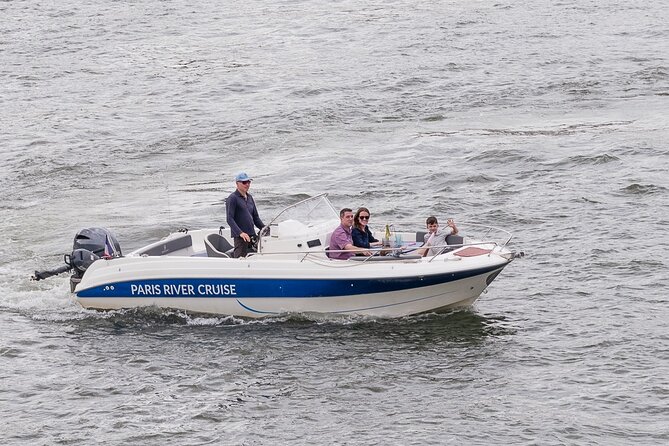
This is a private tour/activity, so you’re not competing with dozens of strangers for the best sightline. On a big cruise boat, the river can feel like a slow cattle chute. Here, the captain can steer the timing around your group’s pace—pause for photos, watch for angles, and keep the narration aligned with what you’re seeing right now.
Captain-led guidance also changes how you experience the monuments. The cruise is designed so that the explanation is attached to each pass: bridges get architectural detail, museums get origin stories, and islands get political and population context. That turns the Seine from a view into a guided walk, only floating.
The best practical benefit shows up in the photo game. In multiple successful outings, Captain Alexis is described as taking photos with people’s phones and helping them get the right angles. If photography matters to you, this is where privacy pays off most: fewer interruptions, fewer blocked shots, and more willingness to stop and reset.
Even better, some groups liked the way the captain handles the boat smoothly around traffic. You’ll see bigger boats nearby sometimes, and the private craft experience tends to feel calmer because you don’t get stuck in a slow-moving crowd.
Price, timing, and value for up to 7 people
The price is $541.85 per group, with a group size up to 7. That means the real value depends on your headcount. Rough math: if you fill the boat with 7 people, you’re around the low-to-mid $70s per person. If you’re a smaller group, the per-person cost rises—but you still get the same private captain guide and the same routing logic.
Duration is about 1 hour 45 minutes, and navigation and conditions can affect the exact on-board time. Because the schedule matters and delays can reduce the cruise length, you’ll want to protect your day a little. Don’t stack a hard appointment right after—especially in warm months when traffic and river conditions can shift.
Timing also matters for mood. Some cruises in late day and sunset hours are described as timed so that you can see Eiffel Tower sparkle moments. That’s not something you can guarantee on any given night, but it gives you a good reason to book a later slot if your priority is romance and light.
Also note: the cruise is booked on average 48 days in advance. That doesn’t mean you can’t book later, but it’s a sign this is a popular way to do the Seine. If you have specific dates, lock them in earlier rather than later.
What to bring (and what to wear) for a comfortable Seine cruise
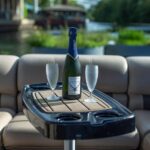
You can bring your own drinks and snacks on board, and the experience includes a bottle opener and plastic cups. That’s a nice setup for a light picnic vibe, especially if you’re traveling with family or teens who want something familiar.
Because the boat is described as lacking a toilet, you should plan around that at the start. Use the toilets near the departure area before you board. For the rest of the ride, treat the boat as strictly sightseeing time.
Clothing matters, and not in an abstract way. Several outings mention hot weather and also cooler breezy moments on the river. A simple rule: dress for your comfort plus a small “Seine breeze buffer.” Sunglasses help, sunscreen helps, and if you’re going late afternoon into evening, bring a layer.
Finally, think about mobility expectations. The boat is not accessible to people with reduced mobility. If your group includes anyone who struggles with steps or uneven access, you’ll want to plan accordingly.
Should you book this private Seine cruise?
Book it if you want the best kind of Seine day: private, story-driven, and timed for seeing landmarks without the crowd chaos. The combination of up-close views, a captain guide who explains what you’re looking at (often Captain Alexis), and a route that includes both classic Paris icons and modern river sights makes this one of the more efficient ways to get oriented quickly.
Skip it or at least adjust expectations if you’re chasing a very long boat ride or you strongly need onboard restroom access. Since there’s no toilet on board and time depends on weather and navigation, it’s not a fit for everyone.
If your goal is a memorable Paris highlight that feels personal—where you can pause, photograph, and actually understand the river—this cruise is a strong yes.
FAQ
How long is the private Seine river cruise?
It lasts about 1 hour 45 minutes, depending on navigation conditions.
What is the group size for this private cruise?
It’s priced per group and can host up to 7 people.
Where does the cruise start and where do you end?
You start at 5 Quai Marcel Dassault, 92150 Suresnes, France. You end in Paris near Pont de Grenelle (75015 Paris), about 950 meters from the Eiffel Tower.
Is the tour offered in English?
Yes, it’s offered in English.
Are food and drinks included?
Food and drinks are not included. You can bring your own drinks and snacks, and the experience includes a bottle opener and plastic cups.
Does the boat have a toilet?
No, the boat does not have a toilet on board. The restaurant at the departure location has toilets.
Do I need to arrange my own transportation to the meeting point?
Transfer is not included, so you’ll need your own way to get to the start location.
What happens if the weather is bad?
The cruise is highly dependent on the weather. If it’s canceled due to poor weather, you’ll be offered a different date or a full refund.