REVIEW · PARIS
Paris: The Ultimate Wine and Cheese Tasting in English
Book on GetYourGuide →Operated by Les Caves du Louvre · Bookable on GetYourGuide
You learn fast when the tasting room feels right. This 2-hour session pairs French wine and cheese in an English-led class inside a cellar setting, with a format that makes terroir and pairing concepts easy to grasp.
What I like most is the simple structure: 10 wines matched with 10 cheeses, and you get to compare white and red styles side by side. I also like that the expert walks you through what you’re tasting, including how to choose wine and how to pair it with cheese. A quick heads-up: this is not kid-friendly (it’s for ages 18+), and you’re paying for alcohol-focused tastings, with no non-alcoholic drink included.
The best part is how the wines act like a map of France. You’ll taste 5 whites and 5 reds that represent major regions like Bordeaux, Burgundy, and the Rhône Valley, while cheeses range across styles including Brie, blue cheese, and fresh goat cheese from the Loire Valley. One possible drawback to consider is the pace: in just 2 hours, there’s a lot to taste, so come with an appetite and a willingness to learn quickly.
If you’re the type who asks questions, you’ll fit right in. Past sessions led by English wine experts such as Justan, Alexis, and Clemant have been praised for answering questions and explaining how terroir and regulations affect what ends up in your glass. I found that the best value comes from paying attention to the pairing logic, not just chasing the favorites.
In This Review
- Key things you’ll notice right away
- A Paris wine-and-cheese tasting that teaches you the rules
- The flight: 10 wines and 10 cheeses in 2 hours
- Bordeaux, Burgundy, and the Rhône Valley in your glass
- Pairing technique you can actually use later
- Cheese lineup: Brie, blue, and Loire goat cheese
- What “AOP” changes for your next bottle
- The English expert experience (and why their names matter)
- Price and value: what $128 buys you
- Who this tasting is best for
- Should you book this Paris wine-and-cheese tasting?
- FAQ
- How long is the wine and cheese tasting class?
- How many wines and cheeses will I taste?
- What languages is the tour available in?
- Is hotel pickup or drop-off included?
- Are non-alcoholic beverages included?
- Is this experience suitable for children?
- How much does it cost per person?
Key things you’ll notice right away
- 10-and-10 tasting format: ten wines paired to ten cheeses, so you can learn matching logic fast
- French regions in focus: Bordeaux, Burgundy, and Rhône Valley show up directly in the flight
- AOP gets explained: you’ll learn what the French regulation system means when reading labels
- Seasonal selection shifts: the wine and cheese lineup can change by season
- Pairing education with real examples: you learn techniques for choosing wine and pairing with cheese
- English wine expert guidance: Q&A and practical explanations from an instructor-led class
A Paris wine-and-cheese tasting that teaches you the rules
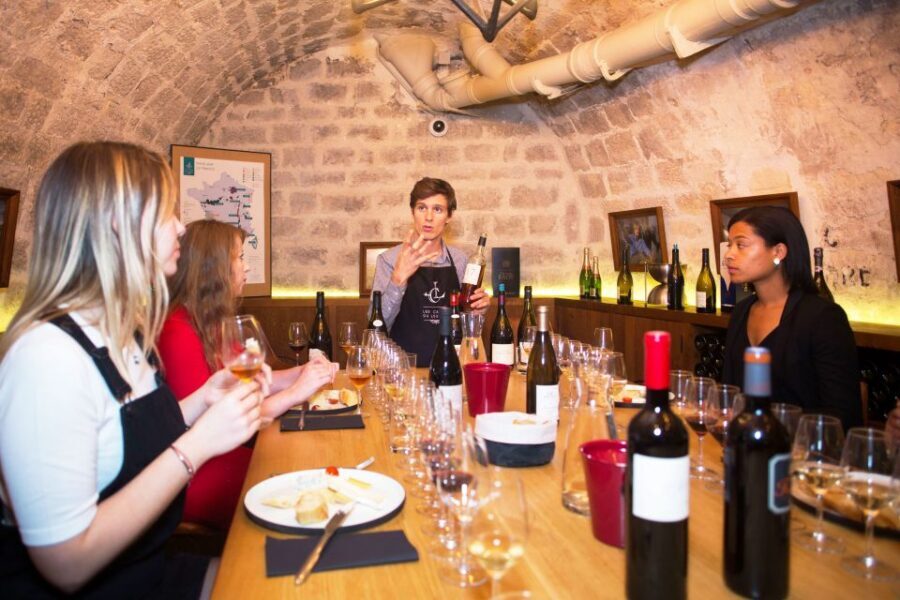
This experience is built for people who want more than a quick sip-and-snack. It’s a 2-hour tasting class where you taste French wine and cheese together, then learn how the pieces connect. Instead of memorizing jargon, you get clear explanations on what makes a wine taste the way it does, and why certain cheeses love certain styles.
What makes it useful is the teaching angle. You’re not just sampling 20 items and hoping something clicks. The expert covers tasting techniques, how to choose wine, and how to pair it with cheese. That means when you leave, you’re more likely to shop smart in a wine store instead of picking blindly.
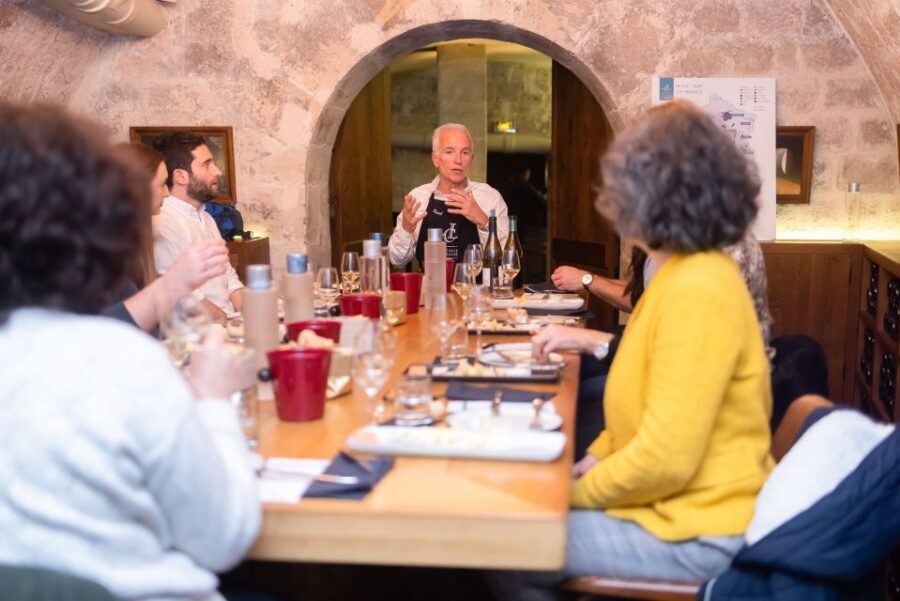
The setting also matters. You’ll enter the cellar and spend time in the tasting room atmosphere, which helps keep the whole thing feeling intimate and focused. This isn’t a rushed bar tasting where you can barely hear the staff over music.
You can also read our reviews of more food & drink experiences in Paris



The flight: 10 wines and 10 cheeses in 2 hours
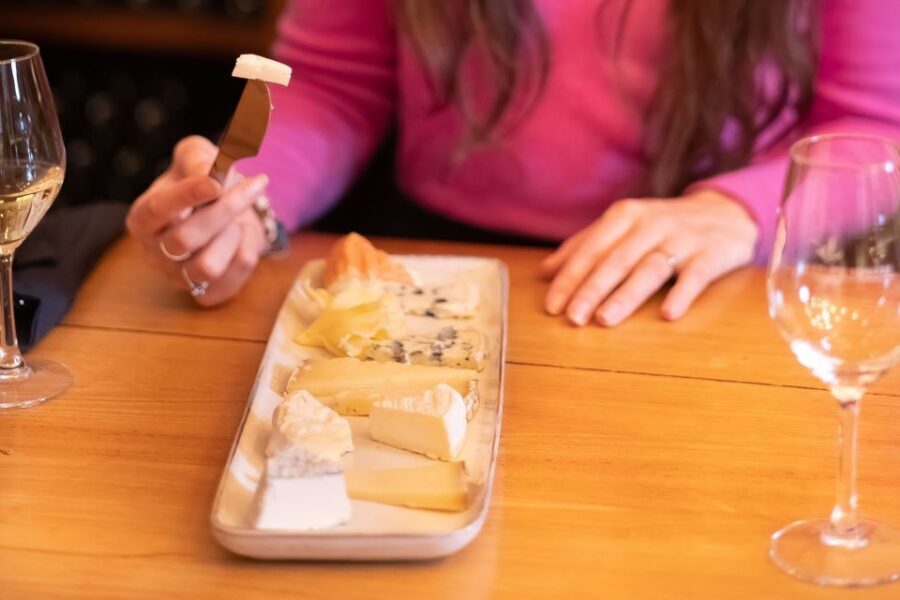
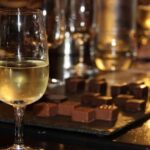
You’ll taste 10 wines total, split into 5 whites and 5 reds. Expect a quick, guided walk through how different grape and region styles can taste different even when you’re only a few samples apart. That “compare right now” approach is exactly how pairing education sticks.
Then comes the cheese side of the equation: 10 cheeses from across France. The lineup includes cheeses like Brie, blue cheese, and fresh goat cheese from the Loire Valley. Each pairing is meant to show you something practical: how fat, salt, and acidity in cheese can either soften or sharpen wine flavors.
The pacing is the only thing to watch. Two hours sounds short, and it is. But it’s also long enough to do more than one meaningful comparison. If you like slow meals and long chats, you might wish for extra time. If you want a structured hit of learning and taste, this format works well.
Bordeaux, Burgundy, and the Rhône Valley in your glass
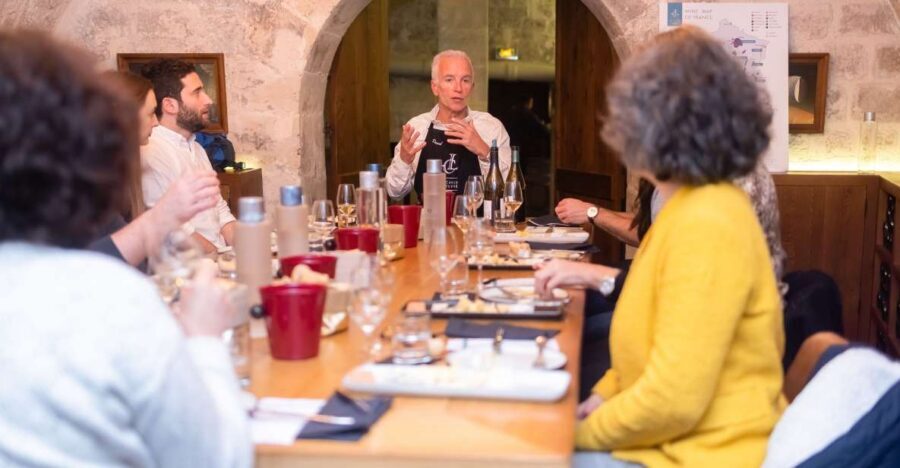
One of the best parts is that the tasting is anchored in French terroir. You go around major wine regions like Bordeaux, Burgundy, and the Rhône Valley without needing a train ticket. For me, that’s the big appeal: France’s regional variety is hard to understand when you only taste random bottles. Here, the regions are the lesson plan.
Here’s the practical way to think about it. Regional wine tends to carry patterns you can learn to recognize:
- how white wines can feel crisp or richer depending on the growing area
- how reds can shift from fruit-forward to more structured
- how the overall style changes when you move across regions
You’ll also learn what helps define those styles—growing conditions, soils, and production choices—so you don’t just taste a flavor and guess. The expert you get can name the region and explain why that wine tastes like that, which is exactly what you want if you’re trying to build real confidence.
If you’re already curious about French wine, this is a fast way to get oriented. If you’re new to it, it’s a gentle way to avoid getting overwhelmed, because the tasting is guided and structured.
Pairing technique you can actually use later
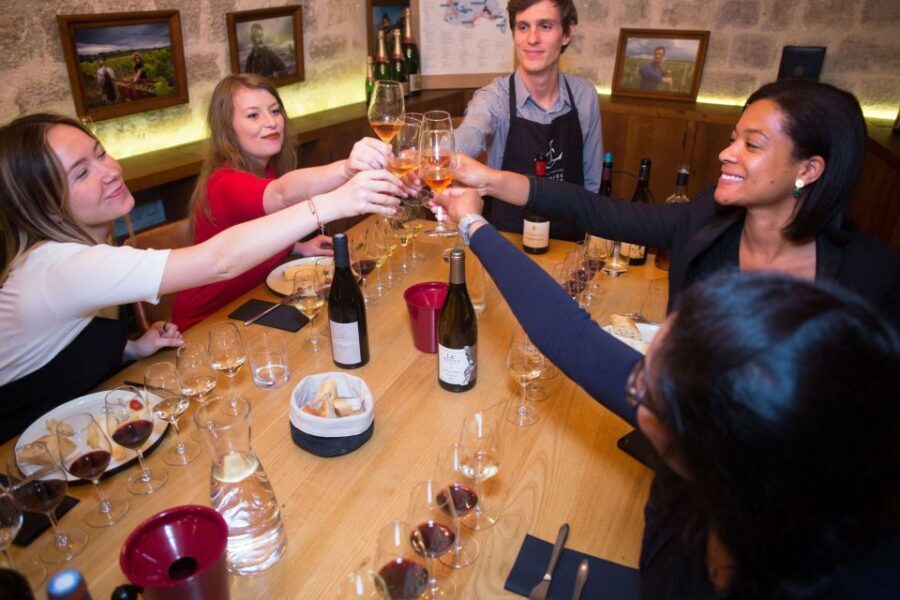
Pairing is where most tastings either teach you something or confuse you. This one leans toward useful. You’ll learn tasting techniques and pairing methods that focus on why the match works.
You’ll get instruction on:
- how to choose wine
- how to pair it with cheese
- how to think about styles rather than just names
A really important concept you’ll hear is AOP. This is the French regulation system, and understanding it helps you read labels with more confidence. You start connecting the dots between what’s protected and controlled in the region, and what ends up in the bottle. That matters if you want to keep buying French wine without relying on luck.
Also, you’re tasting both sides of the spectrum. White wines paired with cheeses can highlight different cheese characteristics than red wine pairings do. That’s a smart design choice, because it trains your palate to notice what changes with the wine style.
One tip based on the way the pairing education is described: don’t just decide your favorites during the tasting. Try to identify one thing you learned from each pairing. Even a simple note like more acidity feels good with a rich cheese, or certain reds handle salt better, can make your next purchase much easier.
Cheese lineup: Brie, blue, and Loire goat cheese
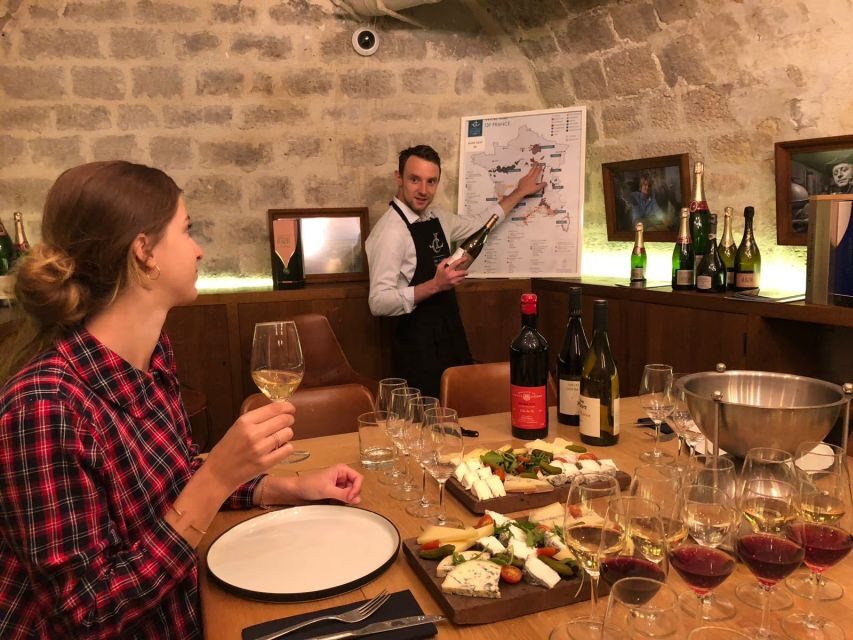
The cheese assortment makes the class more interesting than a one-note tasting. You’ll encounter different textures and strengths, not just mild cheeses. Brie gives you a familiar, creamy benchmark. Blue cheese brings a bolder, sharper profile that tests how wine handles salt and intensity. And fresh goat cheese from the Loire Valley gives you that tangy character that can be a fun puzzle piece for pairing.
Here’s why that matters for value. If you only tasted mild cheese, you might leave thinking you learned “wine basics” and still feel unsure pairing with stronger flavors. But mixing in blue and fresh goat cheese forces you to practice tasting the way real cheese lovers do. Even if you don’t think you like cheese, the range increases your odds of finding something you enjoy.
One more detail I appreciate: the menu may change by season. That means you’re not just repeating the same flight forever. If you’re in Paris again, you have a reason to come back and compare how the selections shift.
You can also read our reviews of more wine tours in Paris



What “AOP” changes for your next bottle
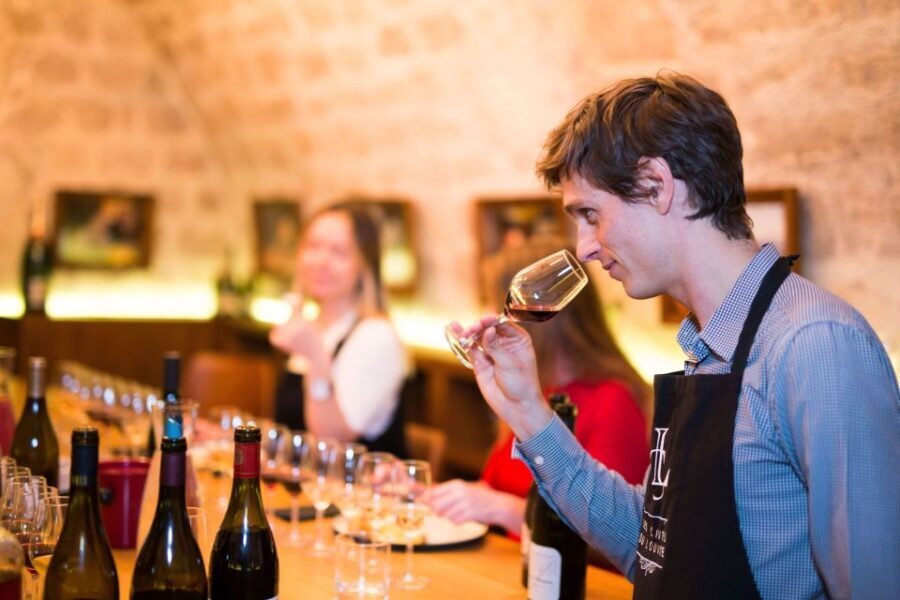
You’ll hear about AOP, the French regulation system. Even if you’re not planning to memorize acronyms, learning what AOP means helps you approach bottles with better instincts.
Why this matters: French wine labels can feel like a code. AOP gives you a way to understand the connection between place, production rules, and style. Once you understand that, you’re more likely to buy with intention. Instead of grabbing whatever looks nice, you’re matching a label to what you expect to taste.
In a tasting class like this, AOP doesn’t stay abstract. It’s tied to what you’re tasting and how the expert explains the link between region and character. That practical connection is what turns a regulation topic into a useful tool.
The English expert experience (and why their names matter)
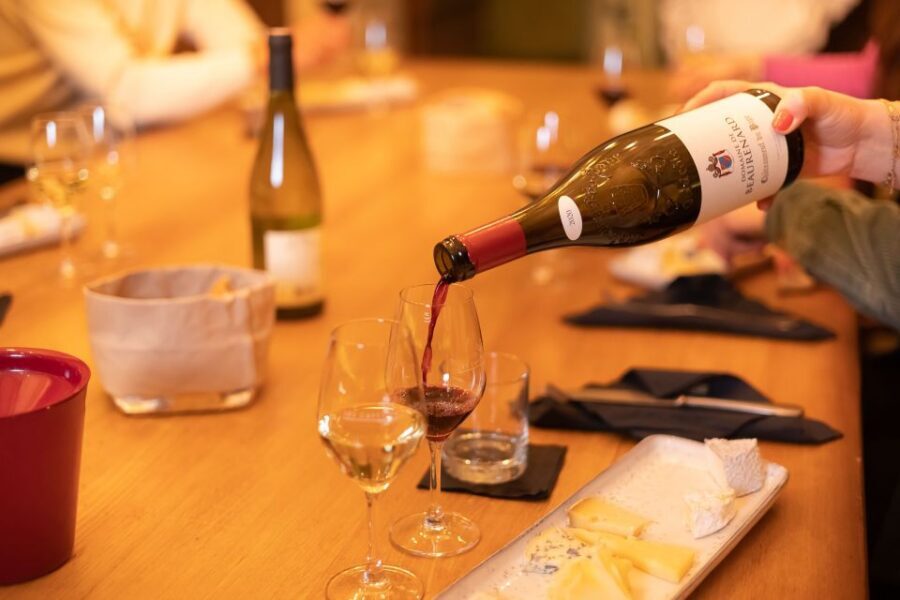
This is an English tasting class with an English-speaking wine expert. That’s a real value point if your French reading skills are basic. The expert isn’t there just to pronounce bottle names. They’re there to explain what’s happening in your glass and help you connect wines, cheeses, and regions.
In past sessions, experts such as Justan, Alexis, and Clemant have been singled out for deep knowledge and kindness, plus the ability to answer questions clearly. That combo matters. If you leave with unanswered curiosity, the class can feel like a lecture. If your questions get good answers, you leave feeling smarter and more confident.
If you’re traveling with someone who’s unsure about wine, this kind of guided explanation is a strong equalizer. The format gives both people a way to participate—by tasting, comparing, and learning pairing logic.
Price and value: what $128 buys you
Let’s talk value without pretending this is cheap. At $128 per person for a 2-hour experience, you’re paying for:
- access to the tasting space inside a cellar
- an instructor-led class in English
- 10 wine tastings and 10 cheese tastings
- guided pairing education and explanations of regions and AOP
What makes it feel worth it is the structure. You’re not simply buying samples. You’re buying a guided framework for understanding the samples. Ten wines and ten cheeses is a lot of tasting for one session, and the pairing education gives you a reason to remember it.
One practical consideration: because non-alcoholic beverages aren’t included, you may want to plan water separately or budget for additional drinks. Also, if you’re not comfortable with alcohol-focused tastings, this may not be the right fit.
But if you do want an efficient, high-impact way to learn French wine and cheese—without guessing—this price can make sense. You’re paying for teaching, not just liquid and dairy.
Who this tasting is best for
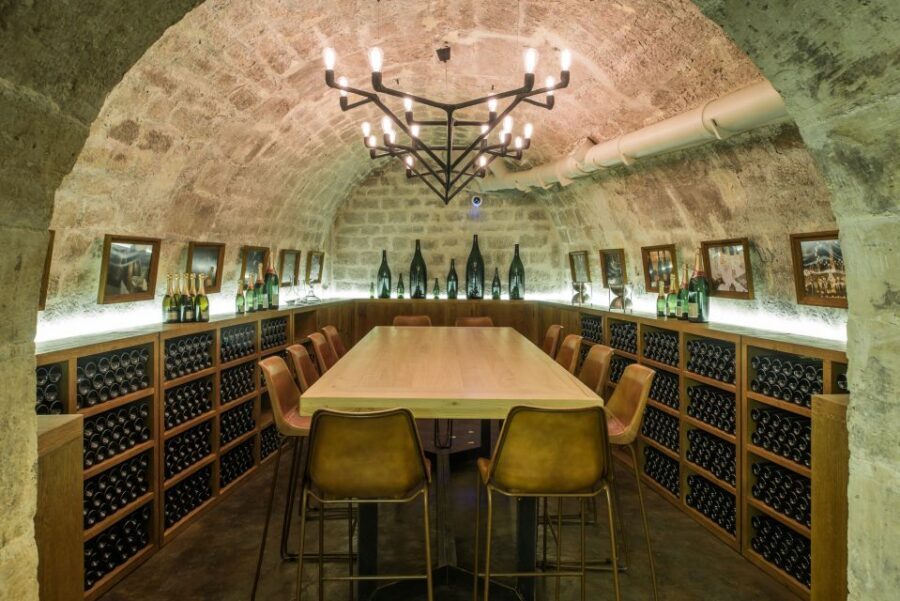
This experience is best for adults who want a guided intro to French wine and cheese, with enough structure to feel confident afterward.
It’s especially good if:
- you want to understand pairing basics fast
- you’re curious about Bordeaux, Burgundy, and Rhône Valley but don’t want to research for weeks
- you like learning about labels and AOP in a practical way
- you’re planning a food-and-wine day in Paris and want something compact
It may be less ideal if:
- you’re sensitive to strong cheese flavors (blue cheese can be intense)
- you’re traveling with kids (it’s not suitable for children under 18)
- you prefer a long, slow meal rather than a structured tasting
Should you book this Paris wine-and-cheese tasting?
If you want a focused, adult-only tasting that teaches you how to think about wine and pairing, I’d say book it. The combination of 10 wines, 10 cheeses, major French regions, and an English expert who explains the logic behind the pairings makes it a smart way to spend two hours in Paris.
Book it if you’d rather learn than wander randomly. Skip it if you need kid-friendly options, you want non-alcoholic drinks included, or you’d be disappointed by a fast tasting pace.
If you’re on the fence, here’s the simplest way to decide: if you enjoy tasting things in guided comparisons and want tools you can use later at home, you’ll likely get your money’s worth.
FAQ
How long is the wine and cheese tasting class?
The experience lasts 2 hours.
How many wines and cheeses will I taste?
You’ll taste 10 wines paired with 10 cheeses.
What languages is the tour available in?
The tasting class is in English.
Is hotel pickup or drop-off included?
No, hotel pickup and drop-off are not included.
Are non-alcoholic beverages included?
No, non-alcoholic beverages are not included.
Is this experience suitable for children?
It is not suitable for children under 18.
How much does it cost per person?
The price is $128 per person.