REVIEW · PARIS
Paris Wine with Cheese Pairing & Tasting Small Group Class
Book on Viator →Operated by Le Foodist · Bookable on Viator
Wine and cheese lessons in the heart of Paris.
This 2-hour class turns a simple tasting into real know-how, with an experienced sommelier guiding small-group pairings and explaining terroir in plain language. I love that you taste multiple wines and multiple cheeses side by side, instead of sipping in isolation. I also love the practical, hands-on moment with Champagne, including the sabering technique and a neat takeaway tool at the end.
One heads-up before you go: this experience is for adults, and it includes wine and Champagne samples.
If you are 18+ and comfortable with alcohol during the session, you are in the right place.
In This Review
- Key Things I’d Prioritize
- Le Foodist and Your Sommelier Start Point in Paris
- The 2-Hour Flow: Tastings, Terroir Talk, and Cheese Family Lessons
- Wine Pairing in Real Life: 4 Regions Plus Champagne
- Cheese Families That Finally Click on Your Tongue
- Champagne Sabering: A Fun Skill With Real Technique
- What You Eat Besides Cheese: Ham, Bread, Olives, and More
- Small-Group Value: Why the Personal Attention Matters
- Price and Value: Is $113.49 Worth It?
- Logistics That Actually Help: Mobile Ticket and Timing
- Who Should Book This Class (and Who Might Not)
- Should You Book? My Quick Decision Guide
- FAQ
- Where does the class meet?
- What time does it start, and how long is it?
- What will I taste during the class?
- Is there food besides cheese?
- How big is the group?
- What is the minimum age?
- What happens at the end?
- If I need to cancel, what refund can I expect?
Key Things I’d Prioritize
- 4 French wine samples plus Champagne so you can compare styles and regions, not just taste one safe pick
- Five major French cheese families explained and tasted so the differences start to make sense fast
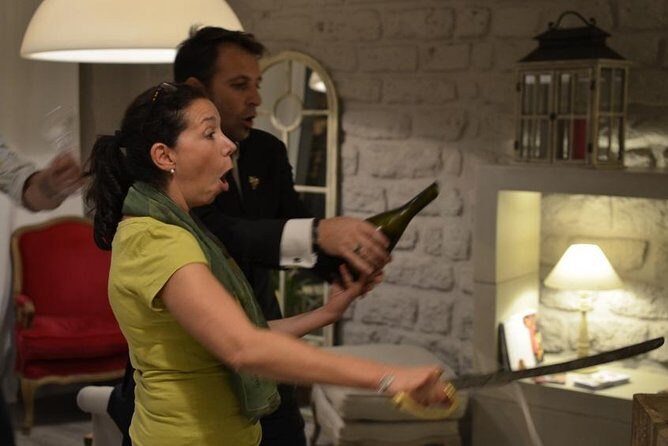
- Hands-on Champagne sabering led by your sommelier, plus a fun group moment
- Cheese pairings with bread, ham, and olives so you learn what works on a plate, not in theory
- Drop-Stop included to help you pour more cleanly after your class
Le Foodist and Your Sommelier Start Point in Paris
Your class meets at Le Foodist, 59 Rue du Cardinal Lemoine, in central Paris (5th arrondissement area). You start at 12:00 pm, and the whole session runs about 2 hours. It is near public transportation, so you should be able to get there without a big hassle—good news if you are juggling sightseeing before lunch.
The venue is a cookery school style setting, which matters. It keeps the experience moving and focused on food, instead of being stuck in a formal lecture room. And because the class is capped at 16 travelers, you will feel more like you are part of a small table group than a crowd.
One more detail I appreciate: you start with a clear instructor-led plan. You are not wandering between stations trying to figure out what to taste next. Your sommelier host sets the rhythm, then explains what you are tasting as you go.
You can also read our reviews of more food & drink experiences in Paris



The 2-Hour Flow: Tastings, Terroir Talk, and Cheese Family Lessons
The session has a smooth arc: introduction, then tasting and pairing in a deliberate order. Expect an early focus on how professionals taste and describe what is in the glass and on the plate. From there, you move through the wines, then the cheeses, then the pairings.
A big part of the lesson is learning the concept of terroir—the idea that the location, climate, and farming traditions shape the flavor. Instead of treating terroir like a buzzword, your instructor connects it to what you are actually tasting. You also hear about geographical and historical origins of the wine and cheese you are sampling, which helps your brain place flavors into context.
Then comes the cheese section. You will hear about the five major French cheese families and sample them so the differences become easier to detect. This is especially helpful if you are new to French cheese. You are not just eating; you are training your palate to notice texture, intensity, and how flavors evolve as the cheese warms slightly.
Wine Pairing in Real Life: 4 Regions Plus Champagne
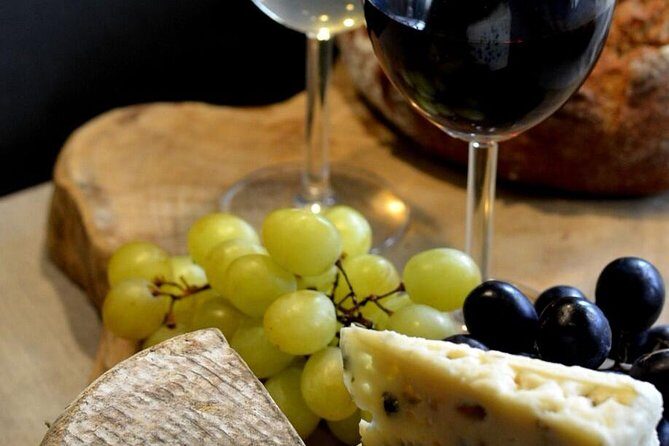
You taste four different wines from across France, plus one Champagne sample. That mix is smart for beginners because it covers different styles while keeping the lesson manageable in just two hours. You get enough variety to spot patterns, but you are not overwhelmed with too many pours.
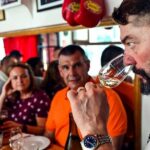
Here is what makes the wine part useful: you taste with a purpose. Your sommelier host guides you on how to approach the glass, and you learn what to listen for in aroma and flavor when you later pair. It is the difference between drinking for pleasure and tasting for understanding.
A pro-level touch is the way the instructor frames each wine. You do not only get a flavor description—you get the place behind it. The lesson ties each wine to its origins, so you can start thinking like a sommelier when you browse bottles later.
Then you finish with Champagne. Champagne is not treated as a special one-off moment; it is part of your training. You practice what you learned about tasting and pairing, then end up doing the iconic sabering technique.
Cheese Families That Finally Click on Your Tongue
The class is built around more than cheese variety—it’s built around structure. You learn about the five major French cheese families, then taste them so you can experience the flavor shifts rather than memorize categories.
Cheese families tend to differ in:
- How they feel in your mouth (soft, firm, runnier as they ripen)
- How strong the aromas get
- How salty, nutty, grassy, tangy, or earthy the notes can feel
In other words, this is how you stop saying, That cheese was good. After a lesson like this, you are more likely to say what you liked and why it worked.
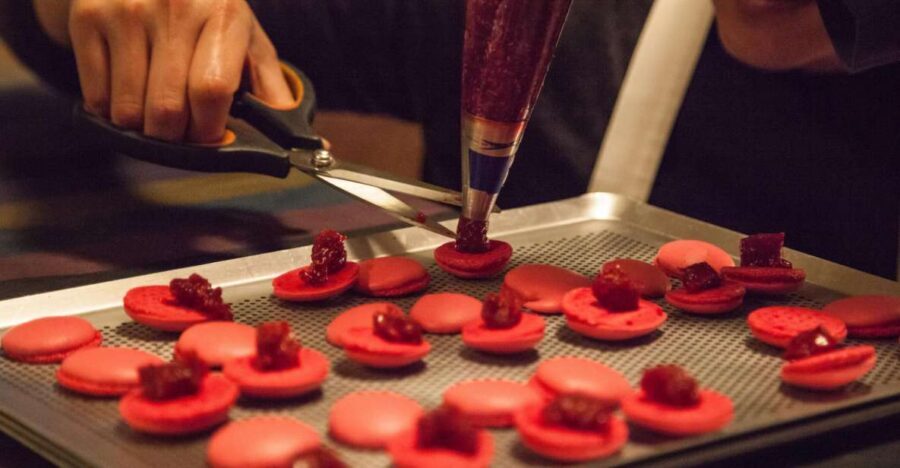
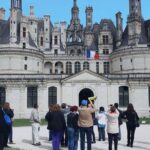
Pairing makes the cheese part land even harder. You do not taste cheese in a vacuum. You eat it alongside bread, sliced ham, and olives, which gives your palate other flavors to compare against. That matters because real French cheese boards include salty, savory, and crunchy elements—so you learn the kinds of pairings that feel natural on a plate.
Champagne Sabering: A Fun Skill With Real Technique
One of the most memorable parts of the class is learning how to open a Champagne bottle using the sabering technique. The activity is guided, and it is the kind of hands-on moment that breaks up a tasting class in the best way.
You get to try the technique yourself, using a tool described for the sabering action. Even if you are not used to doing anything with your hands besides eating, your instructor keeps it clear and safe in how it is taught. Then, once the bottle is opened, you share a glass with your classmates.
There is also a playful, dramatic angle to the Champagne moment. In at least one past class, a group included a sword-style prop during the bottle-opening. The key point you should take with you is not the prop—it is the technique. You leave knowing what makes Champagne opening feel like a real French celebration, not just a party trick.
You can also read our reviews of more wine tours in Paris

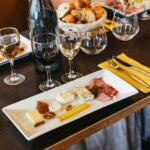


What You Eat Besides Cheese: Ham, Bread, Olives, and More
The class does not just throw wine and cheese at you and hope for the best. Your pairings include a thoughtful lineup:
- sliced ham
- bread
- olives
- cheese tastings across the families covered in class
This mix is good for two reasons. First, bread gives you a neutral base so you can reset your palate between tastes. Second, ham and olives add salty and savory flavors, which is exactly what changes how cheese reads in your mouth.
In plain terms: this is training for ordering a cheese plate later. Most people in Paris order something that looks simple but is actually balanced—fat, salt, acid, and texture all in one spread. This class gives you the logic behind that balance.
Small-Group Value: Why the Personal Attention Matters
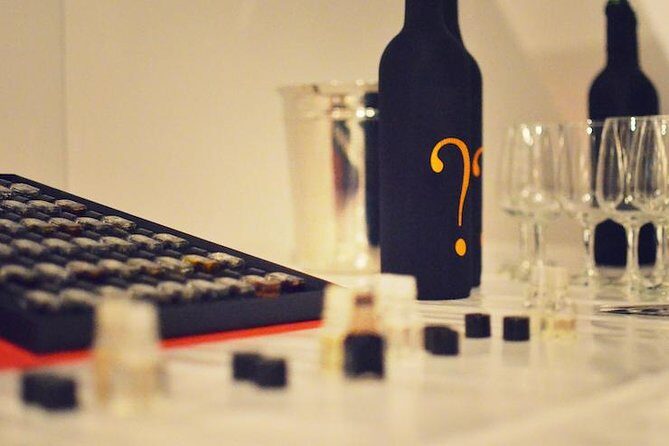
The class runs with a maximum of 16 travelers, which keeps the atmosphere relaxed and gives your sommelier room to respond. In a small group, you can actually ask follow-up questions when something tastes surprising. That is a major reason pairing classes can feel either enlightening or frustrating. You want clarity, not guesswork.
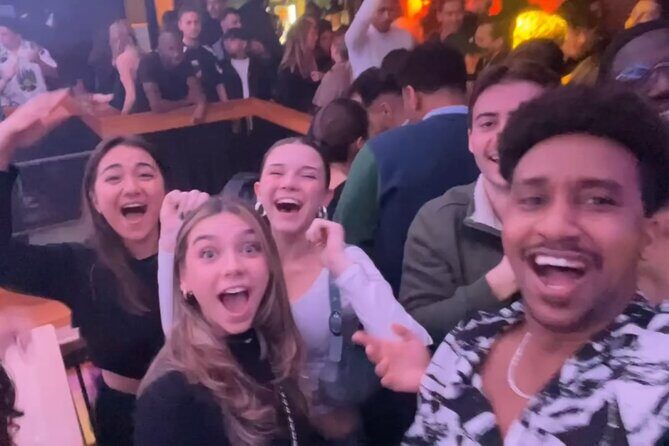
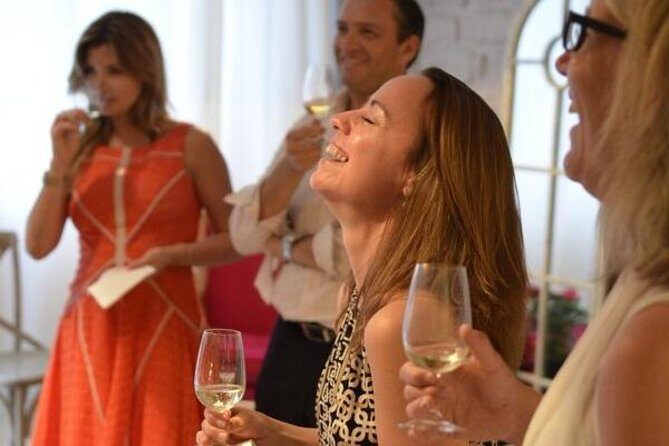
I also like that the pacing stays friendly for people who are not wine experts. You are tasting, learning terms, and making sense of differences without being put on the spot. The vibe comes across as both educational and entertaining, which is exactly how food should be taught when you are on vacation.
If you have the instructor Stéphane, you can expect a warm, humorous teaching style. The lesson does not read like a textbook. It feels like someone who genuinely enjoys sharing food logic, and that makes it easier to remember.
Price and Value: Is $113.49 Worth It?
At $113.49 per person, you are paying for more than a snack. You are paying for:
- an expert sommelier host
- multiple wine tastings (4 regional wines plus Champagne)
- multiple cheese tastings across major families
- pairing food (cheese, bread, olives, ham)
- a hands-on Champagne sabering experience
- a practical takeaway (Drop-Stop) to improve pouring
The value angle here is the instruction. If you were to replicate this on your own in Paris—finding a shop, buying bottles, buying enough cheese, and building a balanced tasting order—you would likely spend more time and more money. And you would miss the structure: the guidance on how to taste and pair.
Also, the 2-hour format is efficient. It gives you a focused experience without eating your whole day. That matters in Paris, where time is usually your hardest currency.
Logistics That Actually Help: Mobile Ticket and Timing
You get a mobile ticket, and you start at 12:00 pm. That timing is great if you want a midday break from museums and walking, and it can help you avoid the big dinner lines later. You will finish back at the meeting point.
Because it is near public transportation, you can plug it into a half-day plan pretty easily. I’d aim to show up a bit early so you can settle in before tasting begins. With pairings, the first sip matters—you want your palate ready.
Finally, there’s a simple practical perk: you receive Drop-Stop for a more perfect pour every time. It sounds small, but if you enjoy wine at home, that kind of tool turns the lesson into something you can keep using.
Who Should Book This Class (and Who Might Not)
This is a great fit if you:
- love French food and want to understand it, not just consume it
- enjoy learning by tasting
- want a fun break with a sommelier in central Paris
- are traveling with friends or a partner and want a small-group activity
It may not be the best match if you:
- are under 18 (age minimum applies)
- prefer strictly non-alcohol activities, since wine and Champagne samples are part of the class
If you are new to French cheese, you will like how the lesson organizes it into cheese families. If you already know a little, you will like the pairing logic and the chance to compare multiple regions in a short, structured format.
Should You Book? My Quick Decision Guide
Book this class if you want a compact Paris experience that mixes education, food, and hands-on fun. The best part is that you leave with more than satisfied hunger—you leave with pairing habits you can actually use when you shop for cheese and wine later.
Skip it if your idea of a great Paris day is only sight-seeing and you do not want alcohol involved. Otherwise, this is one of those activities where the $113.49 turns into a memorable skill set, not just a meal.
FAQ
Where does the class meet?
The class starts at Le Foodist, 59 Rue du Cardinal Lemoine, 75005 Paris, France.
What time does it start, and how long is it?
The start time is 12:00 pm, and the class runs for about 2 hours.
What will I taste during the class?
You will taste four wine samples from different regions across France and one Champagne sample, plus cheeses from the five major French cheese families.
Is there food besides cheese?
Yes. Your tastings are paired with bread, olives, and sliced ham.
How big is the group?
The class has a maximum of 16 travelers.
What is the minimum age?
The minimum drinking age is 18 years.
What happens at the end?
You receive Drop-Stop for the perfect pour every time, and the experience ends back at the meeting point.
If I need to cancel, what refund can I expect?
You can cancel up to 6 days in advance for a full refund. Cancel 2–6 days before for a 50% refund. If you cancel less than 2 days before, the amount paid is not refunded.