REVIEW · PARIS
Photo weekend for beginners
Book on Viator →Operated by PhotoProf - Cours de photographie · Bookable on Viator
Your camera stops feeling like a mystery.
This PhotoProf weekend turns photography lessons into real shooting time around Paris, with teaching that aims for quick results. I like the hands-on field practice, not sitting around while the city does its own thing.
The second thing I love is the way you go from basics to practical “finished shot” skills, including histograms, white balance, and exposure correction. One thing to keep in mind: it requires good weather, so the schedule can shift if conditions are poor.
In This Review
- Quick hits
- A beginner-friendly photo course that actually uses Paris light
- Day 1 (10:00 a.m. to 6:00 p.m.): Master the core camera settings fast
- Aperture and depth of field you can actually control
- Shutter speed and motion in the image
- Point focus vs continuous focus
- Manual mode, plus Av/Aperture Priority and Tv/Speed Priority
- How Day 1 practice helps your photos immediately
- Day 2 (10:00 a.m. to 6:00 p.m.): Build a finished shot in changing Paris conditions
- Ambient light and weather: light, dark, backlight
- Exposure control tools: metering, locking, histograms, corrections
- Color tools: white balance and saturation
- Composition: framing decisions that make images feel finished
- Who’s teaching, and what that means for your learning
- Where the workshop starts: Carrousel meeting point and a full two-day loop
- Group size and practice rhythm: why max 8 matters
- Gear expectations: bring your own camera, and you’ll use it
- What’s included: booklet, video materials, and a memorial diploma
- Price and value: what you’re paying for
- Weather reality check: why it matters for a photo weekend
- FAQ
- FAQ
- Is this photo weekend really aimed at beginners?
- How long is the workshop?
- What’s the meeting point in Paris?
- How many people are in the group?
- Do I need to bring my own camera?
- What do you learn on Day 1?
- What do you focus on on Day 2?
- What materials are included?
- What happens if the weather is bad?
- Is there free cancellation?
- Should you book PhotoProf’s beginner photo weekend?
Quick hits
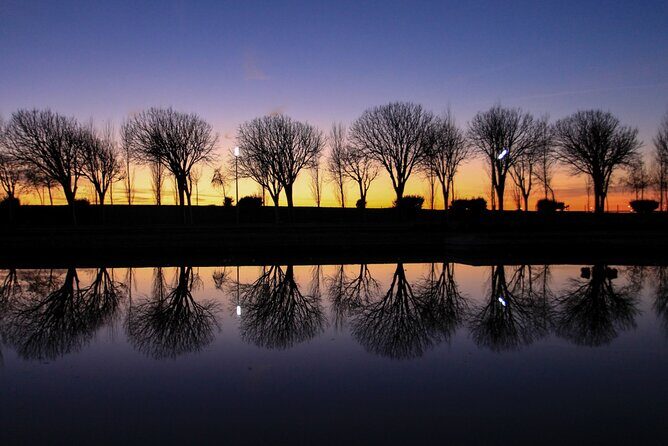
- Small group size (max 8) means you get real feedback instead of generic tips
- Two full days (10:00 a.m. to 6:00 p.m.) with practice in real Paris light, indoors and outdoors
- Day 1 builds control: aperture and depth of field, shutter speed and motion, and point vs continuous focus
- Day 2 focuses on “finished” images: metering modes, exposure locking, histograms, and composition
- You don’t need a camera loan: the course assumes you’ll shoot with your own gear
- Included support materials: booklet + videos after the session, plus a memorial diploma
A beginner-friendly photo course that actually uses Paris light
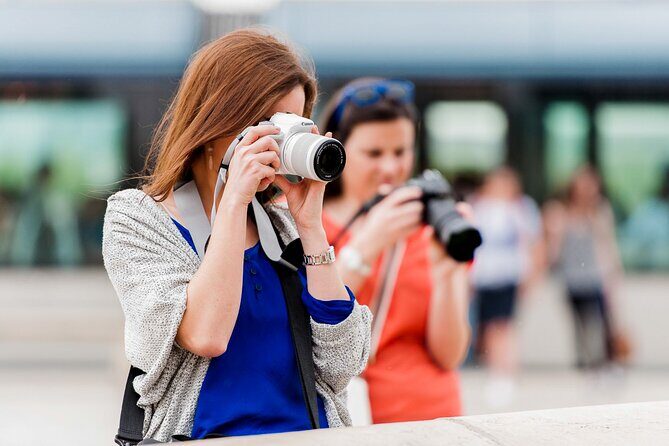
If your camera has more buttons than you care to learn, this is a good weekend to reset. PhotoProf has been running photography courses in Paris for almost 10 years, with a method built around immediate practice, not slow theory.
You’ll spend the days working in the real environment where your photos happen: daylight, backlight, cloudy skies, and changing conditions. That matters because exposure and focus aren’t abstract in a classroom. They get real fast when you’re trying to frame a scene and the light keeps moving.
The teaching style is practical and human. The instructors are qualified photographers, but what you’ll feel most is the listening and the willingness to help you test ideas, make mistakes, and fix them on the spot.
You can also read our reviews of more tours and experiences in Paris.

Day 1 (10:00 a.m. to 6:00 p.m.): Master the core camera settings fast
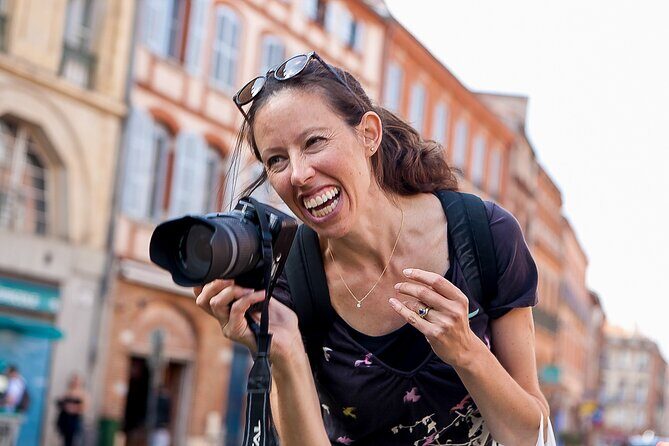
Day 1 is about taking back control over the look of your photos. You start by learning how the main shooting parameters connect to what you see in the final image. The goal is simple: by the end of the day, you should be comfortable working in manual mode and using semi-automatic modes too.
Here’s the skill set you work on:
Aperture and depth of field you can actually control
You’ll practice diaphragm opening and depth of field management so you understand how to decide what’s sharp and what falls away. This is the foundation for portraits, street details, and any shot where you want your subject to pop without the whole scene competing for attention.
Shutter speed and motion in the image
Next comes shutter speed and motion management. You’ll learn how to stop motion when you need crisp action, or let movement blur when blur is part of the mood. In Paris, that’s not a thought experiment. It’s something you can try repeatedly as people walk by, cars move, and light shifts.
Point focus vs continuous focus
You also cover point or continuous focus, which is a big deal if you’re shooting moving subjects or you keep losing your subject to the wrong autofocus behavior. Being able to choose the right focusing approach will save you a lot of frustration later.
Manual mode, plus Av/Aperture Priority and Tv/Speed Priority
At the end of Day 1, you’ll be able to work in manual mode as well as semi-automatic A/Av (aperture priority) and S/Tv (speed priority). And the course doesn’t treat this as day-only learning. You’ll apply what you learn day and night, and in both indoor and outdoor situations.
That mix is valuable. If you only learn settings in one kind of lighting, you end up guessing when the conditions change. Here, the conditions change on purpose.
How Day 1 practice helps your photos immediately
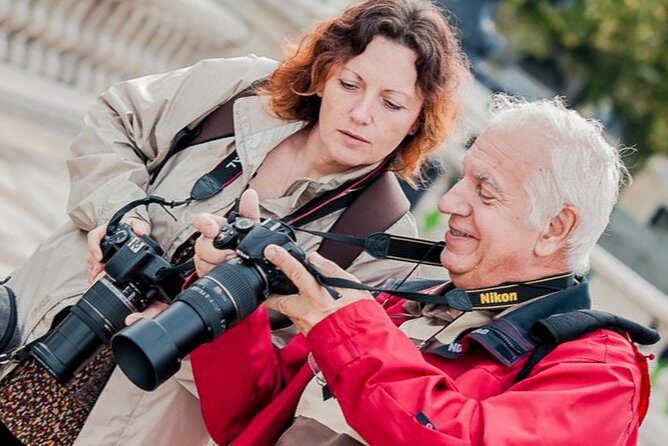
The PhotoProf method is built around doing. You learn the parameter, then you test it right away, and the instructor helps you understand what changed in your image and why.
That approach is especially helpful if you feel like your camera is taking the photos for you. Once you start choosing settings based on what you want (sharpness, motion, or focus behavior), your results improve even when you’re still learning.
Also, because the group is capped at 8 travelers, you get more frequent feedback. That means you can fix small mistakes quickly, instead of hoping you’ll remember them for next time.
Day 2 (10:00 a.m. to 6:00 p.m.): Build a finished shot in changing Paris conditions

After a good night of sleep, Day 2 shifts from control to completion. You’ll take the knowledge from Day 1 and apply it to scenes that are harder: mixed light, backlight, dark areas, and weather that refuses to cooperate.
This is where the course focuses on turning real conditions into deliberate results. You’ll learn to manage your exposure and color, and then shape the frame using composition.
Ambient light and weather: light, dark, backlight
You’ll practice management of ambient light (light, dark, backlight) and weather (sun, cloudy). When people struggle with exposure, it’s often because the scene is tricky, not because they lack basic settings. Day 2 teaches you how to read those conditions and respond.
Exposure control tools: metering, locking, histograms, corrections
Day 2 also brings in the exposure workflow tools that help you stop guessing. You’ll cover:
- light metering modes
- exposure locking
- histograms
- exposure correction, including stops and luminosity indices
These details sound technical, but they’re practical. Once you understand metering modes and histograms, you can quickly tell whether your shot is drifting too dark or too bright, and you can adjust on purpose.
Color tools: white balance and saturation
Color isn’t just “pretty.” It’s exposure plus lighting plus the camera’s interpretation. You’ll use white balance and saturation controls to make your photos look more consistent and more like what you intended to capture.
In Paris, that’s helpful because lighting can swing between cool daylight, warm interior light, and mixed scenes when you’re near buildings and shaded areas.
Composition: framing decisions that make images feel finished
Finally, you’ll work on image composition. This isn’t just about “rule of thirds.” It’s about using what you’re learning—focus, exposure, and color—to build a frame that reads well.
By the end of Day 2, you’re not just taking photos. You’re producing shots that look finished because you’re controlling the variables.
Who’s teaching, and what that means for your learning
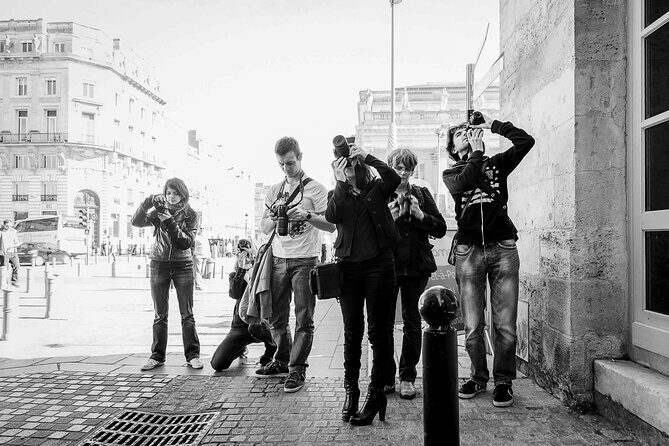
PhotoProf courses are supervised by qualified photographers, but the standout isn’t just credentials. It’s the combination of passion, listening, and teaching benevolence.
In particular, the instructor experience tends to feel approachable and supportive. Many learners point out the guidance from Alexis, and the value of being able to ask questions and experiment with the settings you just learned.
If you like clear explanations and then hands-on attempts, you’ll probably feel comfortable quickly. If you prefer a purely independent learning style, you might still enjoy this, but you’ll rely on the group discussions to get the most out of it.
Where the workshop starts: Carrousel meeting point and a full two-day loop
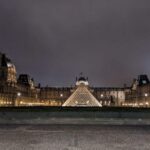
You meet at 115 Pl. du Carrousel, 75001 Paris, France, starting at 10:00 a.m. The experience ends back at the same meeting point, so you’re not dealing with a long travel scramble between locations.
Because the days run from 10:00 a.m. to 6:00 p.m., treat this like a real commitment. You’ll be learning and shooting across different lighting conditions, and it’s not a quick “taste of photography” stop.
The good news is timing. Morning classes are ideal for learning exposure basics, and then you return to the same skill set in different conditions later.
Group size and practice rhythm: why max 8 matters

With a maximum of 8 travelers, you’re more likely to get individualized corrections. That’s important with camera settings, because two people can be shooting the same scene and getting totally different results for totally different reasons.
Small groups also make the weekend feel social in a focused way. You’ll likely talk shop: what setting choices you made, what you noticed in your histogram, and what your instructor suggested to refine the next shot.
Gear expectations: bring your own camera, and you’ll use it
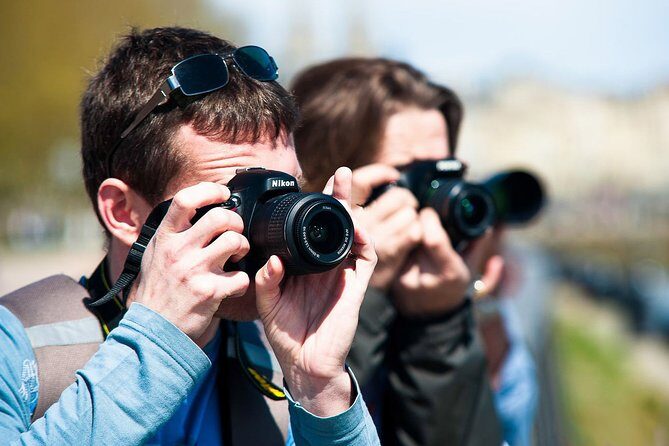
A big practical plus: there’s no camera loan. That means you should come with a camera you can confidently operate, plus any lens you normally use.
The upside is obvious—you’re not adapting to unfamiliar equipment mid-course. You’re learning with your own tool, which makes it easier to apply what you learn after the weekend.
If you’re worried about your current camera knowledge, that’s normal. The course is explicitly positioned for beginners, and the teaching emphasizes learning settings and switching between manual and semi-automatic modes.
What’s included: booklet, video materials, and a memorial diploma
You get written course support in the form of a booklet. That helps you review settings and key ideas after the class ends.
You also get video course materials after the session. That’s useful for those moments when you thought you understood exposure correction during shooting, then later realize you want to replay the explanation.
And you’ll receive a memorial diploma, which is a small touch but can feel motivating if you treat this weekend like a checkpoint in your photography progress.
You’ll also have a mobile ticket, which is convenient if you don’t want to hunt for printed confirmations.
Price and value: what you’re paying for
At $370.43 per person for about 2 days in Paris, you’re paying for more than just instruction. You’re paying for:
- time spent shooting under real conditions
- feedback in a small group
- structured learning that builds from core settings to exposure and composition
- included learning materials (booklet + videos)
- instructor supervision by qualified photographers
The value equation improves because the course doesn’t rely on studio time or simulated exercises. It’s built around practice, discussions, and experiments. If you’ve ever left a workshop with a notebook full of ideas but no ability to apply them, this format is designed to reduce that risk.
Weather reality check: why it matters for a photo weekend
This experience requires good weather. That’s not a small detail. Photography is sensitive to light levels, and when conditions get poor, outdoor learning becomes less effective.
If the course is canceled due to weather, you’ll be offered a different date or a full refund. So if you’re booking right before a tight travel window, pick dates with some flexibility.
FAQ
FAQ
Is this photo weekend really aimed at beginners?
Yes. It’s described as a photo weekend for beginners, and the course focuses on teaching you core settings like aperture, shutter speed, and focus, then building toward exposure and composition.
How long is the workshop?
It runs for 2 days, with each day scheduled from 10:00 a.m. to 6:00 p.m.
What’s the meeting point in Paris?
You start at 115 Pl. du Carrousel, 75001 Paris, France, and the activity ends back at that same meeting point.
How many people are in the group?
The experience has a maximum of 8 travelers, so it stays small.
Do I need to bring my own camera?
Yes. A camera loan is not included, and it’s stated that it is not necessary.
What do you learn on Day 1?
Day 1 covers diaphragm opening and depth of field, shutter speed and motion, and point vs continuous focus. You also learn to work in manual mode and in A/Av and S/Tv modes.
What do you focus on on Day 2?
Day 2 focuses on getting finished shots by managing ambient light and weather, controlling exposure using tools like metering modes and histograms, adjusting color (white balance and saturation), and working on composition.
What materials are included?
You get written course support (a booklet), video course materials after the session, and a memorial diploma.
What happens if the weather is bad?
The experience requires good weather. If it’s canceled due to poor weather, you’ll be offered a different date or a full refund.
Is there free cancellation?
Yes. You can cancel for free up to 24 hours in advance of the experience start time for a full refund.
Should you book PhotoProf’s beginner photo weekend?
If you want to learn camera settings in a way that leads to immediate results, this is a strong match. Two full days, small group size, and a progression from basic controls to exposure tools and composition give you a clear path, not random instruction.
Book it if you’re willing to shoot a lot and ask questions as you go. Skip it if you hate weather-dependent plans or you’re only looking for a quick overview without the practice time.
If you want photos you can repeat—manual control, focus choices, exposure tools, and color decisions—this weekend is built for that kind of progress.