Morning miles in Paris feel different.
This private dawn running tour is built for people who want to see the big landmarks and still get a real workout. I especially like the personal running guide tips that turn iconic stops into practical moments, not just quick photos. With the city moving quietly, you get a chance to understand how Paris lines up—street by street—while your legs do the sightseeing.
You’ll run with guidance past major sights like the Eiffel Tower, the Louvre Museum, the Tuileries Gardens, and the Seine, plus neighborhoods and viewpoints that many short visits skip. I also like that the tour includes complimentary snacks and bottled water, so you’re not hunting for breakfast halfway through your route.
One thing to consider: this experience requires good weather, and you’ll be moving for about 2 hours. If you’re not comfortable with an early start and sustained jogging, you might feel it more than you expect.
In This Review
- Quick hits if you like Paris on the move
- Paris at dawn: the city before the tour buses
- From Eiffel Tower to the Louvre: how the route stays fun
- Stop near the Eiffel Tower: early views without the scramble
- Louvre Museum and Tuileries: sights while your legs warm up
- Along the Seine to Notre-Dame and beyond
- What the running guide teaches you between landmarks
- Pace, distance, and practical runner tips
- Should you book this 2-hour dawn run?
- FAQ
- What is the duration of the running tour?
- Where does the tour start and end?
- Is this tour private or shared?
- What landmarks will we run near?
- Is the tour offered in English?
- Does the tour include snacks and water?
- What happens if the weather is poor?
Quick hits if you like Paris on the move
- A private dawn setup that keeps the experience focused on just your group
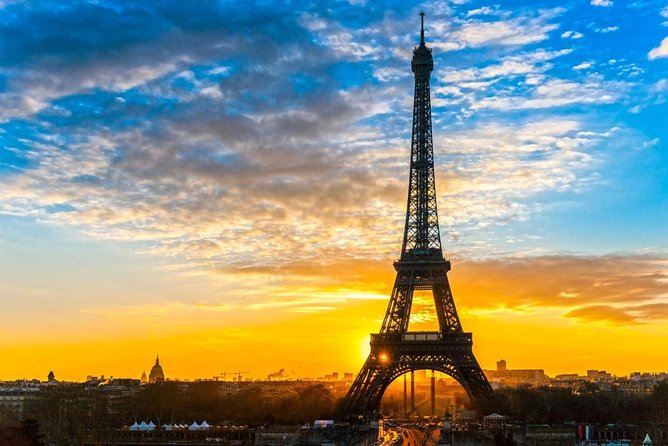
- Landmarks in a single route, from the Eiffel Tower to the Louvre area and beyond
- Snacks and bottled water included so you stay fueled
- A personal guide who shares local pointers while you run
- A route that covers classics and viewpoints, including the Seine and major bridges/river areas
- WhatsApp-style advice (in at least one past experience) for extra stay help between stops
Paris at dawn: the city before the tour buses
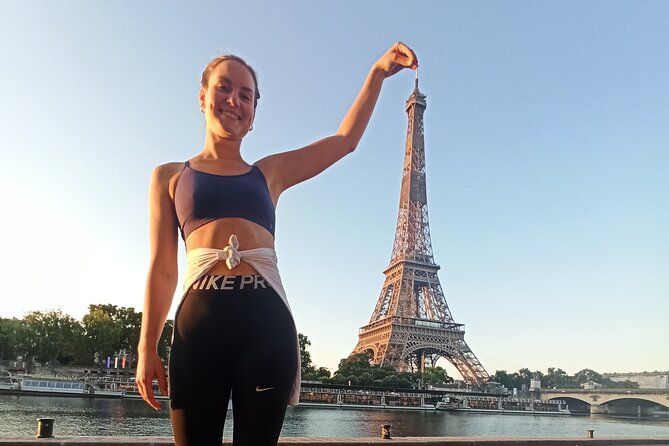
Paris at dawn has a special rhythm. The light is softer, streets feel less crowded, and you can actually hear your surroundings between turns. A running tour makes that early-day advantage work for you instead of against you. You’re not just walking quickly past sights—you’re learning the shape of the city while you move through it.
The big value here is how efficient the morning is. In about two hours, you get a concentrated loop linking the Eiffel Tower area, the Louvre/Tuileries axis, and the wider central core near the Seine. That matters if you only have a few days, or if you’re the type who likes to trade long lines and slow afternoons for a focused morning.
I also like the way the tour is structured as a “workout with context.” You’ll still be running, but the guide’s information keeps you from zoning out. You learn what you’re looking at while your body warms up, so the city’s landmarks feel connected rather than scattered.
You can also read our reviews of more tours and experiences in Paris.

From Eiffel Tower to the Louvre: how the route stays fun
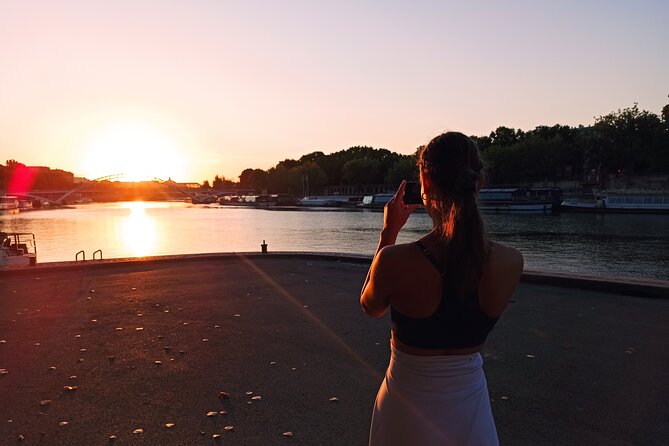
This isn’t a “shuffle from one building to the next” kind of tour. It’s a jogging route that takes you past a long list of major sights, and that pacing is the secret sauce. You get the buzz of movement, and the sightseeing stops feel earned because you’re already in the area.
The route is anchored by two clear moments: a stop near the Eiffel Tower early on, and another stop by the Louvre Museum later. Between those, you run past the kind of Paris landmarks that usually steal your attention only when you’re standing still—here, they become waypoints while you keep your form and rhythm.
Along the run, you’ll pass by:
- the Pompidou area
- Tuileries Gardens
- Place de la Concorde
- Grand Palais and Petit Palais
- the Seine
- Trocadéro
- Museum Branly
- the Russian Orthodox Church
- Invalides
- the National Assembly
- Musée d’Orsay
- Notre-Dame de Paris
- Town Hall
- Place des Vosges
That spread is a lot for a 2-hour tour. The practical benefit is simple: you’ll come away with a clearer mental map of central Paris—where the river sits, how major civic buildings line up, and how “classic” views connect to neighborhoods just a short distance away.
Stop near the Eiffel Tower: early views without the scramble
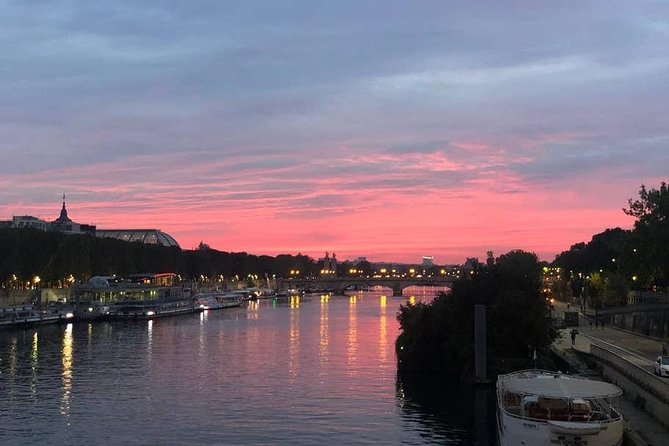
Starting with a stop near the Eiffel Tower is smart. It’s the kind of landmark that can overwhelm you later in the day—crowds, noise, and photo traffic. In the morning, you can take it in with fewer interruptions, and the surrounding streets feel more walkable and less chaotic.
What I like about an early Eiffel Tower focus is that it sets the tone for the run. You get a big visual reference point right away, and then the rest of the landmarks start to click into place as you move along the Seine side of central Paris.
One past runner also called out getting to run near the Tower and through tighter streets. That’s exactly the kind of contrast that makes the morning version feel special: open landmark views plus quick turns into narrower streets where Paris feels more like a lived-in city.
Do note the obvious: this is still jogging. You’re not doing a slow scenic stroll, so if you want a purely relaxed “look at everything” pace, this may feel more fitness-first than sightseeing-first.
Louvre Museum and Tuileries: sights while your legs warm up
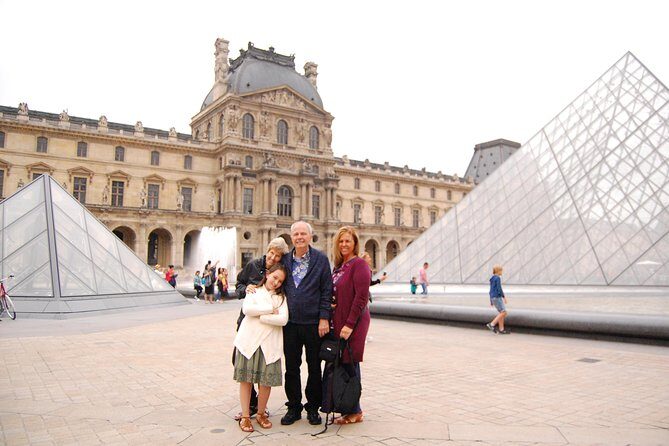
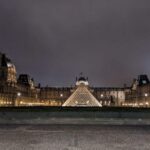
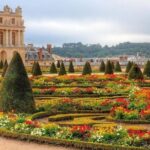
The Louvre stop is a great midpoint. It lands you in the heart of the city’s most famous “Paris postcard” corridor. Even if you don’t go inside, being outside near the Louvre Museum and the Tuileries Gardens area gives you context for that grand, symmetrical feel people come for.
This is also where the tour’s pacing helps. Morning running means your legs are warming up, and you can look around without feeling like you’ll be behind schedule the whole time. The guide’s explanations help you connect what you see—famous facades, garden geometry, and the broader civic center layout.
As you move through this area, you’ll also pass by major buildings close to the Louvre/Tuileries axis, including Place de la Concorde, Grand Palais, and Petit Palais. These are big-name sights that can feel similar if you only glance at them from far away. With a guide speaking as you run, you’re more likely to notice the differences in scale and design.
A small practical tip: keep your phone secure and ready, but don’t treat every sight like a sprint-stop-photo moment. The value here is in moving and learning, not freezing your workout every block.
Along the Seine to Notre-Dame and beyond
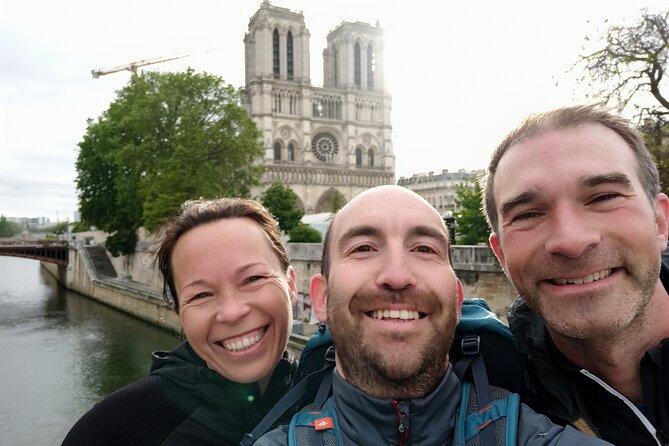
After the Louvre/Tuileries area, the route expands across some of central Paris’s most recognizable landmarks. The Seine connection is key. Seeing the river from different vantage points helps you understand how many major sights cluster around it, and why so many classic routes in Paris feel naturally guided by water.
As you run next to the river zone, you’ll also pass:
- Musée d’Orsay
- Notre-Dame de Paris
- civic and political landmarks like the National Assembly
- military and historic spots near Invalides
Then the tour widens further with stops-by-passing that many people miss on short itineraries. For example, Museum Branly and the Russian Orthodox Church bring variety beyond the standard Eiffel/Louvre loop. And when you reach the later stretch, you’ll run near Town Hall and Place des Vosges, which adds a different texture to the morning—less “museum corridor,” more “Paris street life.”
One reason I’d recommend this section for first-time visitors is that it makes the city feel continuous. Paris is famous for being walkable, but it’s also easy to feel lost if you only see landmarks one at a time. This run ties them together through movement.
If you’re someone who likes structure, this helps. You’re not wandering with no plan; you’re getting a guided route where the sights act like signposts.

What the running guide teaches you between landmarks
A running guide is more than someone who keeps you from getting lost. Here, the guide is what turns sightseeing into understanding. The tour is designed for a “local pointers” style of coaching while you move, and that’s what most people remember after the route ends.
I like that the guide delivers information while you’re still in motion. It reduces the awkwardness of trying to read plaques while other people are late or distracted. Instead, you’re hearing practical context that matches what you’re actually looking at—so it sticks.
You’ll likely get helpful city tips along the way, including what to watch for and how to interpret what you’re seeing. One past runner specifically highlighted that the guide was kind about sharing extra pointers through WhatsApp, which can be useful after the run when you’re planning the rest of your days.
Another element people love: quality even when the group is small. One experience noted that when only one runner showed up, the guide still kept the overall quality high and even added some extra time. That’s a good sign if you want a thoughtful experience rather than a rushed checklist.
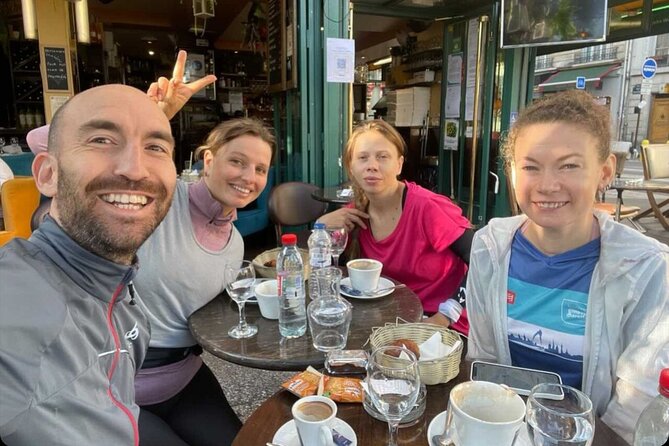
The tour also includes complimentary snacks and bottled water, which matters more than it sounds. Two hours of movement uses energy, and having something waiting at the right time keeps you from fading mid-run.
Pace, distance, and practical runner tips
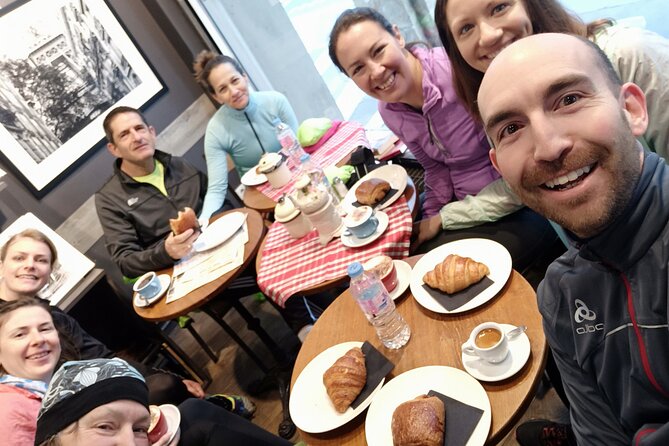
The tour lasts about 2 hours, and the pacing is jogging-focused. That’s enough time to cover a lot of sights, but it also means you should come ready to run, not just walk.
If you’re an active person, you’ll probably enjoy it even more, because the workout is part of the fun. A past runner suggested it’s a good fit if you’re comfortable running around 10K or more. You don’t have to be an athlete, but you should be honest with yourself about whether 2 hours of jogging is in your comfort zone.
Here’s what you can do to make it easier on yourself:
- Wear running shoes you trust. If your sneakers are new or flat, you’ll notice it fast.
- Bring a layer you can handle in the morning. Dawn can feel cooler than you expect.
- Have your pace goals simple: steady effort over heroic sprints.
Also, it’s a private tour, so your guide can adjust attention to your group. That’s a big plus if you want to ask quick questions or want a smoother flow without being squeezed into a larger crowd.
Finally, the route is near public transportation and starts at a specific meeting address (2 Rue Brisemiche, 75004 Paris). If you’re using transit, give yourself a little buffer so you aren’t stressed before the first minutes of jogging.
Should you book this 2-hour dawn run?
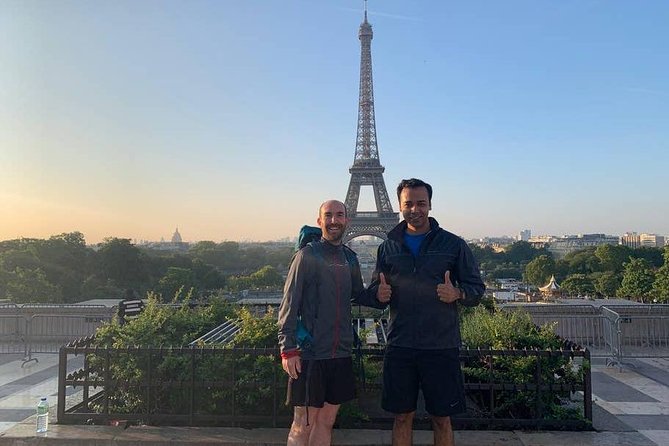
If your main goal is to see central Paris in a smart, active way, I think this is a strong choice. You’ll hit the Eiffel Tower and the Louvre area, then expand across key central sights near the Seine, plus stops that add variety like the Museum Branly and the Russian Orthodox Church. The morning timing makes it feel calmer, and the guide’s explanations keep it from becoming just exercise.
Now, the price: it’s listed at $84.11 per person. For that, you’re paying for more than movement—you’re buying a guided route, a private format, and added comfort with snacks and bottled water. Two hours is also a sweet spot: long enough to feel like you did something meaningful, short enough that you’re not “done” for the rest of your day.
You might skip it if you:
- want a slow, relaxed sightseeing tour
- hate early starts
- aren’t comfortable jogging for close to 2 hours
- or you don’t like weather-dependent plans (the experience requires good weather)
If you fit the target group—comfortable runner, morning person (or at least morning-tolerant), and interested in a guided Paris map made of landmarks—this tour makes a lot of sense. It’s a practical way to spend your time in the city, and you’ll finish with both stronger legs and a clearer sense of where everything is.
FAQ
What is the duration of the running tour?
The tour lasts about 2 hours.
Where does the tour start and end?
It starts at 2 Rue Brisemiche, 75004 Paris, France and ends back at the same meeting point.
Is this tour private or shared?
It’s a private tour/activity, so only your group participates.
What landmarks will we run near?
You’ll run next to major sights including the Pompidou center, the Louvre Museum, Tuileries Gardens, Place de la Concorde, the Grand Palais, the Petit Palais, the Seine, the Trocadéro, the Eiffel Tower, Museum Branly, the Russian Orthodox Church, Invalides, the National Assembly, Musée d’Orsay, Notre-Dame de Paris, the Town Hall, and Place des Vosges.
Is the tour offered in English?
Yes, it’s offered in English.
Does the tour include snacks and water?
Yes. There are complimentary snacks and bottled water included.
What happens if the weather is poor?
The experience requires good weather. If it’s canceled due to poor weather, you’ll be offered a different date or a full refund.