French dinner manners can feel tricky. This short class in Paris explains why table etiquette exists, how it has changed over time, and how to use it with confidence from the first sip to the last bite. I especially liked the small group format, which makes it easy to ask questions and get corrections without feeling rushed.
I also liked the hands-on focus on what your table actually looks like: correct place settings and the practical details for utensils and glasses, plus napkin use and a simple way to host without overthinking. One thing to consider: this is a single 90-minute class at one address, so it is not a multi-stop sightseeing day. If you want street views and museum time, you’ll need to pair this with your other Paris plans.
In This Review
- Key takeaways from Table Manners a la française
- French etiquette, explained so you can actually use it
- Your 90-minute schedule in Paris: one focused stop
- Why the group size matters more than you think
- Learning the table layout: utensils, glasses, and the napkin routine
- The history part: not trivia, but context for the rules
- Tatiana’s teaching style: practical, patient, and built for real questions
- How to use what you learn right away in Paris
- Value check: is $82.80 worth 90 minutes?
- Who should book this class, and who might skip it
- Should you book Table Manners a la française?
- FAQ
- FAQ
- Where does the class meet?
- What time does the experience start?
- How long does the experience last?
- Is the class offered in English?
- Is there a mobile ticket?
- How many people are in the group?
- Is the meeting point near public transportation?
- Are service animals allowed?
- Who can participate?
- Can I get a full refund if I cancel?
Key takeaways from Table Manners a la française
- Small group Q&A (max 4 people), so you can ask follow-up questions as you go
- From history to dinner flow, not just rules on paper
- Real table layout practice: utensils, glasses, and napkin placement
- Hostessing skills, so you feel prepared for the whole evening
- Tatiana’s lived-experience teaching style, with lots of patience for questions
French etiquette, explained so you can actually use it
French table manners aren’t just about being perfect at dinner. They are about smoothing the social flow: showing respect, keeping things clear, and avoiding awkward moments. This class takes that idea seriously. You’ll learn the basic logic behind table etiquette, then connect it to how a dinner party works in real life.
A big plus here is the way the course is structured for confidence. The goal is not memorizing a list of rules. Instead, you learn the steps of how dinner progresses, so you know what comes first and what to do next. One review highlighted how the class covers both large showy details and smaller refined points. That balance matters. You want the rules that people notice, but you also want the quiet stuff that makes you feel natural once the courses start.
There’s also a hosting angle. Table manners in France are tied to the idea of hostessing traditions: how you set the tone, how you guide the evening, and how you help everyone feel at ease. If you’ve ever hosted or tried to bring the right energy to a friend’s dinner, you’ll see why this portion is useful. It turns etiquette from something you fear into something you can use.
You can also read our reviews of more tours and experiences in Paris.



Your 90-minute schedule in Paris: one focused stop
This experience runs about 1 hour 30 minutes, starting at 7:00 pm. It’s a compact format, which I like for travelers who don’t want to lose half a day. You will meet at 26 Rue Spontini, 75016 Paris, and the activity ends back at the meeting point.
Because it is only one stop, you do not get a long day of walking or multiple neighborhoods. Instead, you get time in one place to practice and ask questions. That can be a huge advantage. You are not scrambling between locations while trying to remember which fork is which.
It’s also offered in English, with a mobile ticket. That combination tends to work well for visitors who want accuracy without language friction. You’ll follow the explanations, then apply them immediately to the tabletop details you are learning.
Why the group size matters more than you think
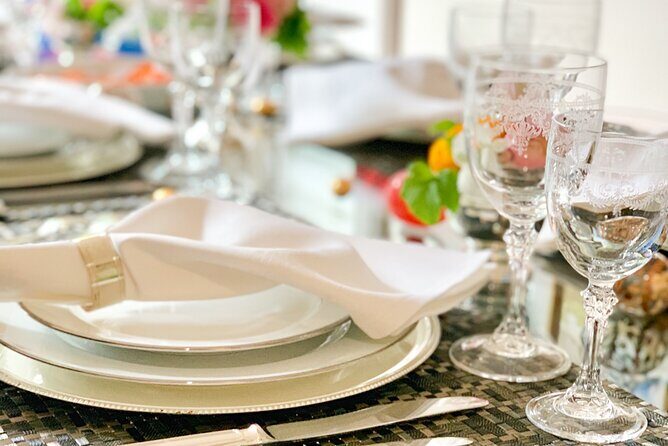
The class caps out at 4 travelers. That small size changes the entire feel of the lesson. In a larger group, you might hear the explanation but still hesitate when your own question pops into your head. Here, you’re more likely to get direct answers.
One of the strongest themes from the feedback is that the atmosphere stays relaxed while still being thorough. The teacher is described as patient, and the group size makes it easier to ask questions. In practical terms, that means you get room to clarify things like utensil placement or glass use before you head into a real restaurant meal or a friend’s dinner later in your trip.
Learning the table layout: utensils, glasses, and the napkin routine
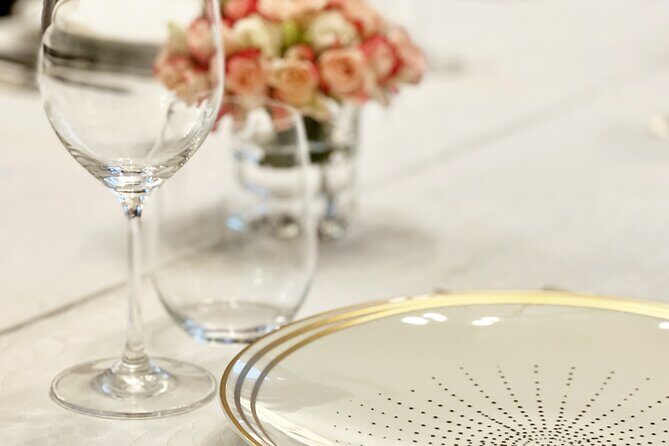
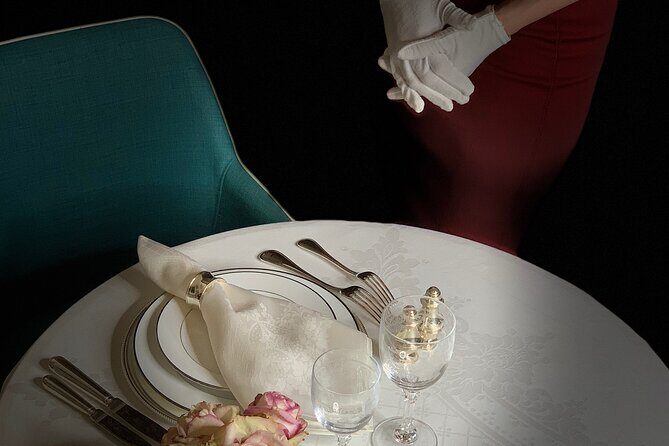
The core skill you’ll leave with is knowing how a French place setting is arranged and what it signals. You’ll go through the fundamentals you’ll actually see in real settings: where utensils belong, how glasses are positioned, and what to do with the napkin.
Multiple reviews specifically mention learning correct place settings and the placement of utensils and glasses. That is the sort of concrete guidance that helps you feel grounded when you sit down somewhere unfamiliar. It’s also the kind of knowledge that reduces mental load. If you don’t have to translate the table every time you eat, you can focus on the meal and the conversation.
The napkin details are part of that same goal. A lot of etiquette questions aren’t complicated. They’re just easy to miss. Once someone shows you the expected routine clearly, you can follow it without performing mental gymnastics.
And because the class covers dinner-party confidence from beginning to end, the table setting isn’t treated as a one-time setup. You learn it as part of the full rhythm of a meal. That means you’re less likely to freeze when the menu changes course or the pace shifts.
The history part: not trivia, but context for the rules
The class also covers the story behind table manners. You’ll learn why they exist and how they develop and change over history. I like this approach because it keeps the lesson from becoming stiff. If you only memorize rules, you can still feel nervous when something doesn’t match perfectly. But if you understand the purpose behind etiquette, you can adapt more calmly.
Think of it like learning the logic of a city map. You might still pick a wrong street, but you won’t feel lost. Context gives you flexibility. It also helps you understand why some rules are more formal than others, and why table etiquette can reflect broader social values.
You will also hear about hostessing traditions and the way dinner culture works. That blends the historical and the practical. You start to see table manners as a social system, not just a checklist. That mindset is what turns a nervous dinner into an enjoyable one.



Tatiana’s teaching style: practical, patient, and built for real questions
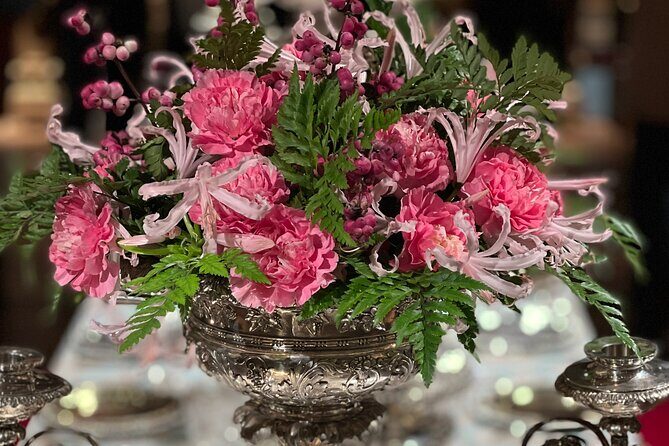
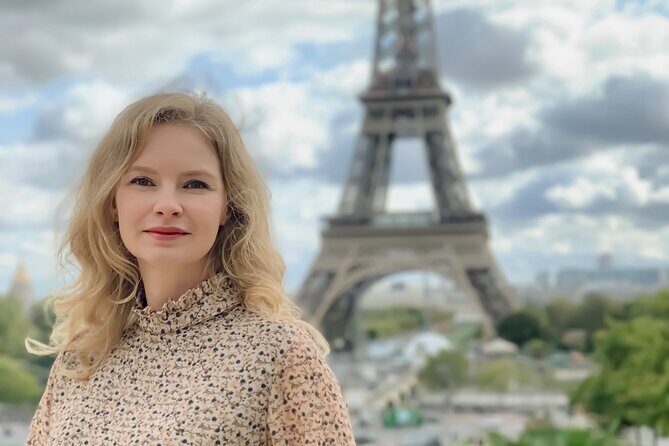
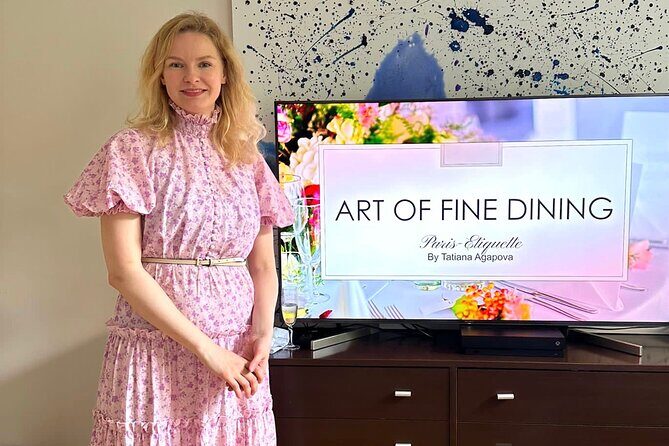
The class is led by Tatiana, described as a friendly hostess and teacher with lived experience to share. That matters, because table manners are one of those topics where people either sound like a textbook or they sound like someone who has actually hosted.
In the feedback, the teaching style shows up as thorough and informative but still relaxed. You also get praise for the way Tatiana answers questions, including for people who needed extra patience. If you feel self-conscious asking basic etiquette questions, this setting is a relief. You’re not the only one trying to get it right.
One review also mentions that the class helped with shopping in Paris to ensure table settings were correct. That’s a practical detail you can use. If you’re buying table linens, serving pieces, or anything connected to the dinner setup, learning what goes where can prevent expensive mistakes.
How to use what you learn right away in Paris
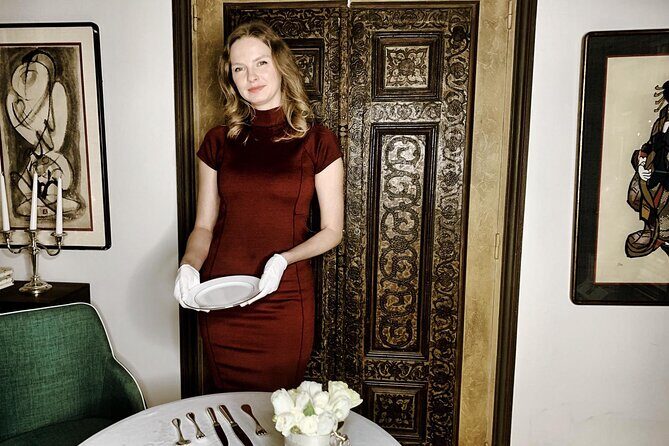
The biggest value of this kind of class is what you do with it after the lesson. You’ll get tailored tips that you can apply for the rest of your trip. Here are the best ways to turn the time into real-world confidence:
- When you sit down at dinner, you’ll know what you’re looking for on the table instead of guessing.
- If you’re dining with friends or family, you’ll have a stronger sense of how to host without awkward moments.
- If you plan to shop for table items, you’ll buy with clearer expectations instead of hoping the items match a layout you never learned.
Even if you don’t host, the skills translate. Knowing how the table is arranged makes you feel more at ease in restaurants, especially when the set-up isn’t identical to what you’re used to at home.
Also, because the class explains manners as a full dinner flow, you’re better prepared for small changes. Menus vary. Service varies. The way etiquette shows up can vary too. If you understand the overall rhythm, you stay confident when the details shift slightly.
Value check: is $82.80 worth 90 minutes?
At $82.80 per person for about 1 hour 30 minutes, you should think of this as targeted instruction, not entertainment. You’re paying for three things that add up quickly:
- Expert guidance on a specific skill set (French dining and hostessing norms).
- Small-group time, which increases the chance you’ll ask your questions and get personalized answers.
- A practical outcome, since you can apply the rules immediately during your trip and beyond.
If you’re the type of person who likes figuring out local culture through daily life skills, this is strong value. It can save you from those awkward dinners where you keep checking what you should do next. And if you plan to buy table-related items, the cost can pay back fast by preventing mistakes.
If you’re expecting a long tour or a lot of sightseeing, the price may feel high because you’re not paying for a route and multiple stops. But for an etiquette class with hands-on instruction and small-group interaction, it fits the value equation.
Who should book this class, and who might skip it
This is a great pick if you want French culture to show up in your daily habits. It’s also ideal if you care about getting details right, whether that’s for restaurant meals, hosting, or shopping for table settings.
You’ll likely be happiest here if you:
- want a single, focused evening activity
- like small groups and real chances to ask questions
- want a practical skill you can use immediately
You might skip it if you mainly want sightseeing. This isn’t a walking tour. It is a table manners class, and the payoff comes from what you learn and apply at the table.
Should you book Table Manners a la française?
I’d book it if you want confidence at French dinners and you like structured, practical teaching. The small group size, the step-by-step focus from beginning to end, and Tatiana’s patient, lived-experience approach make it feel like a real skill-building session, not a lecture.
I’d think twice only if you’re already totally comfortable with place settings and you want a big dose of Paris sightseeing. In that case, your time might be better spent elsewhere.
FAQ
FAQ
Where does the class meet?
You meet at 26 Rue Spontini, 75016 Paris, France.
What time does the experience start?
The start time is 7:00 pm.
How long does the experience last?
It lasts about 1 hour 30 minutes.
Is the class offered in English?
Yes, it is offered in English.
Is there a mobile ticket?
Yes, it includes a mobile ticket.
How many people are in the group?
The class has a maximum of 4 travelers.
Is the meeting point near public transportation?
Yes, it is near public transportation.
Are service animals allowed?
Yes, service animals are allowed.
Who can participate?
Most travelers can participate.
Can I get a full refund if I cancel?
Yes. You can cancel for a full refund if you cancel up to 24 hours in advance of the experience’s start time. If you cancel less than 24 hours before, the amount paid is not refunded.