REVIEW · PARIS
The Louvre: art and love.
Book on Viator →Operated by Barbara & Boris · Bookable on Viator
Art at the Louvre can feel like noise.
This tour gives it a clear point of view, using Eros and love in its many forms to explain how western art was shaped. I especially liked the thought-provoking angle that connects religion, pain, and desire to masterpieces you might think you already understand.
I also loved the way Barbara & Boris teach without making you feel lost—there’s humor, and the ideas come with room for discussion. One possible drawback: the subject matter leans into BDSM, domination, and sadomasochism, so if you want a strictly traditional, low-provocation museum tour, this may not match your vibe.
In This Review
- Key highlights worth knowing
- Why The Louvre: art and love feels different (and more human)
- Meeting at Arc du Carrousel: start where the day feels easy
- About 15 masterpieces: what you’ll see (and what you’ll miss)
- How Catholicism, martyrdom, and pain shaped Western art
- BDSM and Eros: how they connect passion to imagery
- Why humor matters in a museum this intense
- The pacing and “leaving inside” option
- What this costs, and whether it’s good value
- Who should book this Louvre tour (and who should skip)
- Practical tips for making the most of your 2–3 hour visit
- A quick note on tickets and the mobile option
- Should you book The Louvre: art and love?
- FAQ
- Where is the meeting point for the Louvre tour?
- How long does the tour last?
- Is the admission ticket included?
- Is this a private tour?
- What ticket format do I receive?
- What are the tour’s opening hours?
- Can I bring a service animal?
- How many artworks are covered during the visit?
- Is there free cancellation?
Key highlights worth knowing
- Meet at Arc du Carrousel and step into the Louvre together, starting with quick orientation
- About 15 masterpieces covered, including lesser-known works you might skip on your own
- Private tour with only your group, guided by Barbara & Boris
- Clear, comfortable explanations even when the topics get sophisticated
- You can end inside the museum, then continue at your own pace with your new lens
Why The Louvre: art and love feels different (and more human)
The Louvre is huge, and most museum tours turn into a checklist. This one slows the pace down by using a single theme—love, passion, and the forces that shaped western art—to give the museum a logic you can actually follow.
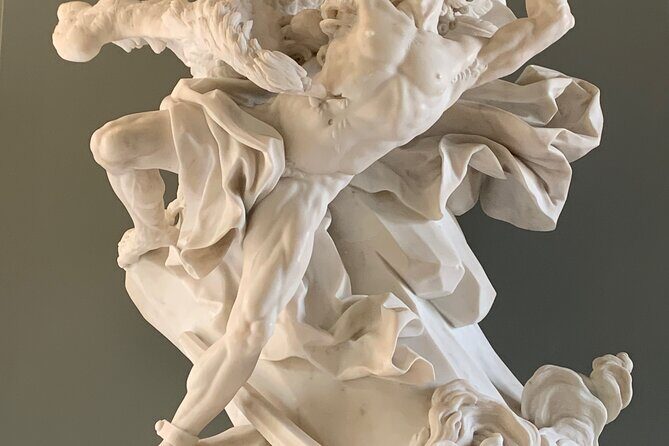
Instead of treating the artworks like frozen trophies, the guides frame them as products of belief systems, emotions, and cultural obsession. In their hands, the museum becomes a place where you can ask why certain images were made, why certain bodies were shown, and why suffering got turned into something people could admire.
What I found most useful for you is that this method doesn’t require prior art expertise. You just need curiosity. The tour’s theme gives structure, so the artworks stop feeling random.
You can also read our reviews of more tours and experiences in Paris.



Meeting at Arc du Carrousel: start where the day feels easy
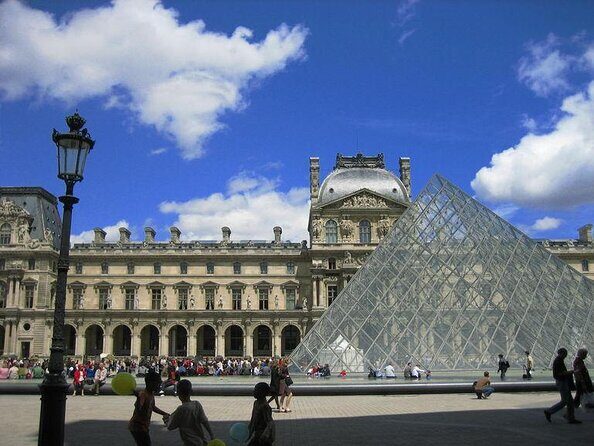
You meet at the Arc du Carrousel, between the Louvre Museum and the Tuileries gardens. It’s a good “first step” location because it feels like you’re arriving at the complex, not disappearing into it.
From there, you step into the museum as a group and begin with a set of artworks chosen to matter for the story you’re about to hear. This matters because the Louvre can overwhelm you fast. Having a guided entry and a plan for what to see first helps you get your bearings fast.
Also, the tour is a private activity, so you’re not squeezed into a mass experience. That tends to make it easier to ask questions and stay with the train of thought.
About 15 masterpieces: what you’ll see (and what you’ll miss)
This tour focuses on around fifteen masterpieces, known and less known. That number is important. It’s enough to feel like you’re seeing real highlights, but not so many that you lose the thread.
I like that the selection makes space for works that often get pushed aside by the main tourist paths. If your usual Louvre strategy is “hit the famous ones and power through,” you’ll probably enjoy how this tour gives attention to older masters and details that don’t always get airtime.
Now, the trade-off is obvious: you can’t expect to see everything. If you’re the kind of visitor who wants a broad sweep—paintings everywhere, sculpture everywhere, every floor—this format will feel narrower. But that narrowness is the point: it helps the art make sense under one theme.
How Catholicism, martyrdom, and pain shaped Western art
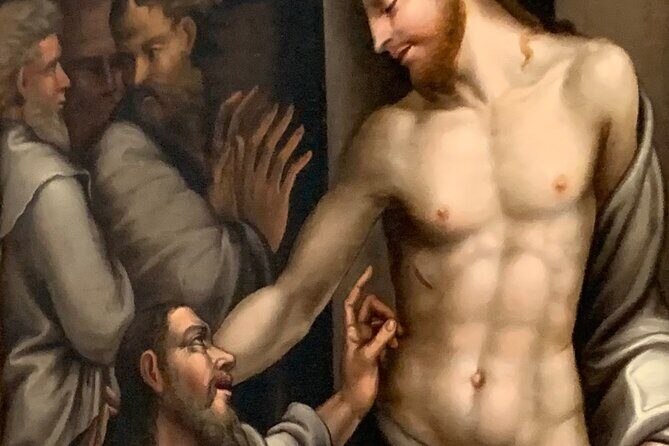
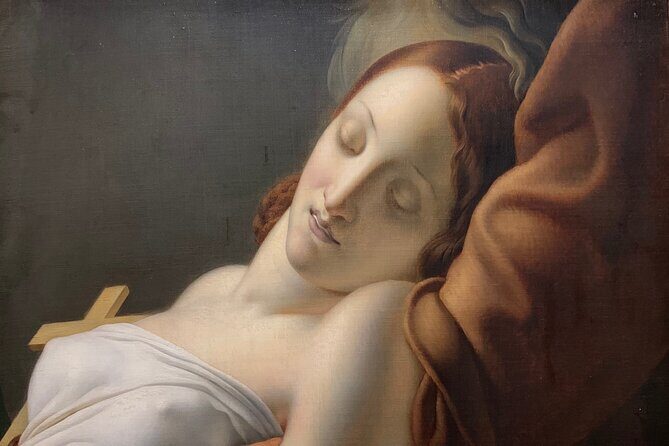
One of the tour’s main ideas is that history of art and culture is also history of love—and that for much of western art, Catholicism played a massive role. The guides connect themes like martyrdom and veneration of pain to the visual language that still echoes through the centuries.
You’ll hear about how certain religious ideas were not only taught, but also staged through art. When you see those patterns in paintings and sculpture, you start noticing how artists learned to make suffering legible—turning distress into something that could be admired, contemplated, and emotionally processed.
This isn’t just “religion talk.” It’s a way of understanding why specific imagery became persuasive. If you’ve ever wondered why the Louvre contains so many works that feel intense, emotional, and almost performative, this tour gives you a cultural explanation.
And it helps you look beyond subject labels. You start noticing composition, expressions, and symbols as tools for shaping belief and feeling.
BDSM and Eros: how they connect passion to imagery
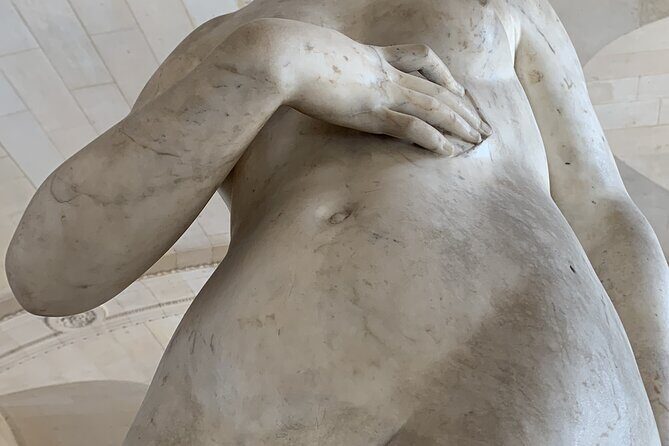
The tour title isn’t shy: it explores Eros through themes linked to BDSM (bondage, domination, sadomasochism). That sounds provocative, and it is. But the guides aim to show the historical forces behind what people call passion.
The framing they use is essentially: Western art often grows from power relations, ritual, and controlled intensity—then disguises those forces in religious stories, myth, or allegory. So when you encounter an image that feels charged, you get help reading it as more than just aesthetics.
You should expect a theme that is meant to challenge your default assumptions. The guides focus on the “true meaning” and context behind passion, and the goal is to understand inspiration, not to make the museum feel like a shock show.
From the reviews, I also took an important takeaway: the guides keep things comfortable. The humor and clear explanations help you stay with the concepts without feeling awkward. That’s not a small detail at the Louvre.



Why humor matters in a museum this intense
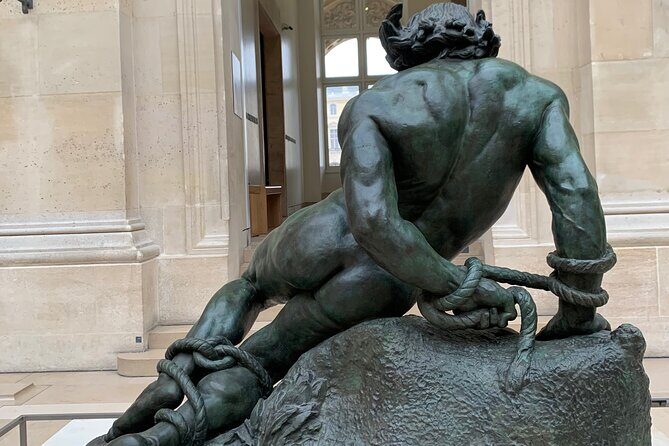
The Louvre can make people self-conscious. You stand in front of a masterpiece and worry you’re missing something important. What helps on this tour is that Barbara & Boris use jokes and a relaxed tone to keep the atmosphere human.
That matters because the subject matter includes sophisticated concepts, not just names and dates. If you’re going to talk about pain, desire, and power, you need a guide who can handle it without turning it into cringe or chaos.
You also get more than passive listening. The tour format encourages discussion of the ideas presented. That turns the museum from a lecture into a conversation, even if you’re not the most confident speaker in a group.
If you like learning that feels flexible—where you can react and ask why something matters—this approach is likely your speed.
The pacing and “leaving inside” option
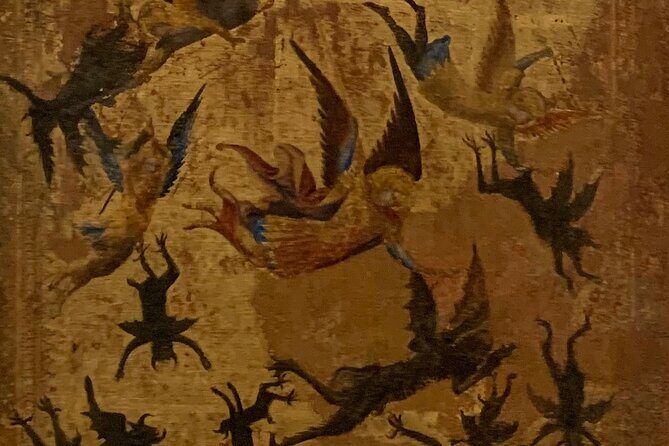
The tour runs about 2 to 3 hours, which is a very workable window for the Louvre. You get enough time to cover the chosen masterpieces and hear the connective story, but you’re not stuck for an entire day.
It also gives you an “exit” option in a useful way: the tour can end inside the museum so you can continue on your own. That’s a big practical advantage, because once you’ve been shown how to look, you can choose what to chase next.
The most helpful mindset for you is: treat this tour as a lens, not as the whole museum. Afterward, you’ll likely spot relationships between works faster. You might also notice which areas you skipped because they didn’t fit the theme—and decide whether you want to follow up.
If you’re the type who loves wandering with purpose, this “guided then self-paced” flow can feel like a best-of-both-worlds plan.
What this costs, and whether it’s good value
Price is $345.72 per person. That’s not budget-level for a Louvre outing, so you should judge it by what you actually receive: private guidance, admission included, and a focused theme that covers about fifteen major works with time to talk.
Many Louvre tours just point and rush. You pay for access, but you don’t always pay for understanding. Here, you’re paying for interpretation—especially interpretation of a less common angle—plus the comfort factor of having Barbara & Boris lead.
If you’re interested in standard art history only, you might feel this is overpriced because the premise is clearly “art + love + pain.” But if you want something you can’t get from a printed guide and you like thinking while you walk, the value makes more sense.
For me, the best way to decide is simple: if you’d rather spend two or three hours having the museum make you ask better questions, this price is easier to justify. If you’re only chasing famous works with minimal talking, you may not use the full benefit.
Who should book this Louvre tour (and who should skip)
This is best for you if:
- You enjoy art history when it connects to big cultural ideas
- You’re curious about how religion and emotion shaped visual culture
- You like tours with humor and some room for discussion
- You want to see beyond the fastest “must-sees” list
It may not be the right fit if:
- You want a strictly traditional art tour with a neutral, low-provocation theme
- You’re uncomfortable with topics connected to BDSM as a framework for discussing art and love
The good news is that the guides’ tone seems designed to keep people comfortable, even when the ideas are intense. The reviews highlight professionalism, humor, and clarity, which are exactly what you want when the concepts aren’t the usual museum fare.
Practical tips for making the most of your 2–3 hour visit
Here’s how to set yourself up to enjoy it:
- Go in with a flexible mindset. The goal is interpretation, not just recognition.
- Wear comfortable shoes. Even with a curated route, the Louvre involves lots of walking.
- Plan your next steps before you start. Since the tour can end inside the museum, decide what you want to do after—follow the theme, or switch gears to your own favorites.
Also, take the time to read the room once you arrive. A private setting and an interactive style mean you can ask questions. If you’re not sure what to ask, you can ask a simple one like why that artwork is placed where it is in the story.
If you’re traveling during the museum’s operating window, note that the tour opening hours are listed as 9:30 AM to 3:00 PM. That gives you a sense of what part of the day you should plan around.
A quick note on tickets and the mobile option
You’ll use a mobile ticket, and the admission ticket is included. That’s a straightforward setup that reduces friction when you arrive, especially at a place as large as the Louvre.
Since the activity is private and starts at a specific meeting spot, the “show up and go” feeling matters. You don’t want extra stress on arrival, and a mobile ticket helps with that.
Should you book The Louvre: art and love?
Book it if you want the Louvre to feel like a story about people—beliefs, pain, desire, and how artists turned that into images you can still feel today. The main selling point is the fresh lens: about fifteen masterpieces plus a theme you won’t get from a generic audio guide.
Skip it if you need a conventional, low-emotion museum tour. The framework includes BDSM-related themes and Catholic martyrs/veneration of pain, so it’s intentionally provocative. For the right audience, that provocation turns into insight.
If you’re on the fence, think of it like this: do you want your Louvre visit to be about recognition, or about meaning? This tour is clearly for meaning.
FAQ
Where is the meeting point for the Louvre tour?
You meet at the Arc du Carrousel, between the Louvre Museum and the Tuileries gardens.
How long does the tour last?
The experience runs about 2 to 3 hours.
Is the admission ticket included?
Yes. Admission Ticket Included is part of the tour.
Is this a private tour?
Yes. It’s listed as a private tour/activity, with only your group participating.
What ticket format do I receive?
The tour uses a mobile ticket.
What are the tour’s opening hours?
The listed opening hours are 9:30 AM to 3:00 PM.
Can I bring a service animal?
Yes. Service animals are allowed.
How many artworks are covered during the visit?
The tour concerns around fifteen masterpieces.
Is there free cancellation?
Yes. Free cancellation is offered, and you can cancel up to 24 hours in advance for a full refund.