REVIEW · PARIS
The Musée d’Orsay in Focus: Impressionists & Beyond (Max 6)
Book on Viator →Operated by Fat Cat Tours · Bookable on Viator
Orsay in two hours can feel like magic. You get skip-the-line entry and an expert English guide who stitches together the artists, the ideas, and the bigger 19th-century changes behind the paintings. I particularly love the way the tour keeps you focused on the right works—Monet, Renoir, Degas, and Van Gogh—without making you memorize art history facts. I also like that it often lands in memorable, human details from guides like Adam (great diction and charm) and Lilijana (helpful navigation and lively storytelling). The main drawback to consider is simple: it’s only about 2 hours, so you’ll need to choose what you want to revisit after the guided part.
Musée d’Orsay covers 1848 to 1914, a time when trains, electricity, and new tech changed daily life and the art made sense of those shifts. If you enjoy that story-world where paintings connect to real-world change, this fits nicely. You finish inside the museum, so your next wander can start right away instead of hunting for the exit and coming back later.
This runs in English with a small group (max 6), which matters because Orsay is big and you don’t want your time chopped up by crowd chaos. You’ll walk with a licensed guide, then you’ll explore the post-impressionist areas on your own once the guided thread ends.
In This Review
- Key things to know before you go
- Why Musée d’Orsay in Focus is a smart 2-hour plan
- Getting there: the Orsay Esplanade meeting point and inside finish
- What your licensed English guide will actually do inside Orsay
- Impressionists first, then post-impressionists on your own time
- Small-group comfort: why max 6 travelers changes the whole experience
- Price and value: is $190.52 per person worth it?
- Practical tips so you get the most from your 2 hours
- Should you book this Musée d’Orsay tour?
- FAQ
- How long is the Musée d’Orsay in Focus tour?
- Is the tour in English?
- What’s the maximum group size?
- Does the tour price include admission tickets?
- Where do we meet, and where does the tour end?
- What is the cancellation policy?
Key things to know before you go
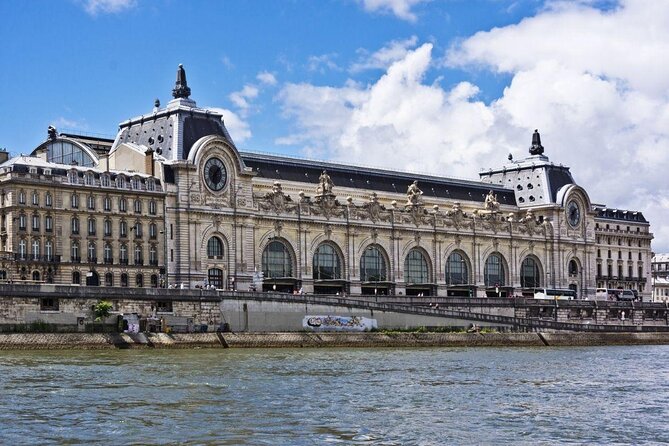
- Skip-the-line entry saves the time you’d otherwise spend waiting outside.
- Max 6 travelers keeps the pace manageable and questions actually get answered.
- Monet to Van Gogh focus means you’ll see the works most people come for, plus supporting context.
- Artist connections, not just names: you’ll learn how movements and relationships shaped the art.
- Guided insight first, self-paced after so you can control what you linger on.
- Licensed English guide with real clarity, including pacing that can work for visitors who want occasional seating.
Why Musée d’Orsay in Focus is a smart 2-hour plan
The Musée d’Orsay can overwhelm you fast. Even if you know the famous artists, the museum’s size and the building’s “everything-happens-here” layout can make a short visit feel like a blur. This tour helps you turn that chaos into a route—one that’s designed around how to look, not just what to see.
You’re not stuck in a lecture. You’re walking through a curated set of galleries that connect impressionism to post-impressionism, with the guide explaining the backstories and the relationships among artists in that era. The best part for me is the practical aim: you learn what to notice so the paintings start talking to you when you’re standing in front of them.
Also, Orsay’s time span (1848 to 1914) is a big deal. This wasn’t just “pretty art.” It’s when inventions and modern life sped up and changed what people valued. The tour frames that context—think tubes of paint, trains, electricity—not as random trivia, but as the reason artists were able to work differently and chase new ways of seeing the world.
And yes, you’ll spend time on the major names—Monet, Renoir, Degas, and Van Gogh—but the tour’s real value is that you don’t meet those artists as isolated brands. You meet them as people reacting to the same shifting world.
You can also read our reviews of more tours and experiences in Paris.



Getting there: the Orsay Esplanade meeting point and inside finish
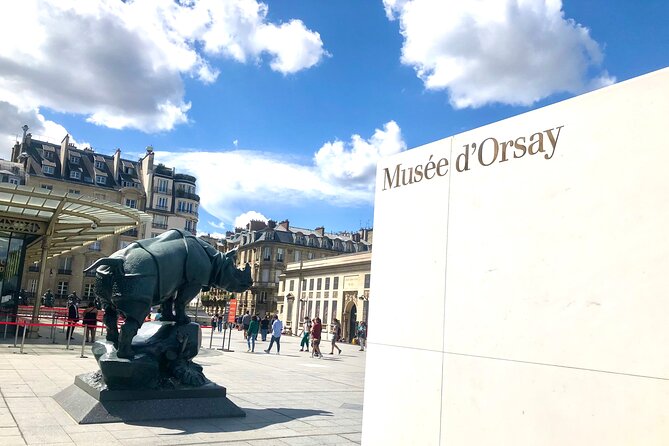
You meet at Musée d’Orsay on the Esplanade Valéry Giscard d’Estaing, 75007 Paris. That matters because Orsay’s exterior can be confusing if you’re arriving for the first time. Having a specific meeting spot helps you get oriented quickly and avoid burning your first 20 minutes trying to match landmarks.
The tour ends inside the museum, which is a small thing that makes a big difference. You don’t have to reset your plan or re-enter from the outside. Once your guided portion is over, you’re already in position to continue at your own pace—especially helpful if you want to follow your curiosity into post-impressionist rooms without feeling rushed.
Orsay is also near public transportation, so you can build this into a day without needing a car plan. For a 2-hour experience, that kind of logistics smoothness is part of the “value” you’re paying for.
What your licensed English guide will actually do inside Orsay
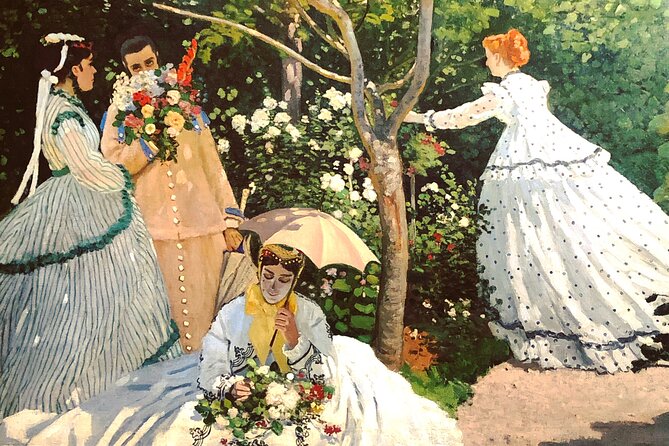
The heart of this experience is your expert, English-speaking licensed guide. You’re at the museum for about 2 hours total, and the tour is structured so you can see key masterpieces while learning the stories behind them.
Here’s what that usually means in practice when you’re in Orsay:
- You’ll move through galleries with a clear focus, rather than drifting.
- You’ll get talking points that help you recognize what makes impressionism and post-impressionism different in real time.
- You’ll hear the “why now” behind the works—how artists reacted to one another and to the era.
For the artists you care about most, this tour is built to show you more than the headline image. The guide’s goal is to connect technique and intention. You’ll learn how innovations like ready-to-use paints (the era of tube paint) and changing urban life supported new styles. You’ll also hear about the rebellious energy behind the movements—artists pushing against what was considered normal, then building momentum together.
If you’re lucky enough to be guided by someone like Adam, you can expect clear communication and a lively way of keeping you involved. One strength mentioned in prior experiences is that the guide makes you an active participant, not a passive listener. That means you’re more likely to ask questions, get quick clarification, and actually remember what you’re looking at.
If your guide is someone like Lilijana, you’ll likely notice another useful approach: practical navigation through the galleries so you can reach major works efficiently. That kind of “help me find the right rooms” guidance is hugely valuable in a museum where sightlines and crowd flow can throw you off.
A quick consideration: the tour mentions moderate physical fitness. This doesn’t mean it’s a marathon, but Orsay does involve walking and museum floors that aren’t always perfectly smooth. If you want occasional seating, bring it up with your guide when you start. The format is designed to keep you moving through the key areas without spending the entire time standing still.
Impressionists first, then post-impressionists on your own time
This tour is built around a two-part rhythm: guided insight first, then self-paced exploring after. That split is more than marketing. It’s a smart way to match how people actually experience museums.
During the guided part, you get the framework:
- What to notice in brushwork, light, and composition
- How impressionists differ from post-impressionists
- How relationships and artistic choices shaped what you’re seeing
Then the tour hands you the keys. Once you’re out on your own, you’re free to linger where you feel pulled. Maybe you want to re-check a painting because the guide’s explanation clicked. Or maybe you’ll choose a different work that suddenly seems more important once you’ve learned what to look for.
That post-guided freedom is especially helpful in Orsay because the museum’s collection includes major works that people often only skim if they’re on a tight schedule. A guided start gives you direction; self-paced time lets you follow your interest rather than someone else’s checklist.
One more point that’s easy to miss: the tour’s focus on both impressionists and post-impressionists gives you a fuller view of the artistic shift happening between the movements. Instead of treating these schools like separate boxes, you see them as part of a single evolving conversation.
Small-group comfort: why max 6 travelers changes the whole experience
A limit of 6 travelers is a big deal in a museum as complex as Orsay. With a larger group, your guide has to pace for the middle, not for individuals. With a smaller group, you get more flexibility and better communication.
In real terms, that can mean:
- easier access to your guide’s explanations
- more time on the specific works that matter to you
- a pace that feels like a conversation instead of a race
The guide factor matters here too. The best Orsay tours don’t just provide facts; they guide your attention. People often remember a tour because the guide can explain what’s happening without making you feel dumb or lost. In prior experiences, guides like Adam have been praised for clarity and charm, including good diction that makes the tour easy to follow. Those qualities matter when you’re moving through rooms quickly and you need the next explanation instantly.
And if you’re a visitor who sometimes prefers sitting for comfort, this is the kind of tour that can accommodate occasional seating requests. That’s not guaranteed for every visitor on every day, but the tour format supports a more human pace than a typical big-group “photo line” experience.


Price and value: is $190.52 per person worth it?
$190.52 per person isn’t cheap. The good news is that the price includes things that directly save you time and reduce friction: admission tickets and a licensed English guide.
So the value equation looks like this:
- If you were to self-guide, you’d still need tickets, plus you’d spend time figuring out routes and what to prioritize.
- If you’re short on time in Paris or you want the main works plus context in one visit, guided structure is what you’re buying.
This tour is also built to reduce the “waiting tax” by handling skip-the-line entry. In Orsay, that can be the difference between seeing the right galleries comfortably and feeling like you’re chasing your own schedule.
The other value driver is the small-group size. A tour for 6 people tends to deliver a better learning-to-walking ratio than larger group formats. For many visitors, that’s worth paying for—especially at a museum where your attention is the real scarce resource.
Who should feel good about the price:
- You want Monet/Renoir/Degas/Van Gogh with context, not just photos.
- You like understanding how movements connect and why artists acted the way they did.
- You have limited time and want a guided route that makes Orsay manageable.
Who might think twice:
- If you want to spend most of the visit reading and wandering for hours, a guided 2-hour structure may feel too short or too focused.
- If you’re only casually interested in 19th-century art, you might prefer a slower, cheaper plan with no guide.
Practical tips so you get the most from your 2 hours
A 2-hour guided museum tour can work brilliantly—if you come prepared. Here are the things I’d do before you go:
- Have your expectations ready: this is focused on impressionists and post-impressionists. Plan to accept that you can’t see every gallery in that time.
- Wear comfortable shoes. Orsay has plenty of walking, and you’ll move between areas to keep the route efficient.
- Ask for the priorities early. If you have a must-see painting or artist, tell your guide at the start so the route can align with your interests.
- Use the self-paced time strategically. After the guided portion, go back to the sections that grabbed you. Don’t just drift randomly—use what you learned as a filter.
- Bring a light plan for photos. Since you’ll be moving, pick a few key works you want a picture of. Then spend the rest of the time looking, not shooting.
Should you book this Musée d’Orsay tour?
Yes, I think this is a strong pick if you want an efficient, high-quality Orsay visit with real context. The combination of skip-the-line entry, a licensed English guide, and a small group (max 6) makes the museum feel smaller and more understandable. If your goal is Monet, Renoir, Degas, and Van Gogh—with artist connections and the shift into post-impressionism—this tour does exactly that in about 2 hours.
I’d skip it only if you want a long, slow museum day with no structure at all. Or if you’re not particularly interested in the impressionist-to-post-impressionist story, you may find the focus too narrow.
FAQ
How long is the Musée d’Orsay in Focus tour?
It lasts about 2 hours.
Is the tour in English?
Yes, it’s offered in English.
What’s the maximum group size?
The group is limited to a maximum of 6 travelers.
Does the tour price include admission tickets?
Yes, entry tickets are included.
Where do we meet, and where does the tour end?
You meet at Musée d’Orsay Esplanade Valéry Giscard d’Estaing, 75007 Paris, and the tour ends inside the Orsay Museum.
What is the cancellation policy?
You can cancel for a full refund up to 24 hours before the experience starts, and free cancellation is offered.