REVIEW · PARIS
Treasure Hunt in Paris – From the Panthéon to the Louvre
Book on Viator →Operated by From Paris With Fun · Bookable on Viator
Clues make Paris feel like a game. I love how this Panthéon-to-Louvre route links famous sights into one walk, and I love the riddle booklet format that gets you looking at the city in a very hands-on way. The main catch is simple: it’s self-paced with a time limit, so plan to keep moving.
You start at 1 Rue Soufflot in the Latin Quarter, then follow a trail tied to a mysterious owner. The host behind the experience, Marion, is specifically noted for being friendly and flexible, including helping families when schedules slip.
It also helps that the hunt works with small groups (up to 25) and runs in English and French, so you are not stuck translating. One more practical thing: the hunt needs good weather, so bring a hat and a backup plan for light rain.
In This Review
- Key highlights you’ll feel right away
- A Panthéon-to-Louvre treasure hunt that turns sight-seeing into problem-solving
- Where you start: 1 Rue Soufflot and getting your first clue
- Latin Quarter and Cluny Museum: solving riddles on narrow streets
- The Notre-Dame mysterious owner clue stretch: how Île de la Cité changes the vibe
- Pont Saint-Michel to Pont des Arts: bridges as clue corridors
- Finishing in front of the Louvre: opening the chest at Cour Carrée side
- What you get for $36.05: value that comes from the format
- Self-guided, but not on your own: how assistance works
- Timing, pacing, and why good weather matters
- Who this treasure hunt suits best in Paris
- Should you book this Treasure Hunt in Paris from the Panthéon to the Louvre?
- FAQ
- Do I need an app or any downloads?
- Is there a guide with you during the treasure hunt?
- How long does the treasure hunt take, and what if we run late?
- What languages are available for the hunt?
- What happens if weather is poor?
- Can I cancel and get a full refund?
Key highlights you’ll feel right away
- Panthéon to Louvre as one continuous puzzle route, not a stop-and-go sightseeing checklist
- Booklet with riddles, map, and cultural notes, no phone app or downloads
- Major Paris landmarks used as clue stops, including Cluny Museum and the Île de la Cité area
- Help available during the game if you get stuck on a riddle
- Final chest reveal at the Louvre, where the story wraps up in front of the museum
A Panthéon-to-Louvre treasure hunt that turns sight-seeing into problem-solving
This is the kind of activity that makes Paris feel different fast. Instead of hiring a guide to talk at you for two hours, you and your team work out clues on foot, using a mix of observation and logic. It’s a clever way to slow down, read your surroundings, and learn details you might otherwise miss while rushing to the next photo spot.
I like that the route connects recognizable places in a natural flow: the Panthéon area down through the Latin Quarter, across toward the Seine and Île de la Cité, then onward to the bridges and finally the Louvre. You end in the right place for a classic Paris day—you finish near the Louvre entrance at Place du Louvre and can easily roll into museums, cafés, or more wandering.
The time structure is also worth noticing. It’s listed as about 2 hours, with the experience automatically ending after 3 hours wherever you are on the route. That gives you enough flexibility to enjoy the walk, but it also means you should not plan for long detours.
You can also read our reviews of more tours and experiences in Paris.



Where you start: 1 Rue Soufflot and getting your first clue
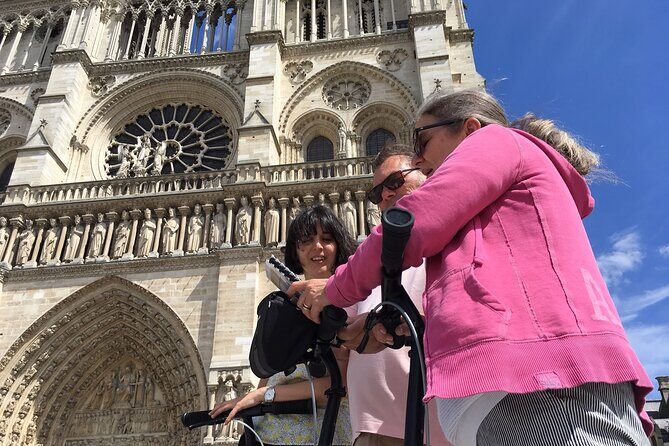
Your start point is 1 Rue Soufflot, 75005 Paris, at the foot of the Panthéon area in the Latin Quarter. That location matters because it sets the tone. You begin in a part of Paris that already feels old and walkable—tight streets, layers of architecture, and plenty of “pause and look” opportunities.
Once you arrive, you get a short briefing. Then you receive your booklet and first clue, and the hunt begins with the idea of following the trail of the chest’s mysterious owner. This isn’t a scavenger hunt where you run around collecting random items. It’s closer to a city puzzle route where the clues are meant to steer you toward specific spots and make you notice what’s around you.
Practical tip: since this is mobile-ticket based, have your confirmation ready on your phone. And since it is self-guided, you’ll want to start with good team habits right away—pick roles if you’re traveling with kids or friends (one person reads clues, another watches for landmarks, another checks the map). Small structure helps.
Latin Quarter and Cluny Museum: solving riddles on narrow streets
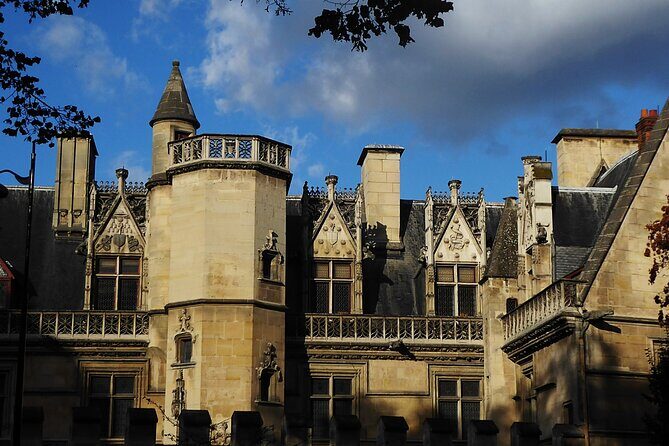
After the first clue, your path pulls you into the Latin Quarter atmosphere—narrow streets, a neighborhood that has long been central to Paris life, and plenty of corners where you can spot clues without feeling like you are sprinting.
A key mid-route anchor is the Cluny Museum, described in the experience materials as a standout for medieval architecture. That’s a good match for a treasure hunt format. Medieval-looking details are often where puzzles can feel rewarding because you get to look at shapes, symbols, and architectural features instead of only reading a sign.
This portion of the hunt also tests something important: patience. Some clues need observation, not just guessing. If you’re used to walking through Paris quickly, this segment nudges you to slow down and treat the street as a puzzle board.
If you’re traveling with multiple age groups, this is one of the easier sections to split into teams. Kids can handle quick searches for the landmark described in the clue, while adults can focus on logic pieces. The experience is designed so you can solve together, not just watch one person do all the work.
The Notre-Dame mysterious owner clue stretch: how Île de la Cité changes the vibe
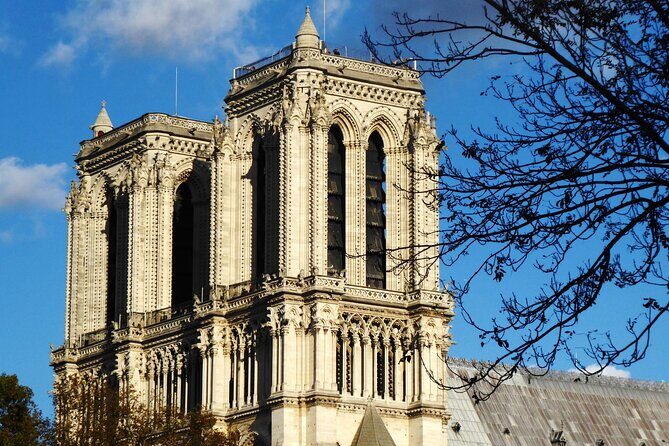
One of the most memorable “location shifts” in this hunt is moving toward the Île de la Cité area. The route description calls out crossing the Seine and reaching Île de la Cité, with the setting framed between Pont Saint-Michel and Notre-Dame Cathedral. That matters because the scenery naturally opens up around there, and it becomes easier to see why the riddle trail needs specific city features.
You’ll hit a stop connected to the Notre-Dame portion of the story (the clue is tied to a mysterious owner), then continue through the Seine crossing into the heart of Paris. Even if you don’t go inside Notre-Dame, just being in that zone helps the story feel grounded. The hunt is using the city as the backdrop, so the riddle experience feels less like paper puzzles and more like you’re walking through a living plot.
One consideration here: this is a very famous area. If you’re worried about crowds or just want smoother puzzle time, keep your team together and avoid stopping too long in the busiest sidewalk spots. Take a step aside to check the clue, then move back toward the landmark described.
Pont Saint-Michel to Pont des Arts: bridges as clue corridors
After the Île de la Cité segment, the route continues through a chain of well-known crossings and viewpoints:
- Place Dauphine (described as one of the most charming squares in Paris)
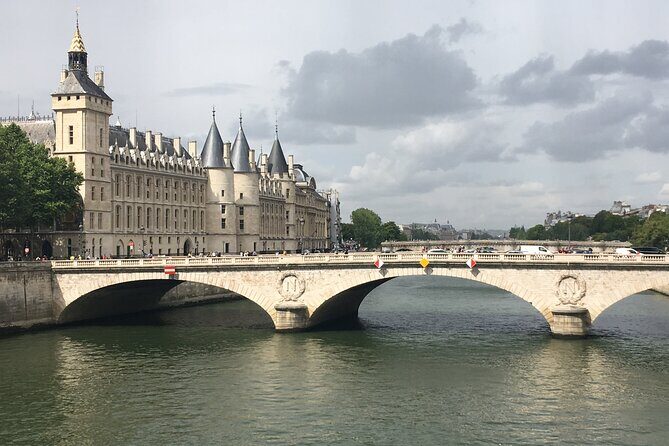
- Pont Neuf (called the oldest bridge in the city)
- Pont des Arts (described as the iconic bridge of artists and lovers)
This part of the hunt is a smart use of Paris geography. Bridges naturally force you to move in a straight line, so the hunt keeps your momentum. And because bridges are also where views expand—across the Seine, toward landmarks, toward the city’s “layers”—the riddles don’t feel stuck to one flat street.
I also like that this sequence gives you a mix of moments: one calmer square (Place Dauphine), one classic historical bridge (Pont Neuf), and one super recognizable “Paris postcard” crossing (Pont des Arts). It makes the second half of the hunt feel like a payoff, not just more walking.
If you’re prone to overthinking puzzles, remember this: the bridge stops are probably easier than you expect. They’re iconic, so the clues are likely pointing you toward features you can spot without a lot of translation.



Finishing in front of the Louvre: opening the chest at Cour Carrée side
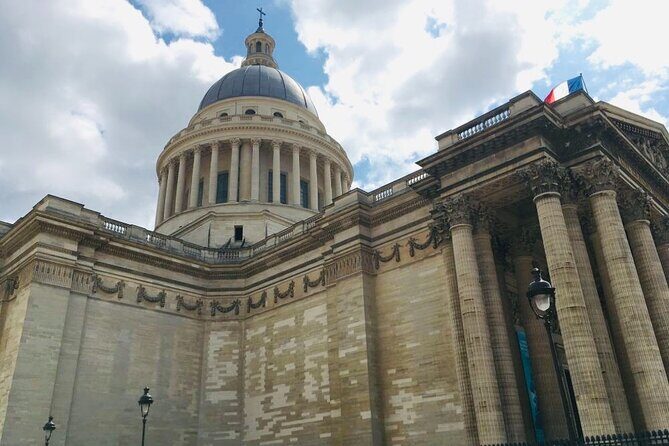
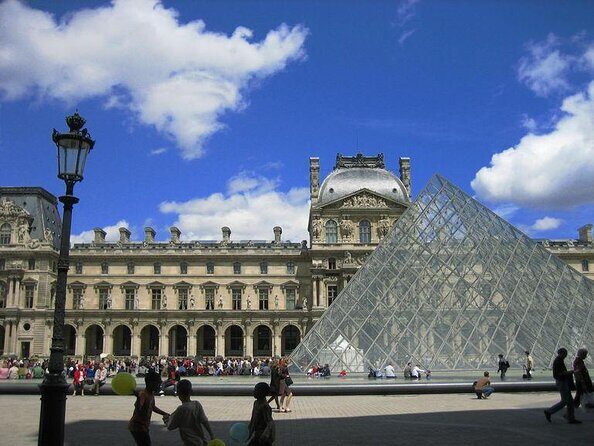
The final stretch builds toward the big moment: the chest opening in front of the Louvre Museum. Your finish is on Place du Louvre, specifically noted as the Cour Carrée side, in front of the Louvre Museum entrance.
That ending is practical for two reasons. First, you arrive exactly where you can transition into the rest of your day—Louvre visits, nearby food, or even just wandering the palace courtyards. Second, the final clue format tends to make the last leg feel purposeful, not like you’re wandering to the museum for no reason.
To find the end point cleanly: use Louvre–Rivoli as your closest metro station. Then look for the Cour Carrée entrance side. If you’re finishing with kids, this is where you’ll want everyone to stay close—last clues are usually where enthusiasm peaks.
What you get for $36.05: value that comes from the format
At $36.05 per person, the price is surprisingly reasonable when you break down what’s included:
- A game booklet with riddles, a map, and cultural notes
- Answer sheets and all necessary materials
- Assistance available throughout the game if needed
- Languages: English and French
- No mobile app or downloads required
You’re not paying for a guided lecture. You’re paying for a structured walking route that turns “I’ve seen photos of Paris” into “I solved Paris.” For many people, that’s the real value—learning happens because the clue demands it.
Also, the booking window hints it’s popular. It’s commonly booked about 36 days in advance, which is a sign that slots go early. If your dates matter, you’ll save yourself stress by locking in ahead of time.
Is it worth it if you hate puzzles? Maybe not. This experience is built on riddle-solving and teamwork. But if you like a light challenge and you’d rather spend time actively figuring things out than passively listening, the cost makes sense.
Self-guided, but not on your own: how assistance works
This is listed as self-guided, meaning there is no tour guide included as part of the game. But you’re not left completely stranded.
You get assistance available throughout the game if you need it. That’s important, because treasure hunts can have that one clue where you are sure you are right… but you’re not. Having support helps you keep the momentum instead of turning the hunt into a half-hour argument.
The booklet also supports self-guided solving. It includes cultural notes, a map, and riddles, which means you’re not flipping through a city guide the whole time. And the lack of mobile app downloads keeps things simple—less phone battery stress, fewer login problems, more time walking.
Timing, pacing, and why good weather matters
The hunt is listed at about 2 hours, but the automatic time limit is 3 hours. That means you should plan for a comfortable pace, not a marathon. If you decide to linger on photos or stop for snacks, you might run out of clue time.
Good weather is also required. That doesn’t mean you cannot go in light conditions, but you should treat weather as part of the plan. If it’s rainy or miserable, this type of puzzle walk becomes less fun and more slippery.
A practical way to pace it: decide how you’ll handle slow moments. If you see a great photo spot, take it quickly. Check your clue. Move on. This way you’ll finish strong at the Louvre chest reveal instead of arriving while still mid-puzzle.
Who this treasure hunt suits best in Paris
This works well for people who want to see the biggest classic Paris sights while doing something interactive. The format also tends to fit mixed groups.
It’s a strong match for:
- Families with kids who can follow clues and enjoy finding things
- Friends who like teamwork and a light challenge
- First-timers who want structure through major landmarks
- Anyone who wants to spend time outdoors walking rather than sitting on a bus
If you want a strict guided tour with deep commentary at every stop, this isn’t that. It’s a game route with cultural notes, and the learning happens through clues.
Also, with a maximum group size of 25, it generally won’t feel like a chaotic scrum. Still, you’re walking through well-known Paris locations, so expect normal city crowds around the biggest landmarks.
Should you book this Treasure Hunt in Paris from the Panthéon to the Louvre?
Book it if you want a fun, structured way to connect the Latin Quarter, the Seine/Île de la Cité area, the bridges, and the Louvre into one coherent walking story. The booklet format, bilingual options, and no-app setup make it easy to join without tech fuss. And finishing with the chest opening in front of the Louvre gives the whole thing a satisfying finish line.
Skip it if you dislike puzzles, or if your schedule is so tight that a timed route could stress you out. Also, if you’re traveling in bad weather, the hunt’s requirement for good weather is worth taking seriously.
Overall, for $36.05, you’re buying a couple of hours of purposeful walking plus a built-in reason to look closely at Paris. That’s a good value formula.
FAQ
Do I need an app or any downloads?
No. This experience uses a game booklet with riddles, a map, and cultural notes. There’s no mobile app or downloads required.
Is there a guide with you during the treasure hunt?
It’s self-guided. A tour guide is not included, but you can get assistance available throughout the game if you need help.
How long does the treasure hunt take, and what if we run late?
The activity lasts about 2 hours on average. It automatically ends after 3 hours, wherever you are on the route.
What languages are available for the hunt?
The materials are available in English and French.
What happens if weather is poor?
The experience requires good weather. If it’s canceled due to poor weather, you’ll be offered a different date or a full refund.
Can I cancel and get a full refund?
Yes. You can cancel up to 24 hours in advance for a full refund. If you cancel less than 24 hours before the start time, the amount paid is not refunded.