REVIEW · PARIS
World War two : The Occupation of Paris
Book on Viator →Operated by Interkultur Paris · Bookable on Viator
Paris hides a wartime story in plain sight. This walk turns the city’s famous facades into a clear, human timeline of how Paris lived under occupation and how liberation unfolded. Two things I really like: the local guide-led route (so you’re not hunting streets and numbers), and the way the commentary links places to real daily pressure, not just dates.
One caution: each stop is brief, so if you’re craving heavy, academic detail at every corner, you may want to pair it with a museum visit later. Still, for a 2 hours 15 minutes street-level overview, it’s an efficient, very moving way to read Paris.
In This Review
- Key highlights you should care about
- Paris under occupation: why this walk works
- The practical setup: 2h15, English, and a guide who leads
- From Bouillon Chartier to Folies Bergère: the occupation hits fast
- Passage Verdeau and Hôtel Drouot: requisitioned spaces and stolen art
- Mairie du 9e and BNP Paribas: resistance, denunciation, and the money behind control
- Opéra area: Pathe Opera Premier and the machinery of propaganda
- Place Vendôme and Rue de Castiglione: law, hotels, and the road to Liberation
- Place de la Concorde: liberation scars and where stolen art was stored
- What the guide helps you do after the walk
- Price and value: what $83.40 buys you here
- Who should book this WWII Paris Occupation walk
- Should you book? My decision rule
- FAQ
- Is the tour offered in English?
- How long is the WWII Occupation of Paris tour?
- How many people are in the group?
- Do I need to buy tickets for the stops?
- Where does the tour start and end?
- What is the cancellation policy?
Key highlights you should care about
- Small group, max 15 people, which keeps the pace listenable instead of rushed.
- English guide + guided navigation, so you don’t waste energy figuring out where to stand.
- 11 occupation-and-liberation landmarks, from grand boulevards to Place de la Concorde.
- Free admission at each stop, so you’re paying for the guide’s story, not entrances.
- Personal recommendations for the rest of your trip, based on what you want to see next.
- Dark subject matter with practical context, including repression, confiscation, and propaganda.
Paris under occupation: why this walk works
If Paris is your goal, you’ll probably spend time on “pretty Paris.” This tour doesn’t erase that. It adds a second layer, showing how the same streets and buildings carried fear, control, and choice.
What makes the experience click is that it’s not a lecture in a classroom. You move from site to site and the guide’s story keeps snapping into focus: entertainment venues become tools, banks become levers, and ordinary corners hold evidence of confiscation and resistance.
It also helps you later when you’re seeing monuments on your own. Once you’ve heard what certain addresses and institutions were doing, you start noticing the logic behind where French power, German control, and liberation fighting happened.
You can also read our reviews of more tours and experiences in Paris.

The practical setup: 2h15, English, and a guide who leads
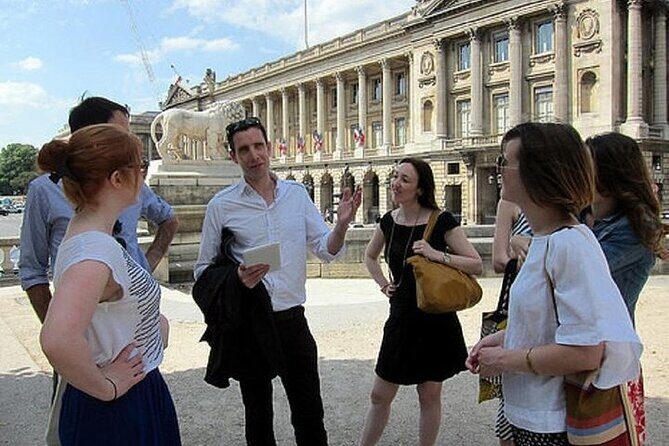
This is a 2 hours 15 minutes walking experience, with a maximum of 15 travelers. The pace is built for city walking, not long stops and deep interior visits. Most days you’ll be standing outside, looking at what’s still there, and hearing what happened there.
You’ll get an English guide and a mobile ticket. You also don’t have to manage “where do we go next?” because the guide leads the way. That matters in Paris, where even simple navigation can slow you down.
On cost: it’s $83.40 per person for a guided, city-based WWII narrative. Since every stop lists admission ticket free, you’re largely paying for interpretation, not entry fees. For many visitors, that’s good value—especially if you like understanding what you’re looking at rather than just checking boxes.
From Bouillon Chartier to Folies Bergère: the occupation hits fast
Your route starts in the 9th arrondissement, near Boulevards landmarks, and the story kicks off with the start of WWII and how Paris moved into occupation. At Bouillon Chartier Grands Boulevards, the emphasis is on dramatic anecdotes and everyday life under pressure. This is a strong opener because it gives you the emotional temperature early, before the tour becomes more specific about institutions.
Then you head to Folies Bergère, framed as a place of intense artistic life under occupation—movie stars, music halls, and film culture. That twist is important. The guide isn’t just saying “war was terrible.” The point is that culture kept running, while power sat behind the scenes, shaping what people could see and how it functioned.
If you’re hoping for only “soldiers and battles,” this section can surprise you—in a good way. It shows occupation as something people endured in leisure spaces too.
Passage Verdeau and Hôtel Drouot: requisitioned spaces and stolen art
Passage Verdeau is all atmosphere and architecture, with the guide pointing out how passages in Paris kept a visual mood that can still be read today. The tour also flags a darker neighbor: across from the passage area stood a building that hosted a bordello that the German army requisitioned. You get the sense of how control could hide in plain sight.
Then comes Hôtel Drouot, and this is one of the hardest stops in the tour. The story centers on how many objects—and art—were sold through auction during the occupation. The guide connects that to the mass theft of Jewish property, and to the story of a German art dealer working for the Reich.
This section is valuable because it turns “stolen art” from an abstract headline into a mechanism. You understand that confiscation wasn’t only violence and paperwork—it was also commerce, auctions, and systems people could exploit.
Mairie du 9e and BNP Paribas: resistance, denunciation, and the money behind control
At Mairie du 9e arrondissement de Paris, you shift from property and institutions to human choices. With a local employee, the tour discusses the Résistance and also the darker side of WWII France: denunciating and passive resistance. That balance matters. It doesn’t flatten history into a single heroic story. It shows how fear and pressure shaped behavior.
Next, you move toward BNP Paribas | Maison Dorée. Here the focus becomes the role of banks under occupation, tied to economic and political reality after the armistice convention between France and Germany. This stop is useful if you want to understand occupation beyond uniforms. It highlights how money and policy helped enforce control.
If you’re the type who likes “how did it work?” this section pays off. You leave with a clearer picture of how occupation could be both bureaucratic and real-time in people’s lives.

Opéra area: Pathe Opera Premier and the machinery of propaganda
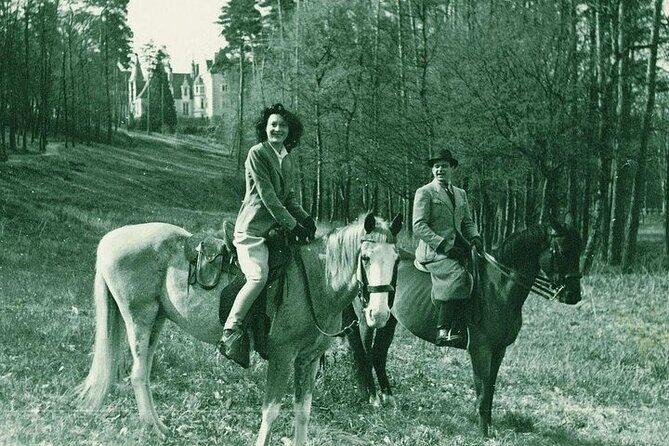
In the Pathe Opera Premier area, the guide points to a movie theater that was requisitioned for German soldiers. That’s a blunt example of how leisure space could be repurposed for occupation needs.
Then the tour brings in a nearby reference tied to Nazi propaganda: an important exhibition in Paris called The Jews and France, framed by antisemitism. The point isn’t only that propaganda existed. It’s that it was staged, public, and designed to steer opinions using the prestige of culture.
From there, you continue to BRED-Banque Populaire – Espace patrimonial, where the guide treats the Opéra area as symbolic of occupation control. The tour mentions the Kommandantur in the area and also the Café de la Paix, with anecdotes that explain how power sits among famous addresses.
This entire stretch is a reality check: you see how culture and public life didn’t stop. It was managed.
Place Vendôme and Rue de Castiglione: law, hotels, and the road to Liberation
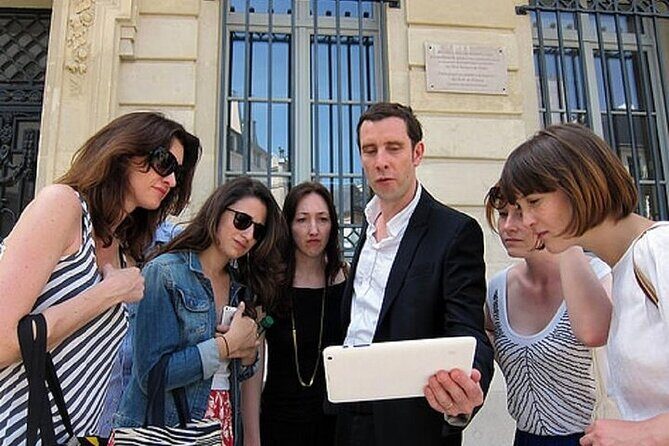
At Place Vendôme, the tour zooms out to institutions and influence. You hear about the fate of rue de la Paix jewelry stores, plus the law ministry being occupied by the German army. Nearby, the guide also references one of the earliest resistance networks—so you get occupation and resistance threaded together, not treated as separate stories.
The Ritz Hotel gets special attention here as a key occupation-and-collaboration place, linked with celebrities, spies, and militaries. Even if you’ve passed the Ritz before, this context changes how you look at the place. Suddenly it isn’t just luxury—it’s a stage where politics and spying could overlap.
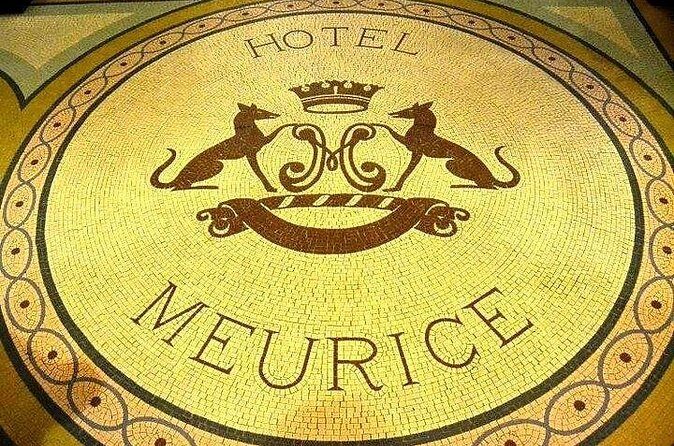
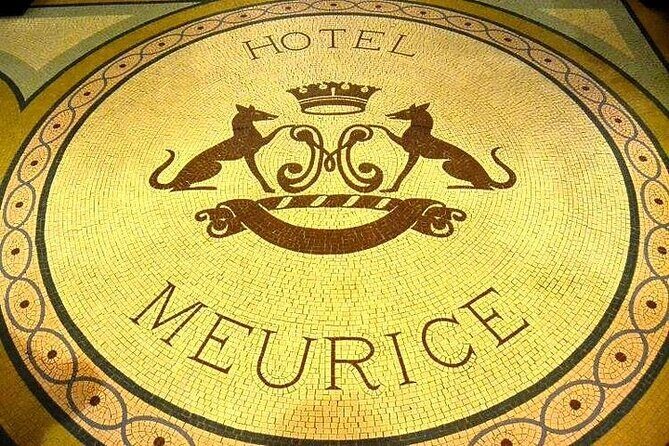
Then you move along Rue de Castiglione, where palace hotels were used as headquarters for the German army. The guide ties this to the fighting of Libération that ended there, including a reference near Hotel Meurice. It’s one of the tour’s best “follow the action” moments: occupation infrastructure leads to liberation battles, and both are visible in the same urban fabric.
Place de la Concorde: liberation scars and where stolen art was stored
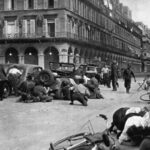
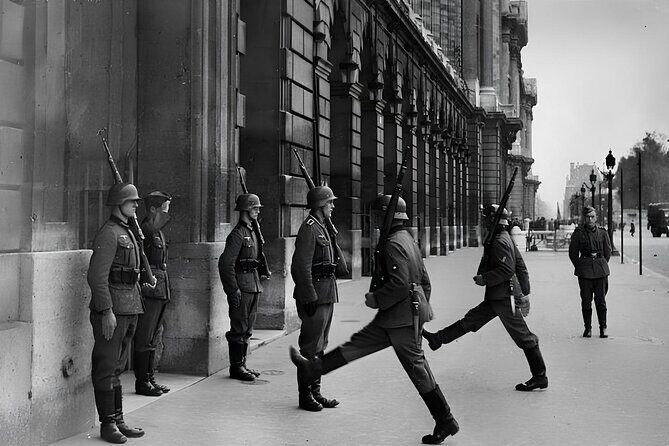
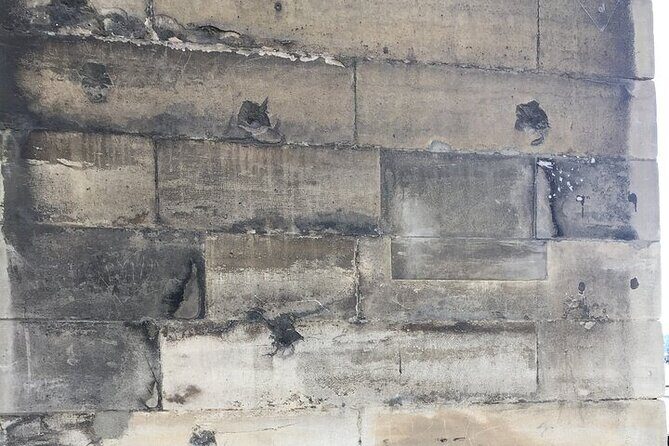
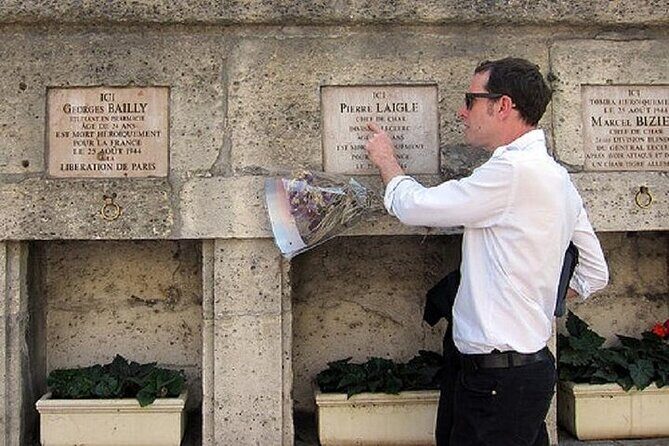
The finale brings you to Place de la Concorde, where the guide points out marks of the fighting during Libération. You also see memorial plaques dedicated to soldiers, resistance fighters, and civilians involved in the battle. These aren’t just names on stone; they’re reminders that the conflict reached people far beyond the front lines.
Behind the square, the tour references a museum-like space used by the Germans to store art stolen from Jewish people and sent to Germany. This is a heavy wrap-up, but it’s effective because it connects the earlier auction story to a final step: transport and storage, not just theft.
If the whole walk felt like “war happened here,” this last segment makes it feel like “war kept moving through systems.” It’s history you can almost track like a route.
What the guide helps you do after the walk
One of the underrated benefits is that the guide gives personalized recommendations for the rest of your trip. After a tour like this, you usually have two kinds of energy: you want more context, or you want different types of sites that you can now recognize.
So, I’d use the recommendations strategically. If you’re still hungry for WWII, ask what to see next in Paris that complements what you just walked. If you want to balance the heaviness, ask for a lighter route that still connects to what you learned—so you’re not going from dark to random.
This kind of guidance is also why the “stop order” matters. You leave with a working map in your mind: boulevards, institutions, entertainment, banks, and then the liberation scars.
Price and value: what $83.40 buys you here
At $83.40 per person, you’re paying for a guided historical narrative built around 11 stops over about 2 hours 15 minutes. The admissions at each listed stop are free, which helps keep your total cost predictable.
Is it worth it? For me, value comes from two places: good interpretation and good pacing. This tour’s format suggests both—short, focused stops guided by local knowledge, plus enough time to connect the dots across the city without turning the experience into a marathon.
Where you might question value is if you’re expecting long time at each location or museum-style exhibits at every step. This is street history. That’s its strength, but it’s also the trade-off.
Who should book this WWII Paris Occupation walk
I’d book it if you:
- Want a WWII-focused walking route that fits into a normal sightseeing day.
- Like historical context that explains everyday life, not only battles.
- Prefer learning outdoors with a guide directing your attention.
- Want an efficient way to understand occupation and liberation across multiple districts.
If you’re sensitive to heavy topics, go in with that awareness. The tour includes themes like confiscation, denunciation, and propaganda. It’s presented in a factual way, but the subject matter is inherently grim.
Should you book? My decision rule
Yes, if you want a guided, city-scale picture of Paris under occupation and you’ll use the story to see more on your own afterward. The free entry stops and guided route make it practical. The small group helps you actually hear the details without getting swallowed by crowd noise.
I’d think twice only if you require long stays at each site or very deep, academic analysis at every stop. In that case, consider pairing this with a museum or reading time so you can slow down where you care most.
FAQ
Is the tour offered in English?
Yes. The experience is offered in English.
How long is the WWII Occupation of Paris tour?
It lasts about 2 hours 15 minutes.
How many people are in the group?
The tour has a maximum of 15 travelers.
Do I need to buy tickets for the stops?
Admission tickets are listed as free at the stops included in the itinerary.
Where does the tour start and end?
It starts at 38 Bd des Italiens, 75009 Paris and ends at Place de la Concorde, 75008 Paris. The end point is right next to Concorde métro station.
What is the cancellation policy?
You can cancel for a full refund up to 24 hours before the experience’s start time. Cut-off times use local time, and changes made less than 24 hours before the start aren’t accepted.