REVIEW · PARIS
WWI Private Day Trip with Ypres Salient Battlefield in Flanders from Paris
Book on Viator →Operated by Paris TRIP · Bookable on Viator
This day trip hits hard and stays with you. A long early run from Paris into the Ypres Salient shows you WWI in a way that feels physical: cemeteries, memorials, and battle points laid out across Flemish fields. You get to move in a private setting with commentary that sets context before you step onto the ground.
I especially love the hotel pickup and drop-off. I also like that site admission tickets are handled, so you’re not stuck figuring out entrances and fees while you’re thinking about war, names, and dates.
One possible drawback: it’s a long day. With a start time around 6:30am and roughly 12 hours total, you’ll feel the travel time, and weather can change how comfortable the walking feels—bring a layer and something that handles rain.
In This Review
- Key highlights to look for
- A very early 6:30am start from Paris (and why it’s worth it)
- Crossing into the Ypres Salient: where the front line got stuck
- Tank Memorial Ypres Salient in Poelkapelle: the first sense of scale
- St Julien Memorial, plus Polygon Wood: the Canadian and Australian threads
- Essex Farm Cemetery and John McCrae: poppies start with a poem
- Hill 60: walking up to a battlefield with tunnels under it
- Tyne Cot Cemetery and the Missing Memorial: where absence is cataloged
- Ieper (Ypres) free time: lunch, walking, and Menin Gate after sunset
- How the long drive, private minivan, and timing actually affect you
- What’s included (and how the price pencils out)
- Guide support: why names like Jacques Migneaux and Sebastien matter
- Who this WWI day trip is best for
- Should you book the WWI Private Day Trip to Ypres from Paris?
- FAQ
- What time does the tour start?
- How long is the day trip?
- Is pickup and drop-off available in Paris?
- Is this tour private?
- What language is the guide?
- How do tickets work for the sites?
- Are meals included?
- Which major WWI sites are visited?
- Are admission tickets included?
- What if weather is poor or the tour needs to be canceled?
Key highlights to look for
- Private pacing: no big-group rush, and you can linger when something grabs you
- Hotel pickup/drop-off: convenient from central Paris arrondissements 75001–75018
- WWI sites that matter: St Julien, Essex Farm, Hill 60, Tyne Cot, and Menin Gate
- Personal guide time: commentary that connects sites to stories like John McCrae’s poem
- Free time in Ypres: lunch on your own and a chance to explore at street level
- Comfort depends on the van: reviews note room can vary, especially on the long drive
A very early 6:30am start from Paris (and why it’s worth it)
You leave at about 6:30am, which means you’re trading a sleep-in for calmer roads and earlier arrival in Belgium. That timing matters because these sites are emotional. You want steady focus, not a day that turns into a blur of rushing.
The drive is the main chunk of your day. Some guests describe it as close to three hours each way, so you’ll want to dress for a long seated stretch and keep essentials within reach.
You can also read our reviews of more tours and experiences in Paris.



Crossing into the Ypres Salient: where the front line got stuck
The Ypres Salient is the kind of WWII-era phrase people toss around. But WWI here was different: an area pushed forward, then fought over so relentlessly that it became a patchwork of graves and memorials. In modern Flanders, that fighting shows up as cemeteries, named memorials, and carefully preserved remnants.
Your guide frames the bigger map first, including the fact that Commonwealth forces weren’t alone—Germany, France, and Belgium were all part of the defense and the cost. That context helps when you reach each stop and realize the sites aren’t “one country’s story.” They’re a shared wound across borders.
Tank Memorial Ypres Salient in Poelkapelle: the first sense of scale
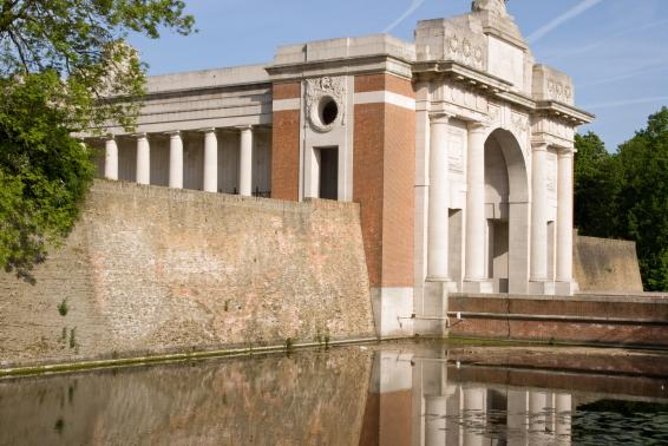
Your day begins at the Tank Memorial Ypres Salient – Poelkapelle. This stop sets the tone: you’re not touring a single battlefield scene, you’re entering an entire zone where thousands of soldiers fought and died.
The grounding here is that admission is included, so you can focus on the place itself. Your guide also uses this early moment to explain what you’ll see later—memorials, cemeteries, and the specific battle names tied to these fields.
St Julien Memorial, plus Polygon Wood: the Canadian and Australian threads
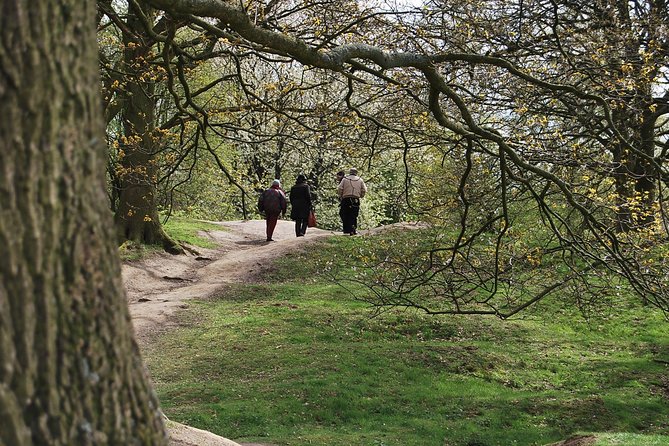
Next comes the Saint Julien Memorial area, where the Canadian story is hard to miss. The St Julien Memorial is a sculpture atop a monolith often called the Brooding Soldier, dedicated to Canadian soldiers. It’s the kind of monument that doesn’t need explanation to land emotionally, but your guide adds the history so it doesn’t just feel symbolic.
You also visit Polygon Wood, linked to the 5th Australian Division. This is a good pivot point for your thinking. By this stage you’ve crossed from “what happened” into “who was where,” and it becomes easier to connect names and divisions to specific named locations you’ll see on other memorial walls.
Essex Farm Cemetery and John McCrae: poppies start with a poem
At Essex Farm Cemetery, the story becomes literary as well as military. Your stop is tied to John McCrae, a Canadian soldier famous for writing In Flanders Fields. Your guide connects the poem to why the poppy became an international symbol for honoring fallen soldiers.
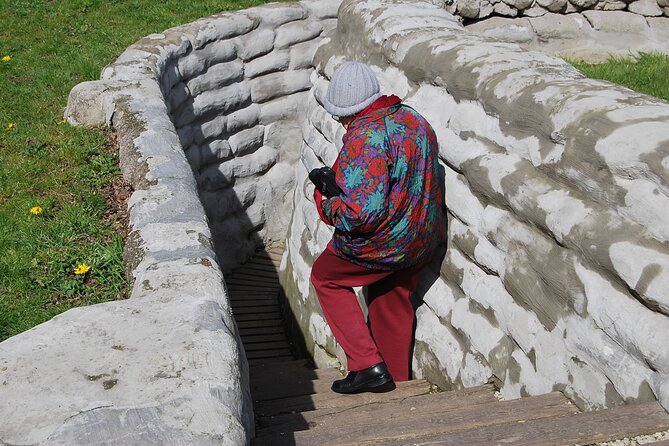
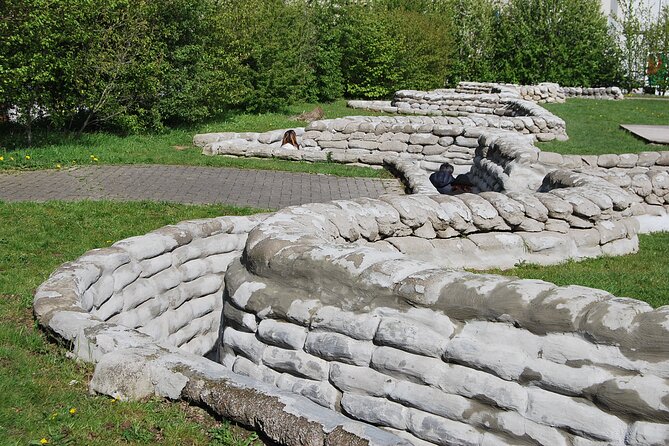
This is also where the site has physical WWI traces you can still picture: the area is associated with a dressing station during the war and includes some of the British bunkers that remain from the period. It helps you understand how the front line wasn’t just trenches—it was a system of movement, waiting, and treatment, all under threat.



Hill 60: walking up to a battlefield with tunnels under it
Hill 60 is one of the stops that keeps the day from becoming only about names on stone. You walk up to a famous WWI battlefield on raised ground where fighting was heavy.
What makes Hill 60 stand out in this region is the underground component. Unlike some other nearby areas, Hill 60 saw a lot of fighting connected to tunnels created by mines. That detail changes how you look at the slopes and ground around you. You’re not just seeing a hill; you’re imagining how warfare was carved into earth below your feet.
Tyne Cot Cemetery and the Missing Memorial: where absence is cataloged
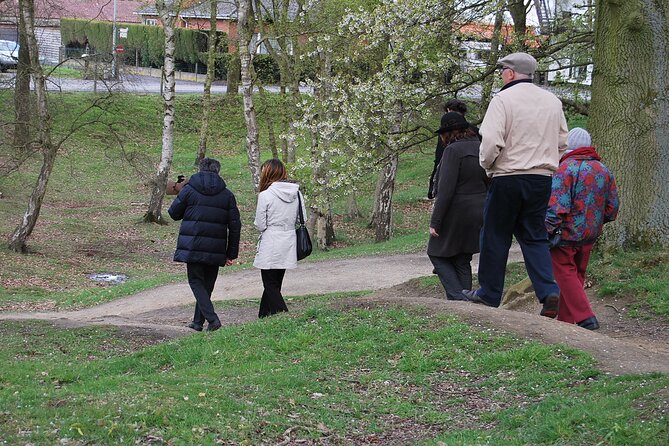
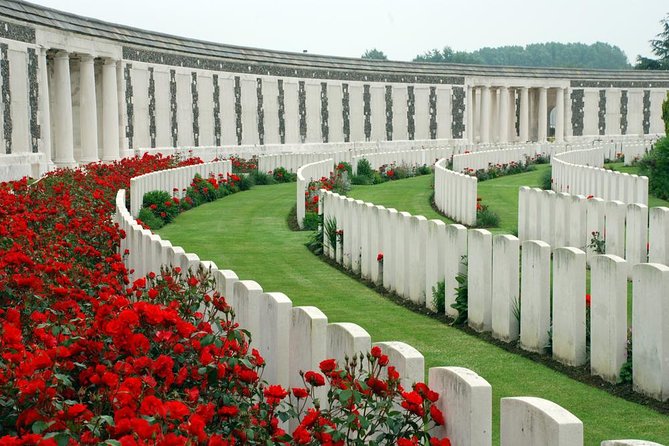
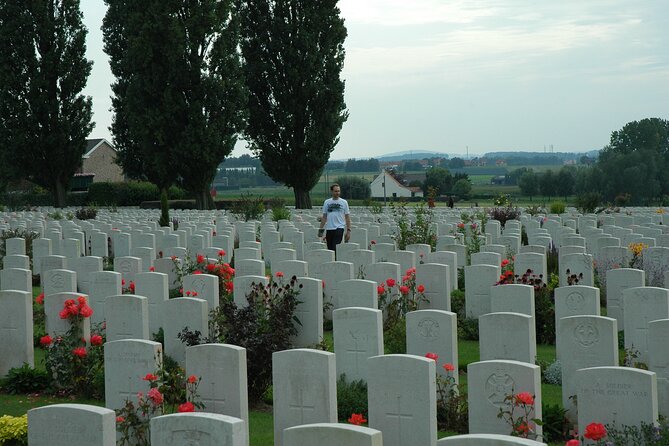
Then you arrive at Tyne Cot Cemetery, one of the most important cemeteries tied to the Ypres Salient. Many soldiers who died in the fighting are buried here, and the scale is what hits first—rows of names, quiet geometry, and the sense that the war is now a permanent part of the landscape.
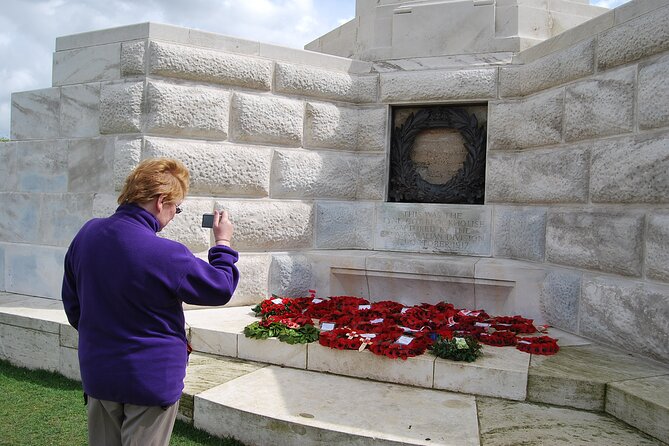
Tyne Cot also contains the Tyne Cot Memorial to the Missing, a stone wall listing soldiers from the UK and New Zealand who have no known grave. That’s a different kind of grief than reading your way through a grave marker. Here, the missing are treated with structure and care, and you feel how hard it was to recover bodies and certainty.
Ieper (Ypres) free time: lunch, walking, and Menin Gate after sunset
After the cemetery stops, the tour gives you free time in Ieper (Ypres). This is a valuable break because the earlier sites are intense. You’ll also have time for lunch on your own, and this part of the day is where you can return to normal human scale—shops, streets, and local life.
Then you head back into memorial mode at Menin Gate Memorial. The Menin Gate is where thousands of missing Commonwealth soldiers from the UK and beyond are inscribed by name. It’s one of those places where the length of the list becomes its own message: the war didn’t only kill. It erased, scattered, and complicated return.
If you’re visiting with family ties, treat the Menin Gate stop as your moment for focus. Stand, read what you can, and let your guide’s context help you connect names to the locations you visited earlier.
How the long drive, private minivan, and timing actually affect you
This tour runs about 12 hours, and the biggest practical factor is the travel time. It’s why the pickup matters so much. Leaving from central Paris arrondissements (75001–75018) means you’re not wasting the day on additional taxis or complex meeting logistics.
Most of the day is spent seated in an air-conditioned vehicle, so bring a layer. One caution from past participants: there was at least one account of the group being in a smaller van with limited room, which made the long ride less comfortable. The comfort variable here isn’t the route; it’s the vehicle layout and how many people fit.
Weather also plays a role. The experience requires good weather, and rain can make walking at memorial grounds feel colder and slower. If you’re sensitive to wet weather, pack accordingly so the day stays about respect and attention, not discomfort.
What’s included (and how the price pencils out)
The price is $1,180.72 per person for a private day trip. On its face, that’s a lot. But it’s not just a ticket—it’s a full day of logistics: hotel pickup/drop-off (in the listed Paris districts), transport by air-conditioned minivan, a guide, and admission tickets included for the memorial sites.
Food and drinks are not included, so you’ll pay for lunch in Ypres. That’s also why I suggest you plan for a real meal, not just a snack. You’re spending the day on emotionally heavy stops, and energy matters.
You’ll also get a mobile ticket and an English-speaking guide. If your family history is specific—Canadian, Australian, or UK-linked sites—this is the kind of structure where having a guide steer you through the correct locations can be worth the money.
Guide support: why names like Jacques Migneaux and Sebastien matter
This is one of the best parts of the experience. Past guides mentioned by name include Jacques Migneaux, Sylvain, Sebastien, Bertram, Nicola, and Noel. The common thread is that your guide’s job isn’t only reciting dates—it’s shaping how you see each site.
A big theme from real experiences is adaptation. Some groups wanted the day focused on Canadian and Scots connections, and the guidance adjusted to match those interests. That flexibility is important because WWI history can become overwhelming fast. A guide who can slow down for your priorities helps you actually absorb what you’re seeing.
Who this WWI day trip is best for
This trip is a strong fit if you:
- want a focused WWI memorial route without the stress of driving and navigating yourself
- are interested in Commonwealth-connected sites like John McCrae’s Essex Farm story and Menin Gate
- prefer a private group dynamic where you can linger at the moments that matter
It may be less ideal if you hate long seated travel or you need frequent breaks. The day is intentionally packed with major sites, so it’s not a relaxed “wander and see” outing. It’s a deliberate route built for remembrance and context.
Should you book the WWI Private Day Trip to Ypres from Paris?
I’d book it if you want a respectful, guided way to see the Ypres Salient’s most important WWI sites in one day, with pickup and admissions handled. The free time in Ieper is a smart pressure release after the cemetery stops, and Menin Gate gives you a clear closing point.
I’d think twice if the long drive would wear you down, or if you’re traveling in deep cold or heavy rain conditions (since the experience depends on good weather). If you can handle a 12-hour day and bring the right layers, this is one of the most meaningful WWI routes you can do from Paris.
FAQ
What time does the tour start?
The start time is 6:30am.
How long is the day trip?
It runs for approximately 12 hours.
Is pickup and drop-off available in Paris?
Pickup and drop-off is available if you’re staying in Paris districts 75001 through 75018. The tour returns you to your original departure point.
Is this tour private?
Yes. It’s listed as a private tour, meaning only your group participates.
What language is the guide?
The tour is offered in English.
How do tickets work for the sites?
A mobile ticket is included.
Are meals included?
No. Food and drinks are not included, and you’ll have lunch during free time in Ypres at your own expense.
Which major WWI sites are visited?
You’ll visit the Tank Memorial area in Poelkapelle, Saint Julien Memorial (including Polygon Wood), Essex Farm Cemetery (with related bunkers), Hill 60, Tyne Cot Cemetery (including the Missing Memorial), free time in Ieper (Ypres), and Menin Gate Memorial.
Are admission tickets included?
Yes. Admission tickets for the stops are included as part of the tour.
What if weather is poor or the tour needs to be canceled?
The experience requires good weather. If it’s canceled due to poor weather, you’ll be offered a different date or a full refund. There’s also free cancellation available up to 24 hours in advance for a full refund.