REVIEW · PARIS
Craft a Unique Parisian luxury bag
Book on Viator →Operated by MiniMeParis Experiences · Bookable on Viator
You leave with a bag you built.
This is a hands-on Parisian workshop where you create a custom luxury bag in a central atelier, with a fashion-expert guide in a small group. You’ll pick the shape, fabric, and stitching, then assemble your own one-of-a-kind purse (no prior sewing skills needed).
I love the hands-on instruction that balances design choices with real construction help. I also love the energy of the space—sparkly, fashion-forward, and packed with fabric options that make decisions feel fun instead of stressful. The main drawback to plan for: the timeline and budget can stretch, because optional upgrades and special materials can add time and cost.
In This Review
- Key things to know before you go
- MiniMeParis in the 2nd: where your bag-making starts
- What you build: choosing your bag design like a fashion pro
- The workshop flow: from cutting to a finished handmade bag
- Timing tip that can save your whole day
- The team dynamic: guide support plus expert sewing
- Price and value: why the $173.75 experience can grow
- How to protect value
- Timing and group size: a small class that still moves at its own pace
- Who this workshop is perfect for
- Should you book the Paris custom luxury bag workshop?
- FAQ
- How long is the workshop?
- How many people are in the group?
- Do I need sewing experience?
- What language is the workshop offered in?
- Where do I meet for the workshop?
- Can I cancel and get a refund?
Key things to know before you go
- Pick carefully: choices affect time and price. Fabric categories and add-ons can change your final total fast.
- You’ll work with a guide and a tailor. The guide helps you design; a sewing specialist does much of the heavy construction.
- No sewing experience needed. You cut and prepare pieces, but professionals step in for the tricky parts.
- 3 hours is a guideline. Some sessions run closer to 4–5 hours, and complex builds can take longer.
- Hard vs soft bag styles can change pacing. More structured builds may require extra attention.
- Small group feel. It’s capped at a maximum of 8 travelers, so you get more guidance than a crowd-based class.
MiniMeParis in the 2nd: where your bag-making starts
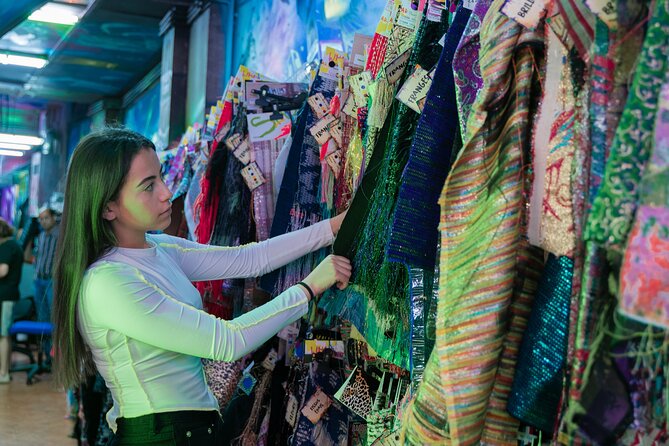
Your workshop begins at MiniMeLand Paris, 25 Rue de Turbigo, in the 2nd arrondissement (75002). It’s central Paris, and the area is served by public transportation, so you can arrive without turning it into a whole day project.
When you walk in, the vibe matters. It doesn’t feel like a school craft room. It feels like a fashion accessory store that happens to have a workshop behind it. That difference is not fluff. If you’re paying for a luxury, custom-made experience, you want the setting to match the outcome—and this place does. Expect a storefront filled with accessories and samples, then a work area where you’ll actually build your bag.
I’d plan to arrive a little early. Even if the workshop is designed to run smoothly, you’ll want extra minutes to settle in, check the fabric options, and get your bearings before your session clock starts.
You can also read our reviews of more tours and experiences in Paris.



What you build: choosing your bag design like a fashion pro
This is not a class where you follow one template and call it custom. You choose. You can select the bag shape and then make key material decisions that change how the bag looks and feels.
Here’s what you’ll be thinking about as you go:
- Bag style/size. You’ll choose from different options, including smaller, structured styles and softer options (some builds take longer if they’re more structured).
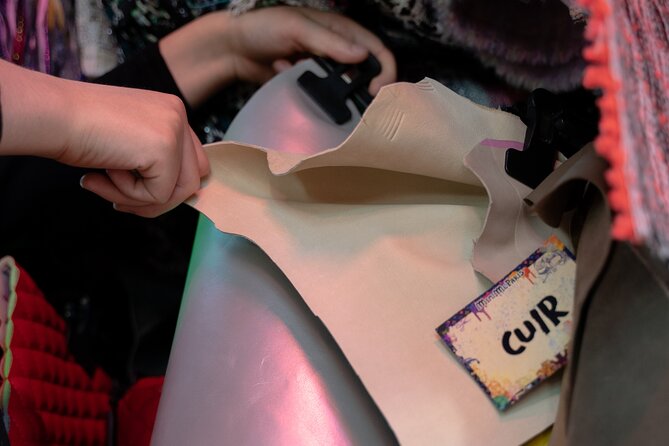
- Fabric category. You’ll pick fabrics from what’s available, and not every material is tied to the same brand-name tier. Some are pricier. Some are cheaper.
- Stitching and finishing. This is where your bag stops looking like “a class project” and starts looking like your taste.
- Lining and inside details. The inside can be a separate decision, and it’s also where costs can add up if you upgrade.
The big practical value here: you’re not just buying something at the end. You’re making choices that affect the final product. That means you’ll likely enjoy using the bag more later, because it actually reflects how you decided it should look.
One caution: the more you “designer-ify” your build with high-end materials and extra accessories, the faster your budget can move. If you want a tidy spend, you’ll need to treat your decisions like a plan, not a shopping spree.
The workshop flow: from cutting to a finished handmade bag
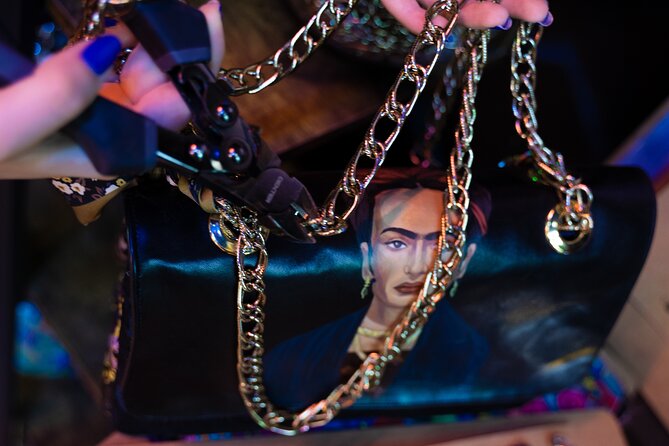
The experience is built around the idea that you’ll do real work, but you don’t need to be a sewer. A typical session follows a rhythm like this:
1) Morning or afternoon welcome + design briefing
You’ll meet your fashion-expert guide and set up your choices. In many sessions, the team works as two parts: a guide who helps you make design decisions, and a sewing specialist who handles construction steps.
2) Fabric selection (and fabric handling realities)
You choose your materials, and then the team prepares what you selected. Here’s a practical detail that matters: certain fabrics need special handling. If you pick a fabric with heavier embellishment (like beadwork), you may find it takes longer for the material to be sewn without damaging equipment. That doesn’t mean it’s bad. It means your session timing can shift.
3) Cutting and prep on your own pieces
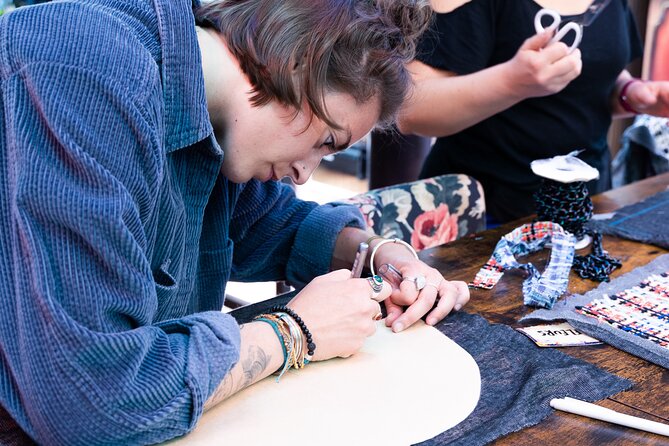
You’ll do some construction tasks yourself. Depending on the build, that can include cutting fabric to pattern pieces, pressing or preparing interfacing, and sewing certain components. If you’re a hands-on person, you’ll probably enjoy this phase most.
4) Professional sewing and assembly support
This is the “luxury” part. Even if you sew some pieces yourself, the tailor (often someone like Alex, depending on the session) will help assemble and sew key parts together. They also handle the trickier steps—hardware installation and the parts where a small mistake could ruin the final look.
5) Final fitting and take-home moment
When your bag is assembled, you leave with your finished, custom-order piece. That “made-in-Paris” feeling is real here, because you didn’t just pick a bag off a shelf.
Timing tip that can save your whole day
The workshop is advertised as about 3 hours, but don’t plan like it’s exact. Some sessions can run longer—especially if you choose a more complex style, pricier fabrics, or extra accessories. A smart move is to give yourself padding and keep the rest of the day flexible.
The team dynamic: guide support plus expert sewing
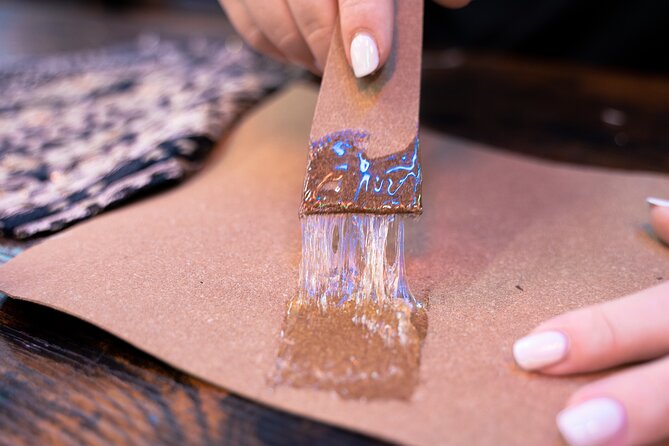
You’re not left alone at a machine. The staff setup is built to guide your decisions and then get your bag over the finish line.
From the instructors you may encounter, you’ll see a mix of personalities and roles. Some sessions are led by names like Mona/Muna (as a guide), and other teams include Odélia. Sewing specialists often appear as people like Alex, who handle assembly steps and help bring your design together.
What I like about this structure is that it protects you from two extremes:
- If you’re not confident sewing, you still get a bag that looks right.
- If you’re fashion-minded and detail-focused, you still do enough of the hands-on work to feel ownership.
You’ll get help at the “decision” points (fabric, style, accessories) and at the “construction” points (assembly and hardware). That’s the difference between a fun craft and a genuinely satisfying custom workshop.



Price and value: why the $173.75 experience can grow
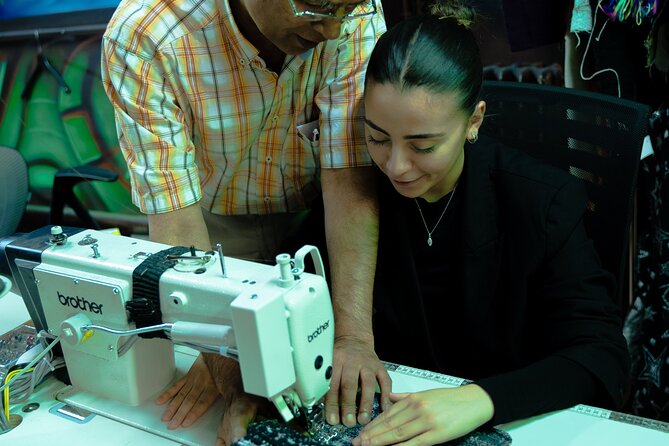
Let’s talk money plainly. The price is $173.75 per person for the workshop. That gets you the guided experience and a chunk of value toward your bag creation. But optional accessories, fabric upgrades, and even different bag components can add cost quickly.
A pattern shows up in real builds:
- Not everything is included in one fixed bag price. You may see that fabrics and accessories are priced by category.
- Special materials can add time and cost. If something needs extra prep to sew, the process can take longer and the materials may cost more.
- You can upgrade fast. Straps/handles, lining choices, and embellishments can become separate line items.
One traveler-related lesson you can use (even before you walk in): if your goal is to keep spending under control, decide your budget before you start selecting accessories. If you wait until you’re emotionally attached to a sparkly option, it’s harder to stop.
How to protect value
Here’s how I’d manage the experience if I wanted a predictable total:
- Choose one hero fabric and build around it, instead of stacking multiple expensive textures.
- Keep embellishments minimal unless you truly want a statement bag.
- Ask for a running sense of totals before cutting. This is the point where some sessions warn you that choices can exceed the basic credit toward your bag.
If you go in expecting it to be a luxury workshop and budget like it, the value can make sense. If you go in expecting the bag to cost only what you paid up front, you’ll feel surprised.
Timing and group size: a small class that still moves at its own pace
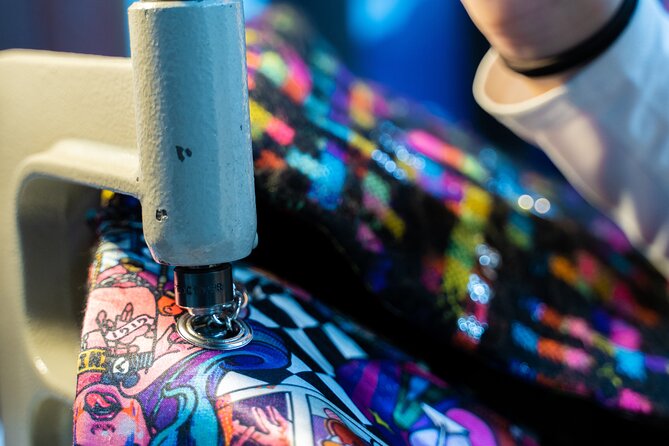
This experience is designed for a small group: a maximum of 8 travelers. That’s why it feels personal. You’re not racing against 30 strangers for one instructor’s attention.
Still, your session length depends on three things:
- Your design choices (complex styles take longer)
- Material handling (special fabrics can slow prep)
- How many steps are done by hand vs by the tailor
In practice, a 3-hour workshop can become a longer block. I’d treat it as a half-day commitment, not a quick morning errand. If you’re booking the afternoon class, plan your evening with a little breathing room. Also avoid stacking another ticketed activity right after, because delays can happen depending on how your build progresses.
Who this workshop is perfect for
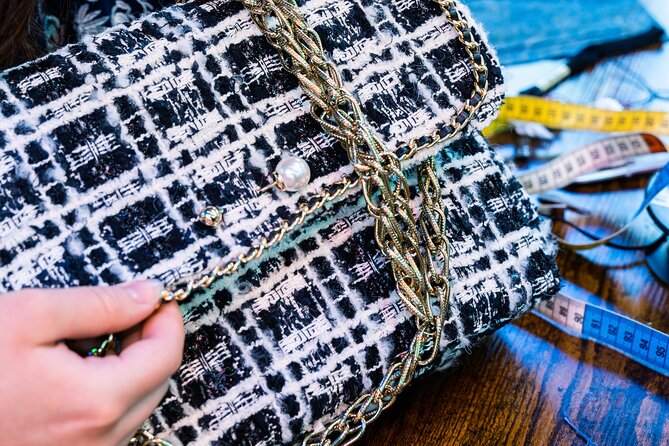
This is the kind of experience that works for multiple travel styles:
- Fashion lovers who want a hands-on Paris memory, not just a photo at a landmark.
- Gift-makers—the mother/daughter and family-friendly energy is real. It’s the type of activity where you’ll be proud to show off what you made.
- Sewing-curious beginners. You don’t need experience, and the team supports you so you can still finish with confidence.
- Small groups of friends who like shared decisions—fabric picking together is part of the fun.
If you’re the type who hates decision-making or wants zero surprise in cost/time, this might feel stressful. But if you enjoy choices and you can handle that luxury tailoring comes with real-world logistics, you’ll likely love it.
Should you book the Paris custom luxury bag workshop?
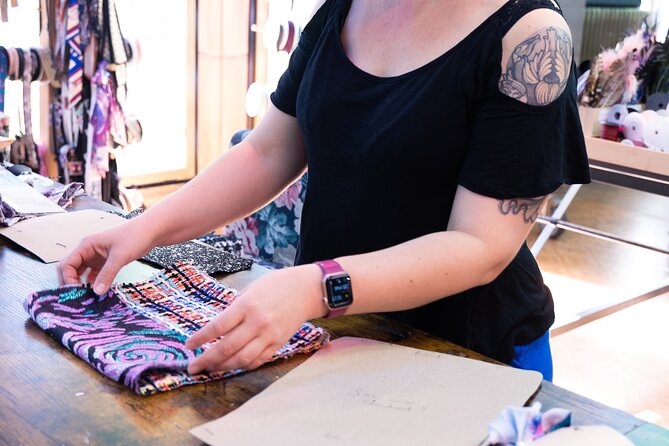
I’d book it if you:
- Want a hands-on Paris fashion experience that ends with an actual custom bag in your hands.
- Like small-group attention and guided construction.
- Are willing to plan for extras and build a relaxed schedule.
I’d skip it (or choose a simpler bag plan) if:
- You need a strict 3-hour window for the rest of your day.
- You want a guaranteed fixed total price with no upgrades.
- You’re only interested in light crafting and not in real bag construction steps.
A smart decision strategy: treat the workshop as a creative session first, and treat your budget as part of your design. Do that, and you can leave Paris with a bag that feels truly personal.
FAQ
How long is the workshop?
The workshop runs for about 3 hours (approx.).
How many people are in the group?
The experience has a maximum of 8 travelers.
Do I need sewing experience?
No sewing experience is required. You’ll get hands-on instruction and support.
What language is the workshop offered in?
The workshop is offered in English.
Where do I meet for the workshop?
Meet at MiniMeLand Paris, 25 Rue de Turbigo, 75002 Paris, France.
Can I cancel and get a refund?
Yes. You can cancel for a full refund if you cancel up to 24 hours in advance of the experience’s start time.