REVIEW · PARIS
Louvre Evening Escape – Avoid The Crowds! Semi-Private 6ppl Max
Book on Viator →Operated by Babylon Tours Paris · Bookable on Viator
Paris at golden-hour plus the Louvre is a smart combo. This 2.5-hour semi-private Louvre evening plan keeps the group small (max 6) and routes you through the museum’s biggest hits without making you wander for hours. I like the reserved entry setup, and I love how the guide lines up classic masterpieces like the Mona Lisa alongside major statues and painting highlights, so your first visit clicks fast. A consideration: it’s built for people with moderate walking fitness, and the pace is focused, not a slow roam through every gallery.
You’ll get a guide-led path that also helps with the outside-of-the-museum context. In particular, guides like Marcel and Dennis have been praised for turning the artworks into stories you can follow, with small practical touches (Marcel even brought along extra reading notes and a Mona Lisa magnet idea during the Paris lead-in). The biggest drawback to plan for is that the Louvre can have occasional closures or delays, and while alternatives may be offered, the rules say refunds or discounts aren’t available if the museum opening time shifts beyond the stated window.
In This Review
- Key things that make this tour work
- Why an evening Louvre plan helps you see more, stress less
- Semi-private means more than a marketing label
- The meeting point at the Louvre Pyramid: what to know before you go
- Central Paris lead-in: from Ile de la Cité to the Seine highlights
- Entering the Louvre: reserved entry and a focused route
- The must-see artworks your guide will route you toward
- Quiet rooms, security, and why your timing still matters
- Price and value: what you’re really paying for
- Who should book this Louvre Evening Escape (and who should skip it)
- Should you book the Louvre Evening Escape?
- FAQ
- How many people are on the tour?
- What time does the tour start, and where do we meet?
- Is the Louvre entrance ticket included in the price?
- Does this tour include reserved entry to help with crowds?
- Are temporary exhibitions included?
- Is the tour available for wheelchair users or those with walking disabilities?
- What kind of bags are allowed inside the Louvre?
- What happens if the Louvre closes or delays opening?
Key things that make this tour work
- Small group size (6 max) means more time to ask questions and stay oriented inside the Louvre.
- Reserved entry ticket + a guide route helps you avoid the worst crowd chaos around the museum highlights.
- You see major works fast: Mona Lisa, Venus de Milo, plus big European paintings like Liberty Leading the People and The Raft of the Medusa.
- The Louvre building itself gets explained, including that it started life as a palace for Napoleon.
- Central Paris sights help you get your bearings, including iconic Seine landmarks and nearby monuments you’ll recognize even from a short walk.
- Security rules are real: no large bags, and you’ll want to pack light for smooth entry.
Why an evening Louvre plan helps you see more, stress less
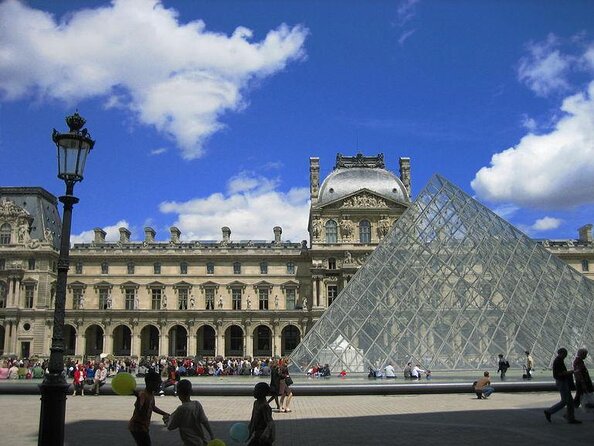
The Louvre is famous for a reason. It’s also famous for crowds, and crowds mean wasted time: queues, confusion, and that feeling that you’re constantly running just to keep up.
This tour starts at 5:00 pm and runs about 2 hours 30 minutes, which matters. Later in the day, the energy shifts from frantic sightseeing to a more manageable flow. You still get prime highlights, but you’re less likely to spend the entire evening trapped in entrance bottlenecks.
Then there’s the core idea: you’re not trying to “complete” the Louvre. You’re trying to get the big picture. A guided route helps you see why the museum matters, not just what it contains. That’s a huge win for first-time Paris visitors who want an art-focused evening without turning it into a full-day mission.
You can also read our reviews of more tours and experiences in Paris.



Semi-private means more than a marketing label
Max 6 people sounds like a small detail. In practice, it changes everything.
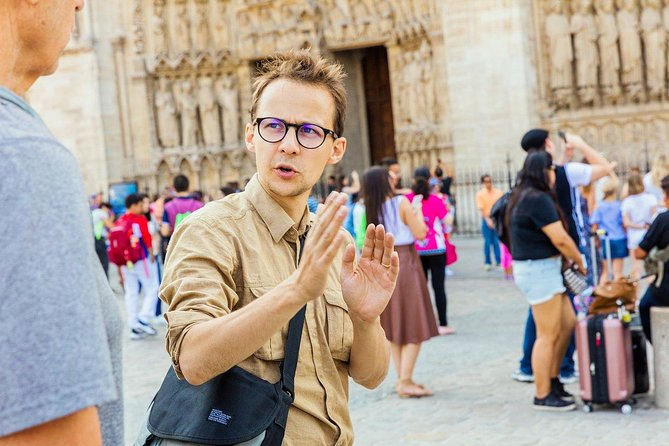
In a large group, you often get swept along. You can see things, sure, but you miss context. In a tiny group, the guide can adjust pace when someone asks a question. You can also hear better when the guide explains how paintings connect to French and European history, or how classical sculpture was collected and displayed.
That’s why guides like Marcel and Dennis have earned standout praise. Their style isn’t just reciting facts. It’s focusing your attention on what to look for—like how a sculpture’s pose tells you something about the era, or how to read a historical painting beyond the subject.
Also, a semi-private experience tends to feel less like a race. You still move efficiently, but you’re not doing that awkward thing where you’re trying to keep your place while your group disappears around a corner.
The meeting point at the Louvre Pyramid: what to know before you go
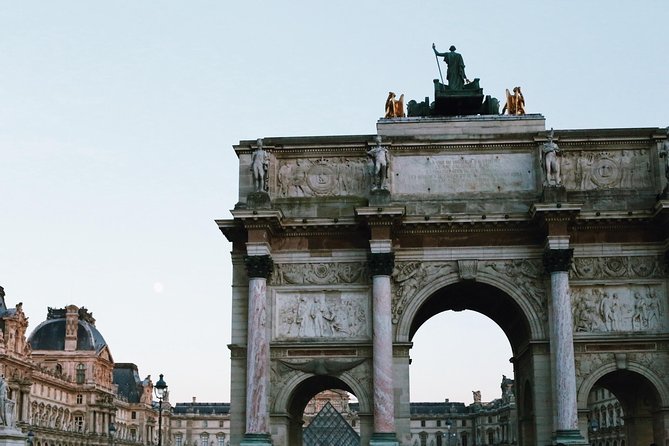
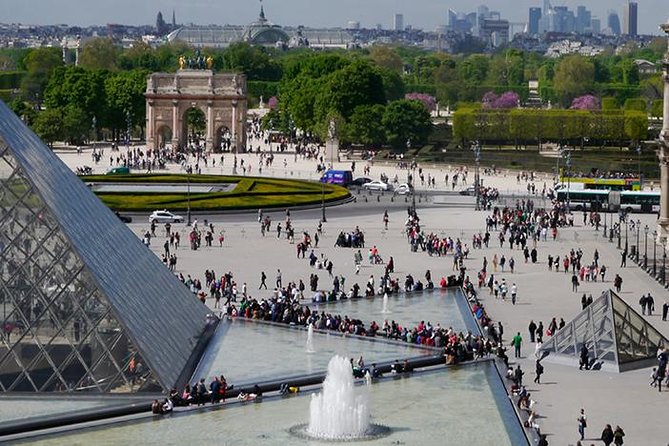
The published start point is the Louvre Pyramid (75001 Paris). That’s convenient because it’s easy to identify, and it keeps logistics straightforward. Your tour also ends back at the same meeting point.
Plan for the reality of museum security. The rules are clear: no large bags or suitcases inside, only handbags or small thin bag packs through security. If you show up with a bulky daypack, you’ll lose time at the checkpoint. If you want the evening to feel smooth, pack like you’re going to a concert: essentials only.
Dress matters too. Some sites on the route require appropriate dress for entry. That usually means: no super-offensive beach wear, keep it respectful, and you’ll be fine.
One more practical note: this experience includes a mobile ticket, and it’s important to provide a mobile phone number with country code. It’s one of those small things that helps the day run without hiccups.
Central Paris lead-in: from Ile de la Cité to the Seine highlights
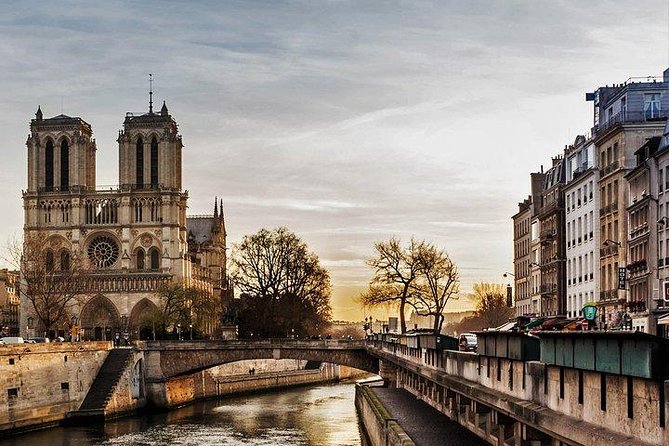
Even though your main event is the Louvre, this tour builds context outside the museum. You start with a guide-led look at central landmarks and the Seine River area, including Ile de la Cité, the historic founding site of the ancient city.
From there, the route is designed to point out sights you’ll recognize instantly later: the kind of bridges and riverbanks that turn Paris into the Paris you’ve seen in photos. The guide stops to explain the significance of bridges like Pont Neuf and Pont des Arts, and you’ll learn how the riverfront monuments connect to how the city developed.
Along the way, you’ll get views and explanations tied to big-name places, such as:
- Notre-Dame Cathedral
- Jardin des Tuileries
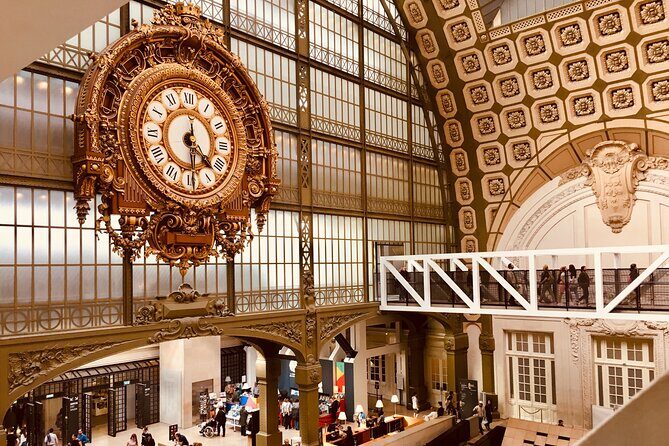
- Musée d’Orsay
- Champs-Élysées
- Musée de l’Orangerie
- Place de la Concorde
- La Madeleine
A short cafe break can happen too. The plan mentions a stop to rest your feet over lunch at a local café, but that part is own expense, so treat it as a chance to recharge rather than an included meal.
Reality check: one review described a Seine river walk getting canceled due to flooding. That’s not predictable. The best mindset is flexibility—if conditions change, the tour should still focus on delivering the museum highlights.
Entering the Louvre: reserved entry and a focused route
The Louvre visit is where the payoff is. You get a semi-private museum tour with a reserved entry ticket, and entrance fees are included. That’s important value. The museum is expensive once you start adding tickets and timed-entry options, and those costs can sneak up fast.
Your guide leads you directly to major works and also to some lesser-known treasures that many people never find on their own. The goal is to help you avoid getting lost inside that huge building. The Louvre is designed to tempt you into wandering. A guide helps you follow the thread instead.
You’ll also learn about the museum’s architecture, including that it originally began as a palace for Napoleon. That kind of background makes the rooms feel less random. Instead of just seeing galleries, you start seeing the building as part of the story.
Also, the tour’s pace matters here. It’s long enough to hit the biggest names, but short enough that you don’t leave exhausted. In 2.5 hours, the guide has to be selective. That’s a feature, not a flaw—especially if this is your first Louvre visit.



The must-see artworks your guide will route you toward
Inside the Louvre, the highlight list is exactly what most first-timers want, plus enough variety to feel like more than a checklist.
Here are the kinds of works you can expect to see on the guided path:
- Classical sculpture, including the Venus de Milo
- Big European paintings, such as The Raft of the Medusa (Géricault)
- Liberty Leading the People (Delacroix)
- And of course Leonardo da Vinci’s Mona Lisa
What I like about this approach is that it doesn’t only give you famous names. A skilled guide helps you look at the masterpieces with a bit more structure:
- Why the classical statues were collected and displayed.
- Why French history shows up in paintings like Delacroix’s.
- How composition and drama pull you in on paintings like Géricault’s.
You’ll also get guidance on where you might need to keep your voice down. The rules mention that some specific rooms are very quiet or restricted for speaking. The guide will explain which areas have that requirement before entering them, so you don’t accidentally break the etiquette.
Quiet rooms, security, and why your timing still matters
Even with reserved entry, lines can happen. Security measures at many attractions can lead to queues, including when skip-the-line access is offered. The practical takeaway is simple: plan to arrive ready, with your light bag and your ticket sorted.
Inside the museum, you may encounter restricted audio rules in some rooms. It’s usually about maintaining a calm atmosphere near certain displays or areas where speaking is limited. Your guide handles the explanation in advance, which keeps the experience from feeling awkward.
One more practical factor: temporary exhibitions aren’t included. That doesn’t mean they won’t show you things that relate, but it does mean your guide route focuses on the standard collection highlights described above. If a temporary show is your top priority, you’d want to add it separately.
Price and value: what you’re really paying for
At $181.02 per person, this isn’t the cheapest way to see the Louvre. So here’s how to think about value.
You’re paying for:
- A semi-private group size (max 6), not a big cattle-car group.
- A reserved entry ticket and access where timing matters.
- 2.5 hours of guided selection, which is the hardest part of the Louvre to DIY successfully.
The museum admission itself is listed as €22 for adults and is included. That covers a chunk of the ticket cost, but the real value is the guided route that saves you time, helps you pick the right rooms, and keeps you from spending the evening running after the next famous work.
If you’re the type of person who likes to stand in front of art and feel like you understand why you’re standing there, the guided focus is worth it. If you want to wander every wing at your own pace, you might be better off doing a self-guided plan with a longer ticket window.
Who should book this Louvre Evening Escape (and who should skip it)
This is a great fit if:
- You’re a first-time Paris visitor and want a fast, guided overview.
- You care about seeing the big masterpieces like the Mona Lisa without wasting time.
- You like the idea of a small group where you can hear the guide and ask questions.
- You want your evening to end with major art, not with a confused sprint through galleries.
It may not be a great fit if:
- You use a wheelchair or need accommodations for walking disabilities. The tour notes it is not available for those using a wheelchair or those with walking disabilities.
- You expect a slow, do-everything itinerary. This is built for focused highlights in limited time.
- Temporary exhibitions are your must-see priority, since they’re not included.
Should you book the Louvre Evening Escape?
If you want a Louvre visit that feels organized and art-forward—without turning into a full-day endurance test—I’d book it. The combination of semi-private size, reserved entry, and a guide-led path to the museum’s headline works is exactly the formula that helps first-timers enjoy the Louvre instead of just surviving it.
Book it especially if you’re traveling with one or two people and you still want some flexibility, but not so much that you end up guessing where to go next. The Louvre is big. This tour helps you pick the right rooms and see the key works in a smart order.
FAQ
How many people are on the tour?
The tour is semi-private with a maximum of 6 guests.
What time does the tour start, and where do we meet?
The tour starts at 5:00 pm and meets at the Louvre Pyramid, 75001 Paris, France.
Is the Louvre entrance ticket included in the price?
Yes. The tour includes a museum admission ticket (listed as €22 for adults) and entrance fees are included.
Does this tour include reserved entry to help with crowds?
Yes. It’s a semi-private museum tour with a reserved entry ticket, designed to help you avoid the worst crowd issues.
Are temporary exhibitions included?
No. Temporary exhibitions are not included.
Is the tour available for wheelchair users or those with walking disabilities?
No. The tour is not available for people with walking disabilities or those using a wheelchair.
What kind of bags are allowed inside the Louvre?
Large bags and suitcases aren’t allowed. Only handbags or small thin bag packs are allowed through security.
What happens if the Louvre closes or delays opening?
The Louvre may close occasionally without warning. If the opening is delayed more than 1 hour from the tour starting time, the provider will provide an appropriate alternative. In those cases, refunds or discounts aren’t available.